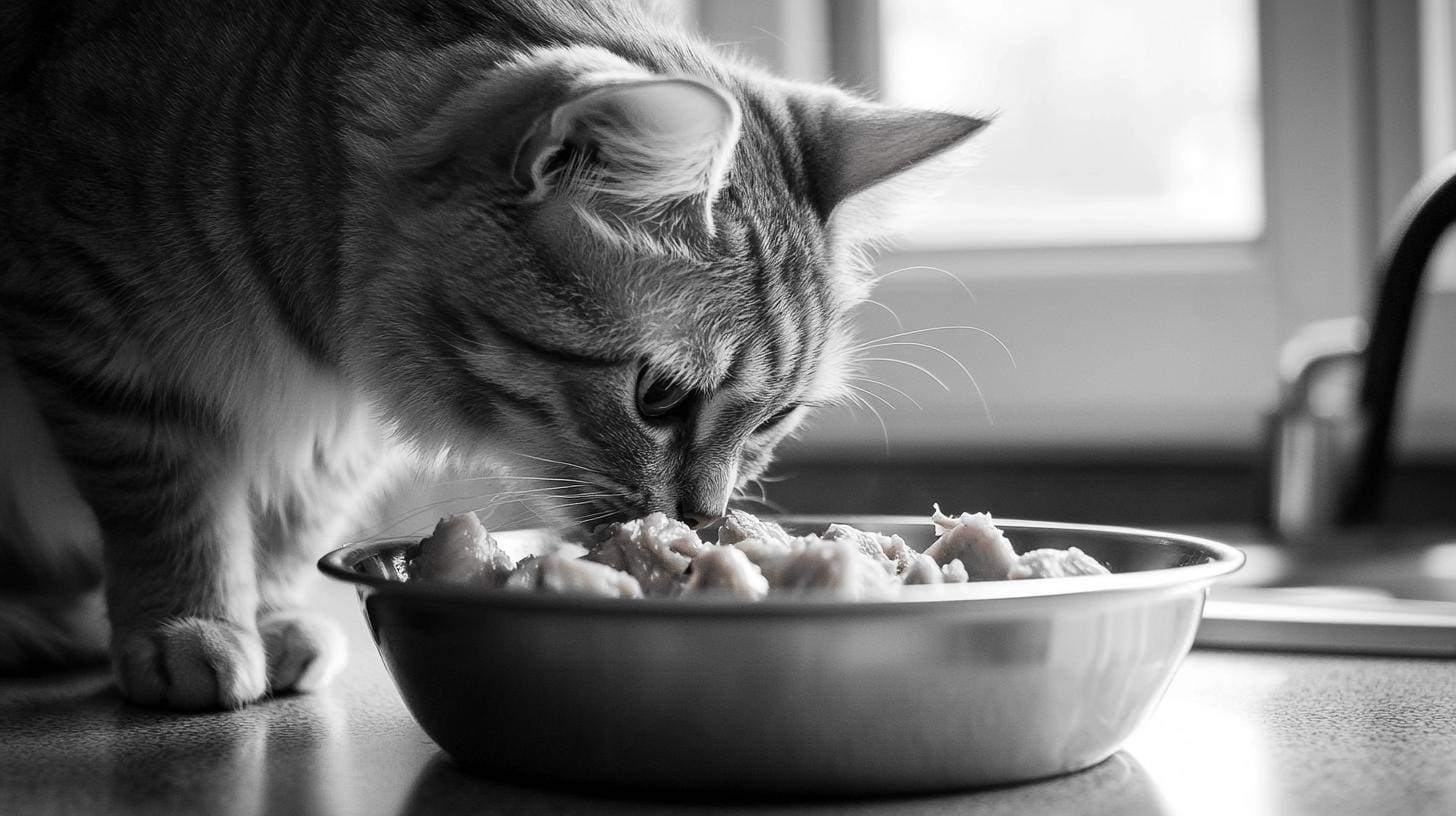
Can cats chow down on cereal, and do they even need it? This question might stump many cat owners. Our feline friends are obligate carnivores, designed to thrive on a diet rich in meat. While cereal isn't toxic, it doesn't offer the nutrients cats need.
So why might your kitty seem curious about your breakfast bowl? Is it hunger or just feline curiosity? In this blog, we'll explore whether cereal is safe, necessary, and how it aligns with a cat's nutritional needs, or lack thereof. Let's dig in!
Can Cats Safely Eat Cereal?
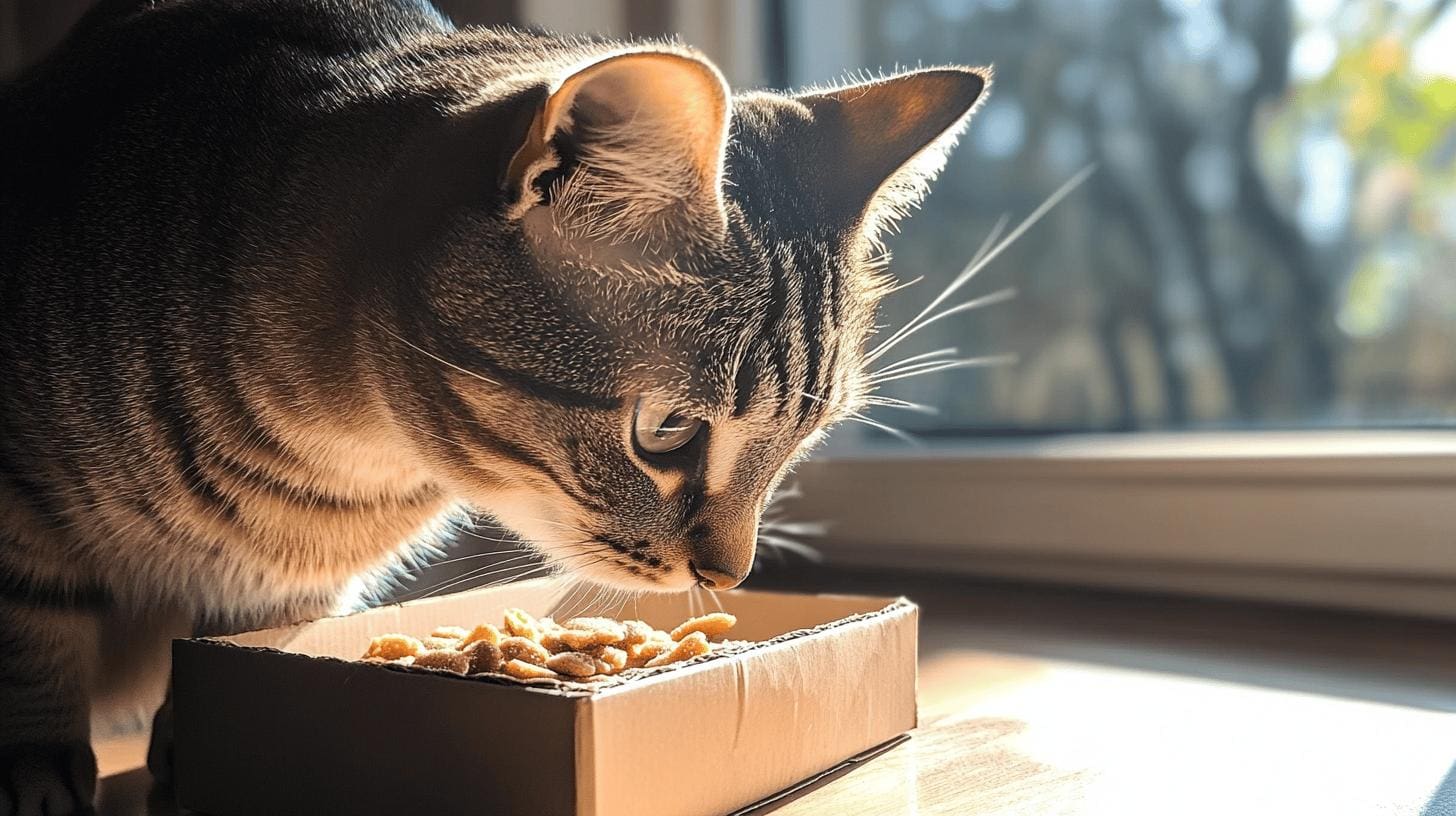
Cereal is not a dietary requirement for cats. As obligate carnivores, cats thrive on diets rich in proteins and fats, which are primarily found in meat. The carbohydrates present in cereals do not align with a cat's natural dietary needs. While cereal is not inherently harmful, it offers minimal nutritional benefits and lacks the essential nutrients that cats require for optimal health. A balanced cat food diet already provides the necessary vitamins and minerals, making cereal an unnecessary addition.
- High Carbohydrates: Cereal contains carbohydrates that cats do not need in their diet.
- Lactose Intolerance: Many cats are lactose intolerant, so cereal with milk can cause digestive issues.
- Lack of Nutrients: Cereal lacks essential nutrients that cats get from meat.
- Potential Allergens: Some cereals may contain grains or gluten, which can trigger allergies.
- Curiosity vs. Need: Cats may show interest in cereal, but it's more about curiosity than dietary need.
Cereal is not toxic to cats, yet it doesn't provide the nutritional value that obligate carnivores need. Cats are designed to extract nutrients from meat-based sources, and cereals do not meet these biological requirements. While it might be safe to let a cat nibble on a bit of cereal occasionally, it should not replace their regular meals or be considered a dietary staple. Cats need a diet that supports their energy levels, immune function, and overall well-being, which cereal does not provide.
Feeding cereal to cats can potentially lead to health issues. Cats that are lactose intolerant may experience stomach cramps or discomfort from consuming milk with cereal. Additionally, the high carbohydrate content in cereals can lead to weight gain and related health problems. Some cats may also be grain or gluten-intolerant, leading to allergic reactions or digestive disturbances. Therefore, it is crucial to be aware of these potential issues when considering cereal as a treat for your feline friend.
Types of Cereal and Their Suitability for Cats
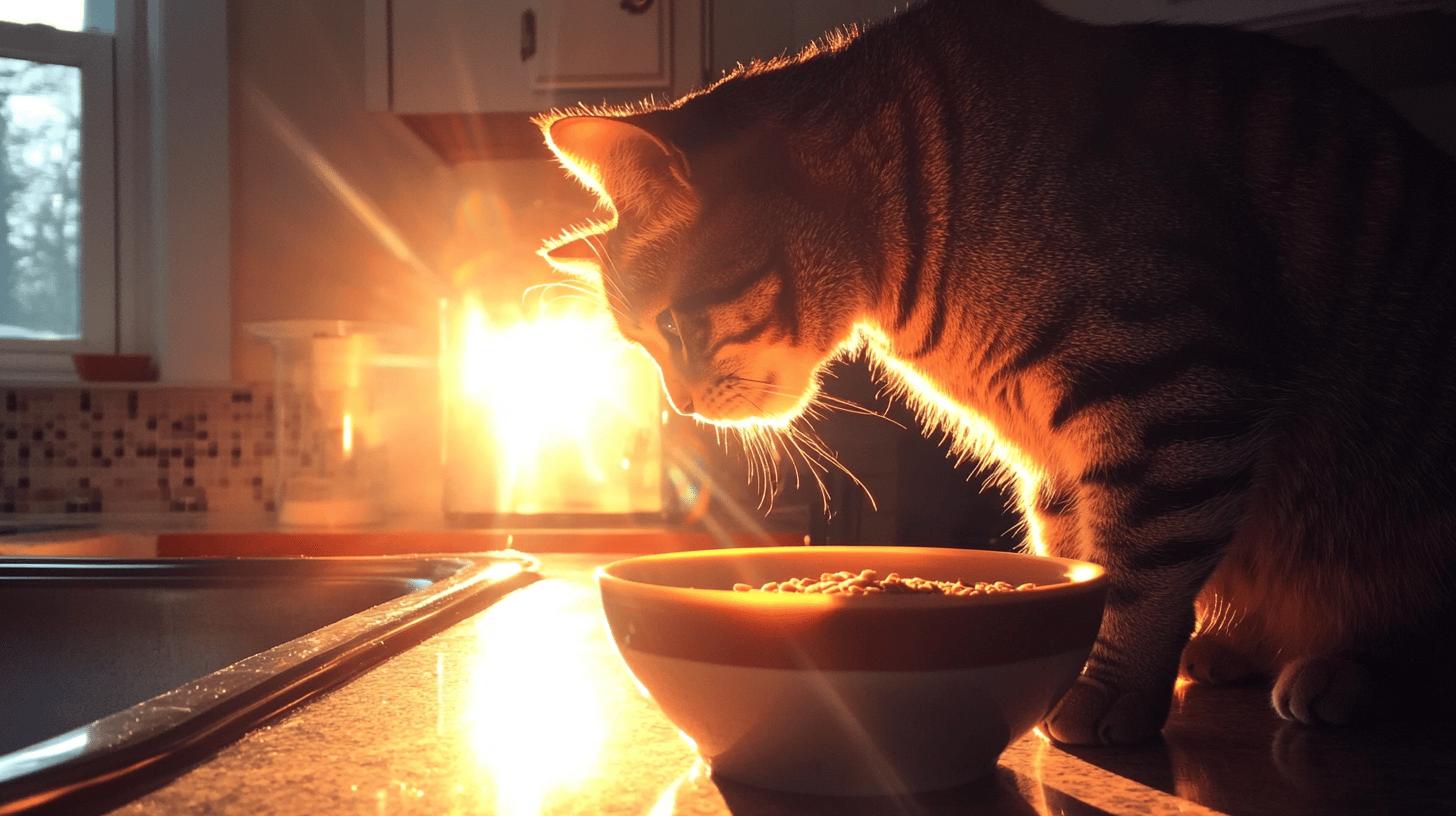
When thinking about offering cereal to your cat, it's crucial to consider its ingredients and nutritional value. Some cereals are safer than others, but even those should only be given as occasional treats. Cats are obligate carnivores and their dietary needs focus on proteins and fats found in meat. Cereals, primarily composed of carbohydrates, do not align with these needs.
Oats and Oatmeal
Oats and oatmeal are among the safer cereal options for cats. They are generally more digestible and contain fewer harmful additives. If you're planning to share oats with your cat, make sure they are plain and cooked without any added sugars or flavors. A small spoonful of plain oatmeal can be an interesting texture for cats, but it should never replace their primary diet.
Cornflakes and Bran Cereal
Cornflakes and bran cereals are not ideal for cats, primarily due to their gluten and sugar content. These cereals often contain additives that are not suitable for feline consumption. Gluten can be problematic for cats with intolerances, and the added sugars contribute no nutritional value and can lead to health issues like obesity. It's best to avoid these cereals altogether.
Sugary and Chocolate Cereals
Sugary cereals and those containing chocolate are particularly dangerous for cats. Chocolate is toxic to cats and can cause severe health problems. The high sugar content in these cereals can also lead to obesity and dental issues. Under no circumstances should sugary or chocolate cereals be given to cats, even as a treat.
| Cereal Type | Suitability for Cats |
|---|---|
| Oats and Oatmeal | Safe in small amounts, plain and cooked |
| Cornflakes and Bran Cereal | Not suitable due to gluten and sugar |
| Sugary and Chocolate Cereals | Dangerous, should be avoided |
Feeding Cereal to Cats: Types and Suitability
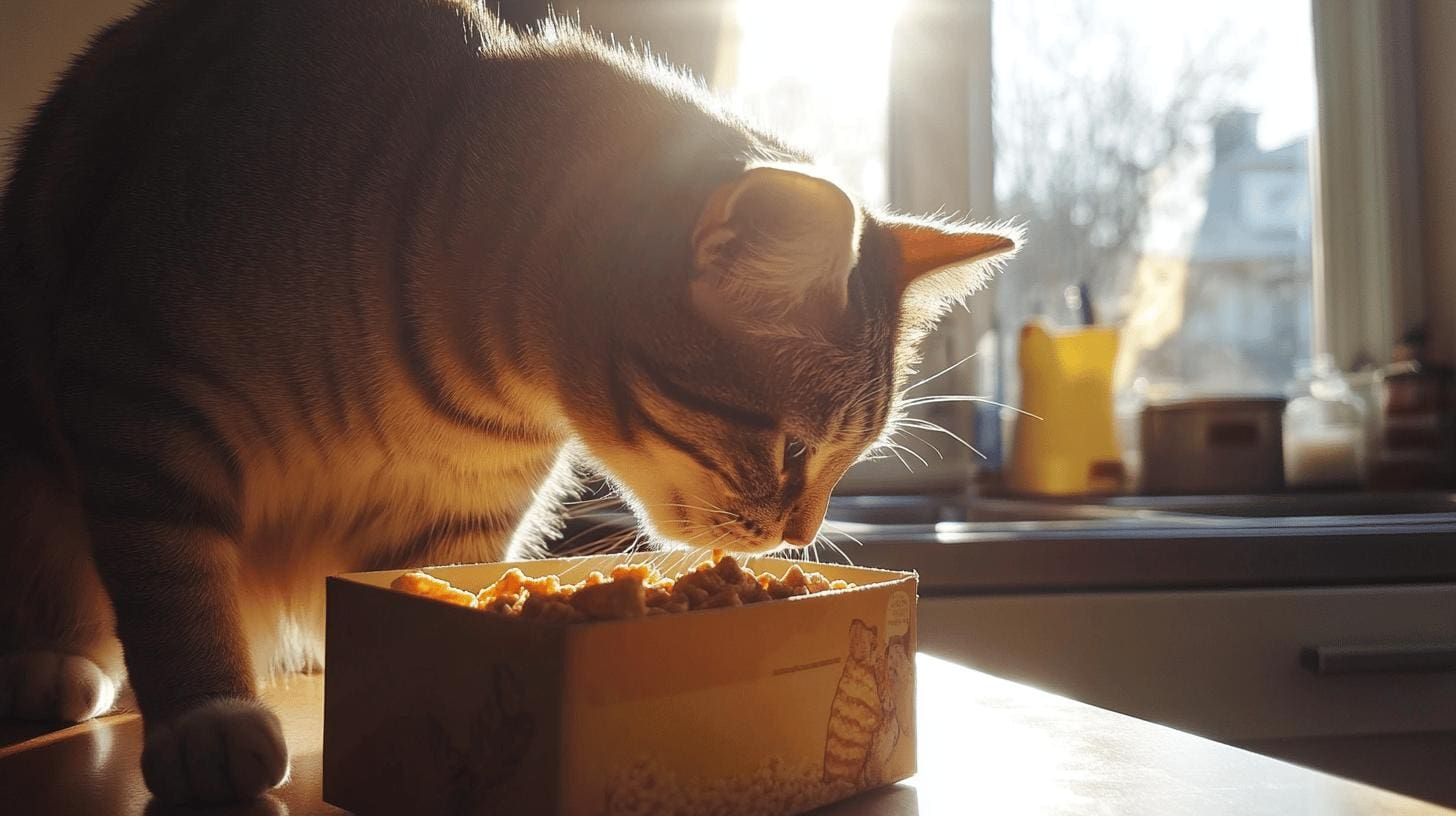
Cereal isn't a necessary part of a cat's diet. It lacks nutritional value and can be high in carbohydrates and sugars, which aren't beneficial for cats. If you decide to offer cereal as a treat, choose plain varieties without added sugars or harmful ingredients like chocolate. Remember, cereal should be an occasional snack, not a replacement for regular meat-based meals. Be mindful of lactose intolerance and gluten allergies, ensuring your cat's safety and health.
- Do: Offer cereal in small quantities and only occasionally.
- Do: Choose plain cereals without added sugars or flavors.
- Do: Ensure the cereal is free of harmful ingredients such as chocolate.
- Don't: Use cereal as a substitute for a balanced cat food diet.
- Don't: Mix cereal with milk, as many cats are lactose intolerant.
- Don't: Provide cereals that contain gluten if your cat has known intolerances.
Prioritize their carnivorous diet to keep your cat healthy and happy.