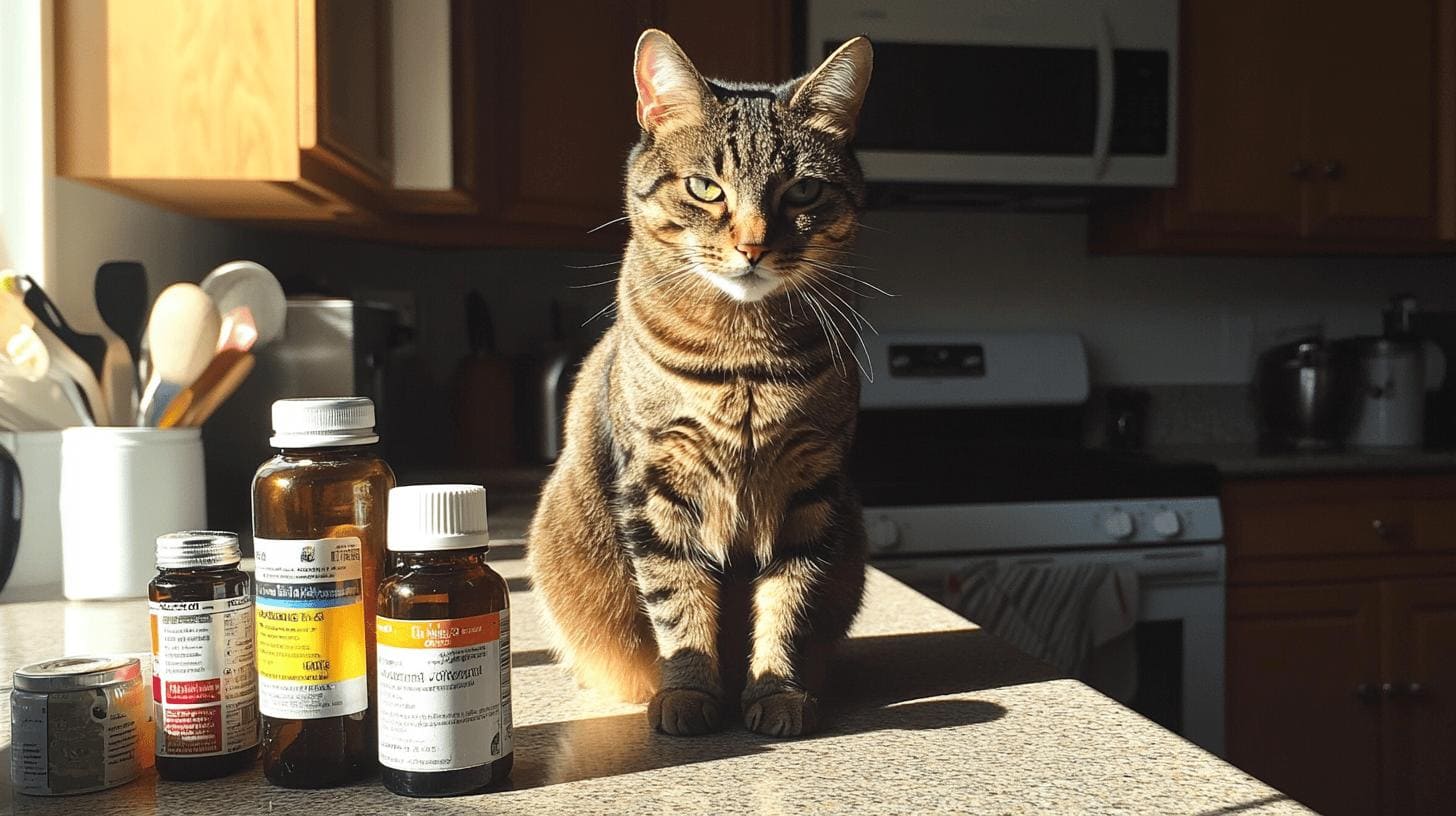
Is feeding your cat coconut a tropical treat or a potential hazard? As cat lovers, we often wonder if our furry friends can share the foods we enjoy. While coconut might seem like a harmless indulgence, it doesn’t meet the specific dietary needs of our feline companions.
Cats are obligate carnivores, needing diets rich in animal proteins. Coconut’s high potassium levels can upset this balance, posing health risks. In this article, I’ll explain the risks and benefits of coconut for cats, helping you make informed choices for their safety and well-being.
Can Cats Eat Coconut Safely and Its Nutritional Impact?
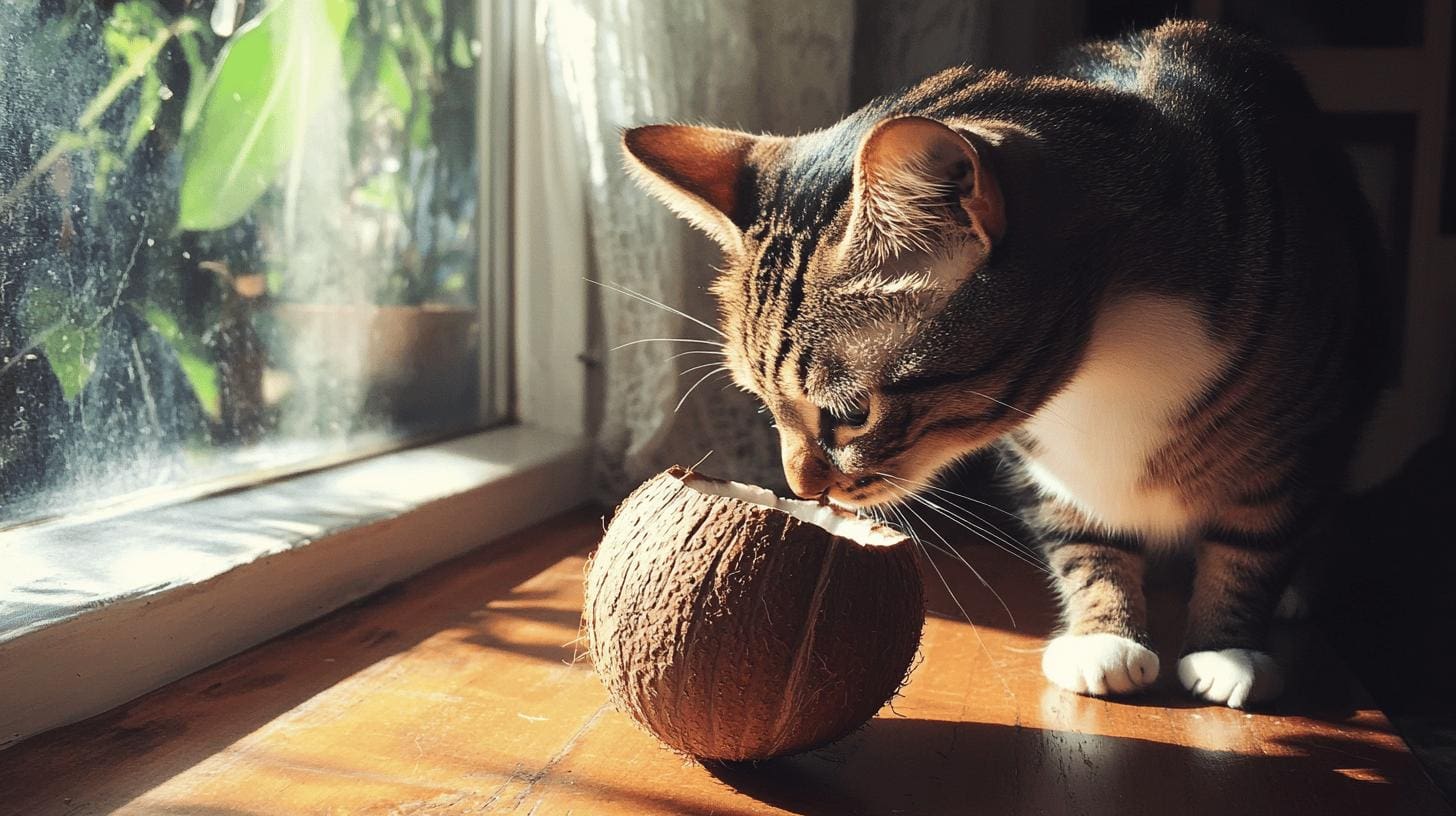
Coconut is generally not suitable for cats due to their unique dietary needs. Cats are obligate carnivores, meaning their diet should primarily consist of animal-based proteins. This is essential for maintaining their health and vitality.
Coconut, being a plant-based food, does not fulfill these requirements. While it might seem like a tasty treat to us, it lacks the necessary nutrients that cats need to thrive.
Feeding coconut to cats can pose several health risks. One major concern is its high potassium content, which can lead to imbalances and severe health issues such as hyperkalemia. This condition can affect a cat’s heart function and overall well-being.
Additionally, cats have sensitive digestive systems, and introducing coconut into their diet can result in stomach upsets, including diarrhea and vomiting. These symptoms can be distressing both for the cat and the owner.
Nutritionally, coconut contains some protein, iron, and manganese, but these are not sufficient for a cat’s dietary requirements. Cats need specific animal-based nutrients, such as taurine, which are not found in coconut.
While coconut might offer some minerals, it cannot replace the essential vitamins and amino acids that cats obtain from meat. Relying on coconut as a regular food source would lead to nutritional deficiencies over time.
Coconut oil, on the other hand, can be beneficial for a cat’s skin and coat health. When used in moderation, it may help improve fur texture and reduce dry skin. However, it should still be given cautiously.
Excessive use of coconut oil can lead to weight gain and pancreatitis, as it is high in fat. It’s crucial to consult with a veterinarian before adding coconut oil to your cat’s diet to ensure it aligns with their health needs.
- Cats’ unique dietary needs require animal-based proteins.
- Coconut can cause potential health risks like digestive issues and potassium imbalance.
- Nutritional deficiencies can occur as coconut lacks essential cat nutrients.
- The importance of veterinarian consultation before introducing coconut.
- Coconut oil can benefit skin and coat but must be used in moderation.
Different Forms of Coconut and Their Effects on Cats
Coconut milk is not suitable for cats. It’s high in fat and can upset their delicate digestive systems. Cats are often lactose intolerant, and coconut milk can lead to stomach issues similar to those caused by dairy products. If ingested, it might result in diarrhea or vomiting, making it a poor choice for a feline treat.
Coconut water, despite being hydrating for humans, poses a risk for cats due to its high potassium content. This can lead to hyperkalemia, a condition that affects heart function and can be life-threatening. Cats do not require the electrolytes found in coconut water, and their bodies are not equipped to handle the excess potassium.
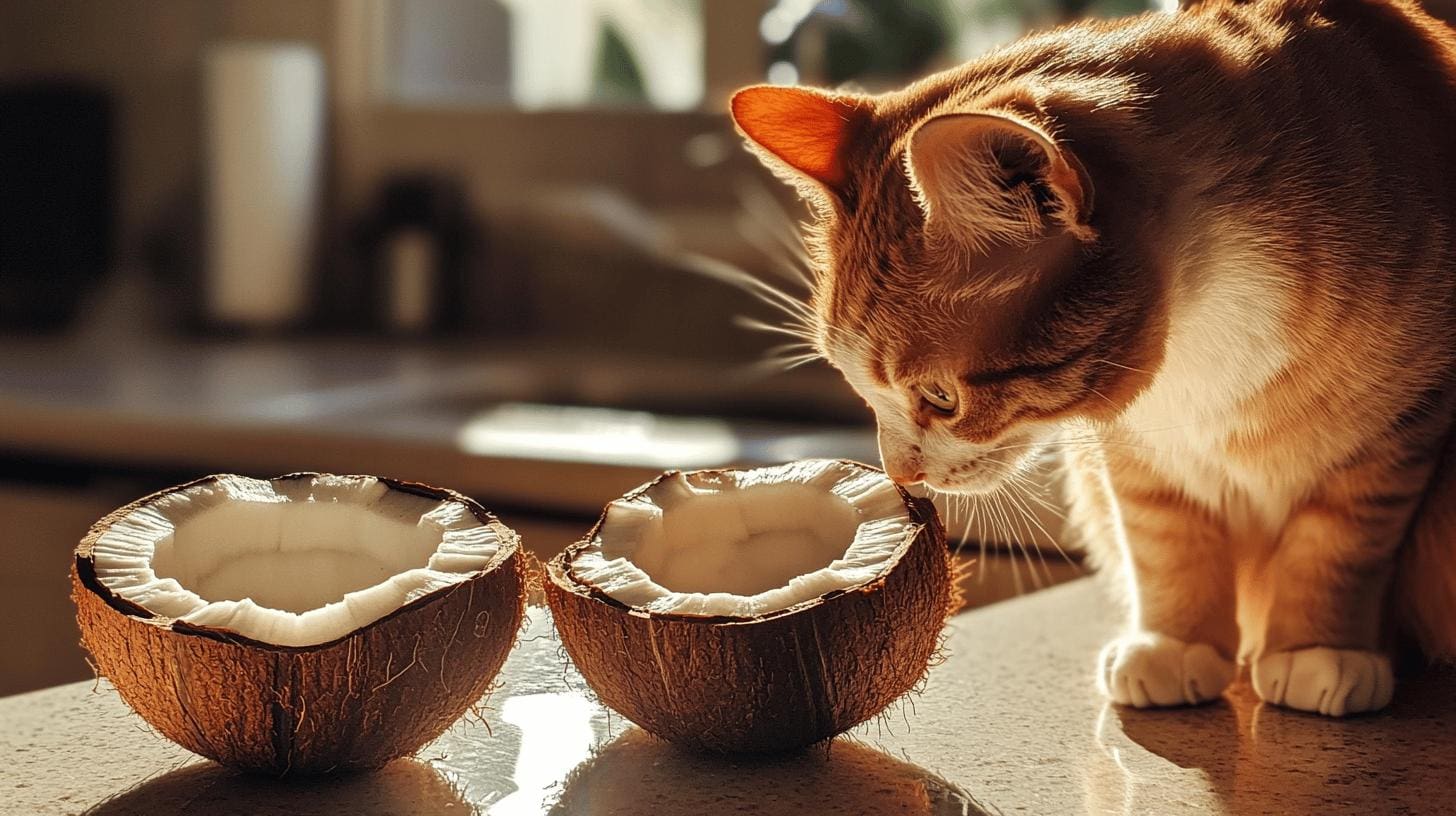
Freshly shredded coconut can be a safe, occasional treat for cats, but only in small amounts. Its texture might be appealing to some cats, and it can provide a novel experience without significant health risks if given sparingly. Always monitor your cat for any adverse reactions after trying new foods.
Coconut jelly is another form that should be approached with caution. While it might seem harmless, the added sugars and preservatives often found in commercial coconut jelly can be harmful to cats. It’s best to avoid giving coconut jelly to your feline friend to prevent potential digestive issues and other health concerns.
| Coconut Form | Suitability for Cats |
|---|---|
| Coconut Milk | Not Suitable |
| Coconut Water | Not Suitable |
| Freshly Shredded Coconut | Occasional Treat in Small Amounts |
| Coconut Jelly | Not Suitable |
How to Safely Introduce Coconut to Your Cat’s Diet
When integrating coconut into a cat’s diet, it’s important to focus on moderation and veterinarian guidance. While coconut can offer health benefits, cats require animal-based proteins to meet their nutritional needs. Consulting a veterinarian ensures that coconut is suitable for your cat and helps avoid adverse effects. Coconut should complement, not replace, the essential nutrients in your cat’s diet.
To apply coconut oil safely, start with a small amount. A quarter teaspoon mixed into their food twice a week is a good starting point. Observe your cat’s reaction and adjust as necessary. Using pure coconut oil without additives is important. This practice can improve your cat’s skin and coat health without overwhelming their system.
Offering freshly shredded coconut as a treat can add variety. Keep the serving size minimal to avoid digestive issues. If your cat enjoys it and shows no adverse reactions, it can remain a rare, enjoyable treat. Monitoring their response is crucial to ensure they tolerate coconut well.
- Consult a Veterinarian: Obtain professional advice to confirm coconut is safe for your cat.
- Start Small: Introduce a minimal amount of coconut oil or shredded coconut to gauge tolerance.
- Watch for Reactions: Monitor for digestive upset or allergic reactions.
- Adjust as Needed: If tolerated, continue offering coconut in moderation.
- Maintain a Balanced Diet: Ensure coconut does not replace essential nutrients.