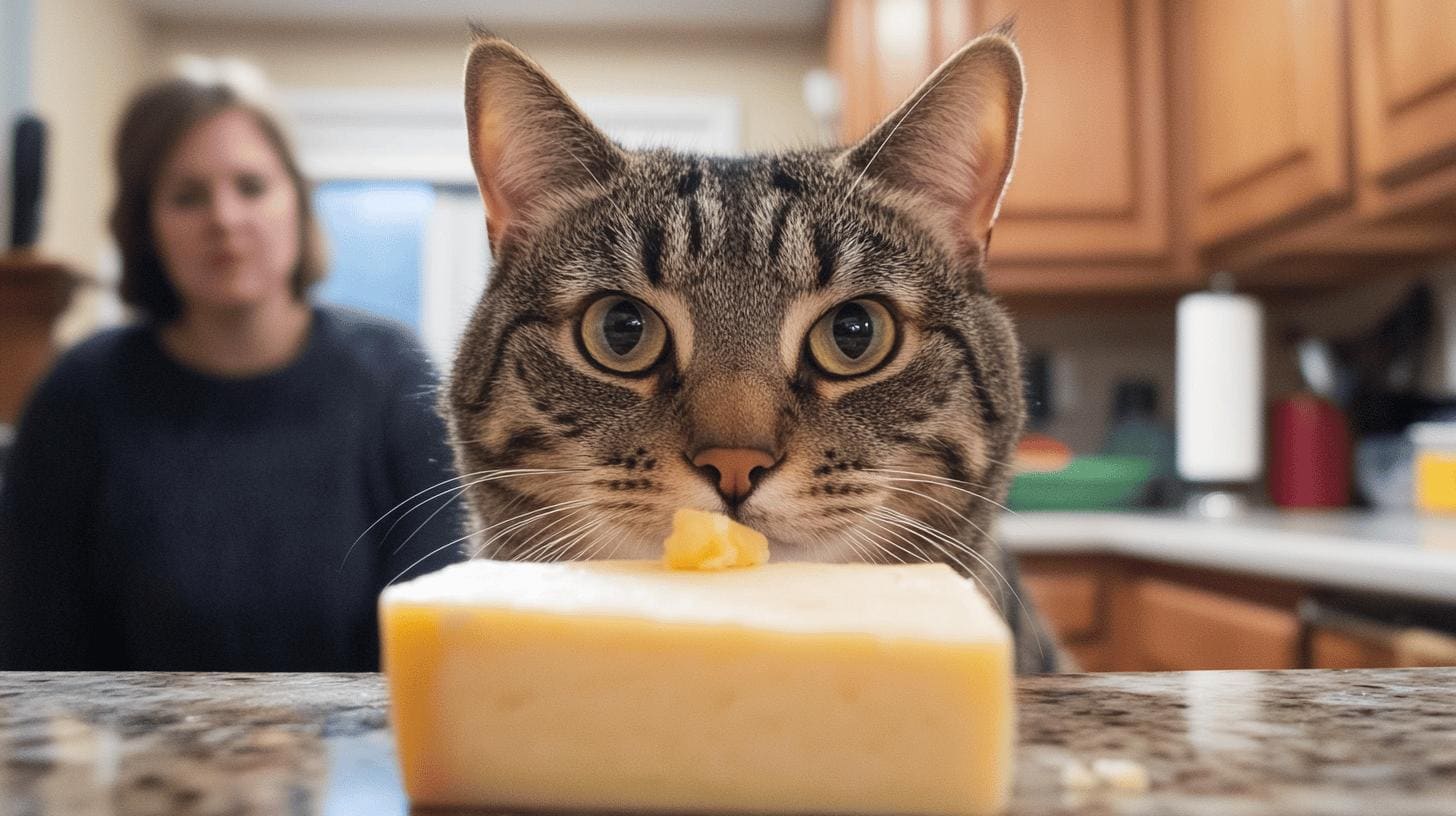
Can cats enjoy the creamy delight of cottage cheese safely? It's a tempting question for cat lovers. You might be curious about sharing this snack with your furry friend, but is it wise? Cats can nibble on cottage cheese occasionally, but there's a catch.
Many cats struggle with lactose, which can lead to tummy troubles. But with the right approach, you can treat your kitty without the risks. Let's explore how cottage cheese can fit into a safe and enjoyable part of your cat's snack time.
Can Cats Eat Cottage Cheese?

Cats can eat cottage cheese, but moderation is key. While cottage cheese for cats can be an occasional treat, it's not without risks. The primary concern is its high lactose content, which can lead to gastrointestinal issues. Cats often lack the necessary lactase enzymes to digest lactose, making them susceptible to nausea, vomiting, diarrhea, and abdominal pain.
Despite these risks, cottage cheese does offer some benefits. It provides protein, which is essential for a cat's diet. However, the high lactose levels can overshadow these benefits if consumed regularly. It's important to monitor your cat for any adverse reactions when introducing cottage cheese.
Remember, cottage cheese should not become a staple in your cat's diet. Offering it sparingly and observing your cat's reaction can help avoid digestive issues.
Cottage Cheese for Cats: Benefits, Risks, and Lactose Intolerance

Cottage cheese can be a tasty treat for your feline friend, but there are important things to consider before offering it to your cat. While it is a decent source of protein, supporting muscle development and energy levels, there are significant concerns about lactose intolerance.
Adult cats naturally have low levels of lactase enzymes, which are needed to break down lactose, the sugar found in dairy products. Without enough lactase, they can experience a range of uncomfortable symptoms:
- Nausea
- Vomiting
- Diarrhea
- Abdominal pain
- Bloating
- Skin rashes
- Itchiness
Understanding the biological reasons behind lactose intolerance in cats is crucial. Cats produce less lactase as they age, making it difficult to digest dairy without adverse effects. This is why cottage cheese and other dairy products can cause gastrointestinal discomfort.
For cats with lactose intolerance, skin rashes and itchiness are additional symptoms not always discussed, adding to potential discomfort.
If you choose to offer cottage cheese, do so sparingly and monitor your cat's reaction. If any symptoms arise, it's wise to discontinue feeding and consult with a veterinarian. Instead, consider alternative treats specifically designed for cats with lactose intolerance for a safer option.
Comparing Cottage Cheese with Other Dairy Products for Cats

Cheddar Cheese
Cheddar cheese is often mentioned as a safer cheese option for cats. It has a relatively low lactose content compared to other cheeses, making it less likely to upset a cat's digestion when given in small amounts.
This makes cheddar a possible occasional treat for cats, but it's important to limit the portions to avoid any digestive issues. Cats generally have a hard time digesting lactose, so even cheeses with lower lactose content should be given sparingly.
Mozzarella and Cream Cheese
Mozzarella and cream cheese are not recommended for cats. These cheeses have high lactose content, which can easily lead to gastrointestinal issues like diarrhea and vomiting. Given that cats naturally have low levels of lactase enzymes, feeding them high-lactose cheeses can cause discomfort and health risks. It's best to avoid these types of cheese altogether to keep your cat safe from potential digestive upset.
Non-Dairy and Non-Fat Cheeses
For cats who are lactose-intolerant, non-dairy or non-fat cheeses could be safer alternatives. These varieties are designed for those who cannot digest lactose well, and they might be easier on a cat's digestive system.
However, these cheeses often contain high levels of salt and fats, which are unhealthy for cats. Always check the ingredients and consult with a vet before introducing any non-dairy options to your cat's diet.
| Cheese Type | Lactose Content | Safety Rating |
|---|---|---|
| Cottage Cheese | High | Occasional Treat |
| Cheddar Cheese | Low | Safe in Small Amounts |
| Mozzarella and Cream Cheese | High | Not Recommended |
| Non-Dairy and Non-Fat Cheeses | Varies | Potentially Safer |