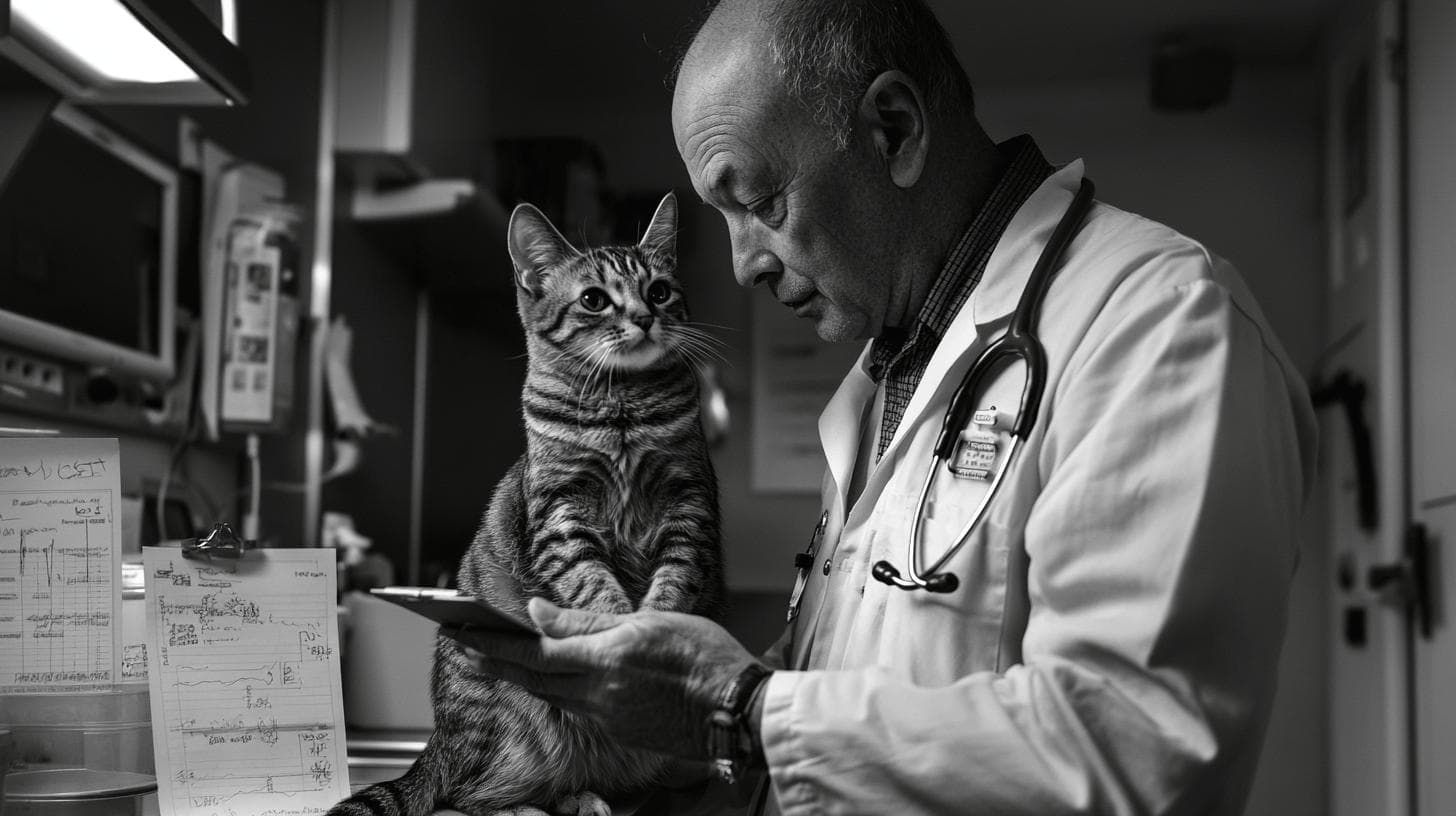
Ever wondered if your cat could share a bite of that spicy curry you love? The rich aroma might attract you and your feline friend alike, but the truth is, it's not just a harmless curiosity for cats. Curry may be a flavorful delight for humans, but it's potentially dangerous for our pets.
Packed with spices and ingredients like garlic and onions, it can pose serious health risks to your kitty. Let's explore why curry is a no-go for cats and how you can keep your curious companion safe.
Is Curry Safe for Cats?
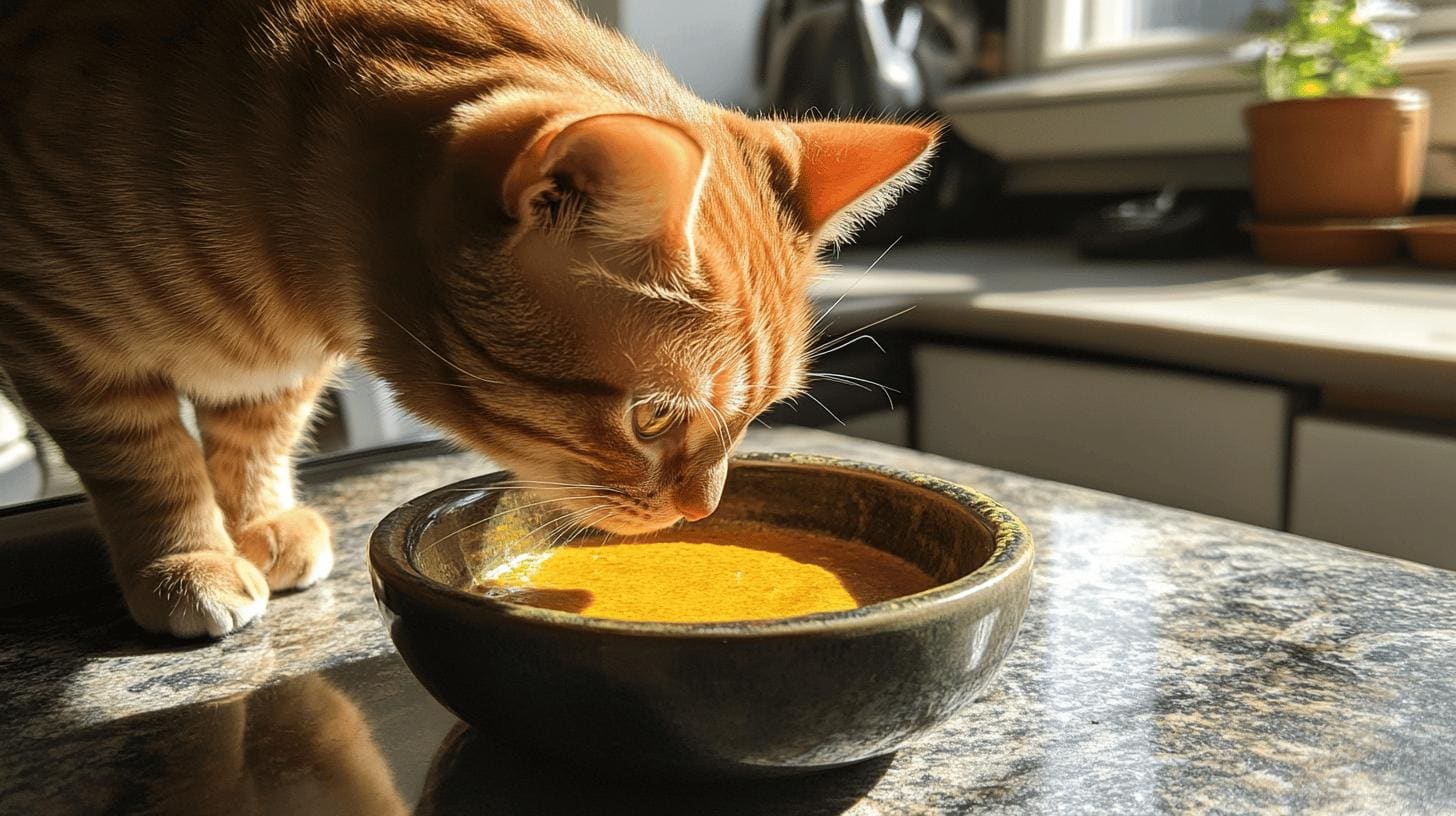
Cats are naturally curious creatures, often drawn to the aromas wafting from our kitchens. It's not uncommon to see a cat sniffing around when a spicy dish like curry is being prepared. This curiosity is usually driven by the rich scents and flavors that pique their interest.
However, no matter how interested your feline friend may seem, it's essential to recognize that what smells delicious to us can be hazardous to them. Curry, with its complex mix of spices and ingredients, is not a safe choice for cats.
Curry commonly contains ingredients such as garlic and onions, both of which are toxic to cats. These ingredients belong to the Allium family and contain sulfur compounds that are particularly harmful, even in small quantities.
When cats ingest garlic or onions, they risk developing Heinz body anemia, a condition where precipitates form in red blood cells, leading to their fragility and eventual rupture. This condition is severe and can result in significant health complications for your cat. The problem lies not only with the onions and garlic but with other spices that may be included in curries, each posing its own set of risks.
If a cat consumes curry, they may experience a range of symptoms. These can include vomiting and diarrhea, which indicate gastrointestinal upset, a common reaction to many toxic foods. More severe symptoms might involve lethargy or signs of anemia, such as pale gums and weakness.
The ingestion of harmful substances can lead to long-term health issues, requiring immediate veterinary attention to mitigate any adverse effects. Recognizing these signs early is crucial for your cat’s well-being.
It's clear that curry is not a safe food for cats. While they might be attracted to its enticing smell, the potential health risks far outweigh any momentary curiosity. To ensure the safety of your furry companion, it’s vital to keep such foods out of their reach and stick to a diet specifically designed for their nutritional needs.
| Ingredient | Potential Risk |
|---|---|
| Garlic | Heinz body anemia, gastrointestinal upset |
| Onions | Heinz body anemia, gastrointestinal upset |
| Chili Peppers | Oral irritation, digestive issues |
| Spices (e.g., cumin, turmeric) | Potential for irritation, allergic reactions |
Safe Alternatives to Curry for Cats
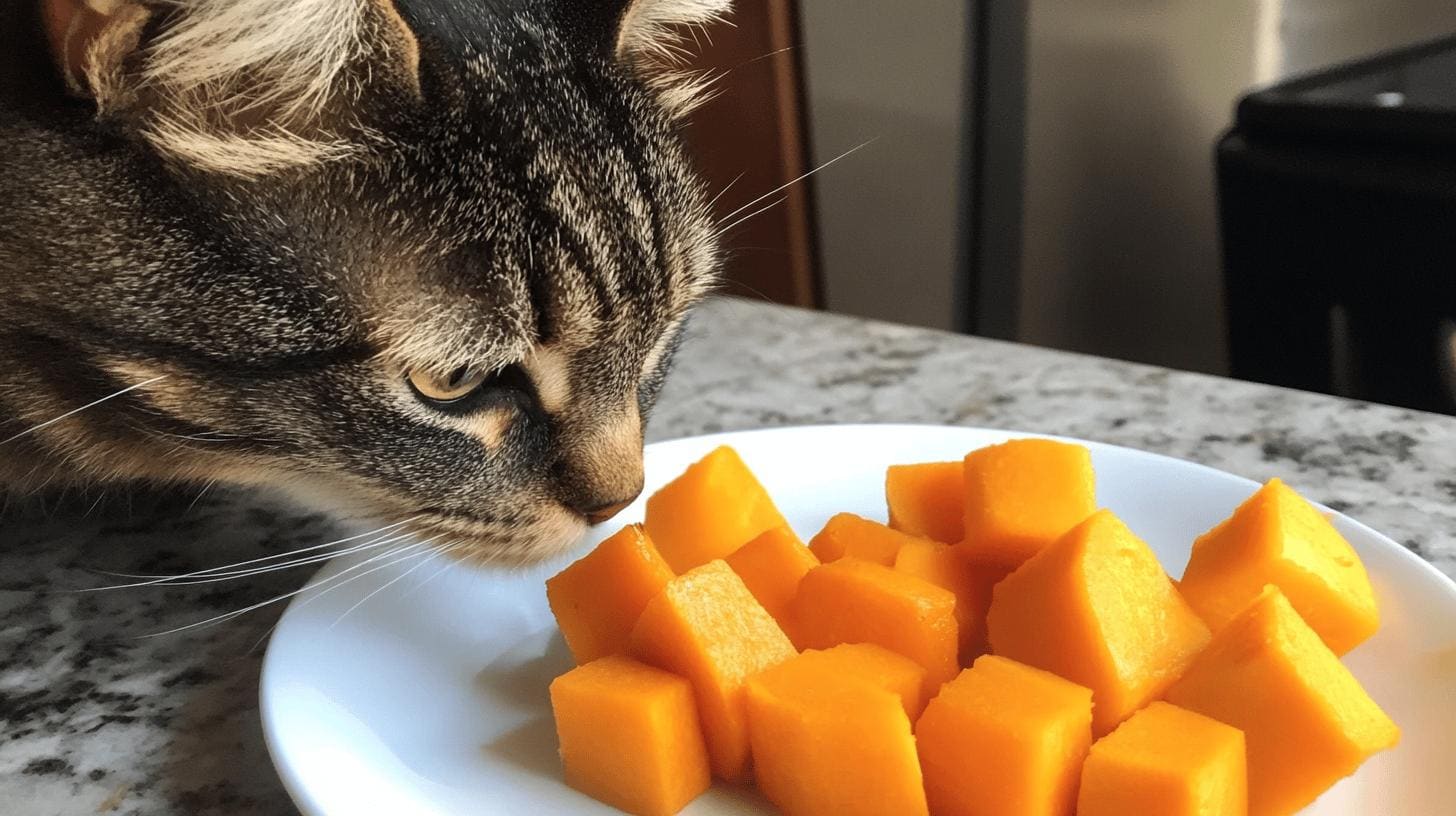
Cats often show interest in the foods we enjoy, like curry. However, it's important to prioritize their safety and health by offering them alternatives that won't pose any risks. Instead of letting them indulge in spicy dishes, we can focus on providing cat-friendly options that meet their nutritional needs.
When considering what foods are safe for cats, plain cooked chicken is an excellent choice. It's high in protein and free from harmful spices. Cheese, in small quantities, can also be a treat, offering calcium and protein.
However, since many cats are lactose intolerant, it's best to offer cheese sparingly. Another beneficial option is pumpkin, which is rich in fiber and can help with digestion. These foods are not only safe but also cater to a cat's dietary requirements as obligate carnivores, who need a diet high in protein and moderate in fat.
Consulting with a veterinarian is essential when deciding on your cat's diet. They can provide personalized advice, ensuring your cat's nutritional needs are met without any risk. Vets can recommend specific foods and offer insight into safe quantities and preparation methods. This guidance helps maintain your cat's health and prevent exposure to harmful ingredients found in human foods like curry.
For those looking to add a touch of flavor, here are some safe spices or herbs that can be used in moderation:
- Catnip
- Cat thyme
- Parsley
- Dill
- Rosemary
- Basil
Understanding the Dietary Needs of Cats
Cats are obligate carnivores, which means their bodies are designed to thrive on a diet primarily composed of meat. Their nutritional needs are quite specific, requiring high levels of protein, moderate amounts of fat, and minimal carbohydrates.
This unique dietary requirement stems from their evolutionary background, where their ancestors relied heavily on hunting for survival. Therefore, a diet rich in animal-based proteins is crucial for maintaining their health, supporting muscle development, and providing energy.
Protein plays a significant role in a cat's diet by aiding in tissue repair and enzyme production. Cats need a balanced intake of essential amino acids, which they can only obtain from animal sources. While protein is vital, their diet should also include moderate fats, which are necessary for absorbing fat-soluble vitamins and providing additional energy.
Carbohydrates, on the other hand, are not a primary source of energy for cats and should be kept to a minimum. Ensuring this balance is critical for preventing obesity and promoting overall well-being.
Veterinary advice is invaluable when it comes to managing a cat's diet. Consulting a vet can provide personalized dietary recommendations that cater to your cat's specific health needs and life stage.
Vets can help identify any dietary deficiencies or potential health risks, ensuring your cat receives a nutritionally complete and balanced diet. Regular check-ups and diet assessments are essential for adapting to any changes in your cat’s health or nutritional requirements over time.
Tips for Introducing New Foods to Cats
When introducing new foods to your cat, it's important to do so gradually. Start by mixing a small amount of the new food with their current diet and gradually increase the proportion over several days.
Monitor for any adverse reactions or digestive issues. Always ensure that the new food meets their nutritional needs and avoid any ingredients that may be harmful. Consulting a veterinarian during this process can provide additional guidance and ensure a smooth transition.