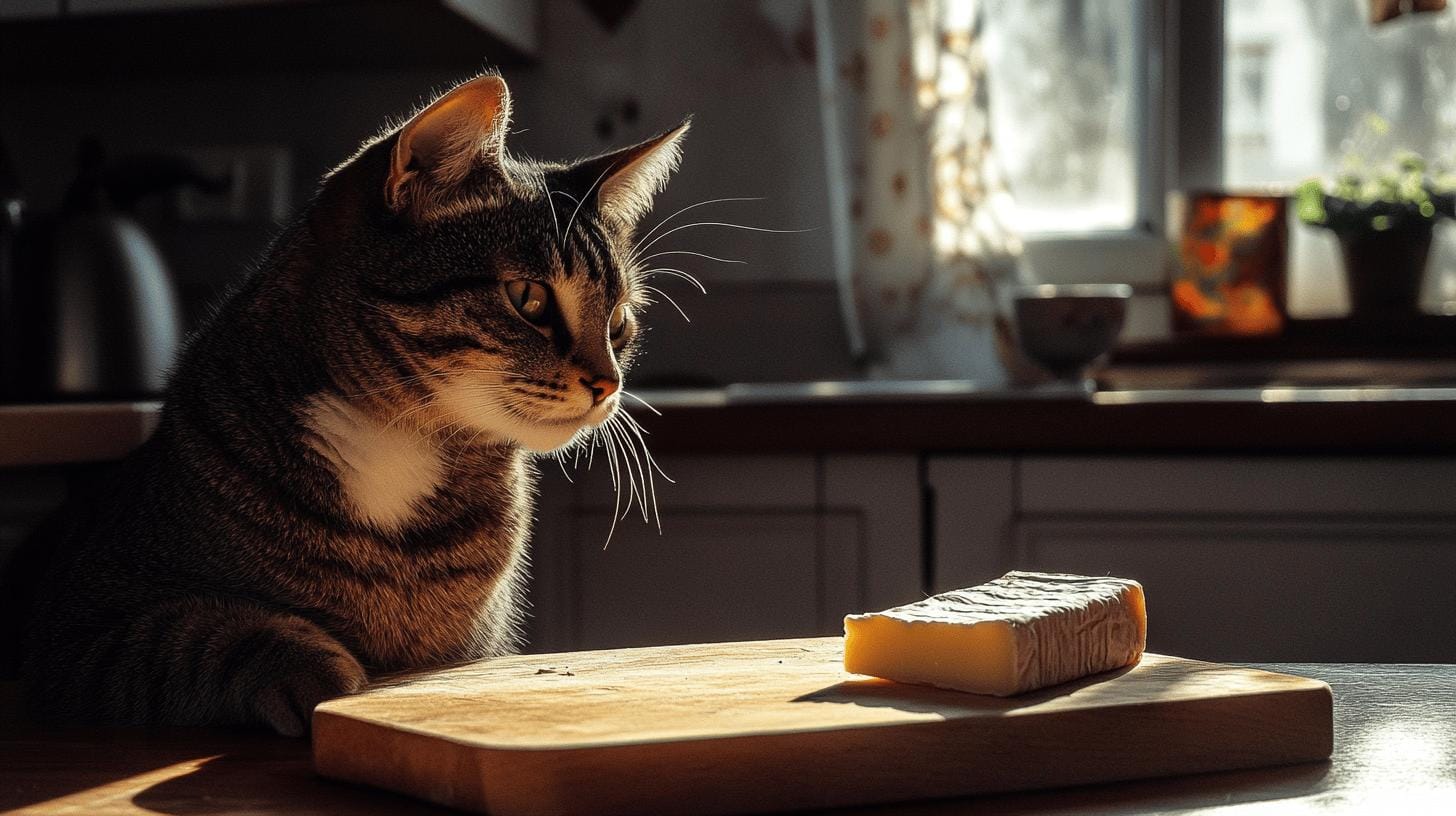
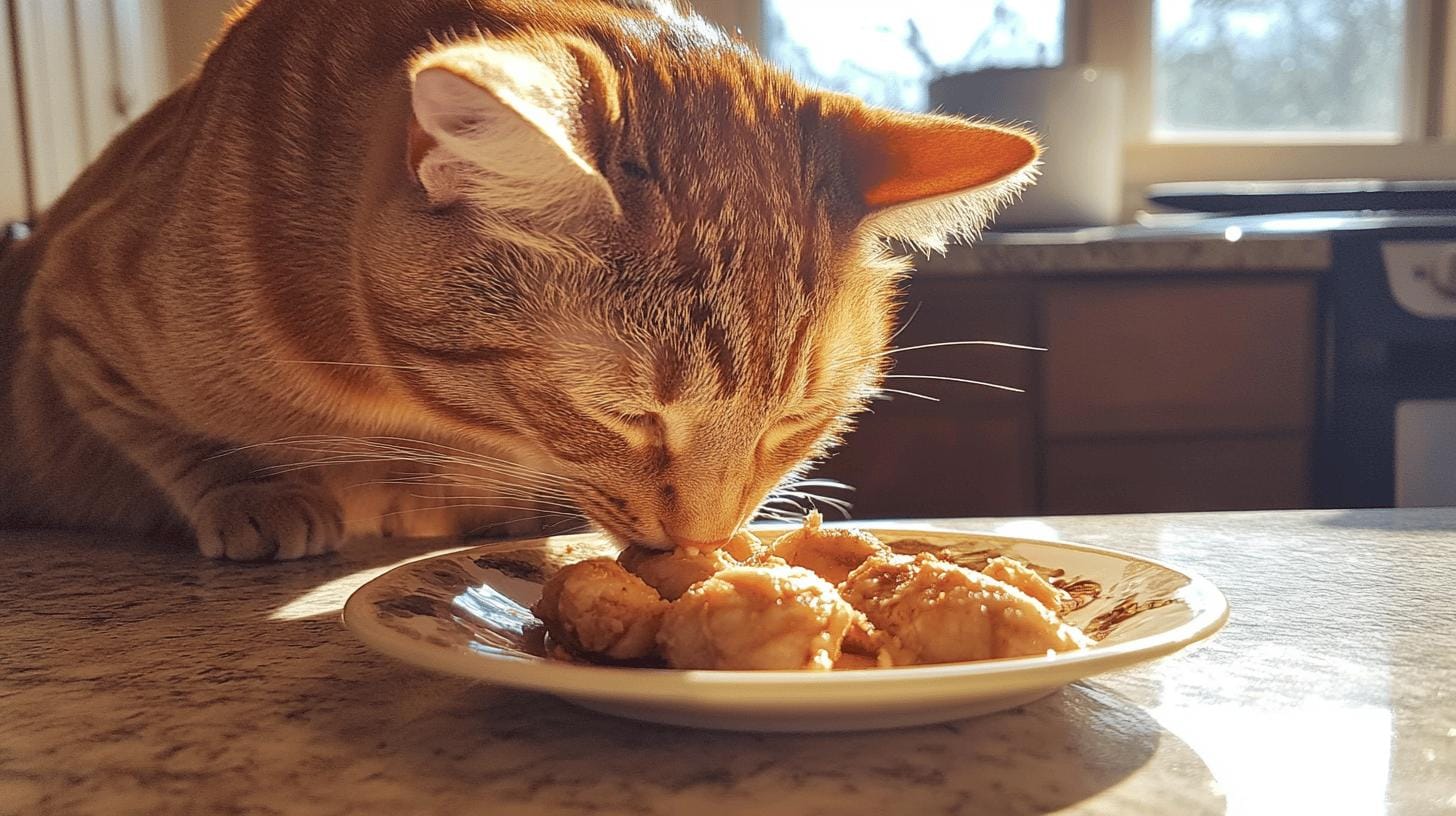
Ever caught your cat eyeing your cheese plate and wondered if goat cheese is a safe treat? While it might seem like a harmless indulgence, the idea of feeding your cat goat cheese opens up a can of worms. Many cats are lactose intolerant and cheese, with its high-fat content, can be a dietary gamble. Is it worth the risk for animals whose diets thrive on quality meats? Let's dive into whether goat cheese is a safe and nutritious option for your feline friend.
Can Cats Safely Eat Goat Cheese?
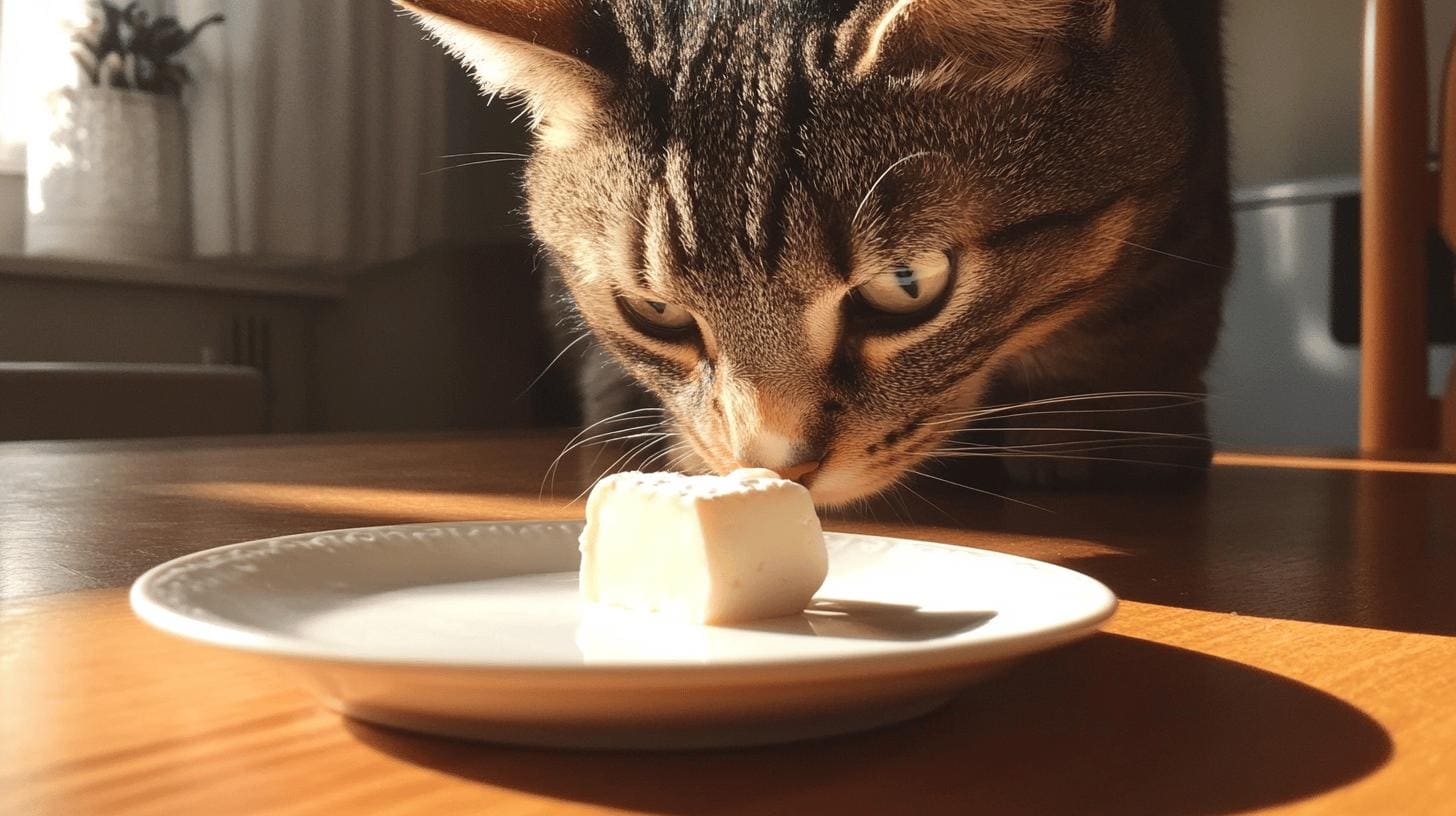
Goat cheese is often seen as a slightly safer cheese option for cats due to its lower lactose content compared to other cheeses. However, it is not entirely risk-free for our feline friends. Many cats are lactose intolerant, lacking the enzyme lactase needed to break down lactose, the sugar found in milk and cheese. This intolerance means that even goat cheese can lead to digestive issues like diarrhea or vomiting in some cats.
Goat cheese does offer some attributes, such as being lower in lactose than cow's milk cheese, which may make it marginally more tolerable. Yet, it still poses potential risks when consumed by cats. Cheese, in general, is not a necessary part of a cat's diet and lacks the essential nutrients found in their natural meat-based food sources.
Here are some potential risks and considerations when it comes to feeding goat cheese to cats:
- Digestive Upset: Even with lower lactose, goat cheese can cause stomach issues in lactose-intolerant cats.
- Lack of Nutrients: Cheese does not provide the essential nutrients that are abundant in meat, which are crucial for a cat's health.
- High Fat Content: Cheese is high in fat, which could contribute to obesity if given regularly.
- Possible Allergies: Some cats may be allergic to dairy proteins, leading to symptoms like itching or skin irritation.
Cats are obligate carnivores, relying on a diet rich in animal-based proteins to thrive. While a tiny amount of goat cheese might not be harmful occasionally, it should never replace or become a staple in their diet. Instead, focus on providing them with high-quality meats that meet their nutritional needs and support their overall health.
Understanding Lactose Intolerance in Cats
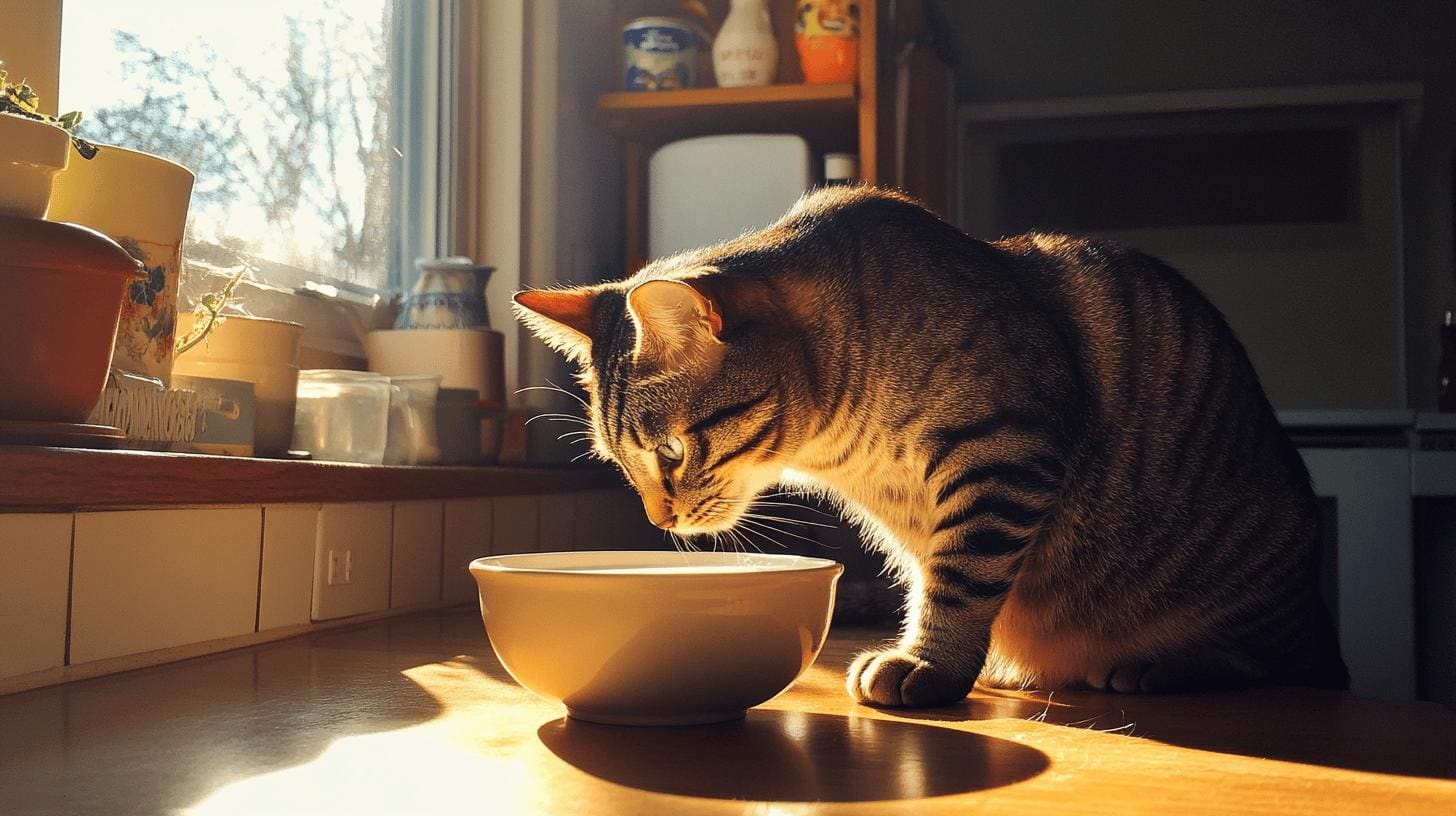
Cats, being obligate carnivores, have digestive systems tailored for meat rather than dairy. This biological design explains their common lactose intolerance. Kittens naturally produce lactase, the enzyme required to digest their mother's milk. This production declines as they mature, leaving adult cats less able to handle lactose.
The biological mechanism involves lactase production in the small intestine. In kittens, lactase levels are high to aid in digesting milk. However, in adult cats, the enzyme's production diminishes significantly, leading to lactose intolerance. This contrasts with some other animals that maintain higher lactase levels throughout their lives.
For cats, lactose intolerance can manifest in uncomfortable symptoms. Recognizing these signs is key to ensuring your cat's comfort and health.
| Symptom | Description |
|---|---|
| Diarrhea | Loose, watery stools often occurring after dairy consumption. |
| Vomiting | Expulsion of stomach contents, which can occur shortly after ingesting lactose. |
| Stomach Pain | Abdominal discomfort that may cause restlessness or vocalization. |
Transitioning your cat away from dairy products involves introducing lactose-free alternatives and gradually phasing out regular dairy. Many lactose-free treats are available, specially designed to cater to cats' dietary needs without causing discomfort. This approach helps maintain their gastrointestinal health while respecting their natural dietary requirements. Recognizing lactose intolerance and adjusting their diet can make a significant difference in their overall well-being.
Goat Cheese vs. Other Cheeses for Cats
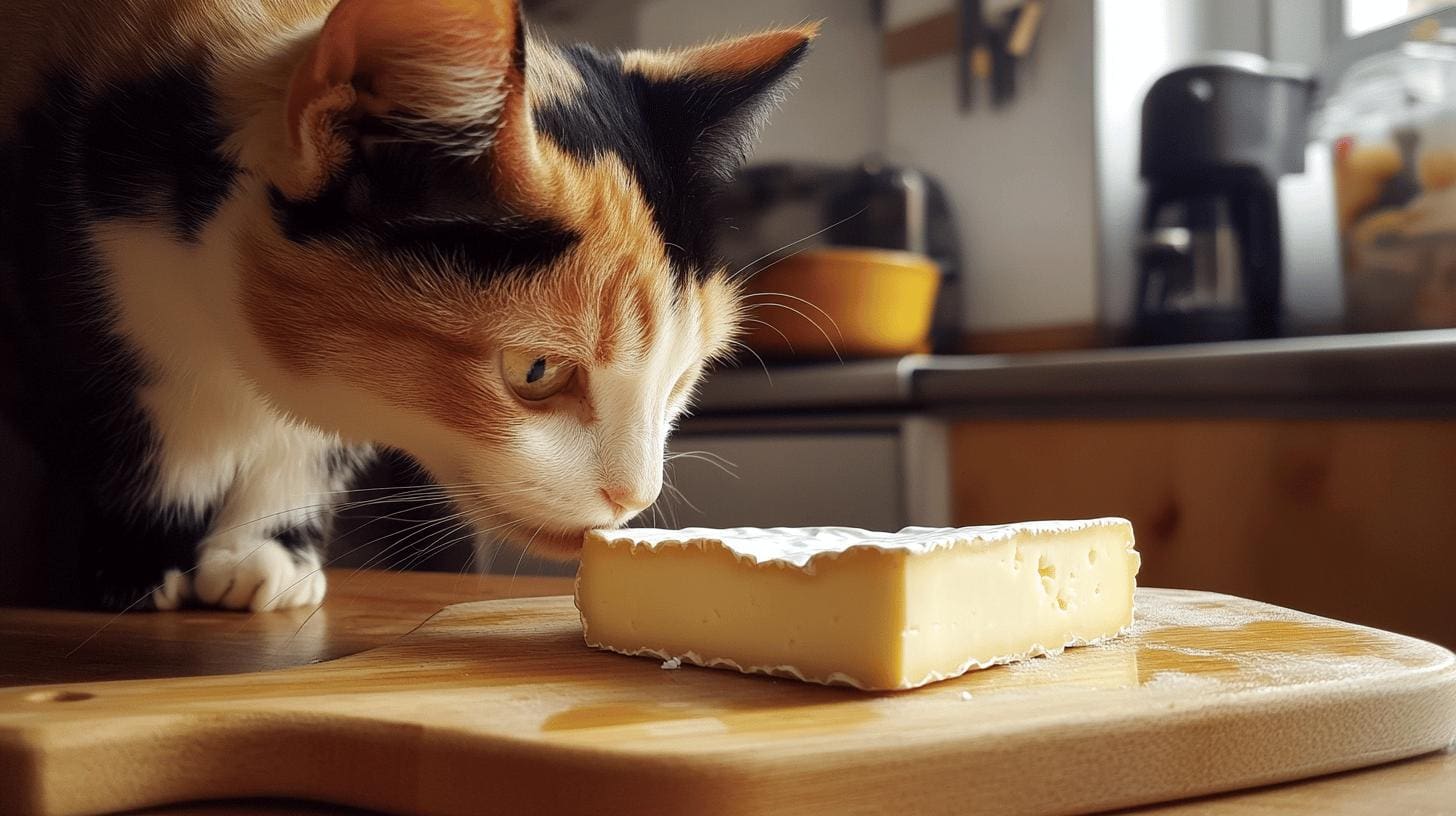
When selecting cheese for cats, comparing lactose content is key. Goat cheese has less lactose than cow cheese, which might make it slightly better for some cats. But remember, all cheese poses some risk for cats with lactose intolerance.
Hard Cheeses (e.g., cheddar, parmesan)
- Generally have lower lactose levels than soft cheeses.
- Easier for some cats to tolerate in tiny amounts.
- Can still cause digestive issues like upset stomachs if eaten frequently.
Soft Cheeses (e.g., brie, mozzarella)
- Contain higher lactose levels, posing a bigger risk for digestive problems.
- More likely to cause diarrhea or vomiting in lactose-intolerant cats.
- Best avoided to keep your cat comfortable.
For a safer alternative, try small amounts of lactose-free treats or cat-specific cheese treats. Always introduce new foods gradually, watching for any signs of digestive upset.