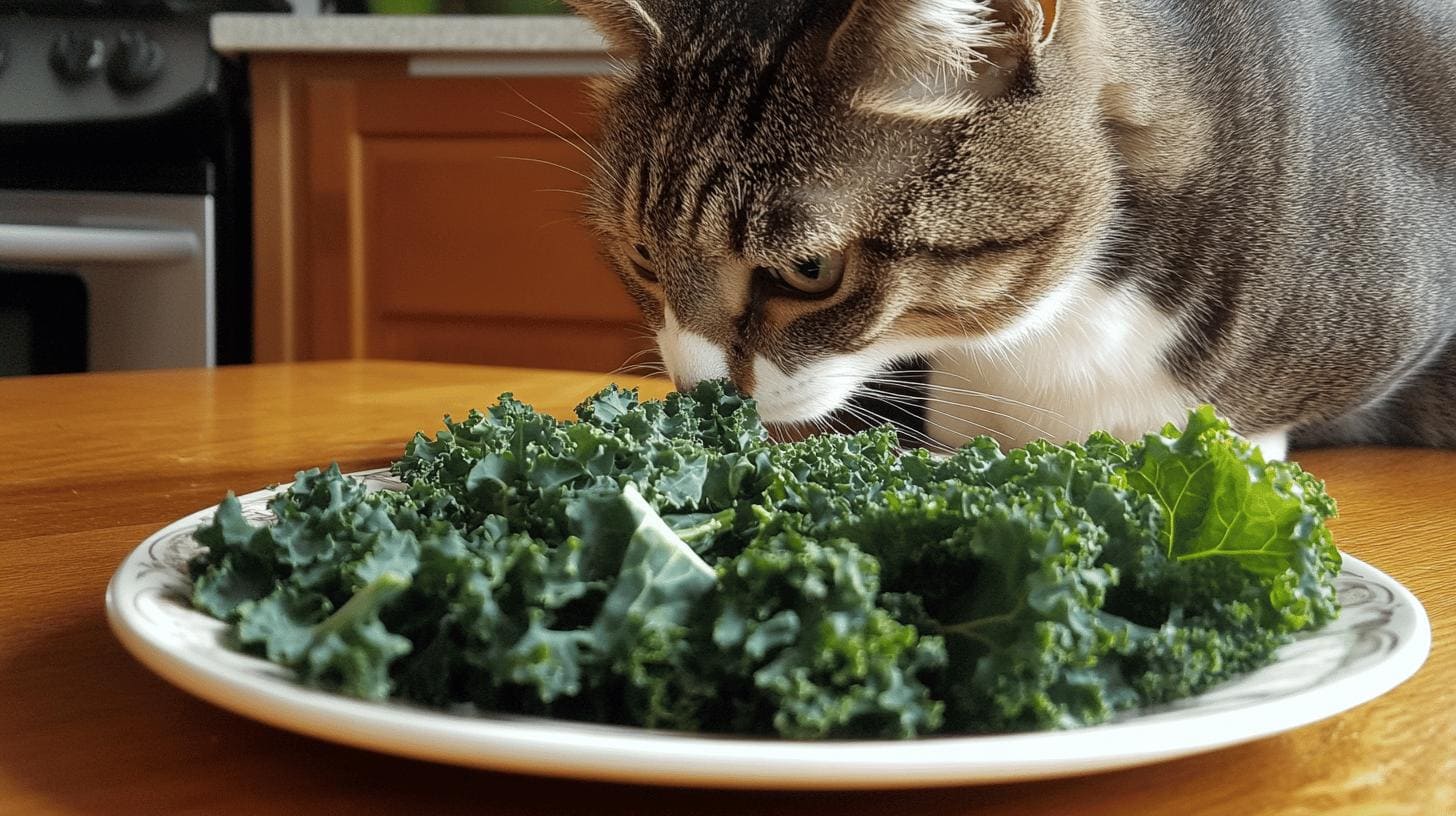
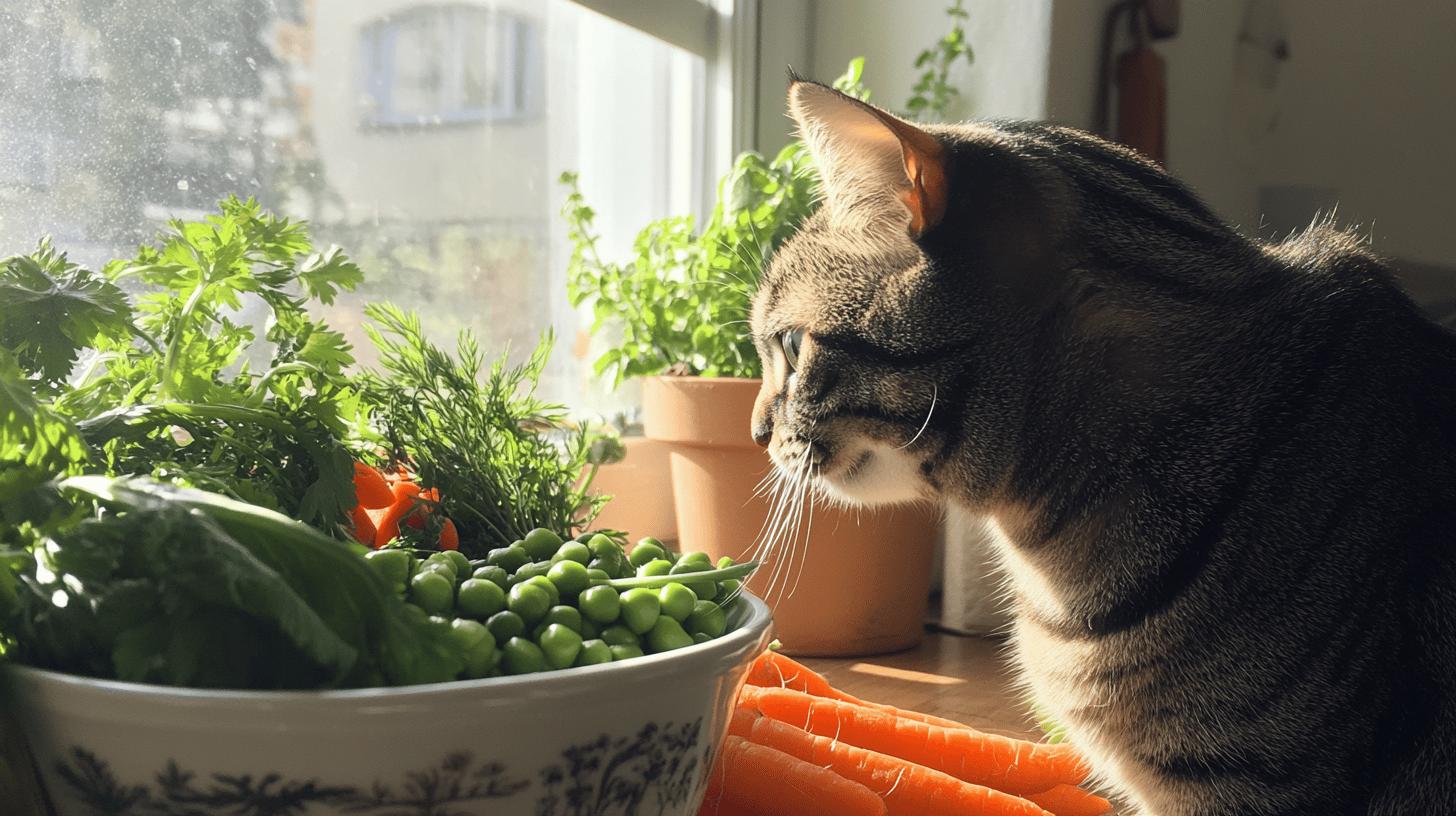
Can your cat munch on kale safely? This leafy green might seem like a strange choice for your feline friend, but it offers surprising benefits when given in tiny amounts. While kale is packed with vitamins and minerals like vitamin A and copper, it's not a replacement for the protein-fueled diet cats need. Too much can lead to problems like digestive upset or even more severe issues. Let's explore the safe way to introduce kale to your cat's diet while keeping their health front and center.
Can Cats Eat Kale Safely?
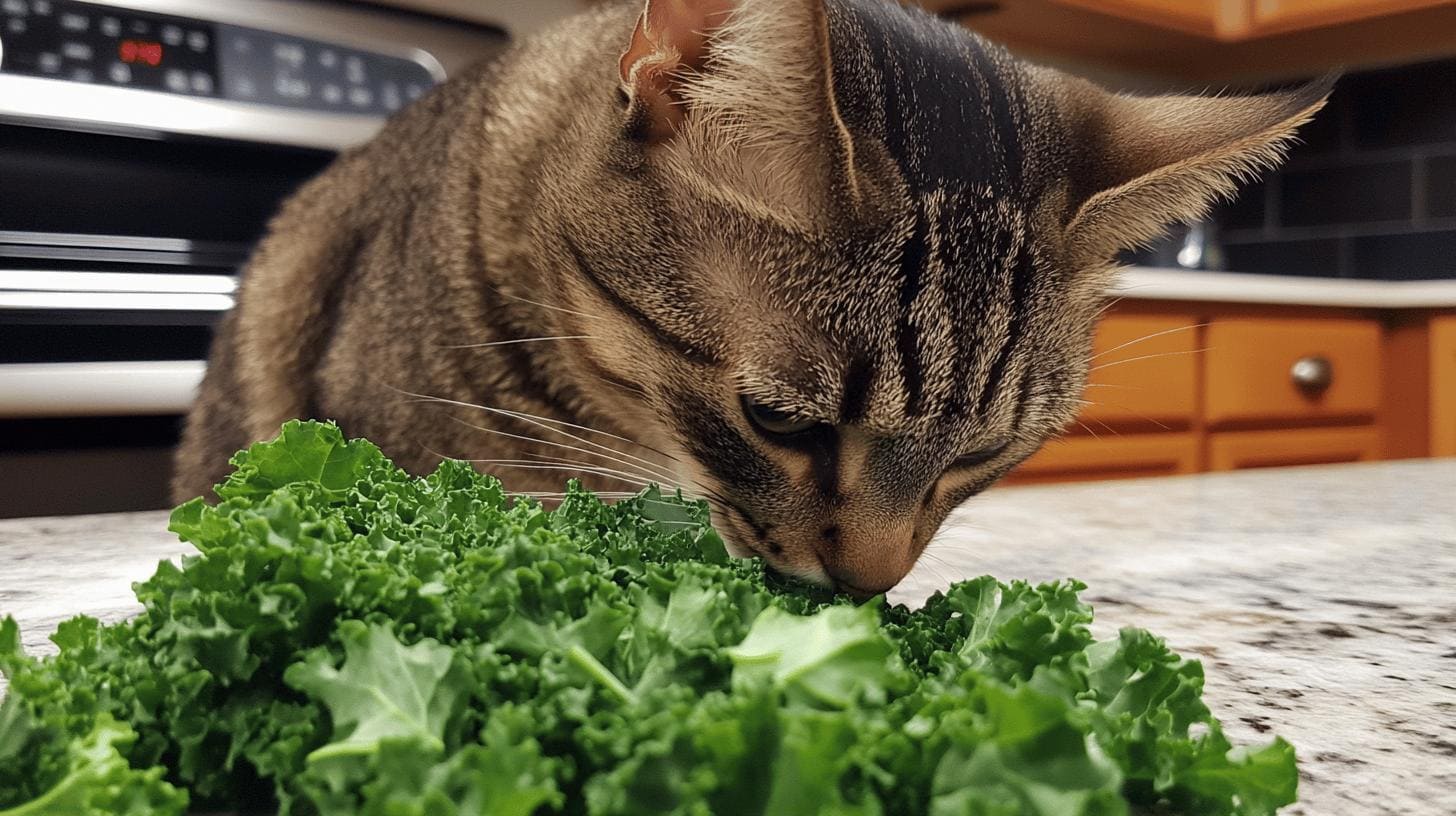
Kale can be a safe treat for cats when given in small amounts. As obligate carnivores, cats primarily need protein, but kale can be an occasional addition to their diet. It's rich in nutrients like vitamin A and copper, which are beneficial for cats, but only when consumed in moderation. Since cats require most of their nutrition from meat, kale should not make up a significant portion of their diet.
In terms of nutritional benefits, kale offers a variety of vitamins and minerals. Vitamin A supports vision and immune function, while copper aids in forming red blood cells and maintaining healthy connective tissues. Despite these benefits, the key is to ensure kale doesn't replace the primary protein sources that cats need.
Potential risks associated with kale consumption in cats include:
- Heinz body anemia: Overconsumption can lead to this life-threatening condition.
- Digestive upset: Introducing too much kale at once can cause stomach issues.
- Fiber overload: Too much fiber can interfere with nutrient absorption.
- Calcium oxalate: Present in kale, may contribute to urinary issues.
- Choking hazard: Large pieces can pose a risk if not prepared properly.
Given these risks, it's crucial to offer kale in moderation. This means keeping portion sizes small and infrequent, ensuring it remains a minor part of their overall diet. Always watch for any adverse reactions when introducing kale or any new food to your cat's diet.
Nutritional Benefits of Kale for Cats
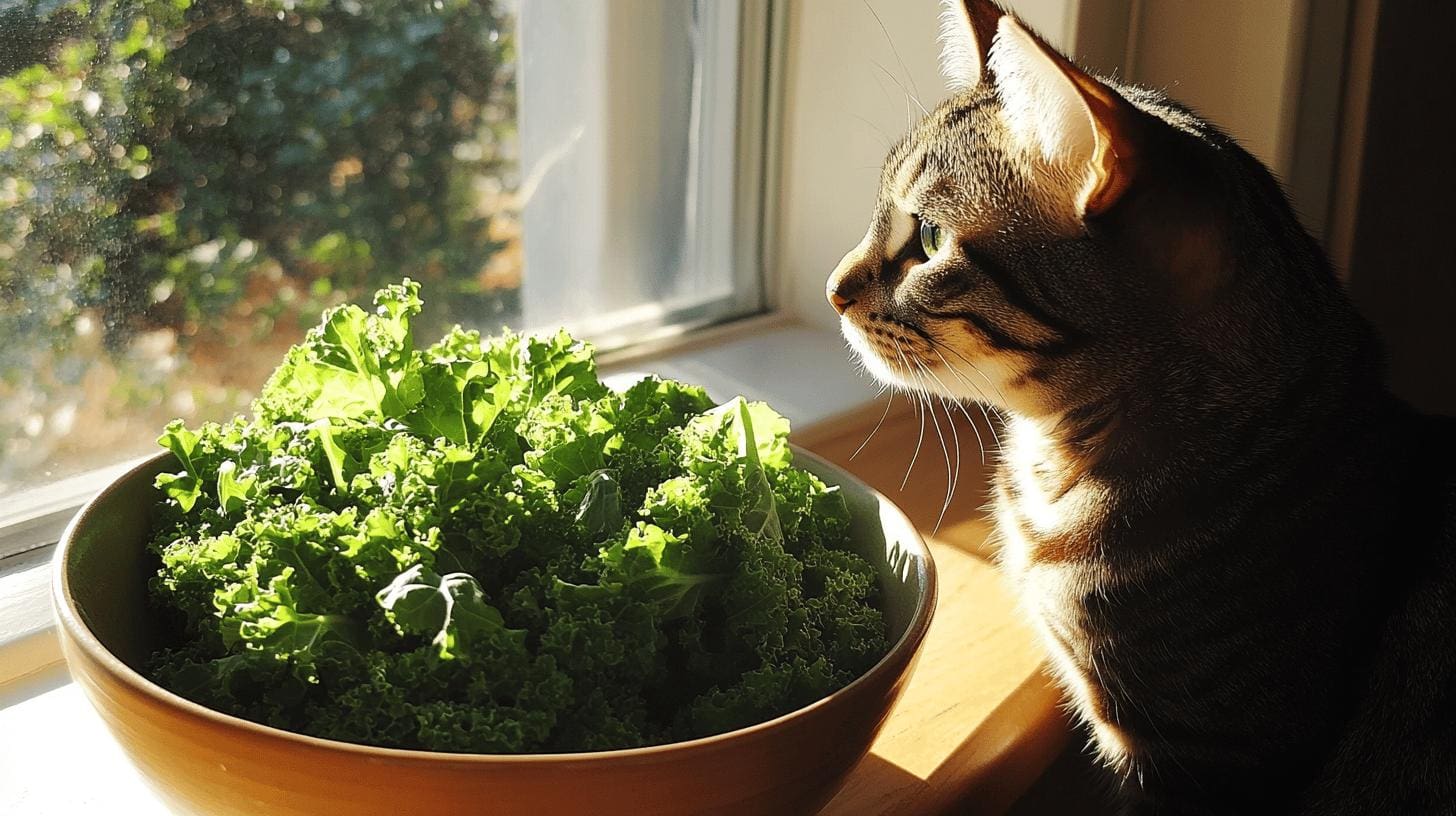
Kale can be a nutritious addition to your cat's diet when prepared correctly. While vitamin A is known for supporting vision and immune function, there are other leafy greens like spinach or Swiss chard that offer similar benefits with fewer risks. Preparing kale safely involves steaming it to soften the leaves and reduce potential thyroid interference. Always ensure it is served in small quantities mixed with their regular food.
Kale's copper content supports red blood cell formation and connective tissue health. If you're concerned about the risks of kale, consider green beans or peas as alternative sources. These alternatives provide essential minerals without the same concerns.
The dietary fiber in kale aids digestion, but there are other vegetables like pumpkin or zucchini that can offer similar digestive benefits. Gradually introducing these alternatives can help maintain a healthy digestive system for your cat.
Preparing Kale for Cats
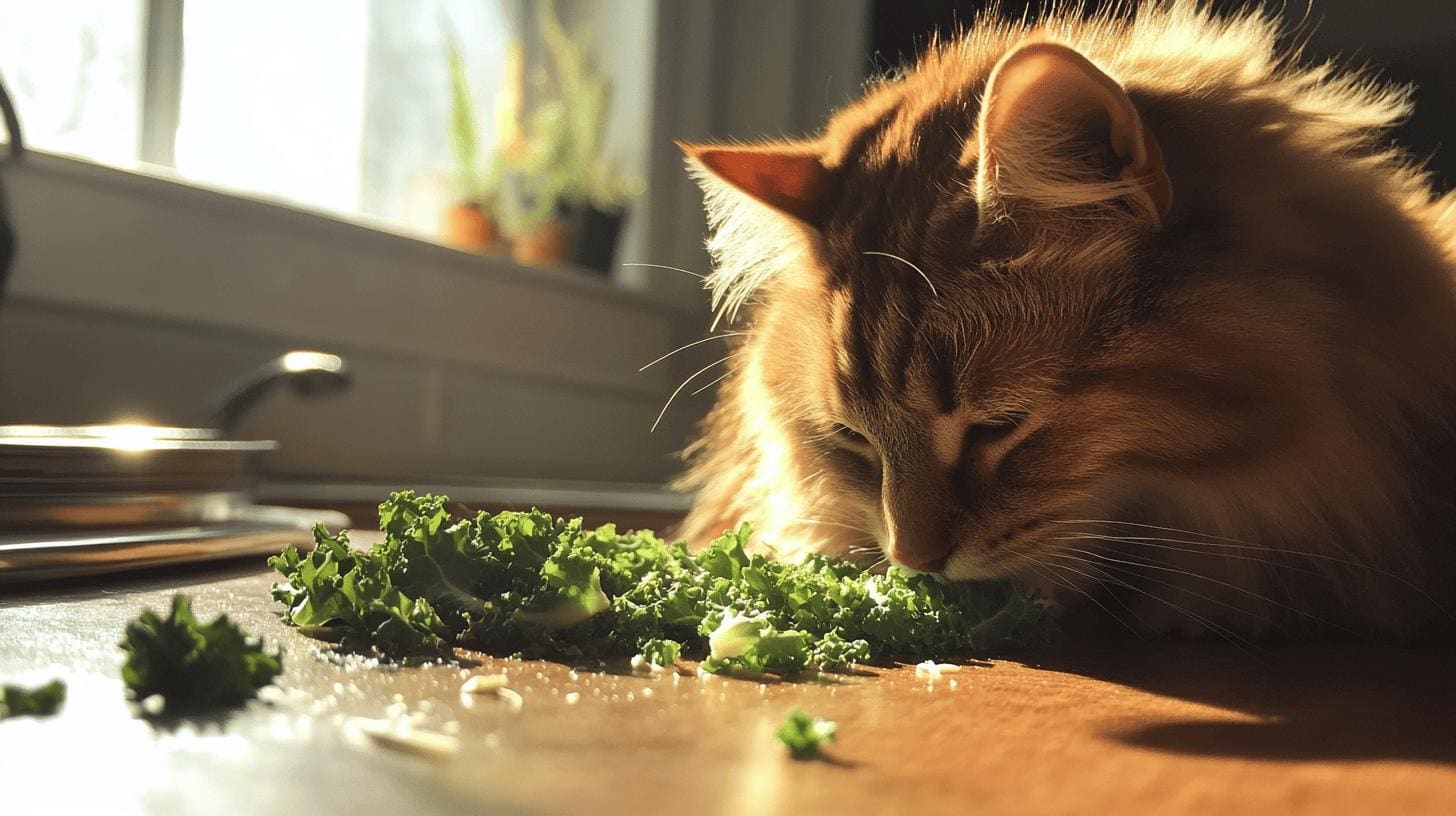
When getting kale ready for your cat, washing it thoroughly is a must. This ensures any pesticides or contaminants are removed. Though offering it raw is fine, steaming kale lightly is a safer bet. Steamed kale is softer, making it easier for your cat to chew and digest. Another key tip is to cut the kale into small, bite-sized pieces. This prevents choking and makes the kale manageable for your furry friend.
Cats thrive on a primarily meat-based diet, so kale should only be a rare treat. Keep portions tiny to avoid digestive issues. A small piece mixed into their regular food once in a while is plenty.
- Wash the kale thoroughly to remove any pesticides or dirt.
- Steam the leaves lightly to soften them.
- Cut the kale into small, manageable pieces.