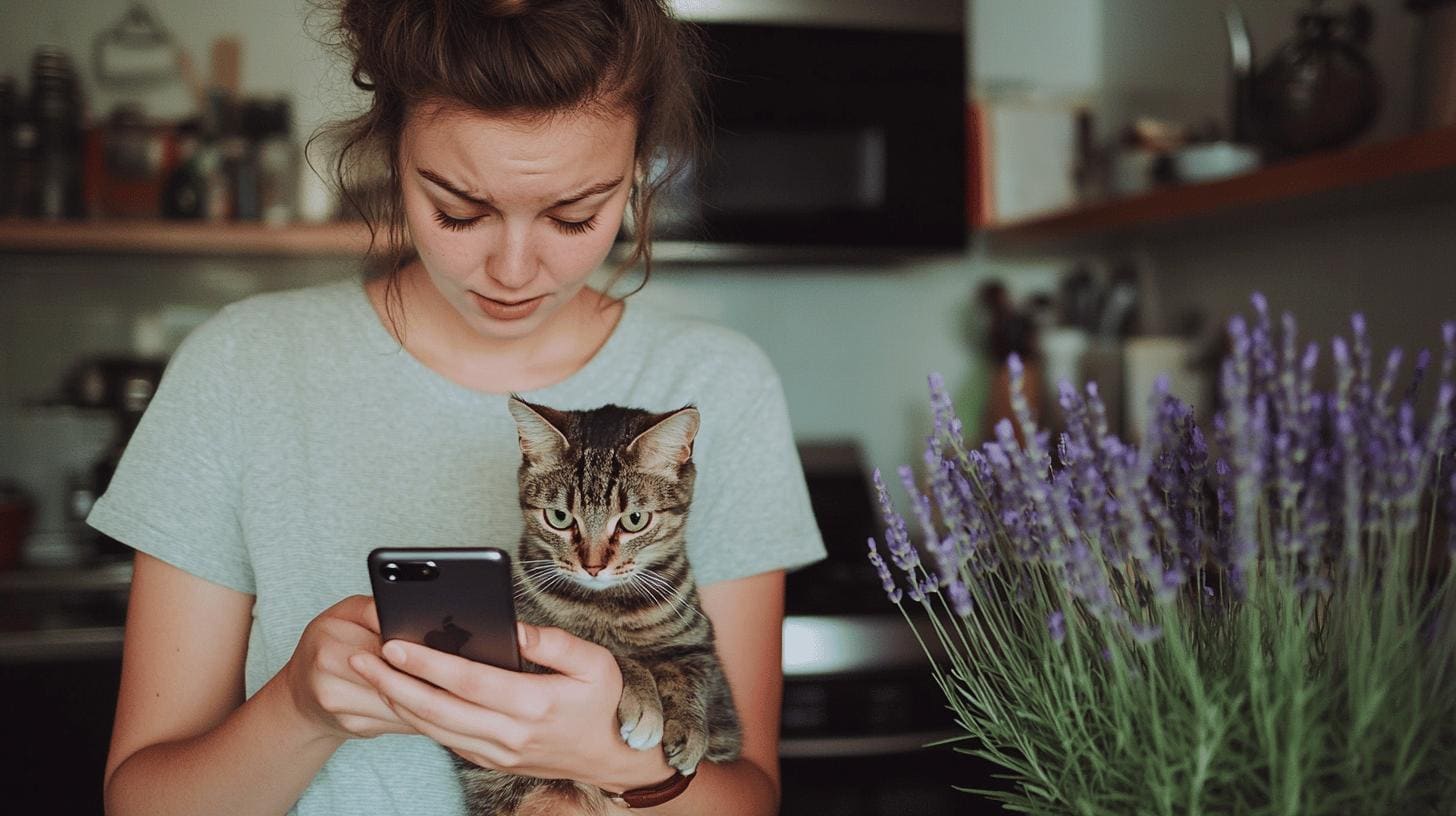
Can your cat indulge in lavender, or could it be a feline faux pas? While the soothing scent might seem harmless, the truth is that lavender harbors hidden risks for cats. Unlike humans, who often find lavender therapeutic, cats can suffer from toxic effects.
Their bodies aren't built to handle compounds like linalool and linalyl acetate found in lavender. This can lead to worrisome symptoms like vomiting and diarrhea. Knowing the risks can help keep your feline friend safe and sound. Let’s dig deeper into why cats and lavender aren't the best match.
Can Cats Safely Consume Lavender?
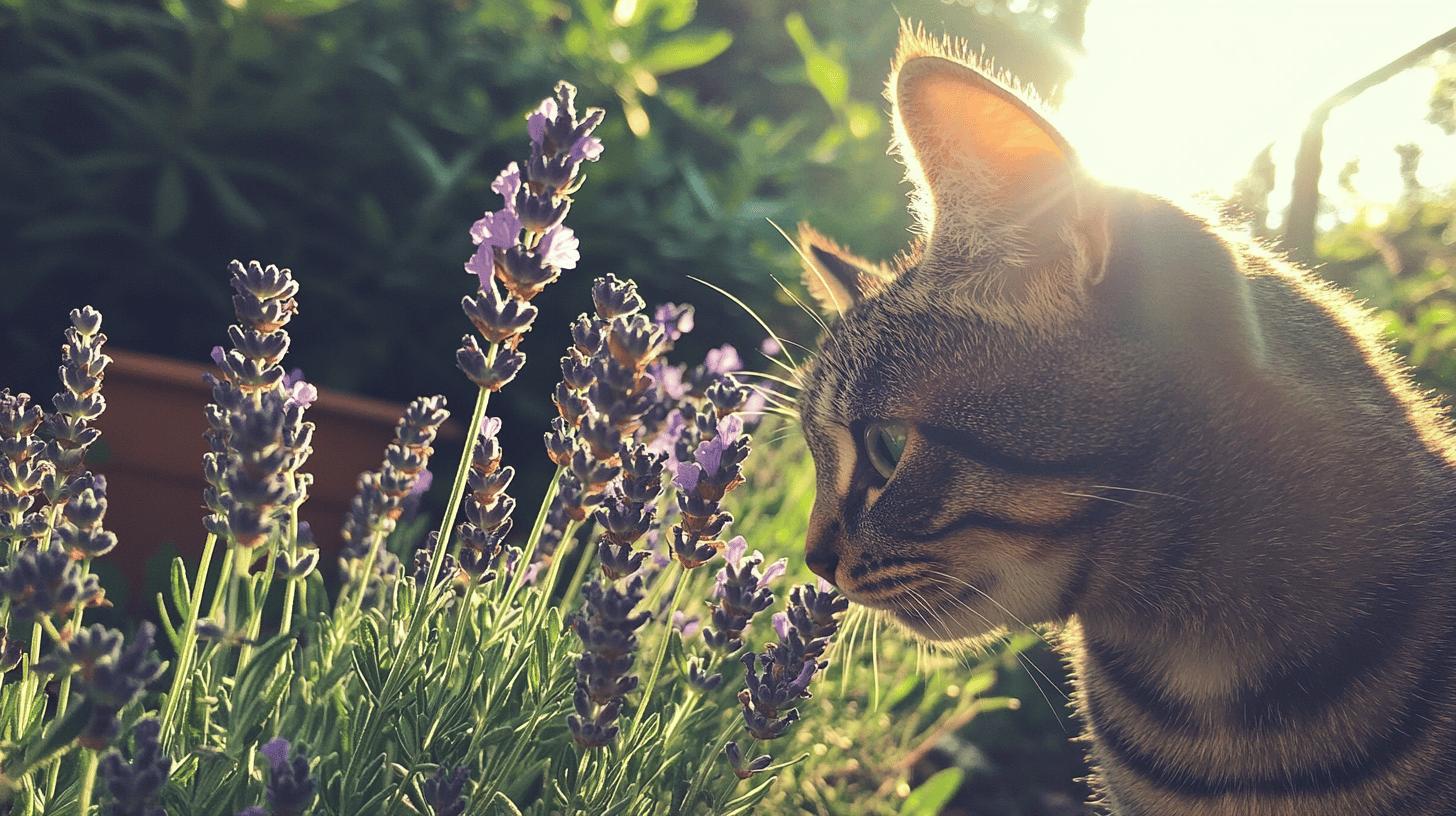
Lavender is not safe for cats to consume. This is due to the toxic compounds present in lavender, such as linalool and linalyl acetate. Cats' systems are not equipped to process these compounds, which can lead to potential poisoning.
Unlike humans, who might find lavender calming and therapeutic, cats can suffer from harmful effects. The inability of their liver to metabolize these compounds can result in symptoms like vomiting, diarrhea, and even more severe health issues. So, it's clear that lavender and cats do not mix well, and preventing any ingestion is crucial.
Cats can be exposed to lavender in multiple forms, each posing its own set of risks. The plant itself, whether in your garden or as a potted plant indoors, can tempt a curious cat. If chewed or ingested, it can cause gastrointestinal distress.
Essential oils, which are even more concentrated, pose a heightened risk. When diffused in the air, cats can inhale the oils or absorb them through their skin, leading to more acute symptoms.
Even lavender-infused products like candles or sprays should be kept away, as the concentration levels can be harmful. Both the plant and essential oils present a danger, so careful management of lavender around cats is necessary to ensure their safety.
Recognizing Symptoms of Lavender Toxicity in Cats
If your cat comes into contact with lavender, knowing the symptoms of toxicity is crucial. Common signs of lavender poisoning in cats include gastrointestinal issues like diarrhea and vomiting.
You might also notice your cat showing signs of weakness or lethargy. Respiratory symptoms such as coughing and wheezing can occur, especially if the cat has inhaled essential oils. These symptoms indicate the cat's inability to process the toxic compounds found in lavender, leading to distress and discomfort.
The onset and severity of these symptoms can vary significantly. Some cats might show immediate reactions, especially if they have ingested a larger quantity. Others could develop symptoms gradually, with effects appearing over a few days.
The variation depends on the cat's age, health status, and the amount of lavender they were exposed to. It's essential to be vigilant for any sudden changes in behavior or health, as even minor exposure can lead to significant health challenges over time.
Monitoring your cat closely is vital if you suspect lavender exposure. Keep an eye out for any unusual behavior or signs of distress.
If symptoms appear or worsen, seek veterinary care promptly. A vet can provide appropriate treatment and advice on how to manage the situation.
Early intervention is key to minimizing the risks associated with lavender toxicity. If you notice any symptoms, don't hesitate to contact a professional to ensure your cat's safety and well-being.
Differences Between Lavender Plants and Essential Oils
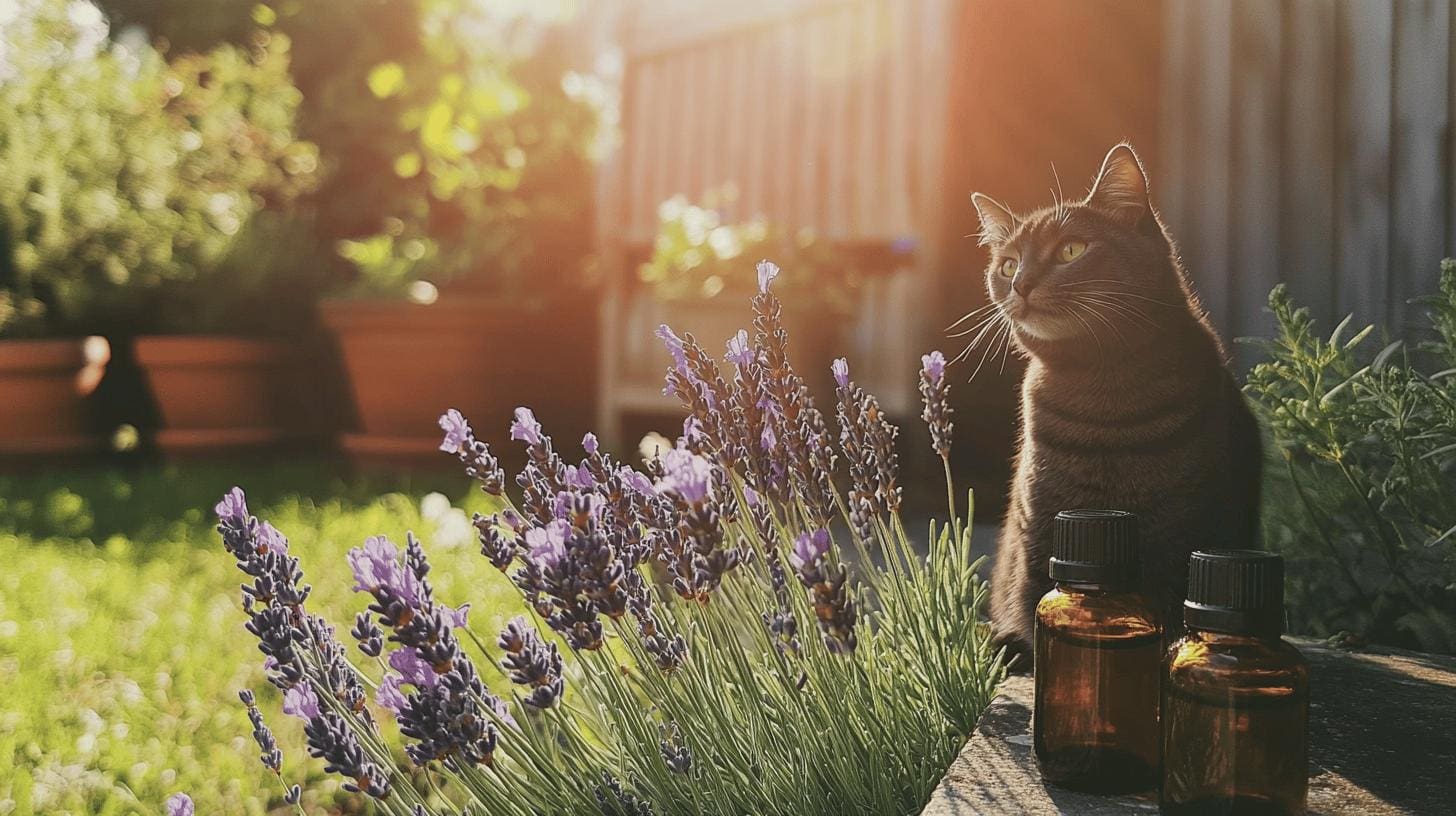
When it comes to lavender and cats, understanding the differences in concentration between lavender plants and essential oils is crucial. Lavender plants naturally contain compounds like linalool and linalyl acetate, which are toxic to cats.
However, the concentration of these compounds is relatively low in the plant form. While this might still pose a risk if a cat ingests parts of the plant, the effects may be milder compared to essential oils.
On the other hand, lavender essential oils are highly concentrated. This means that even small amounts can be potent and more dangerous when inhaled or absorbed through a cat's skin.
Both lavender plants and essential oils present potential hazards, but in different ways. A curious cat might nibble on a lavender plant, leading to mild to moderate gastrointestinal distress.
Essential oils, being more concentrated, can cause severe reactions even without direct ingestion. Cats can inhale the vapor from diffusers or come into contact with surfaces where oils have been applied, leading to respiratory issues or skin irritation. The heightened risk from oils makes them particularly concerning for cat owners.
| Form | Risk Level |
|---|---|
| Lavender Plant | Moderate |
| Essential Oil | High |