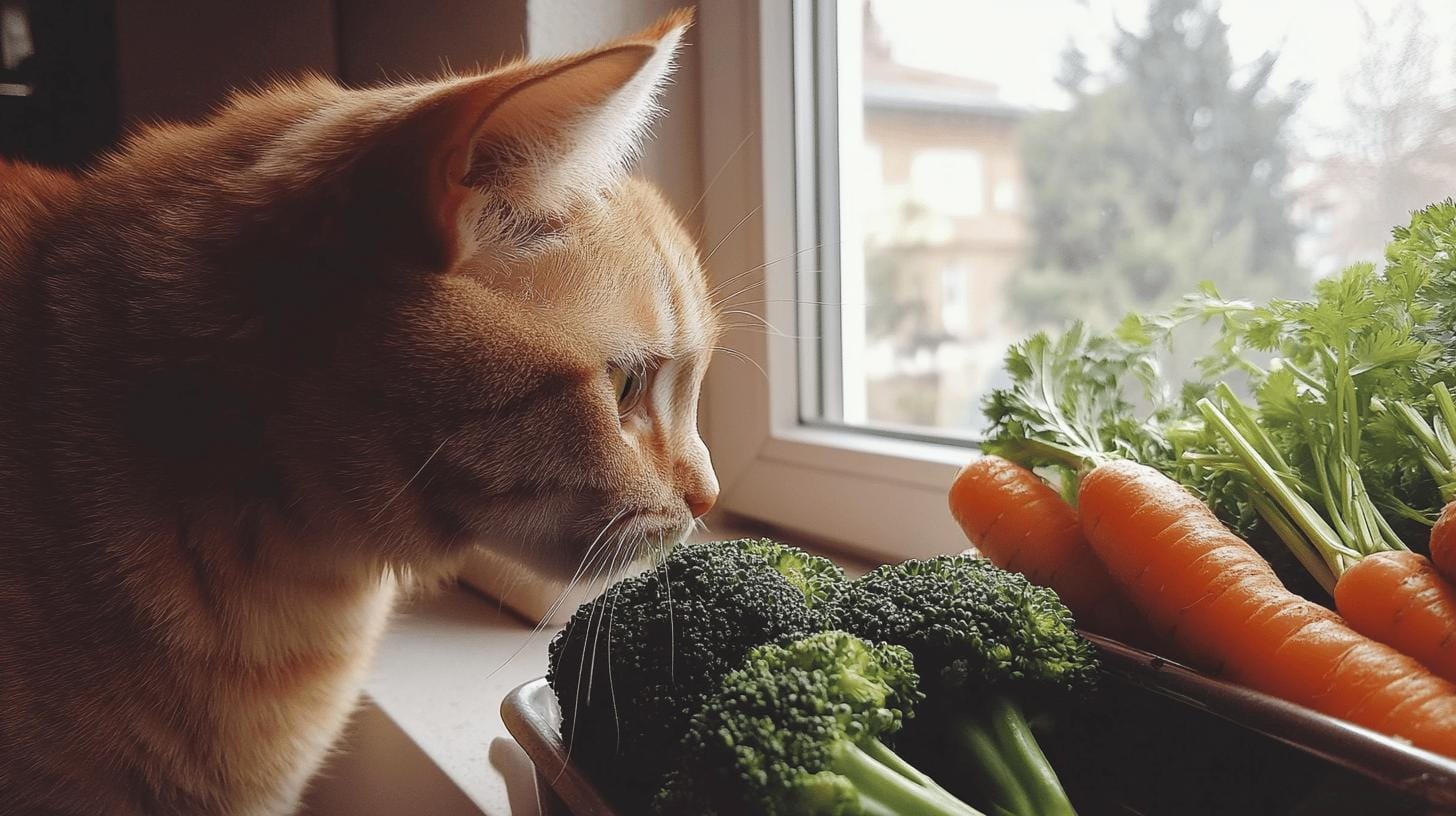
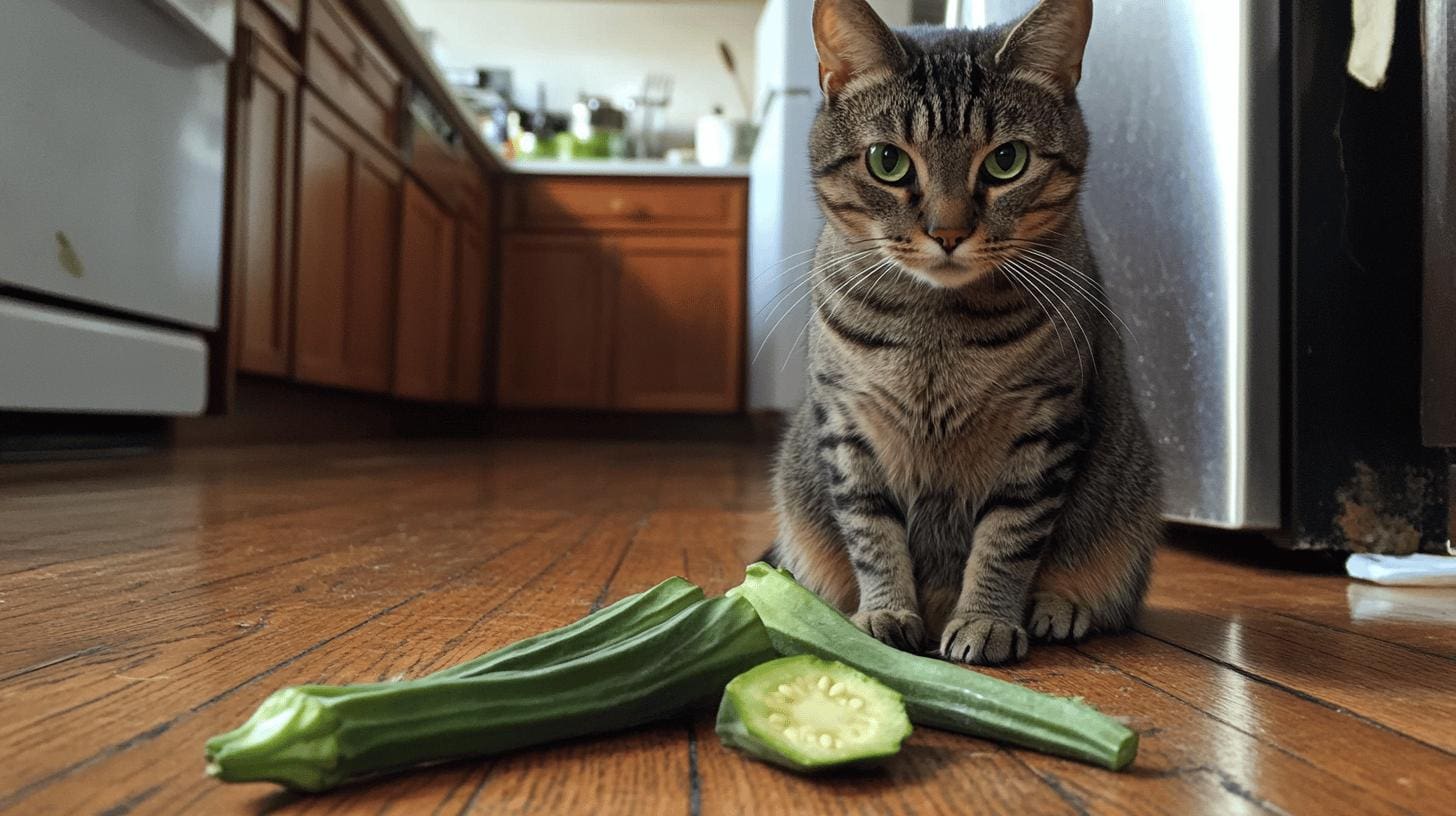
Have you ever caught your cat nibbling on something green and wondered, "Is okra safe for my feline friend?" It's a question that stirs up debate among cat owners. Cats are obligate carnivores, so their diet should mostly include meat.
But what about adding a vegetable like okra as an occasional treat? Let's explore whether this green pod can be a safe addition or if it poses any risks. Stick around to get practical tips on how to incorporate okra safely into your cat's menu while keeping their diet balanced and health-focused.
Can Cats Eat Okra? Understanding the Basics
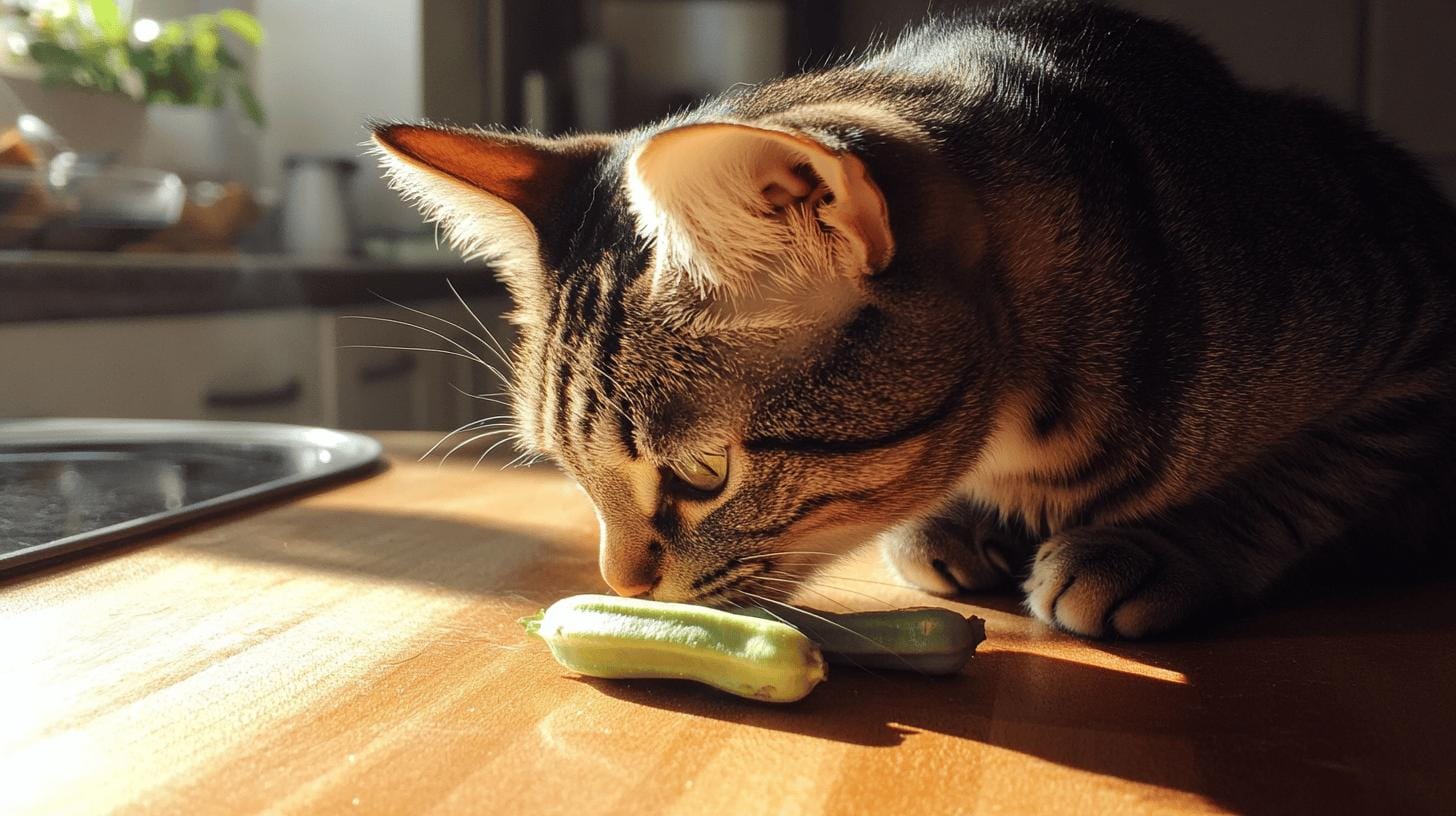
Cats can eat okra, but it's essential to remember that their diet should primarily consist of animal products, as they are obligate carnivores. Okra contains solanine, a toxin also found in eggplants and potatoes.
The good news is that the solanine levels in okra are too low to harm cats if consumed in moderation. Feeding okra as a treat can be safe, but it's crucial to control the portion sizes to prevent any potential digestive issues or nutrient imbalances.
Moderation is key when including okra in your cat's diet. Here are some dietary considerations to keep in mind:
- Nutritional considerations
- Digestive effects
- Solanine levels
- Portion control
- Meat-based diet emphasis
While okra is safe in small amounts, it should only supplement a diet rich in meat-based nutrients. Cats need specific proteins and amino acids found in animal foods to thrive. Ensuring your cat's primary diet is meat-focused will provide the essential nutrients it needs for optimal health. Okra can be an occasional treat, but always prioritize a balanced diet that caters to your cat's carnivorous nature.
Health Implications of Feeding Okra to Cats
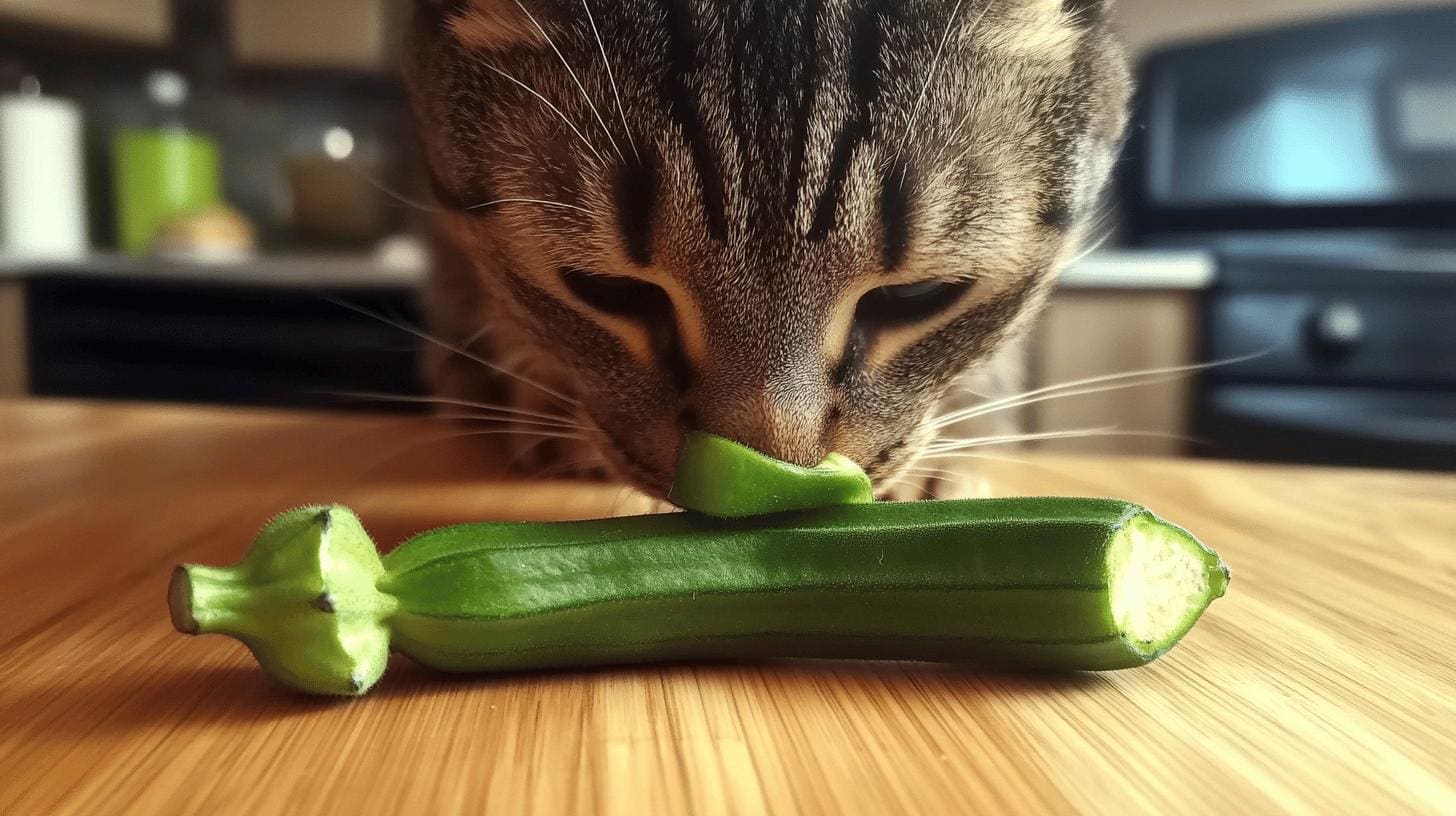
Okra offers a variety of vitamins and minerals, including vitamins A, B, C, and K, as well as calcium, iron, and potassium. These nutrients can support vision, strengthen bones, and aid in oxygen transport, offering a small nutritional boost when included in a cat's diet.
Despite these benefits, okra does not provide the essential nutrients that cats need. Cats are obligate carnivores and require animal proteins and specific amino acids for their health. While okra can be an occasional treat, it doesn't fulfill the dietary requirements that are critical for their growth and energy, which are best met through meat-based foods.
| Nutrient | Benefit |
|---|---|
| Vitamin A | Supports vision and immune system |
| Calcium | Strengthens bones and teeth |
| Iron | Aids in oxygen transport in the blood |
Feeding too much okra can lead to gastrointestinal issues, such as an upset stomach or diarrhea, due to its fibrous nature. Moderation is key to preventing discomfort and ensuring that okra complements a primarily meat-based diet. Always monitor your cat's reaction to new foods and consult your vet if you notice any issues.
Safe Ways to Prepare Okra for Cats
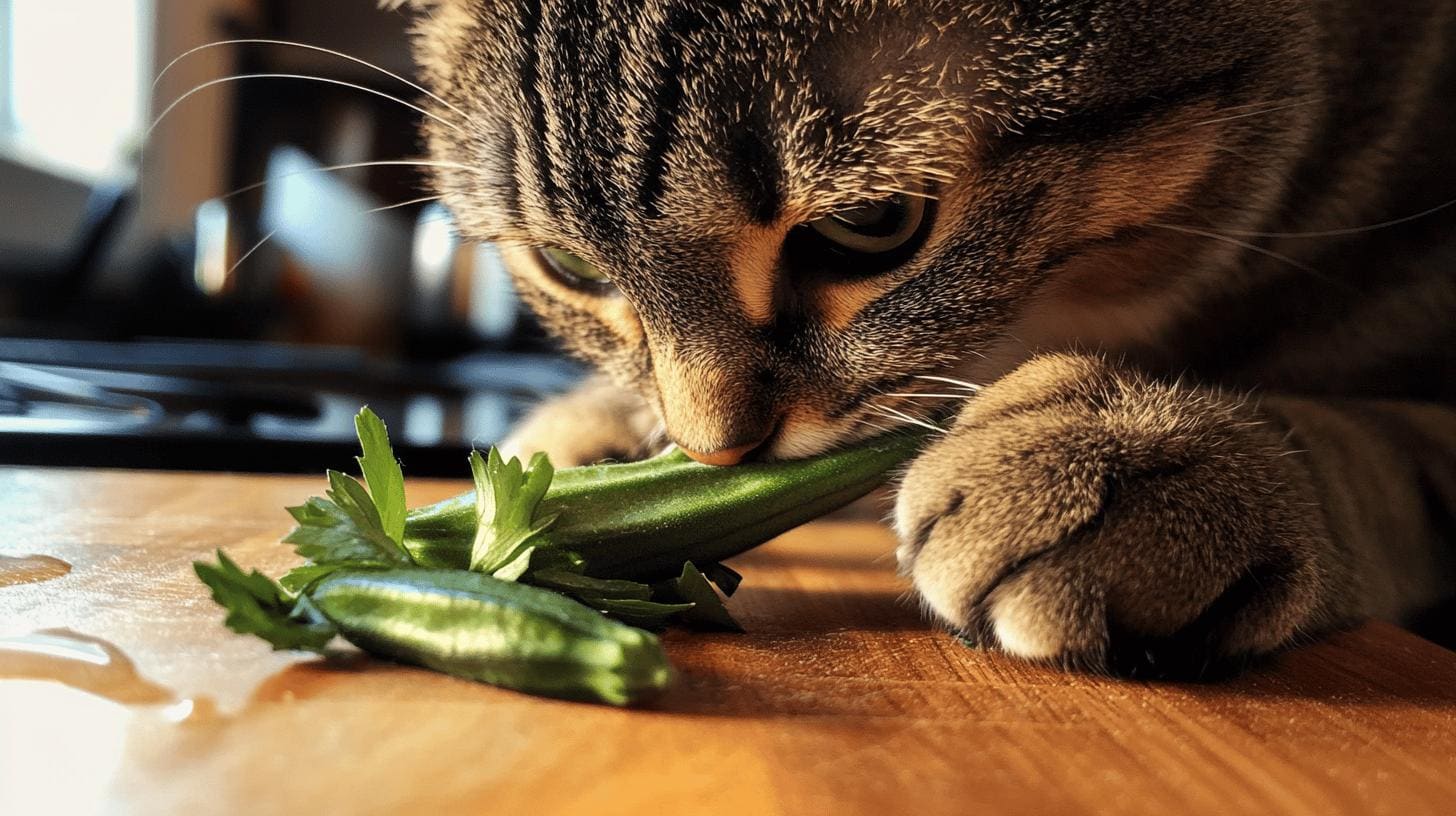
When preparing okra for cats, it's best to cook it either by boiling or steaming. Cooked vegetables are generally easier for cats to digest, minimizing the risk of any gastrointestinal discomfort. By cooking okra, you not only soften its texture but also reduce any potential choking hazards. Cooking without any added ingredients ensures that the okra remains safe for your feline friend. Remember, the simpler, the better.
When preparing okra, keep these points in mind:
- Avoid pickling
- No spices
- Cook thoroughly
- Serve in small portions
For serving suggestions, offer a small amount of cooked okra as an occasional treat alongside their regular meal. Ensure it's cooled to room temperature to avoid any burns. By maintaining small portion sizes, you can monitor your cat's reaction to the new food and make sure it complements their meat-based diet without causing any digestive upset.