Is passion fruit a tasty treat or a hidden threat for your cat? While it might be tempting to share this exotic fruit with your furry friend, the risks may outweigh the rewards. Cats and passion fruit don't mix well, thanks to toxic compounds that can harm them.
Understanding these dangers can help keep your cat safe. We'll explore why this fruit should stay off your cat's menu and dive into safer options. It's all about ensuring a healthy and safe playtime experience for your beloved pet.
Can Cats Eat Passion Fruit? Exploring the Risks and Safety
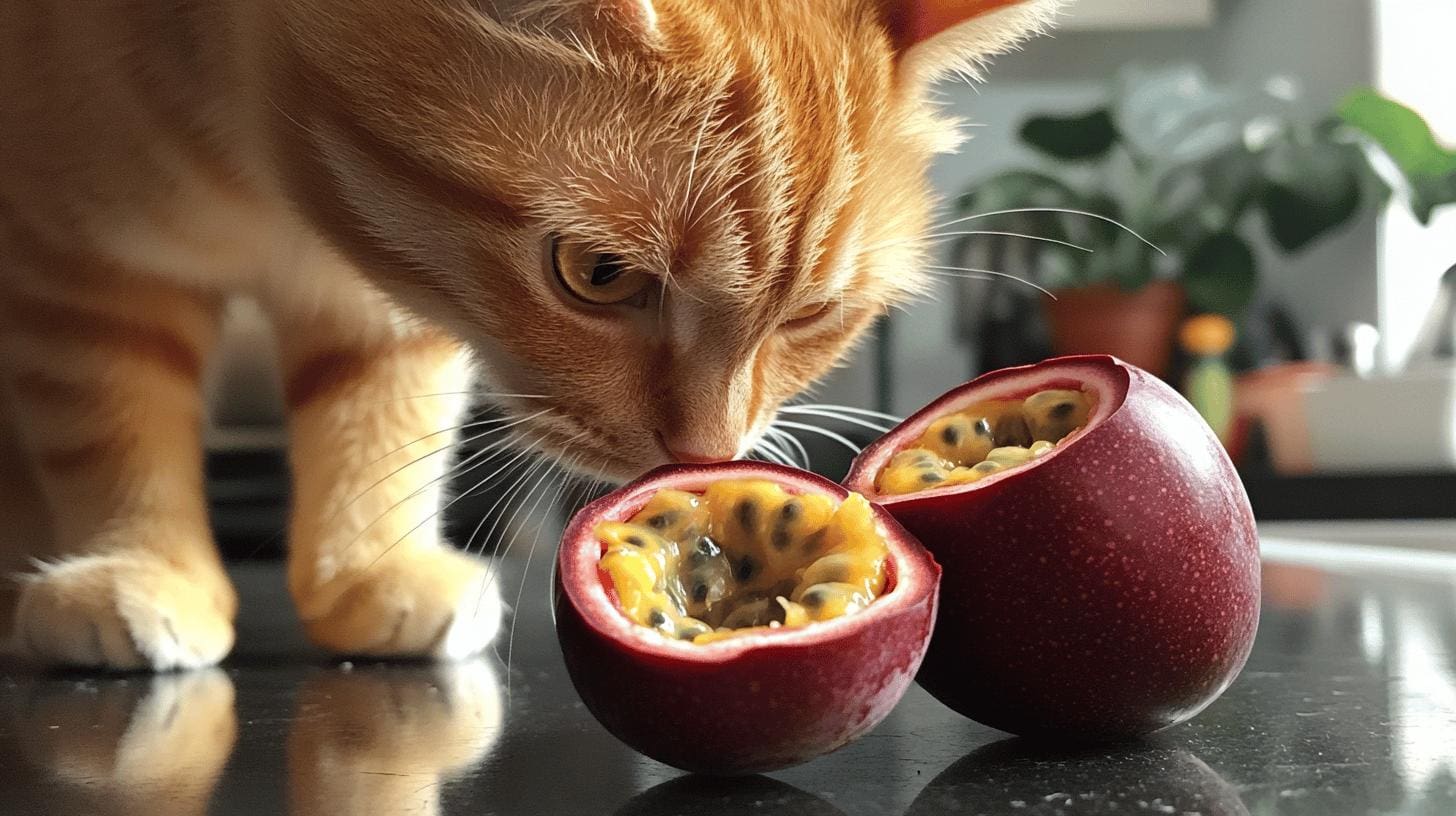
Passion fruit might be an exotic treat for humans, but it's not safe for our feline friends. The general consensus among veterinarians is to avoid feeding passion fruit to cats. The fruit poses several safety concerns that outweigh any potential benefits, making it a risky choice for a cat's diet.
The danger lies largely in certain toxic compounds found in passion fruit. Notably, the blue and running pop varieties of the passion flower vine contain cyanide, a harmful substance to cats.
Cyanide is a potent toxin that can lead to serious health complications or even be fatal. Additionally, the seeds of the passion fruit present a choking hazard and can cause gastrointestinal blockages, further exacerbating the risk factors associated with this fruit.
Symptoms of cyanide poisoning in cats can be severe and demand immediate veterinary care. If a cat ingests passion fruit, look for signs such as difficulty breathing, vomiting, dilated pupils, and potential seizures. These symptoms indicate a critical situation, and prompt professional intervention is necessary to increase the chances of recovery.
- Contains compounds like cyanide.
- Potential for digestive issues.
- Lack of nutritional benefits.
- High sugar content.
- Risk of gastrointestinal blockages from seeds.
| Passion Fruit Component | Potential Harm |
|---|---|
| Cyanide | Toxicity, potentially fatal |
| Seeds | Choking hazard, gastrointestinal blockage |
| High Sugar | Digestive upset |
Safe Alternatives: Fruits Cats Can Safely Eat
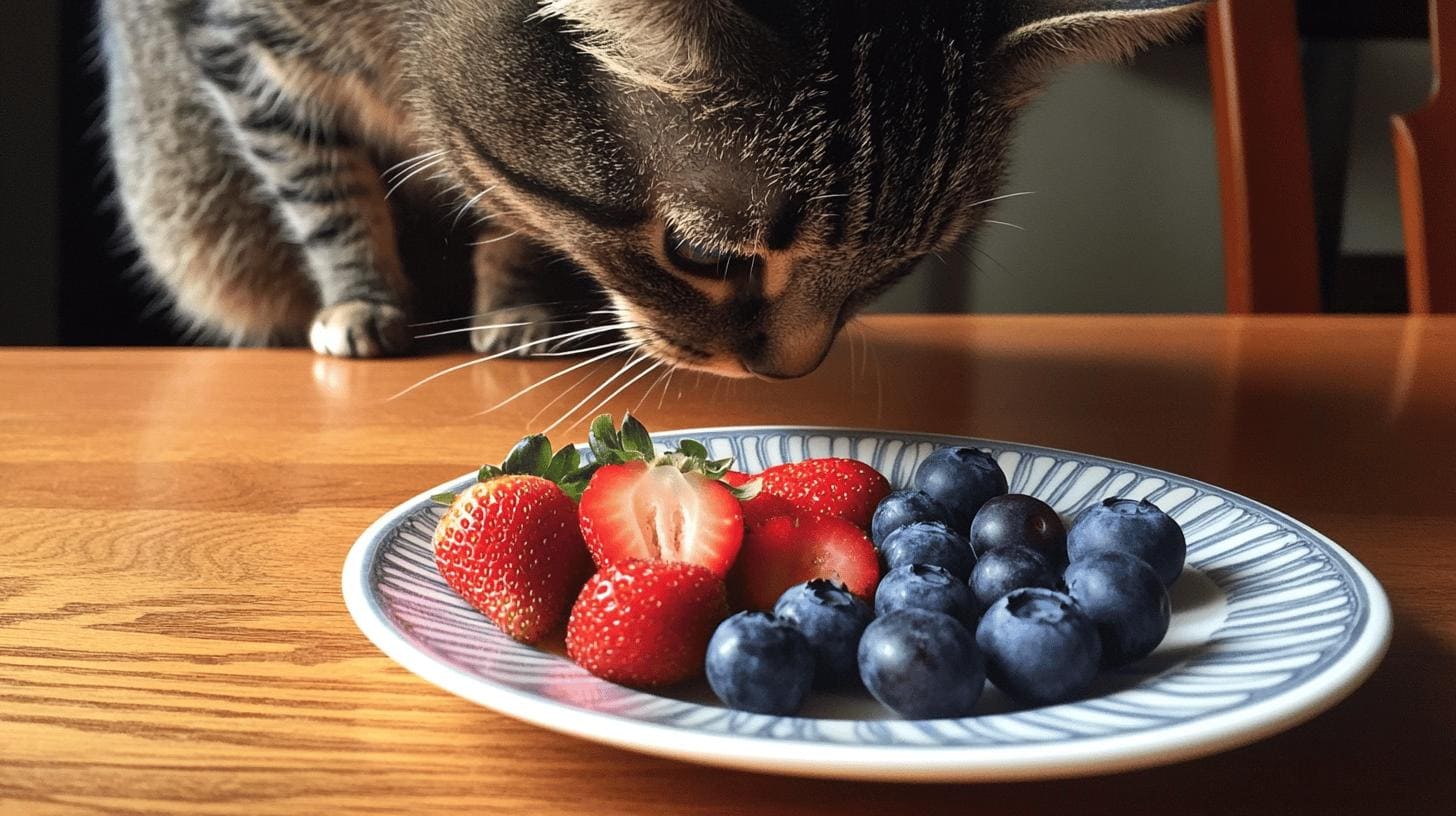
When considering fruits for our feline friends, moderation is key. Cats are obligate carnivores, which means their primary diet should consist of meat. Therefore, fruits should only be a small part of their diet and should not exceed 2% of their daily intake.
Offering fruits as occasional treats can provide variety without compromising their nutritional needs. It's crucial to keep portion sizes small and to introduce new foods gradually to prevent any digestive upset.
Some fruits can offer nutritional benefits to cats. For instance, apples provide fiber and vitamins like A and C, but always ensure they are seedless to avoid any health risks. Bananas are a good source of potassium, though they should be given sparingly due to their sugar content.
Blueberries are packed with antioxidants and are low in calories, making them a healthy option. Melons like cantaloupe and watermelon are hydrating and provide vitamins, while strawberries are rich in vitamin C and fiber. Papaya offers a range of beneficial nutrients, including vitamins A and C, and should be given in small amounts.
- Apples (seedless)
- Bananas
- Blueberries
- Cantaloupe
- Watermelon
- Strawberries
- Papaya