Ever caught your cat giving a curious sniff to the yam on your plate? You might wonder if this veggie is safe for your feline friend. Well, cooked yams can indeed be a safe and occasional treat for cats, when prepared correctly.
Understanding the do's and don'ts of serving yams can improve your cat's diet and playtime. In this blog post, we'll dive into the benefits of yams and safety tips you should consider. Your furry pal's health is a priority, so let's explore this together.
Can Cats Eat Yams?
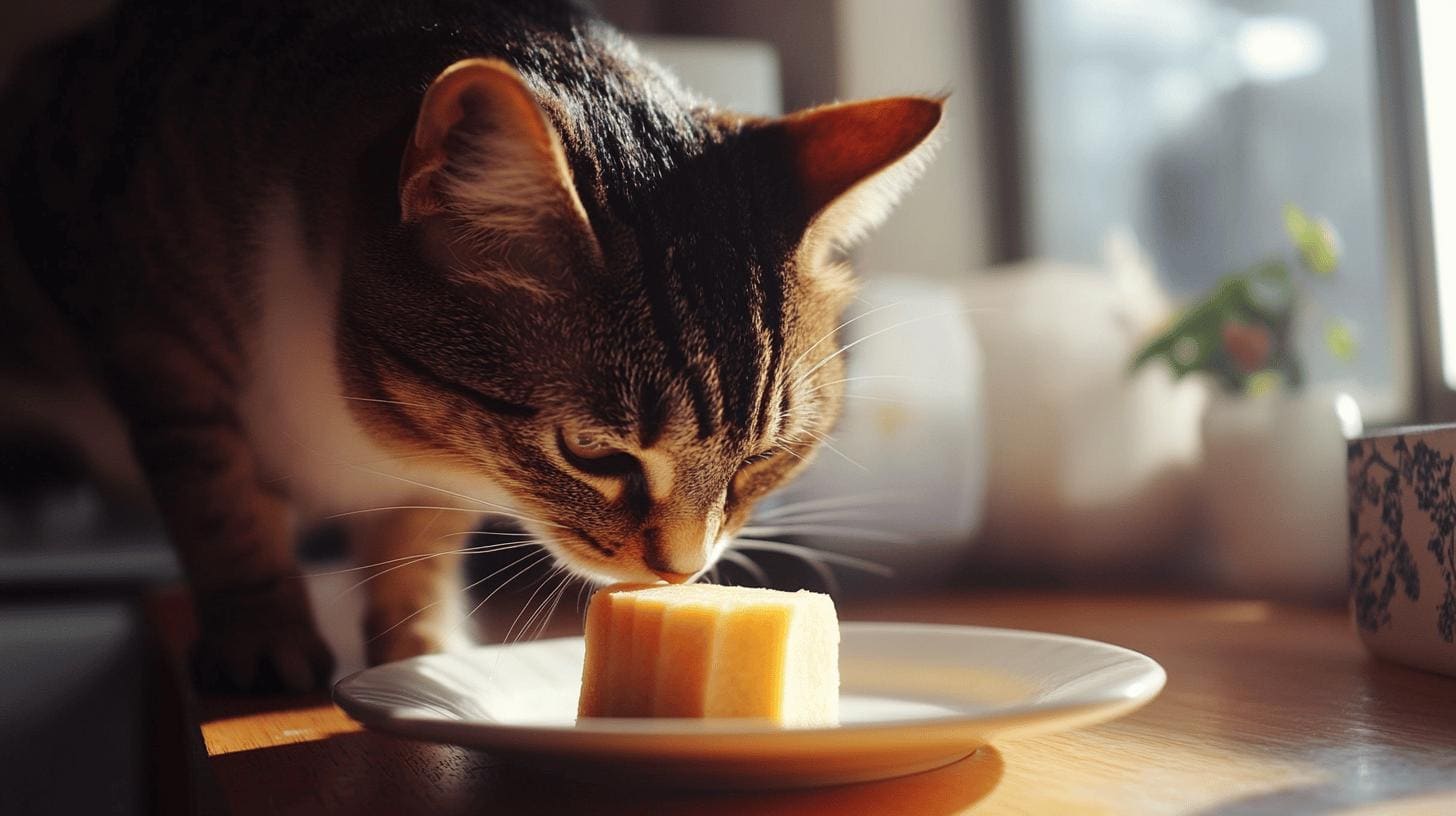
Cats can safely eat yams when they are cooked and prepared properly. Cooked yams are non-toxic to cats and can be a safe treat if fed in moderation. It's important to ensure that the yams are plain, without any added seasonings or spices, which could upset a cat's stomach. The key is moderation and proper preparation.
Raw yams should be avoided because they contain phytic acid, which can bind to minerals and prevent their absorption. This can pose potential health risks if ingested by cats. Cooking yams significantly reduces the levels of phytic acid, making them safer for feline consumption. Always ensure that yams are thoroughly cooked before offering them to your furry friend.
Cats, as obligate carnivores, require a diet primarily composed of animal proteins and fats. They do not need carbohydrates like those found in yams for their nutritional needs. Therefore, yams should not be a regular part of a cat's diet. While a small amount of cooked yam is unlikely to harm most cats, it's not necessary for their well-being.
Occasionally, cooked yams can help with digestive issues such as constipation or diarrhea. The fiber content in yams can promote smoother digestion. However, it's crucial to consult with a veterinarian before introducing yams for this purpose, as they can provide guidance tailored to your cat's specific health needs.
Veterinary advice suggests serving yams in small portions, typically around a teaspoon at a time, to monitor how your cat reacts. Always watch for any adverse reactions such as vomiting or diarrhea. If any negative symptoms arise, discontinue feeding yams immediately and consult your vet.
Can Cats Eat Yams?
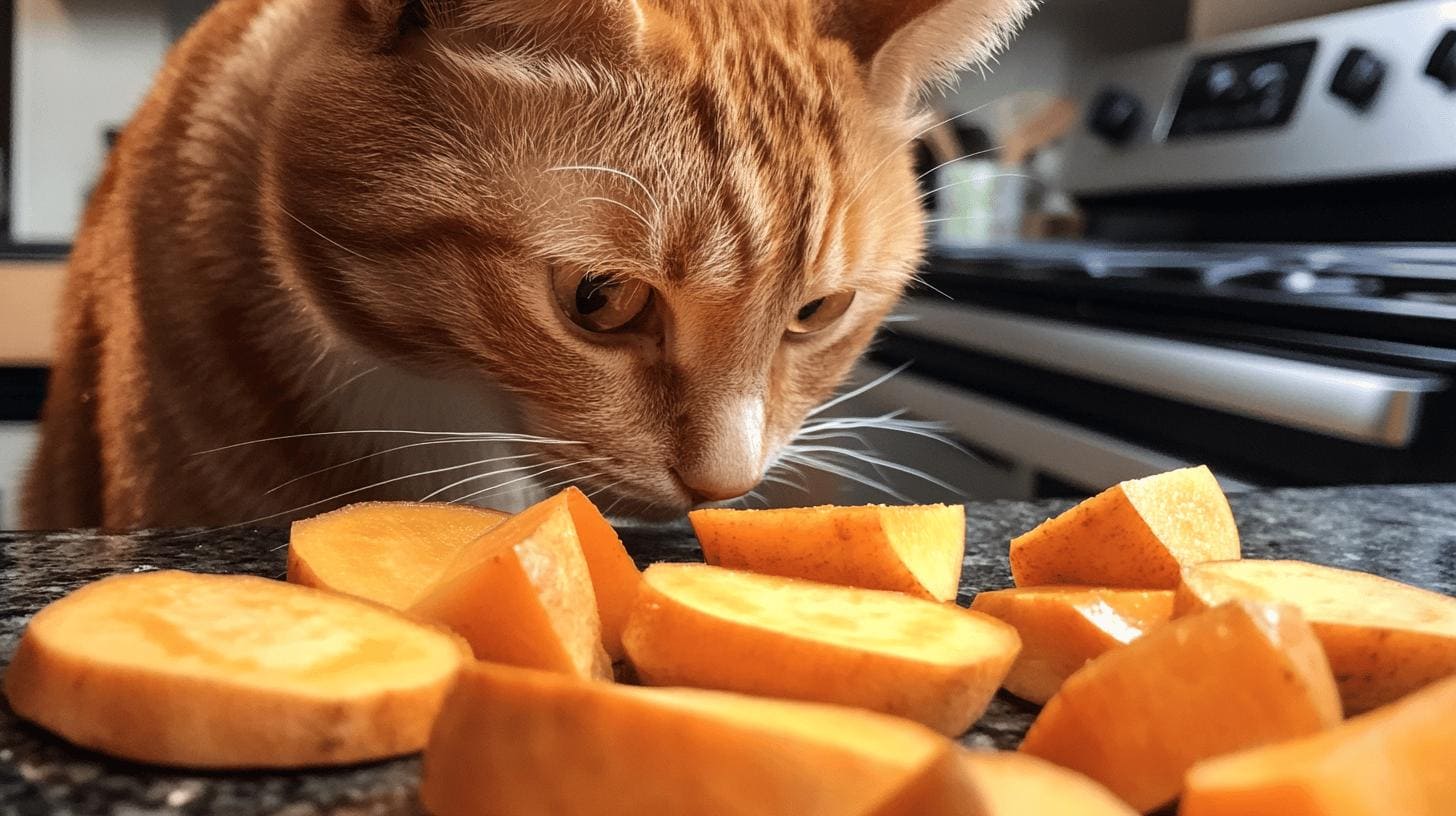
Cats are obligate carnivores, meaning they don't need carbohydrates like those found in yams. While the fiber in yams can help with digestion, it's not something cats should eat regularly. A lesser-known risk of yams is the presence of oxalates. These compounds might raise the chance of urinary stones, which can be painful for cats. Boiling yams can lower their oxalate levels, but other cooking methods don't.
If your cat is on a urinary diet or has a history of urinary problems, it's best to skip the yams. These cats are particularly at risk for issues related to oxalates. Always talk to a veterinarian before letting your cat try new foods, especially if your pet has any health concerns.
- Carbohydrates
- Fiber
- Oxalates
- Starch
Comparing Yams to Sweet Potatoes for Cats
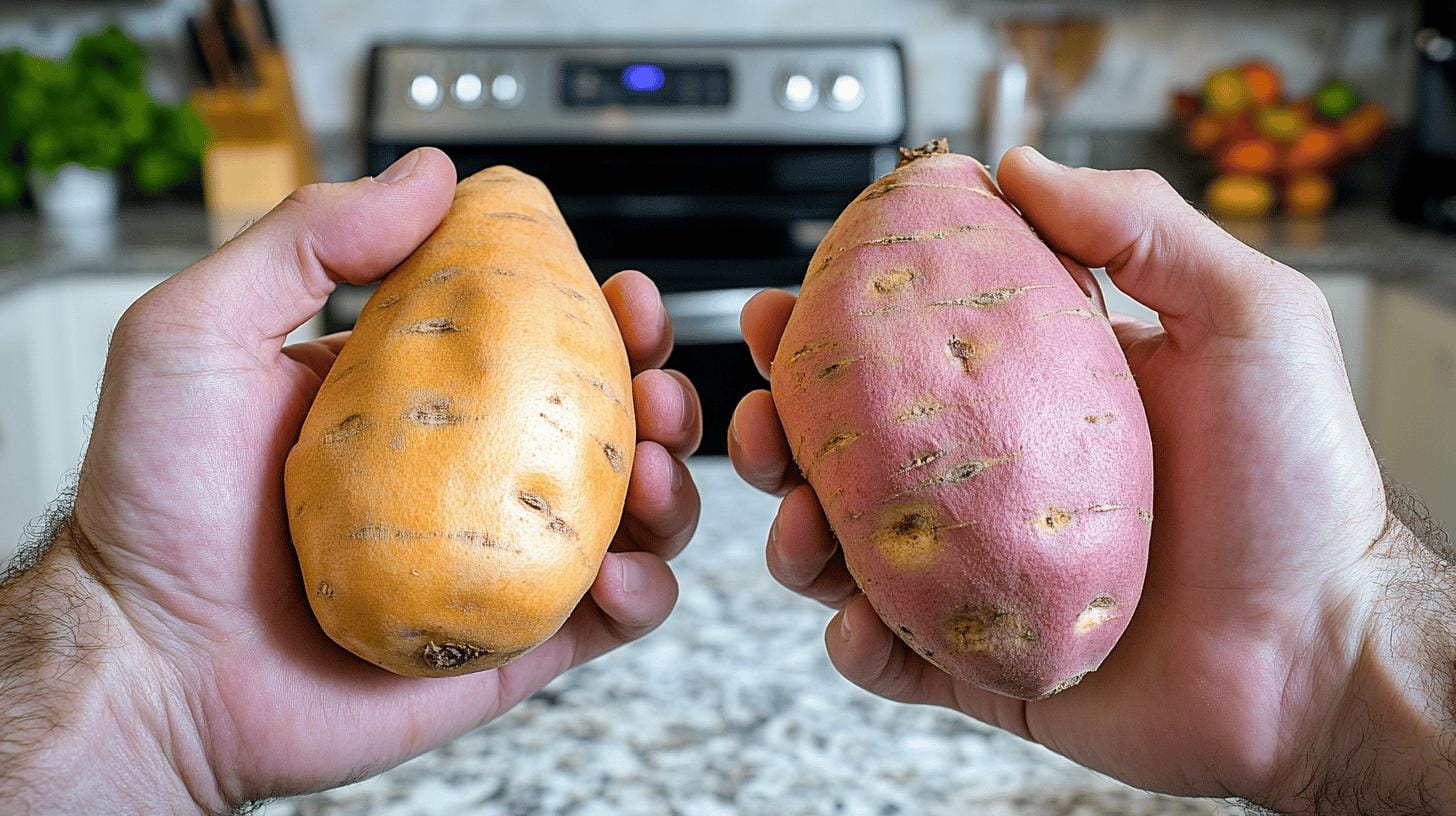
True yams and sweet potatoes differ in more than just looks. Yams, with their rough skin, originate from Africa and Asia, whereas sweet potatoes, known for their thin skin and sweet flavor, are native to the Americas. This mix-up is common in the U.S., where many call sweet potatoes "yams."
When considering nutritional content, yams are starchier, providing a different texture and flavor profile than sweet potatoes, which are naturally sweeter. For cats, both can offer a source of fiber and vitamins like vitamin A, but sweet potatoes have a higher concentration of beta-carotene.
Despite these benefits, they should not replace meat in a cat's diet. Understanding these nutritional differences helps in making informed choices about occasional treats.
| Characteristic | Yam | Sweet Potato |
|---|---|---|
| Skin Texture | Rough | Thin |
| Origin | Africa, Asia | Americas |
| Flavor | Starchy | Sweet |