Did you know that cats can learn their names just like dogs? It might seem surprising, considering cats often get labeled as independent and aloof. But teaching a cat its name can unlock a world of better communication and bonding.
Imagine being able to call your cat and have it come to you, all thanks to simple, step-by-step training. In this guide, I'll show you how to create the perfect environment and use easy techniques to help your cat learn its name, making playtime and interactions much more rewarding.
Effective Techniques for Training Cats to Recognize Their Names
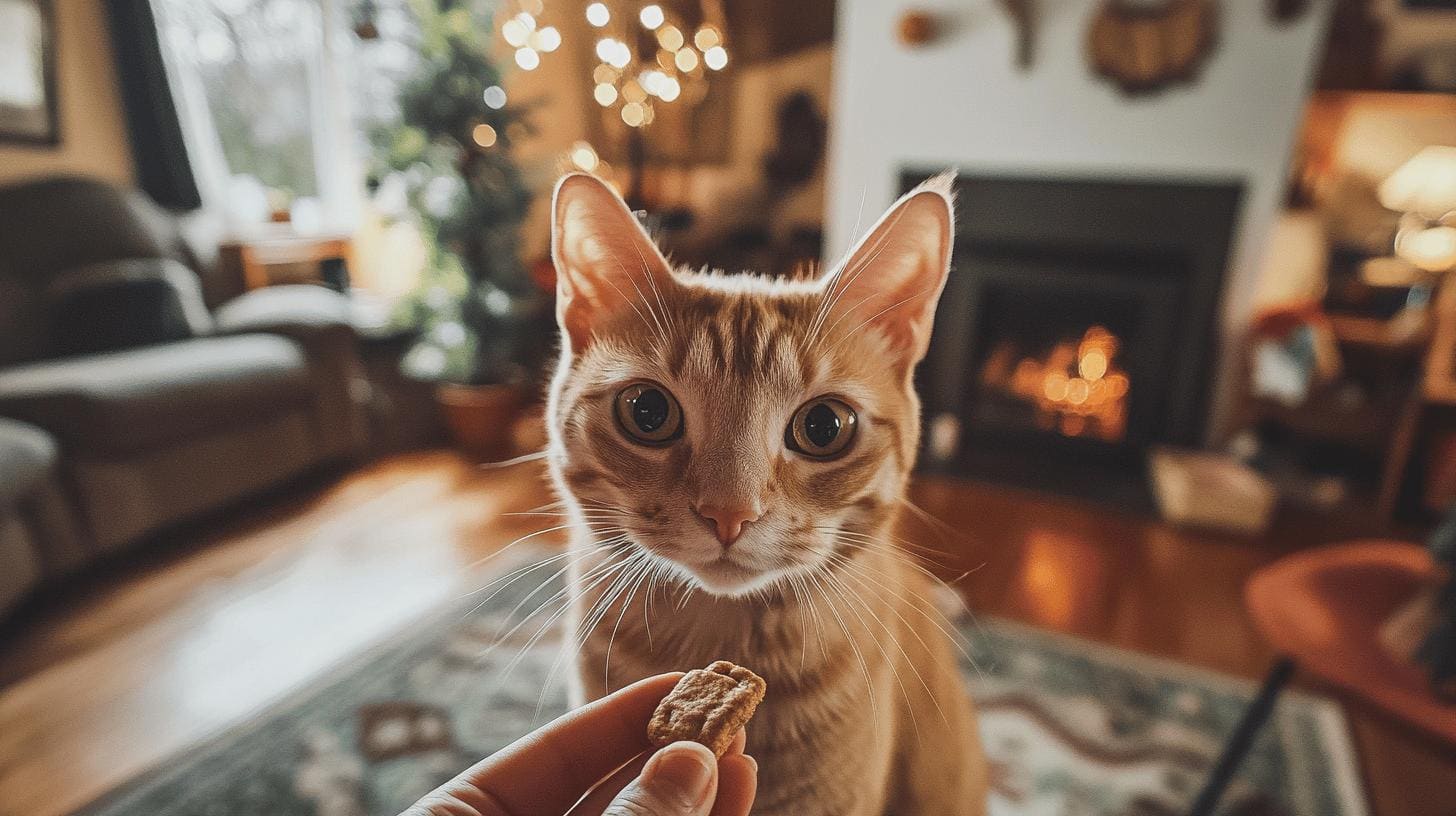
Begin training your cat to recognize its name by selecting the right environment and name. A quiet place without distractions helps your cat focus. Avoid rooms with other pets or loud noises. Choose a short and simple name. This makes it easier for your cat to recognize and respond quickly. A long or complicated name may confuse your cat and delay learning.
Follow these steps to teach your cat its name:
- Start by calling your cat by its chosen name in a calm voice.
- When your cat responds, reward it with a small treat or gentle affection.
- Repeat this process several times a day, aiming for consistency.
- Gradually increase the distance between you and your cat while calling its name.
- Ensure to repeat the name in different contexts, like during playtime or feeding.
Consistency and positive reinforcement are key to successful learning. Practice daily, aiming for short sessions of about 2-3 minutes. Frequent but brief sessions keep your cat engaged. Maintain a positive attitude, rewarding your cat immediately when it responds correctly.
This helps your cat associate its name with positive outcomes. Over time, this will reinforce the behavior and help your cat learn its name more effectively.
Understanding Feline Behavior and Name Recognition

Cats don't understand names like humans do, but they can connect a specific sound with an action or reward. By using a consistent word, like their name, along with a treat or affection, cats learn to associate it with something positive.
This means when you call your cat’s name, they might not think, "That's me," but more like, "Good things happen when I hear that sound." Their response is based on the positive reinforcement they receive rather than an understanding of being identified by a name.
Here are some cues that indicate your cat is recognizing its name:
- Ear twitching or turning toward the sound.
- Head turning or looking in your direction.
- Approaching you when the name is called.
- Pausing their current activity to listen.
Understanding your cat's behavior is crucial to training success. Each cat has its own personality and preferences, which can affect how quickly they learn their name. Observing these cues helps you see what works best.
If your cat shows interest when you call their name, continue using positive reinforcement. If they seem indifferent, try different rewards or methods. Adapting to your cat’s unique traits will make the training process more effective and enjoyable for both of you.
Common Challenges and Solutions in Training Cats
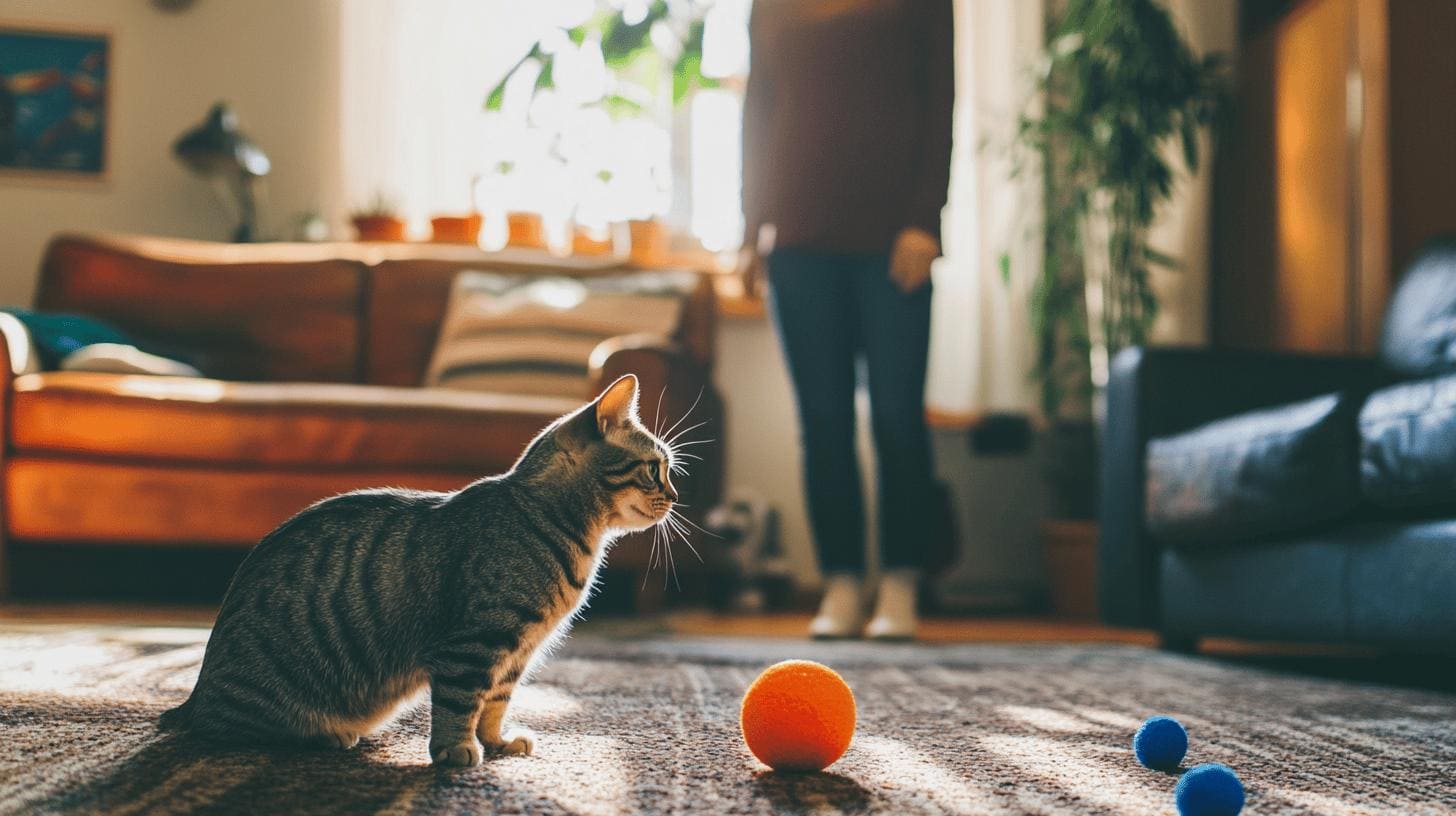
Training a cat to recognize its name can come with its set of challenges. Some cats may not show interest due to their temperament or age. Younger cats might learn faster, while older ones may need more time.
Environmental distractions like noise or other pets can also hinder training. Sometimes, the reward offered isn’t appealing enough to motivate the cat. These factors can make it hard for the cat to focus and respond during training sessions.
Here are some solutions to these challenges:
- Change rewards to something more enticing. Experiment with different treats or toys.
- Alter the training environment. Use a quiet, distraction-free room.
- Involve family members. Ensure everyone uses the same name and methods.
- Adjust the training time. Try training when your cat is more alert or playful.
- Limit training to short sessions. Keep them brief to maintain your cat's interest.
Avoid common mistakes to enhance training success. One major mistake is inconsistency. Make sure to practice regularly with the same name and method. Avoid overusing your cat's name outside of training. This keeps the name special and associated with positive reinforcement. By addressing these challenges and avoiding mistakes, you can make the training process smoother and more effective.