
Ever wondered if your indoor cat could thrive outside? Turning your indoor cat into an outside adventurer might sound tricky, but it’s possible with the right steps. Many cat lovers dream of their feline friends enjoying the fresh air and sunshine safely.
Is it worth the effort? Absolutely. Outdoor life offers a world of new experiences for your cat. I'll show you how to ease this transition in a way that keeps your cat safe and happy. Let's explore the steps to make your indoor cat an outdoor enthusiast.
Steps to Transition Your Indoor Cat to Outdoor Life

To help your indoor cat adjust to outdoor life, start by letting them settle into their current home for at least two to three weeks. This helps them feel secure in their environment. Once they're comfortable, you can begin the gradual transition outdoors. The key is to provide a safe and controlled introduction to the outside world.
Here are five steps to guide your cat's transition:
-
Begin with Short Trips: Start by taking your cat outside for brief periods. A few minutes in a secure backyard or garden can help them get used to new sights and smells.
-
Choose a Quiet Time: Take your cat outside during quieter times of the day to reduce stress from loud noises or busy streets.
-
Use a Leash: A harness and leash can provide safety and control during their initial outdoor explorations. This also prevents them from running off.
-
Increase Time Gradually: Slowly increase the length of time your cat spends outside as they become more comfortable. Keep an eye on their behavior to ensure they're adapting well.
-
Observe Reactions: Watch how your cat reacts to the outdoors. If they seem scared or anxious, bring them back inside and try again later.
Patience is crucial throughout this process. Each cat will adapt at their own pace. Monitor their behavior closely, especially during the first few outings. If they seem overwhelmed, it's okay to take a step back. With time and careful observation, your cat will enjoy the benefits of an active outdoor lifestyle.
Essential Safety Tips for Outdoor Cats
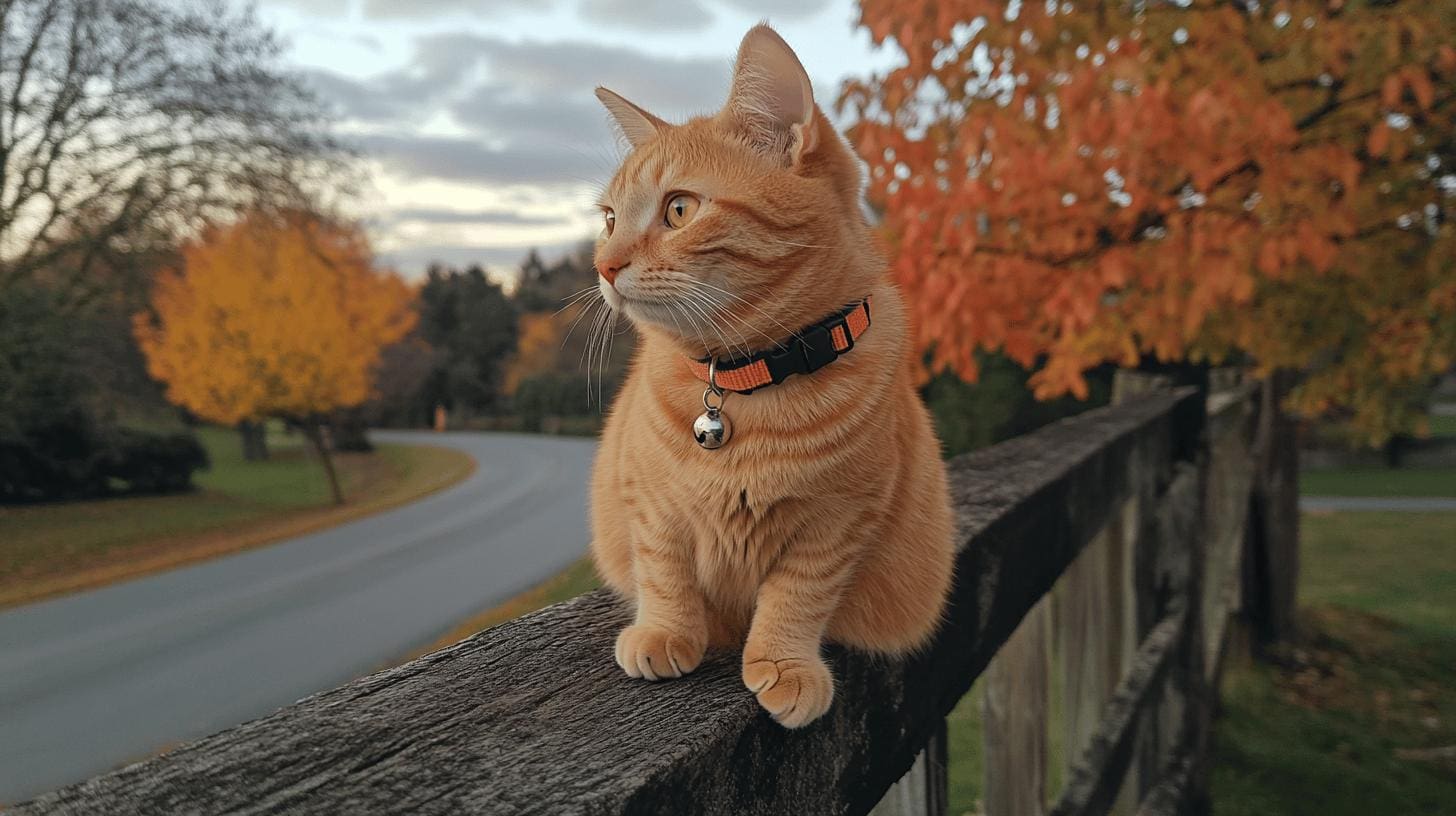
Letting your cat roam outdoors can be exciting but comes with risks. Outdoor cats often face dangers that can cut their lifespan short. They are exposed to traffic, predators, and fights with other animals.
These encounters can lead to injuries or even death. Diseases like feline leukemia, FIV, and rabies are more common in outdoor cats. Parasites such as fleas, ticks, and worms also pose threats, making it crucial to address these risks.
To protect your outdoor cat, preventive care is vital. Make sure your cat is up-to-date on vaccinations to fend off common diseases. Parasite control through regular flea and tick treatments will help keep infestations at bay.
Check your cat regularly for any signs of illness or injury. Routine vet check-ups are essential to catch health issues early. These measures will greatly improve your cat’s safety while enjoying the outdoors.
- Reflective Collars: Make your cat visible to drivers and people, especially in low light.
- Microchips: Secure identification in case your cat wanders too far from home.
- GPS Trackers: Monitor your cat's location and movements to ensure their safety.
Training Cats to Return Home Safely

To ensure your cat safely returns home, start by equipping them with proper identification. A collar with tags provides immediate information if your cat wanders off. Microchipping is another layer of security that helps identify your cat if they get lost.
During the initial outdoor explorations, supervise them closely. This supervision prevents them from getting into hazardous situations and helps you understand their outdoor behavior.
Once they are familiar with their surroundings, incorporate training techniques to reinforce returning home. A call-and-reward system is effective; use a specific sound, like a whistle or bell, followed by a treat when they come.
This creates a positive association with returning on command. Another method is to establish a routine by feeding them at the same time every day, encouraging them to return home for meals. Training your cat to recognize certain sounds or calls can build trust and ensure they feel safe coming back.
| Method | Benefit |
|---|---|
| Call-and-Reward System | Encourages prompt return with positive reinforcement |
| Routine Feeding Times | Establishes a consistent schedule for returning home |
| Specific Sound Training | Builds trust and creates a safe prompt for return |
“`


