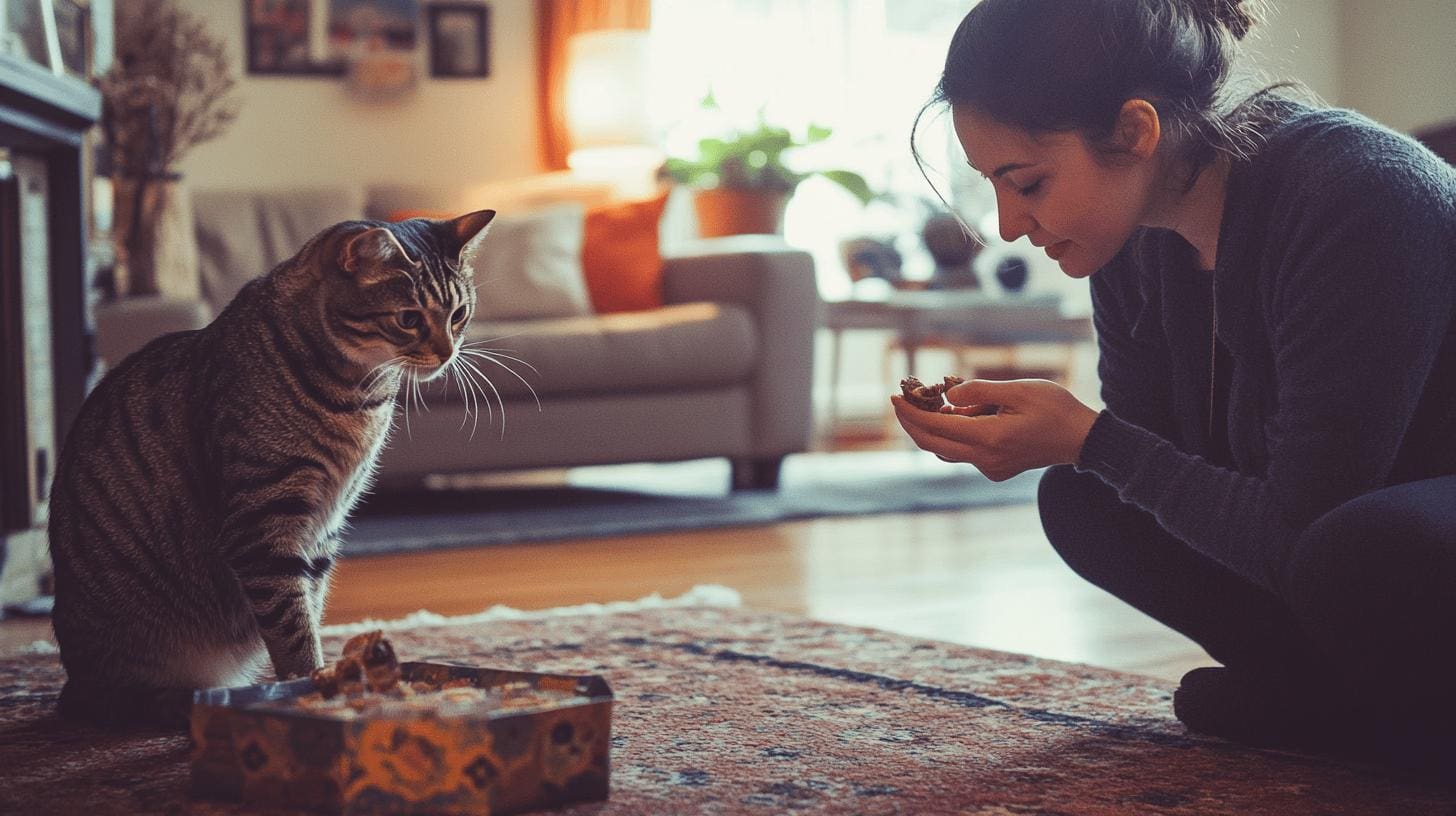
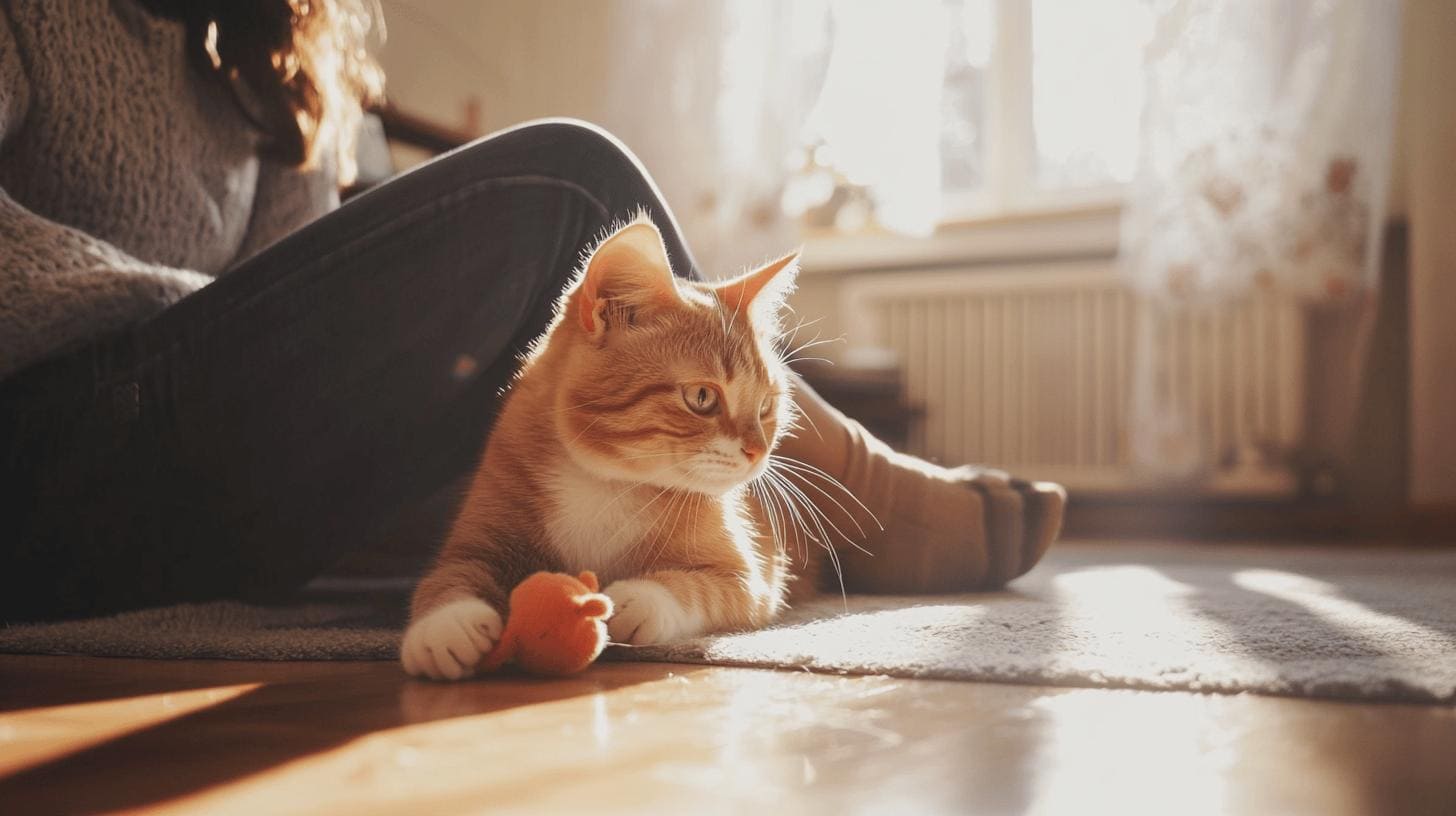
Can a cat really be trained to give a paw like a dog? While it might sound impossible, it’s a fun and rewarding trick for both you and your feline friend. Imagine the surprise of family and friends when your cat extends a paw on command! With the right approach, patience, and a touch of cat psychology, you can teach your beloved pet this impressive feat. Let’s walk through a step-by-step guide to ensure both you and your cat enjoy the training journey.
Step-by-Step Guide to Train a Cat to Give Paw
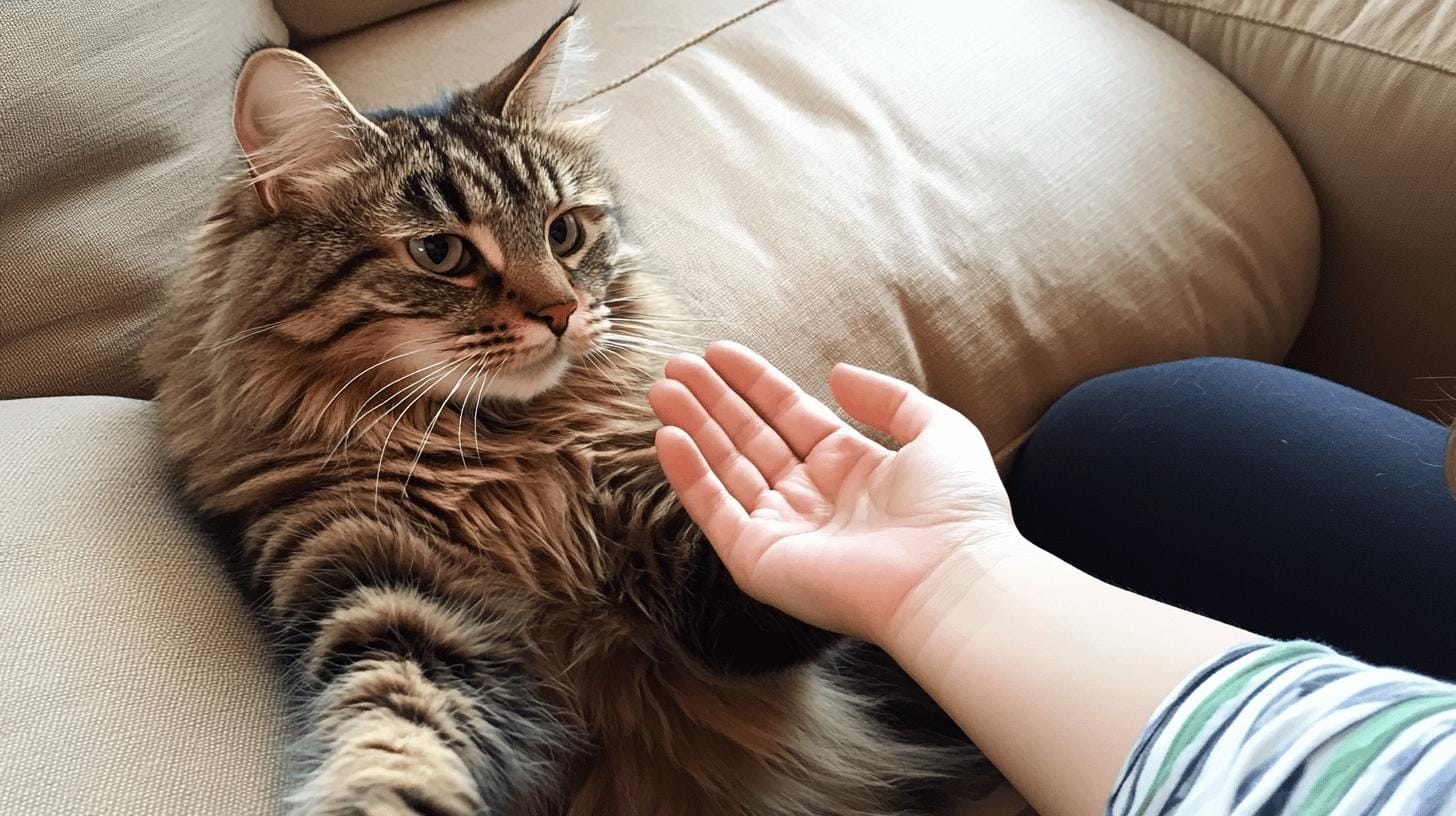
Teaching your cat to give paw is not just an adorable trick—it’s a great way to bond and communicate with your feline friend. A structured approach is key to making the training process smooth and successful. By following these steps, you’ll create an environment where your cat can learn and enjoy the experience.
- Step 1: Begin by placing your cat on a secure surface where they feel comfortable. Make sure the area is free from distractions to keep your cat focused on the task at hand.
- Step 2: Offer your open hand, palm up, within reach of your cat’s front paw. As soon as your cat touches your hand, click and treat immediately. If your cat doesn’t respond, you might gently tap their paw until they do, then click and treat. Repeat this step several times.
- Step 3: Once your cat starts touching your hand on their own, shape the behavior by clicking only when they touch the middle of your palm. This helps your cat understand the specific action you are teaching. Practice this 4 to 5 times.
- Step 4: Gradually increase the interaction by gently holding your cat’s paw for a second before clicking and treating. As your cat becomes comfortable, introduce a light shake.
- Step 5: Introduce a verbal command like “Paw” or “Shake” as you perform the action. Start by saying the command while you shake the paw, and then transition to saying the command earlier until your cat responds to it alone.
Repetition and consistency are the cornerstones of successful cat training. Cats, unlike dogs, may take a little longer to grasp new commands. It’s crucial to practice regularly and maintain a consistent routine. This helps reinforce the behavior and solidifies the trick in your cat’s mind.
Incorporate short, frequent sessions into your daily routine. Initially, reward your cat every time they perform the trick correctly. As they become more familiar with the command, gradually reduce treats, substituting with praise and affection. This keeps the training positive and enjoyable, ensuring your cat remains eager to learn and respond.
Choosing the Right Environment and Timing for Training
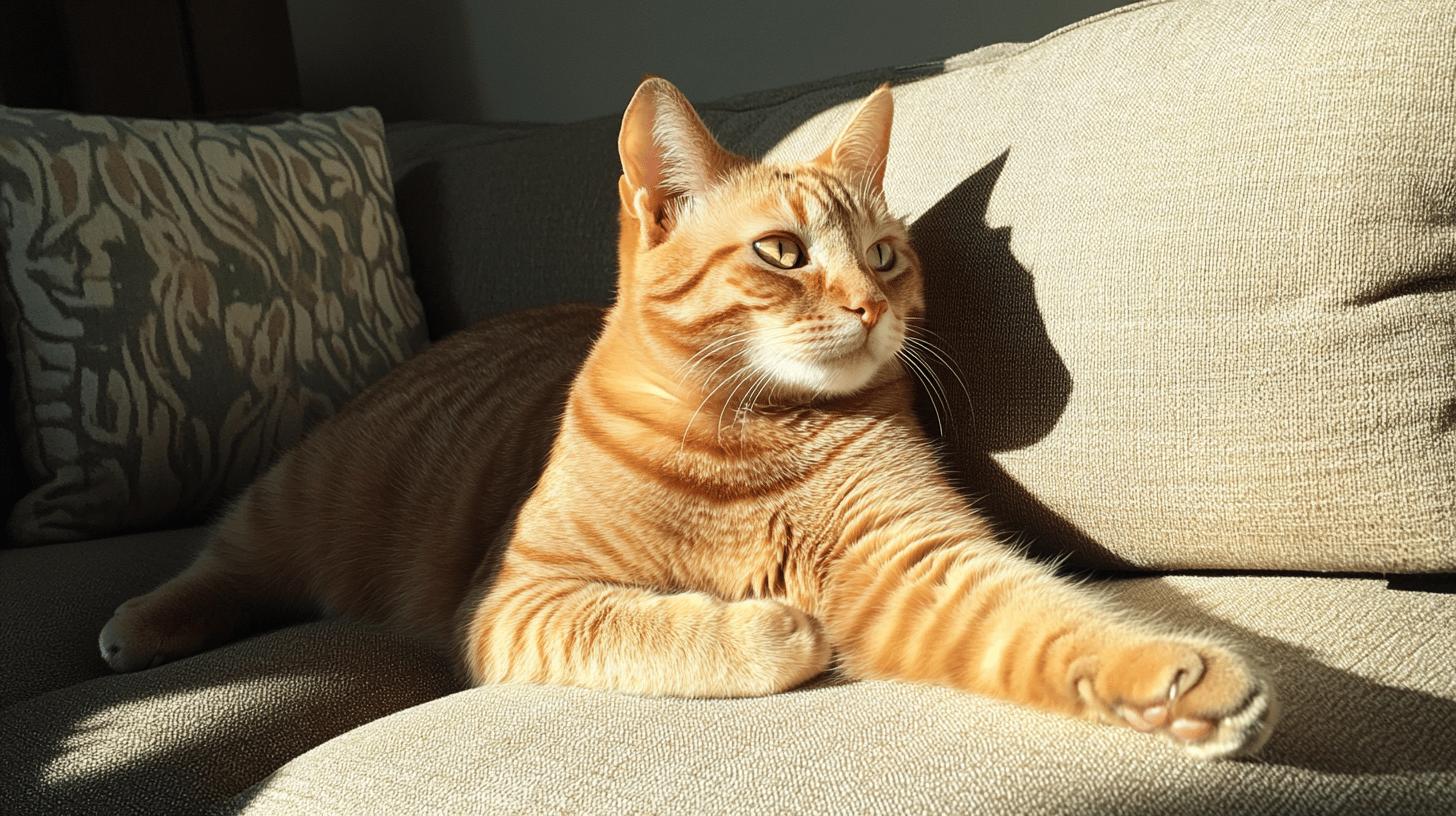
Creating the right environment is crucial when training your cat to give paw. A quiet space free from distractions will help your cat focus better on learning the new trick. Cats are curious creatures, and any noise or sudden movement might divert their attention. Ensure the training area is a familiar and comfortable place for your cat, which can further enhance their ability to concentrate and learn.
- Choose a quiet room away from household noise.
- Remove any distracting objects or toys.
- Use a familiar space where your cat feels safe.
- Keep the lighting soft and natural if possible.
- Ensure the temperature is comfortable for your cat.
Timing the training sessions is just as important as the environment. Cats are more receptive when they are in a good mood and not distracted by hunger or sleepiness. Aim to train your cat during their more active periods of the day. Short sessions, around 5-10 minutes, keep your cat engaged without losing interest.
By paying attention to your cat’s mood and energy levels, you’ll find the best time for training. Avoid times when your cat seems tired or overstimulated. With patience and the right setup, you’ll create an effective training session that helps your cat learn the paw shake trick with ease.
Additional Tips for Teaching a Cat to Give Paw
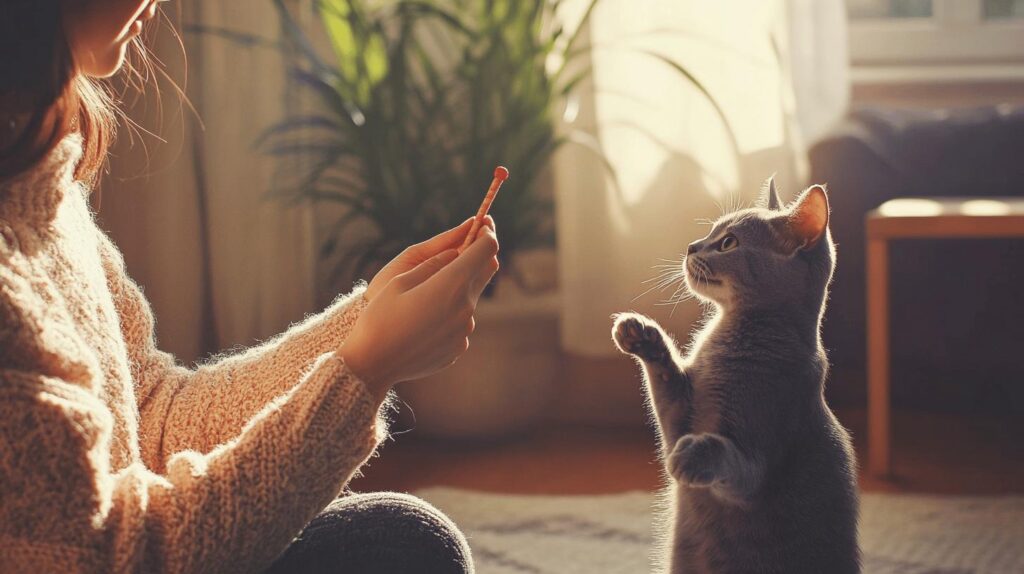
Training a cat to give paw can be an exciting adventure, but sometimes things don’t go as planned. Here are some tips to tackle common challenges and enhance your training experience.
Troubleshooting Common Issues
- Lack of Interest: If your cat seems uninterested, try using a more enticing treat or toy as motivation. Cats have different preferences, so finding the right reward can make all the difference.
- Fear or Anxiety: Ensure your cat feels safe during training. If they appear anxious, take a break and try again later in a quieter space.
- Inconsistent Response: If your cat sometimes responds and other times ignores the command, reinforce the behavior by rewarding them every time they perform the trick correctly during early training sessions.
Alternative Methods for Less Responsive Cats
- Use a Clicker: A clicker can be a precise way to mark the desired behavior. Click the moment your cat touches your hand, followed by a treat, to create a clear association.
- Shorter Sessions: Keep training sessions brief, around 5 minutes, to maintain your cat’s focus and prevent them from losing interest.
Benefits Beyond the Paw Shake Trick
Training provides mental stimulation, which is important for a cat’s health and happiness. It strengthens the owner-pet bond, builds trust, and can even reduce behavioral issues by providing a constructive outlet for your cat’s energy.
Regular training sessions can enhance your cat’s cognitive abilities and make them more adaptable to learning other tricks or commands in the future.