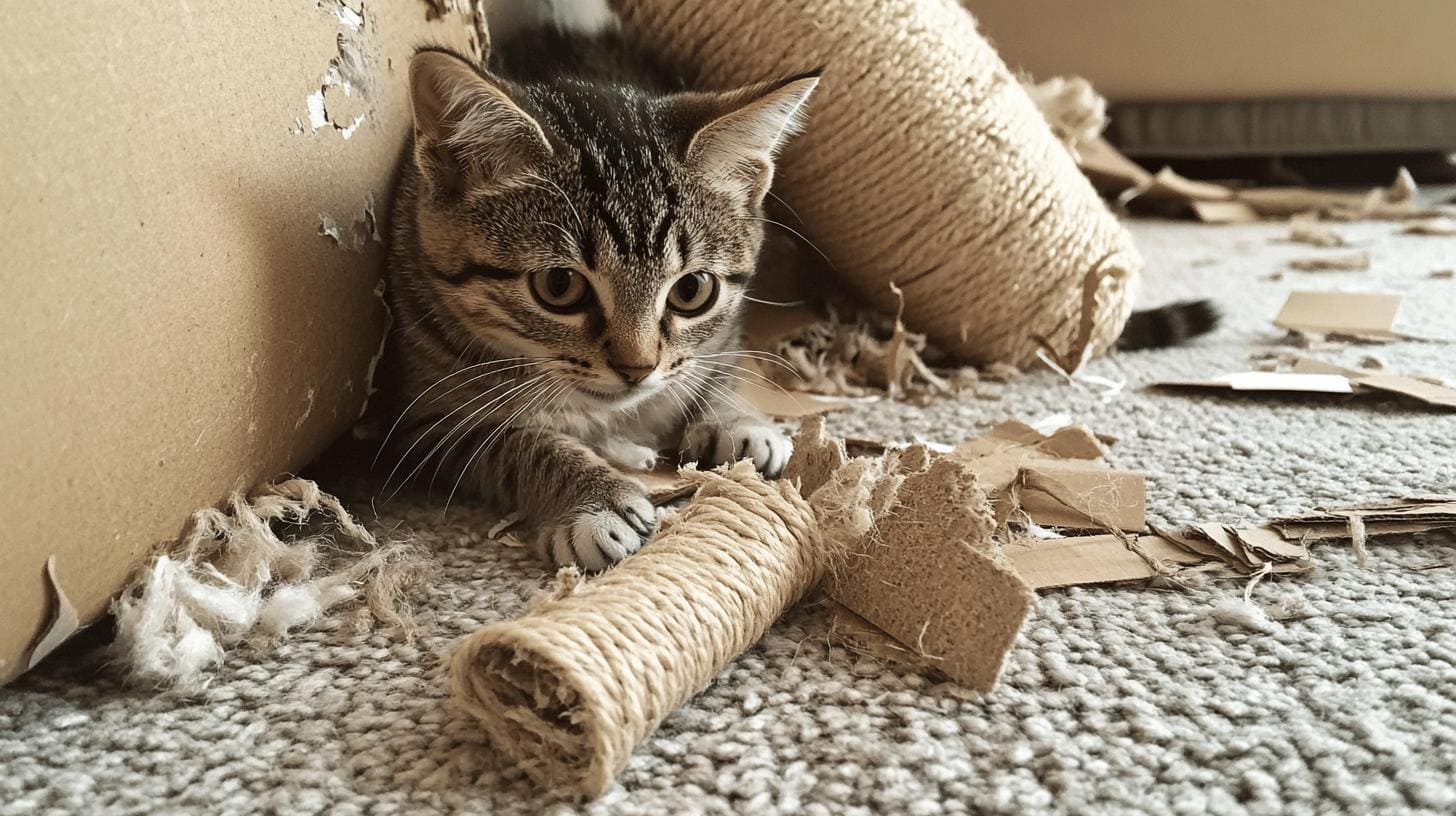
Tired of shooing your cat away from the sofa and having them bring out their claws anyway? Wondering if there's a peaceful way to end the scratch wars without declawing? Cats love to scratch for plenty of good reasons—it’s how they stretch, groom their nails, and even mark their territory counter training.com/how-to-train-a-cat-to-be-friendly/”>behavioral training.com/how-to-train-cats-to-behave-basic-commands/”>basic commands.
But that doesn’t mean your furniture has to suffer. Dive into this guide with actionable tips like using scratch posts and trimming claws, to train your furry friend to keep those claws where they belong. Get ready to protect your couch and keep your kitty happy!
Understanding Why Cats Scratch Furniture
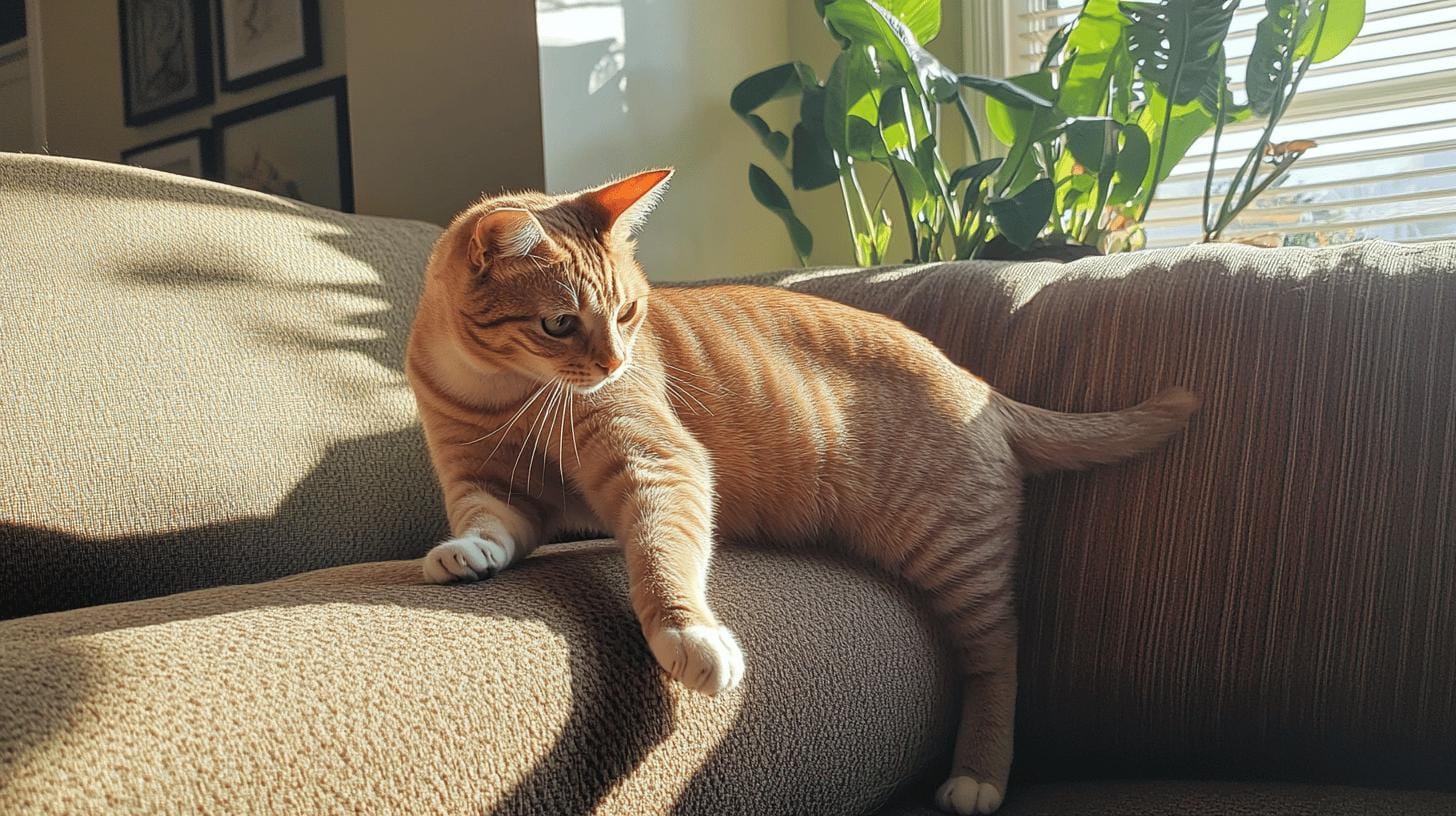
Cats scratch for many reasons. They stretch their bodies, maintain nail health, and mark their territory. This natural behavior is essential for their well-being. Instead of trying to stop them completely, we can provide alternatives to protect our furniture.
- Provide Scratching Posts: Place them where your cat likes to scratch.
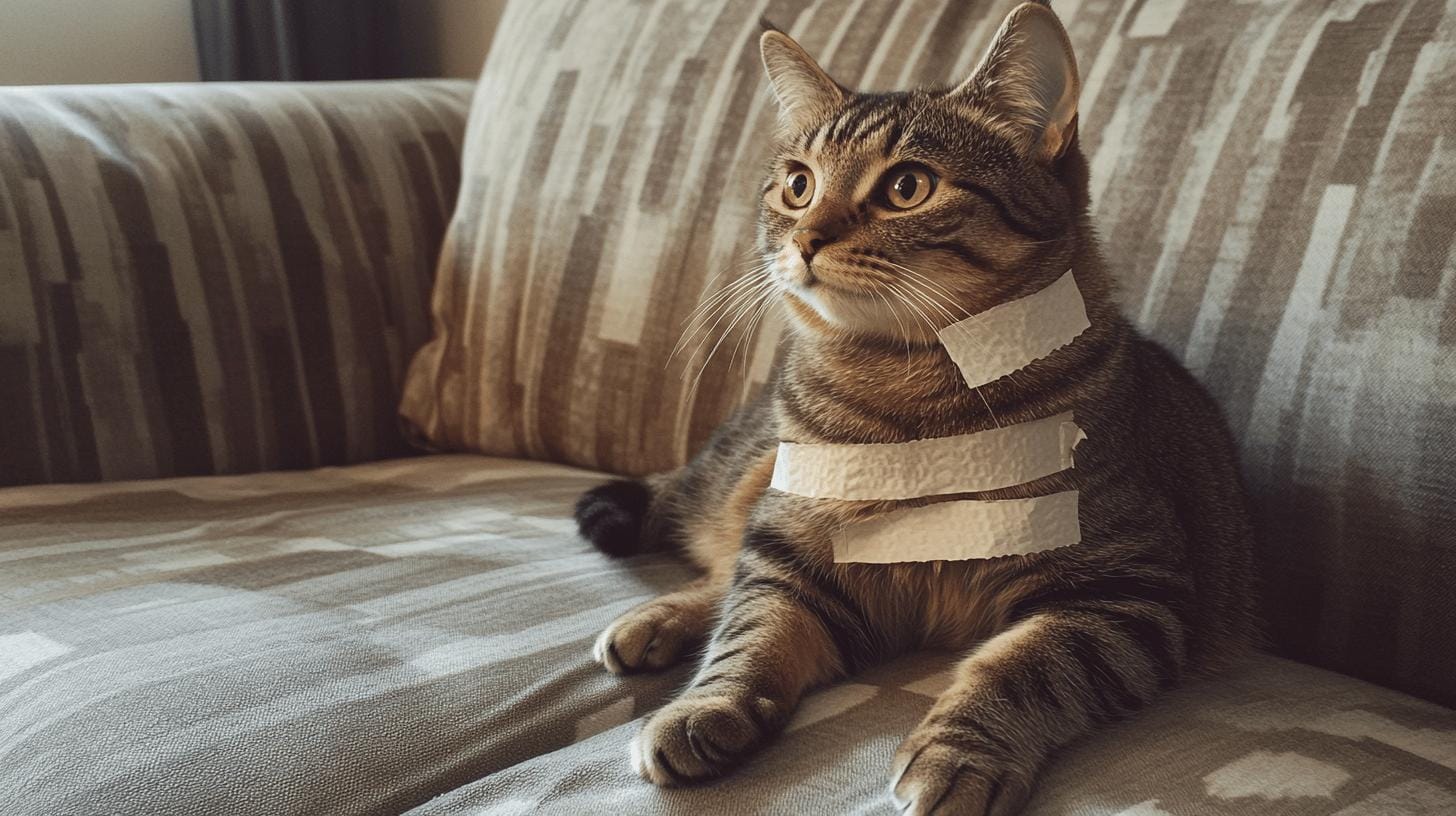
- Use Deterrents: Try double-sided tape or furniture covers.
- Trim Their Claws: Regular trimming can minimize damage.
- Offer Variety: Use different materials like sisal or cardboard.
- Positive Reinforcement: Reward your cat when they use the scratching post.
To make these strategies work, consistency is key. Place scratching posts near the furniture they target. Use deterrents on surfaces they often scratch. Trim their claws weekly to keep them from getting too sharp.
Offer praise or treats when they use their new scratching post. With time and patience, these habits will become a natural part of their routine, keeping both your cat and furniture happy.
Alternatives to Declawing: Humane Solutions
Declawing is not the right approach to stop your cat from scratching furniture. It involves amputating the cat's digits up to the first joint. This is painful and inhumane. It is like removing the last bone of a human finger.
Declawing can lead to long-term health issues like lameness, back pain, and arthritis. Cats need their claws for balance. Removing them can change their natural gait and posture. Behaviorally, declawed cats might become more aggressive.
They can't defend themselves well. They may also avoid litter boxes because litter can hurt their healing paws. Many countries, and some US cities, have banned declawing due to these negative effects.
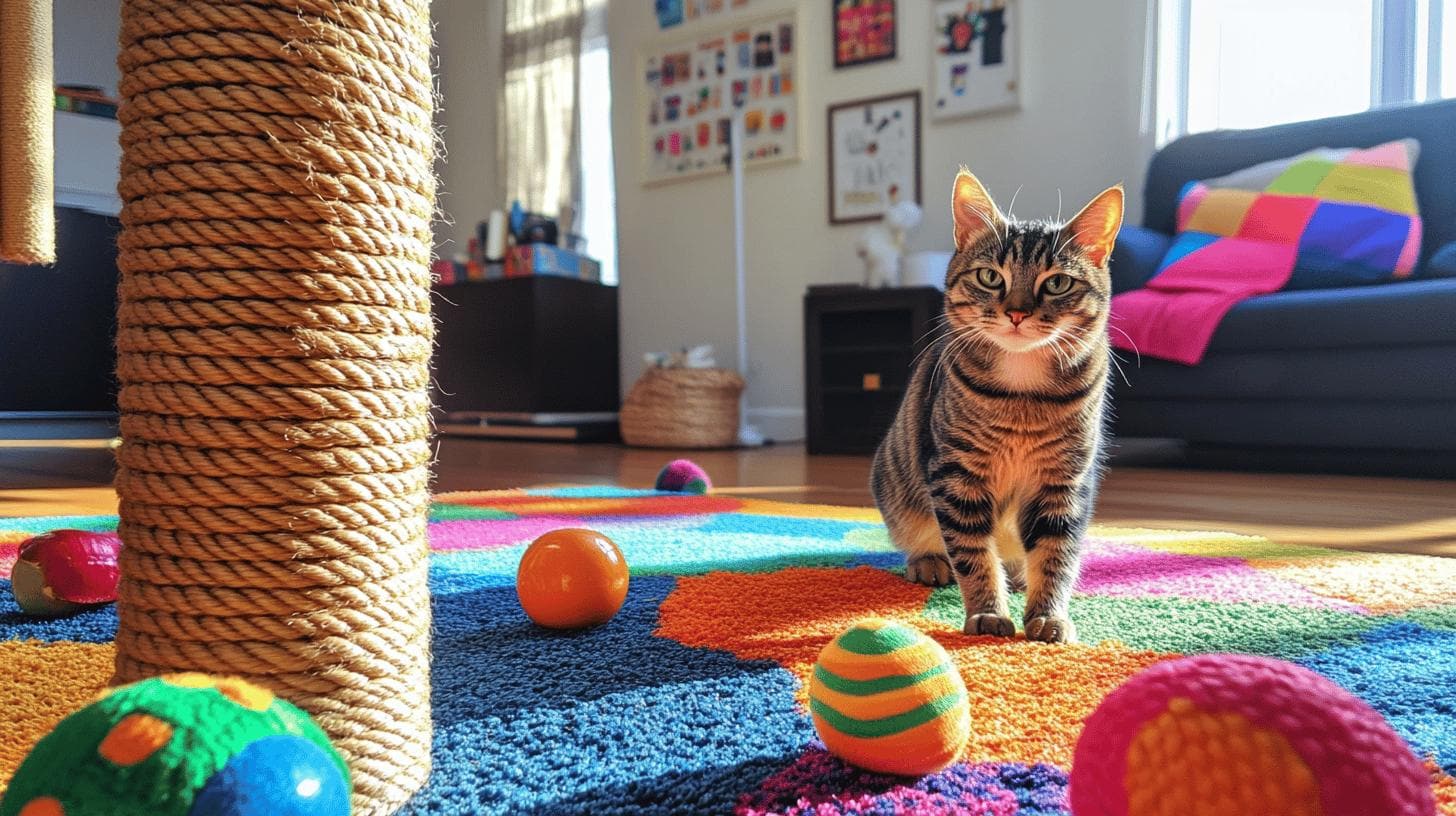
Try humane alternatives that respect your cat's instincts. Trim your cat's claws every few weeks with clippers made for cats. Use deterrents like double-sided tape or furniture covers to stop scratching. Place scratching posts near furniture. Reward your cat with treats and praise when they use these posts. By understanding and meeting your cat's needs, you can keep your home happy without harm.
Comprehensive Guide to Effective Training and Reinforcing Positive Behavior
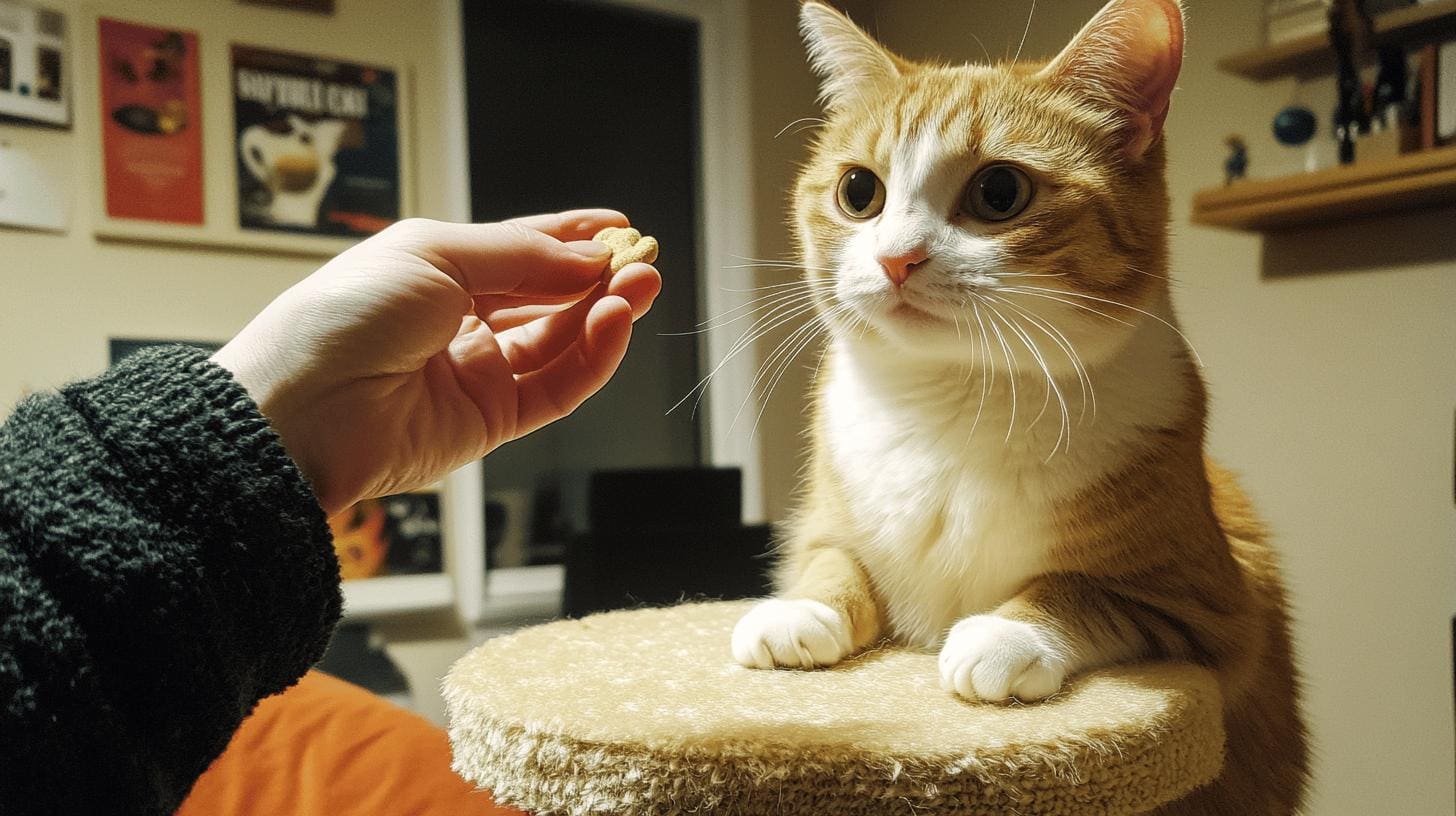
Training a cat not to scratch furniture benefits from a structured approach. Positive reinforcement is key. By rewarding good behavior, you guide your cat toward desirable actions. Implementing a 7-day training plan can redirect their scratching instincts to appropriate objects like scratching posts.
Here's a simple 7-day plan to help train your cat:
-
Day 1: Place scratching posts near the furniture your cat usually scratches. Use catnip or toys to make the posts appealing.
-
Day 2: Watch your cat. If they go to scratch furniture, gently redirect them to the post. Praise them for using it.
-
Day 3: Apply double-sided tape to furniture. The texture is unpleasant, discouraging scratching.
-
Day 4: Keep redirecting your cat and offer treats when they use the post. This reinforces good behavior.
-
Day 5: Encourage play around the scratching post. Use toys to make the post a positive spot.
-
Day 6: Stick to the routine of redirection and reward. Consistency helps your cat learn.
Positive interactions are effective. Rewarding your cat with treats or praise when they use the scratching post gives immediate feedback. Interactive play makes the post part of their fun time. When the post becomes enjoyable, they're more likely to use it.
Consistency and patience are crucial. Cats need time to change habits. Celebrate small wins when they choose the post over furniture. Your steady guidance helps them learn expectations. Remember, patience is vital as each cat learns differently.