Hypoallergenic cat breeds bengal Bring Allergy Relief

Ever feel that tickle in your nose the moment your kitty hops into your lap? Bengal cats might just be the answer for allergy-friendly snuggles. Their single-layer fur (one coat of hair) works like a cozy T-shirt that traps dander flakes (tiny skin bits) instead of letting them drift around. Since they carry less Fel d 1 protein (the sneeze-causing stuff), you’ll spend more time smiling and less time sniffling with your purr-fect cuddle buddy.

Bye-bye sneeze season.

Let’s explore how these spotted athletes flip sneeze season into cuddle season. Their quick grooming routines sweep away loose fur before it ever drifts through the air. I once watched my Luna leap six feet to chase a feather toy, and it was a delight. And that satin-smooth coat feels like silk on your skin and really helps ease your sniffles.

Hypoallergenic Traits and Suitability of Bengal Cats
- Hypoallergenic Traits and Suitability of Bengal Cats.jpg

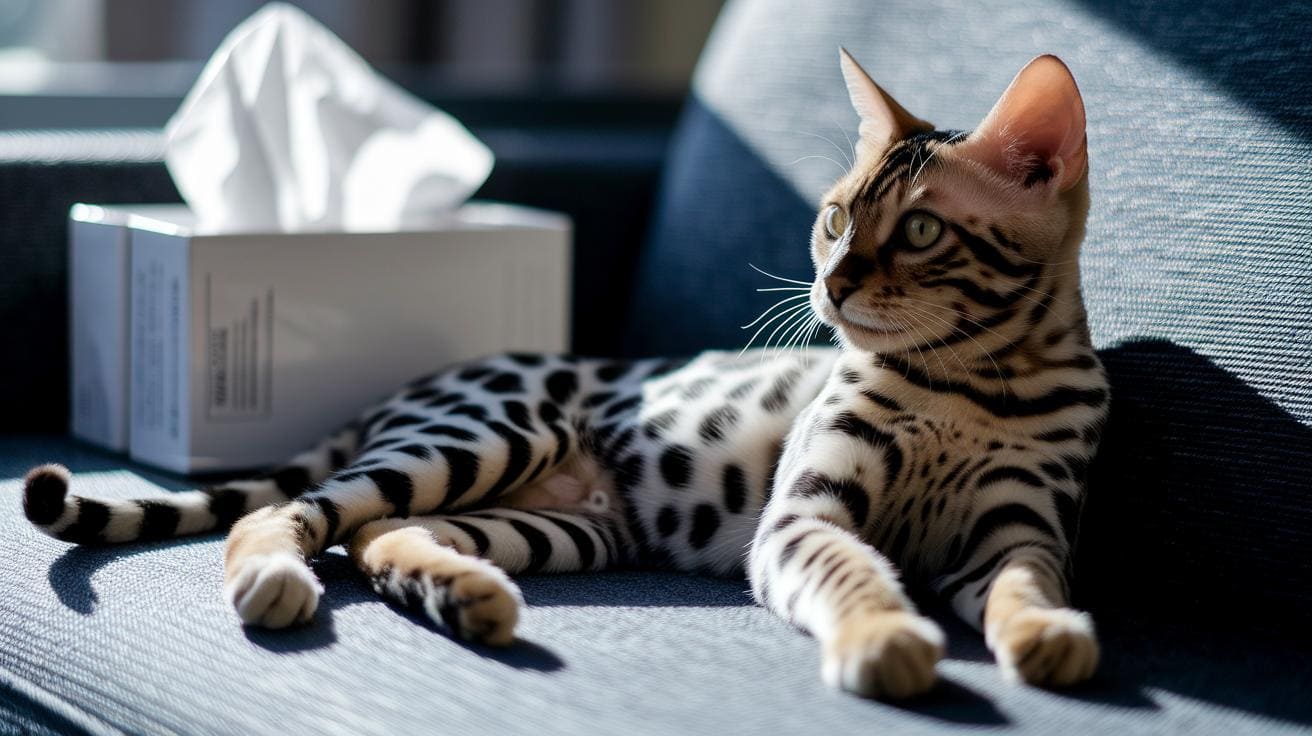
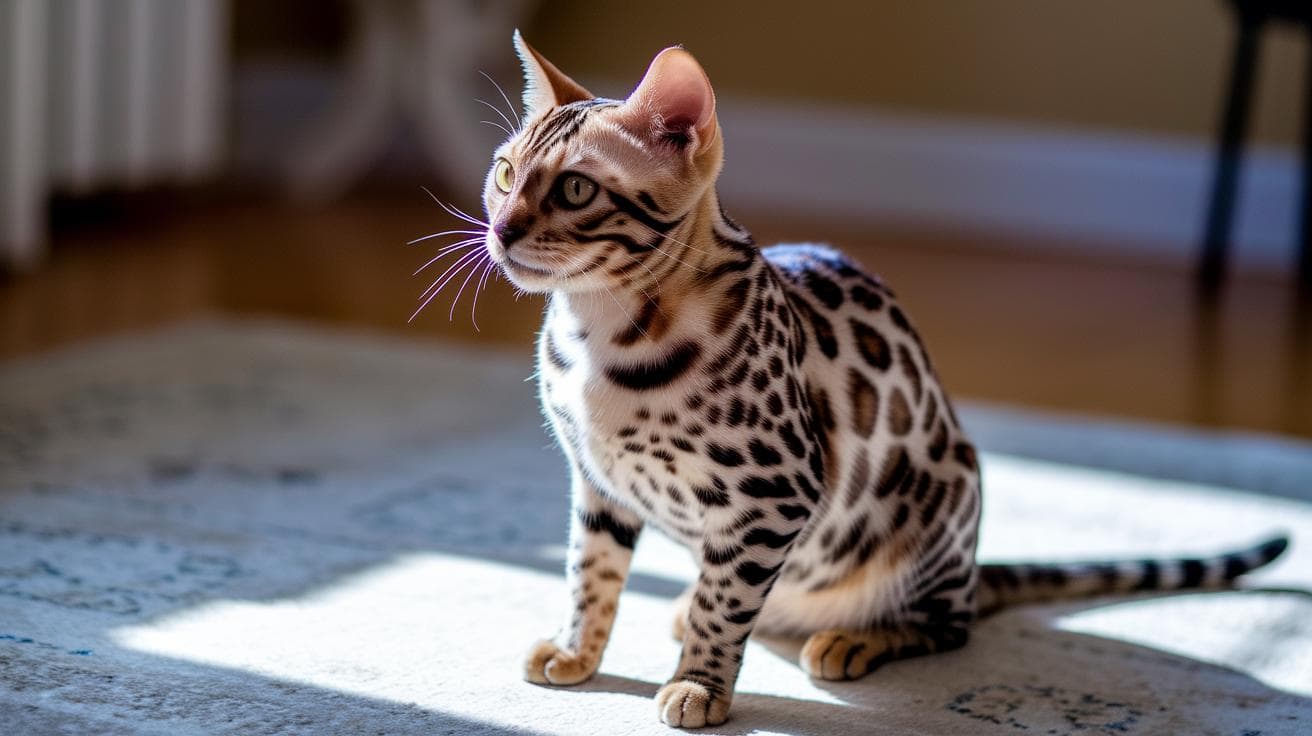
Ever wondered if Bengal cats are hypoallergenic? Their short, satin-smooth coat traps fewer dander flakes. With just one layer of fur (not the usual fluffy double coat), they spread less of the Fel d 1 protein (the sneeze-maker). Think of it like a tight T-shirt instead of a fluffy sweater. It locks in loose particles instead of flinging them around.

They groom a bit less than long-haired kitties. Um, so you’ll see fewer stray hairs and less allergen-filled saliva lying around. If your allergies are on the mild side, a Bengal could mean fewer sneezes and clearer eyes. No cat is a total zero-allergen, but Bengals have the edge over their fluffier friends.

But they bring way more than allergy help. These little athletes turn a simple room into a mini obstacle course. You’ll catch chases, high jumps, and that blur of spotted fur as they swat at a toy. Ever felt the thrill of a silent pounce? It’s pure cat magic.

Allergies can be tricky, you know. So it’s smart to meet a Bengal first. If your sniffles stay in check and your eyes feel fine, this feisty, chatty friend might be just what you need. Worth the paw-venture?

Bengal Cat Allergen Profile: Fel d 1 Protein, Dander, and Shedding
- Bengal Cat Allergen Profile Fel d 1 Protein, Dander, and Shedding.jpg

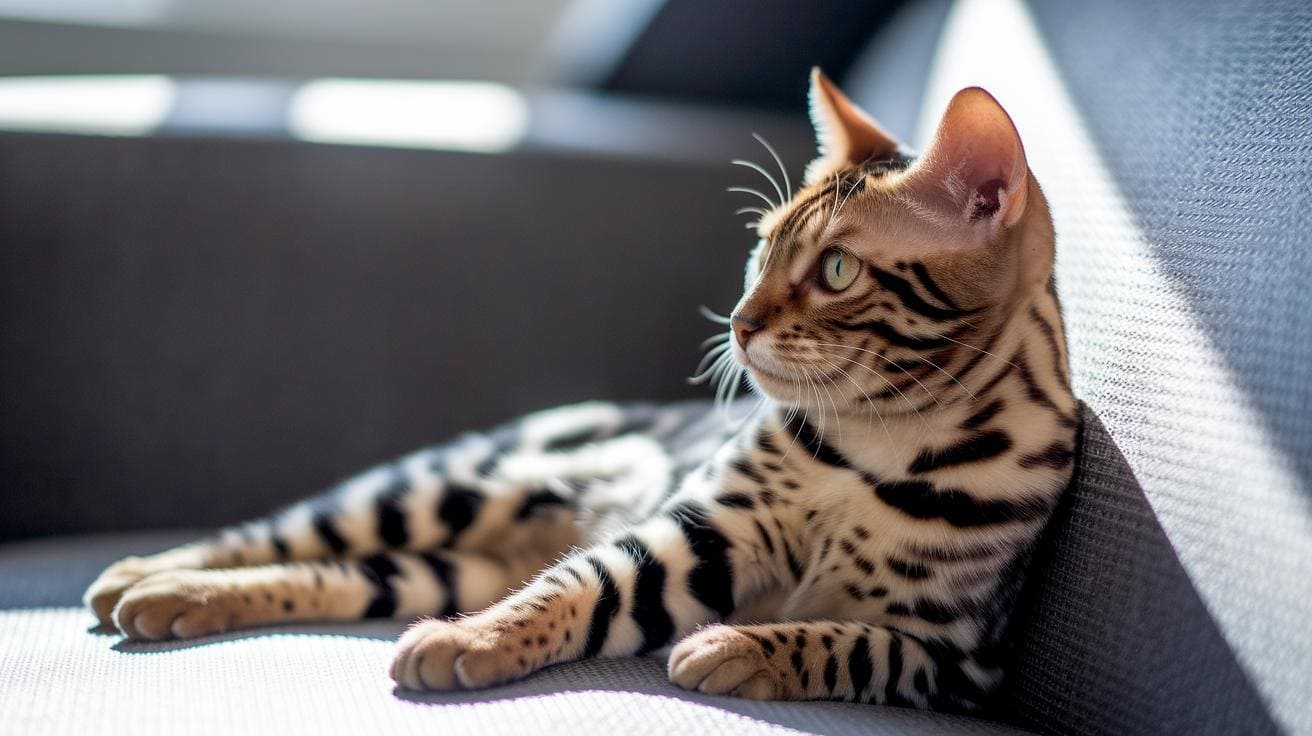
Ever wonder what makes you sneeze around cats? It’s Fel d 1 (the sneeze-causing protein) lurking in saliva, skin oils, and even urine. That’s the main culprit behind those itchy eyes.

Bengals don’t shy away, they carry just as much Fel d 1 as other breeds. But they’re tidy little athletes. With only one fur layer (no fluffy undercoat) and nonstop self-grooming, they send fewer dander flakes (tiny skin bits) into the air.

Imagine dust bunnies replaced by a light sprinkle of confetti. You’ll still feel a tickle, but not a full-on snowstorm of flakes when your Bengal zooms by.

Worth every paw-print.

Bengal vs Other Hypoallergenic Cat Breeds: Comparative Allergen Overview
- Bengal vs Other Hypoallergenic Cat Breeds Comparative Allergen Overview.jpg

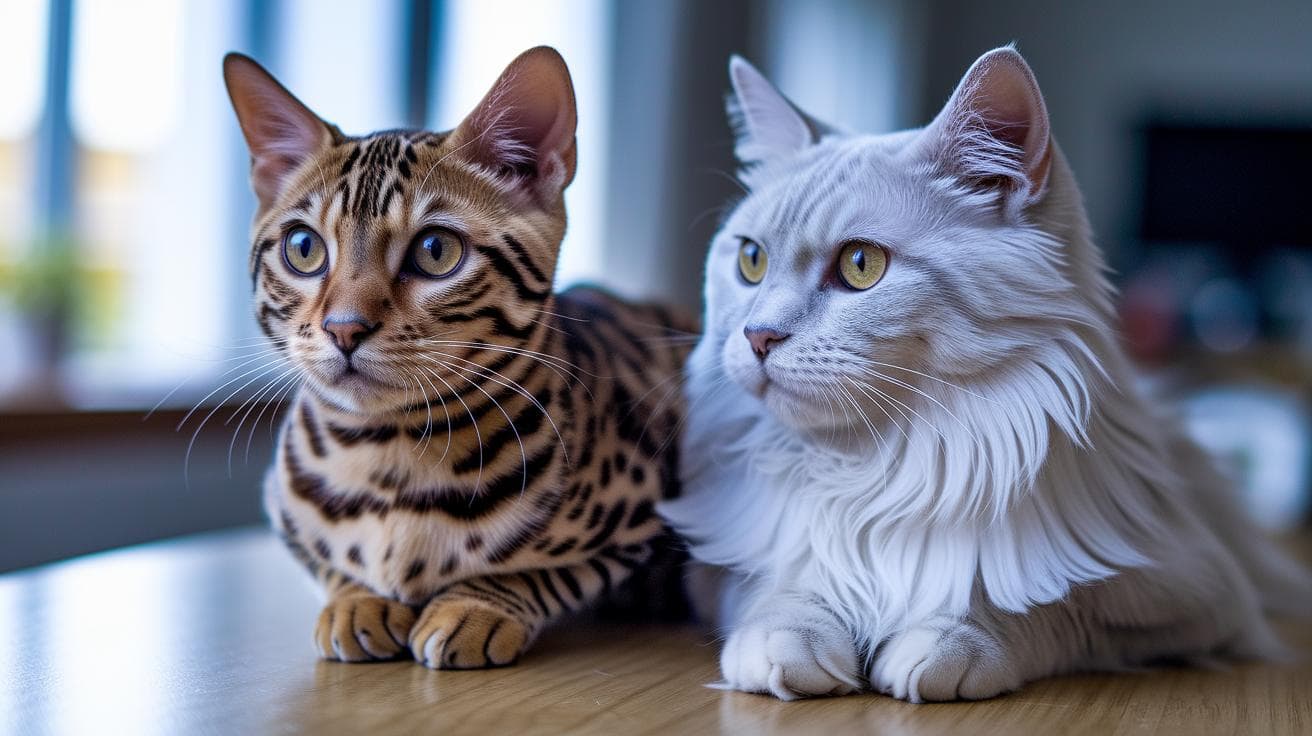
Picture a cat line-up at the allergy Olympics: Bengal, Siberian, Balinese, Sphynx, Devon Rex, and Russian Blue. This table breaks down the Fel d 1 protein levels, how much fur gets flung, and coat styles. Toss in a Siberian vs Bengal hypoallergenic traits debate or ponder a Sphynx vs Bengal hypoallergenic comparison, and you’ve got your cheat sheet to pick a friend who keeps your sinuses happier.

Breed Fel d 1 Level Shedding Coat Type
Bengal Moderate Low Short single-layer coat
Siberian Low Heavy Thick triple coat
Balinese Moderate Low Single long coat
Sphynx Low Minimal Hairless (requires skin care)
Devon Rex Moderate Low Curly short coat
Russian Blue Moderate Moderate Dense plush fur

Russian Blues have that dense plush fur that muzzles but still holds onto allergens like a sneezy time capsule. Devon Rex cats sport curly short locks that snatch dander close, so flakes don’t fly far. Balinese beauties rock a single long coat, shedding fewer loose hairs but still needing a gentle brush.

Sphynx pals are hairless champs, they practically erase airborne allergens though they need regular skin care to keep oils in check. Siberians produce slightly less Fel d 1 but drop a flurry of fur thanks to their thick triple coat. You’ll find tumbleweeds in corners when they blow coat season, though the lower allergen output can be worth the daily vacuum dance.

And Bengals? They hit the sweet spot. Their sleek, one-layer coat means fewer stray hairs zooming around the house, while the average Fel d 1 levels stay steady. It’s like having the energy of a Bengal athlete without the sneeze-inducing fluff.

Curious about other low-allergen pals like Ragdoll? See Are Ragdoll Cats Hypoallergenic.
Effective Grooming and Environment Strategies for Bengal Cat Allergy Management

- Effective Grooming and Environment Strategies for Bengal Cat Allergy Management.jpg

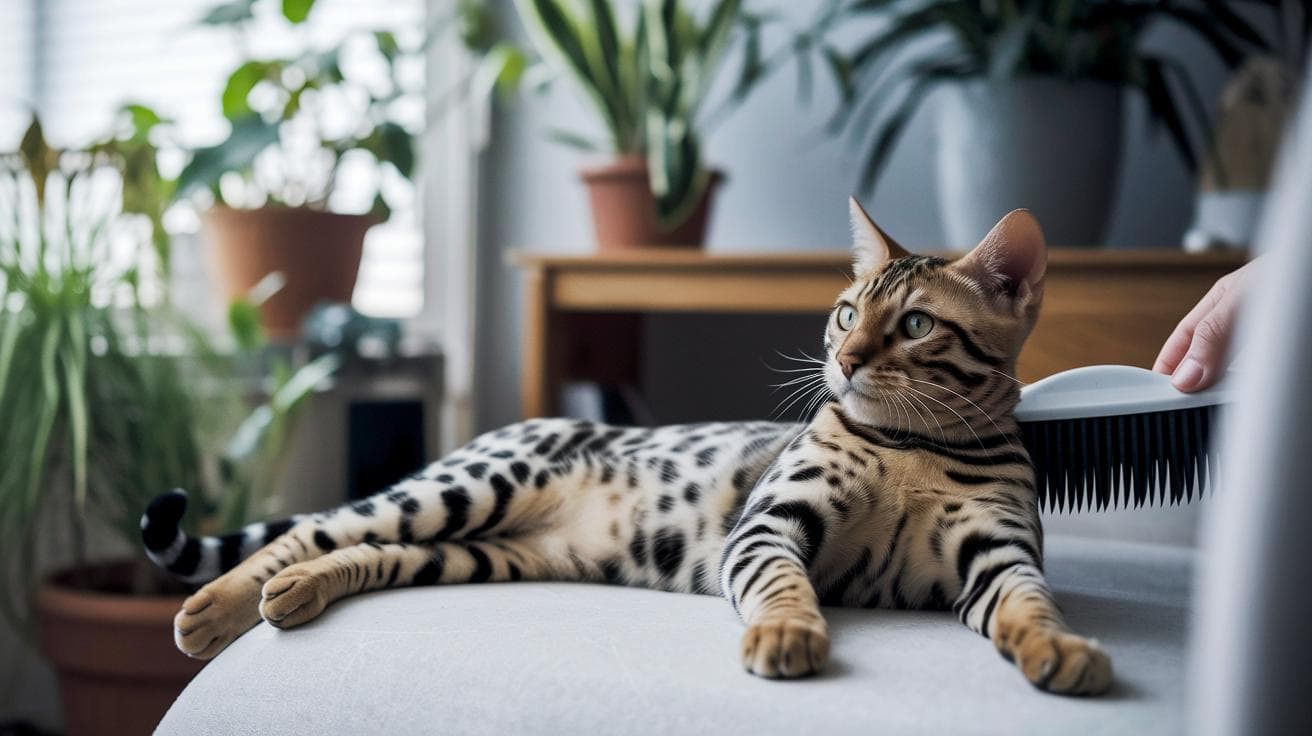
  • Brush your Bengal 2 or 3 times a week with a soft-bristle brush (nylon bristles that feel gentle on fur). You’ll hear tiny plucks of loose hair and see dander before it floats around.
  • Wipe down sleek fur once a week with a damp microfiber cloth (super-fine cleaning cloth). It picks up skin flakes (tiny bits of skin) and leaves your kitty’s coat smooth.
  • Give an occasional mini spa day, a quick bath with pet-safe shampoo and an allergen-neutralizing spray (cuts down Fel d 1, the main sneeze-maker). Oops, make that every few weeks so skin stays soft.
  • Vacuum floors and furniture daily with a HEPA-filtered vacuum (a filter that traps tiny particles). Then swipe hard surfaces with a slightly damp microfiber cloth. Listen to the rumble and watch dust bunnies vanish.
  • Keep your bedroom a cat-free zone and switch to allergen-resistant bedding so those sneeze-causing proteins stay in the living room, not on your pillow. Worth it for peaceful Zs.
  • Run a high-capacity air purifier with a HEPA filter in common rooms. This gadget hums along, pulling airborne fur and dander right out of the air.

Stick with this easy routine and those floating fluff monsters will shrink. More allergy-free cuddle time with your Bengal buddy. Totally paw-fect.

Nutrition and Health Care Practices to Minimize Bengal Allergens

- Nutrition and Health Care Practices to Minimize Bengal Allergens.jpg

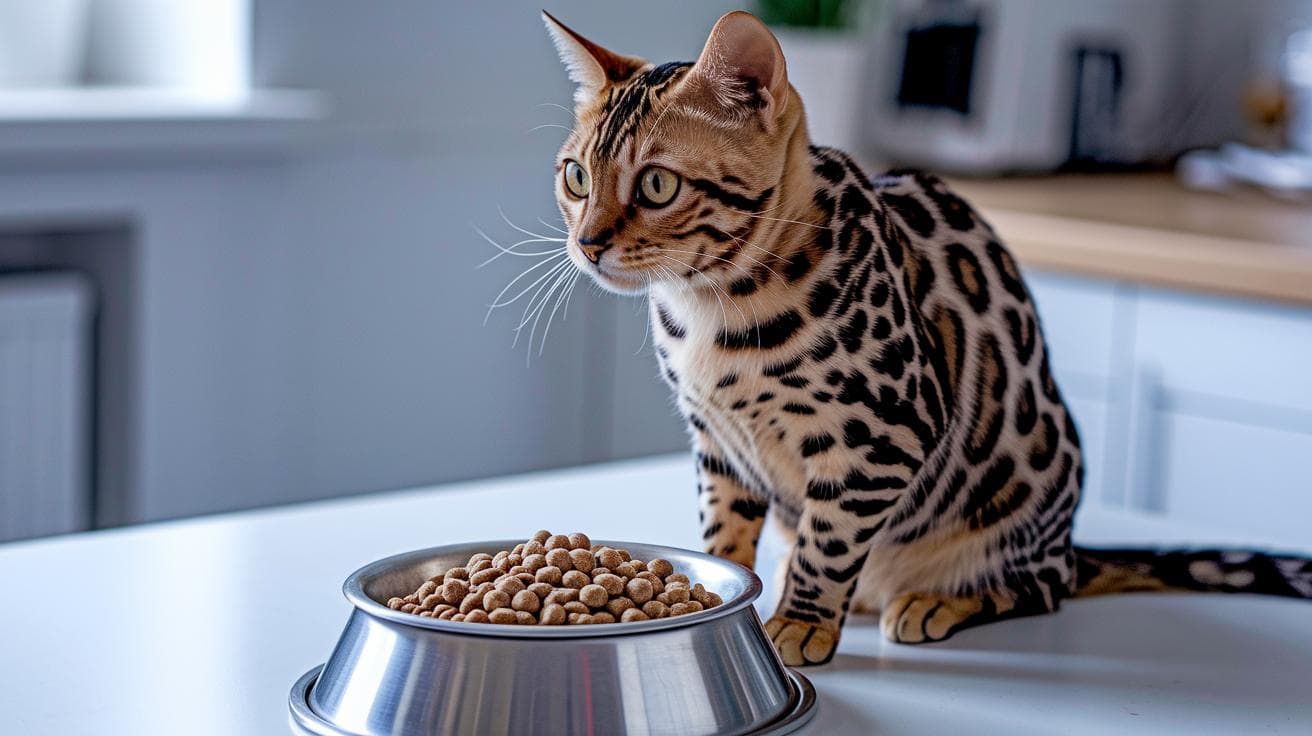
Ever watched your Bengal shake off a dust cloud? It’s time to tame that allergy frenzy with the right diet. Start by choosing food that has at least 60% whole chicken (real chicken chunks), turkey, tuna, or salmon. Your Bengal needs that high-protein boost for strong muscles and a sleek, silky coat. Cutting out grains, dairy, and beef helps stop itchy skin and extra shedding that sends dander (tiny skin flakes) flying.

Serve wet food every day to keep your cat hydrated. The soft bits in gravy improve skin elasticity (how stretchy your cat’s skin is), so fewer flaky pieces drift into the air. You’ll spot less powdery dust on your shelves, and your hand will glide over that satin fur.

Omega-3 supplements (essential fatty acids) are like a mini spa treatment in a pill. In about 16 weeks you’ll notice a shinier coat, calmer skin, and fewer allergens. Claw-tastic, right?

Thinking about raw? Um, it can really amp up coat health if you’re strict about cleanliness. Use a separate cutting board and wash your hands right away, no cross-contamination with harmful bacteria.

With diet, hydration, and supplements teaming up, your Bengal’s coat stays lush and dander drops to a minimum. More cuddle time, fewer sneezes.

Purr-fect.

Pros and Cons of Adopting Bengal Cats for Allergy Sufferers

- Pros and Cons of Adopting Bengal Cats for Allergy Sufferers.jpg

  • Active companionship: zoomies across the living room, vaulting leaps onto bookshelves, and chatty meows that keep you smiling.

Bengals shed less and spread lower levels of Fel d 1 compared to most breeds, but they still trigger allergies for some. They demand a strict upkeep plan, weekly brush sessions, frequent vacuuming, and a HEPA filter humming in the corner. Folks with asthma might notice wheezing if dander levels rise. In the end, Bengal cats can ease mild allergy symptoms, but success hinges on consistent grooming, cleaning, and careful monitoring of any respiratory changes.

Final Words

In the action, we covered Bengal cats’ satin-smooth coats and lower Fel d 1 protein, compared their allergen profile to other breeds, and shared practical grooming and home strategies.

We also explored diet tweaks and omega-3 boosts to keep their skin healthy, then balanced the pros and cons of welcoming Bengals into allergy-prone households.

With these insights, hypoallergenic cat breeds bengal offer playful, low-allergen companionship for busy multi-cat homes, purr-fectly positive for both you and your kitties.

FAQ

Are Bengal cats hypoallergenic and suitable for allergy sufferers?

Bengal cats are often called hypoallergenic because their short, single‐layer coat sheds less Fel d 1 (the main cat allergen), making them more tolerable for people with mild cat allergies.

How much do hypoallergenic Bengal kittens cost and where can I find them?

Hypoallergenic Bengal kittens usually range from $800 to $2,000, depending on pedigree and breeder. Reputable breeders and breed‐specific rescues list available kittens on their websites and verified cat-breeding platforms.

Is a Siberian cat hypoallergenic?

Siberian cats can be tolerable for some allergy sufferers because they produce lower Fel d 1 levels, but their thick triple coat sheds heavily, which may spread more dander than breeds like the Bengal.

What is the #1 most hypoallergenic cat breed?

The Sphynx is widely considered the most hypoallergenic cat breed since it lacks fur, so it sheds minimal dander and distributes fewer airborne allergens—though regular skin care is essential.

Related Articles

Author

  • Isabella Tiu

    Isabella Tiu is a transcriptionist from Calhoun, Florida, known for her sharp attention to detail and her commitment to providing accurate and efficient transcription services. With a passion for language and communication, she thrives on transforming spoken words into clear, readable content for her clients.

    When she's not working, Isabella enjoys hiking and camping, finding peace and inspiration in the beauty of the outdoors. She often says, “The best lessons are often learned in nature,” a philosophy she embraces both in her work and personal life.

    Isabella’s love for both her craft and the natural world reflects her belief in continuous learning and exploration.

    View all posts

Similar Posts