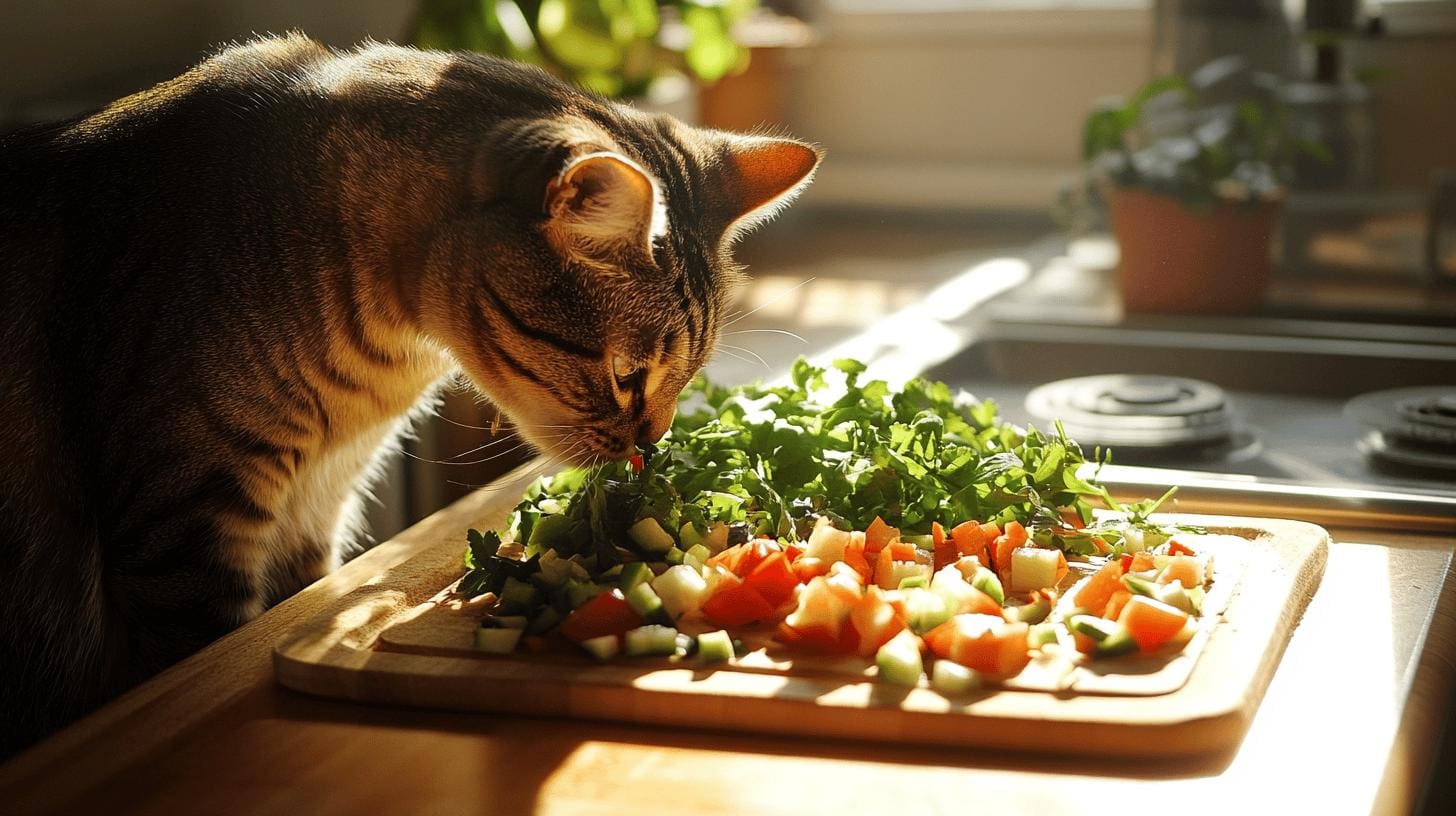
Is it really necessary to consider vegetables in your cat's diet? Surprisingly, a few well-chosen veggies can complement their meaty meals. As a cat owner committed to your pet's well-being, you might wonder, "What vegetables are both safe and nutritious for my feline friend?" Let me guide you through which veggies are friends and which to avoid. We'll explore preparation tips and the unique benefits each option brings, ensuring your cat's diet remains balanced, tasty, and safe with Titan Claws' help.
Safe Vegetables Cats Can Eat
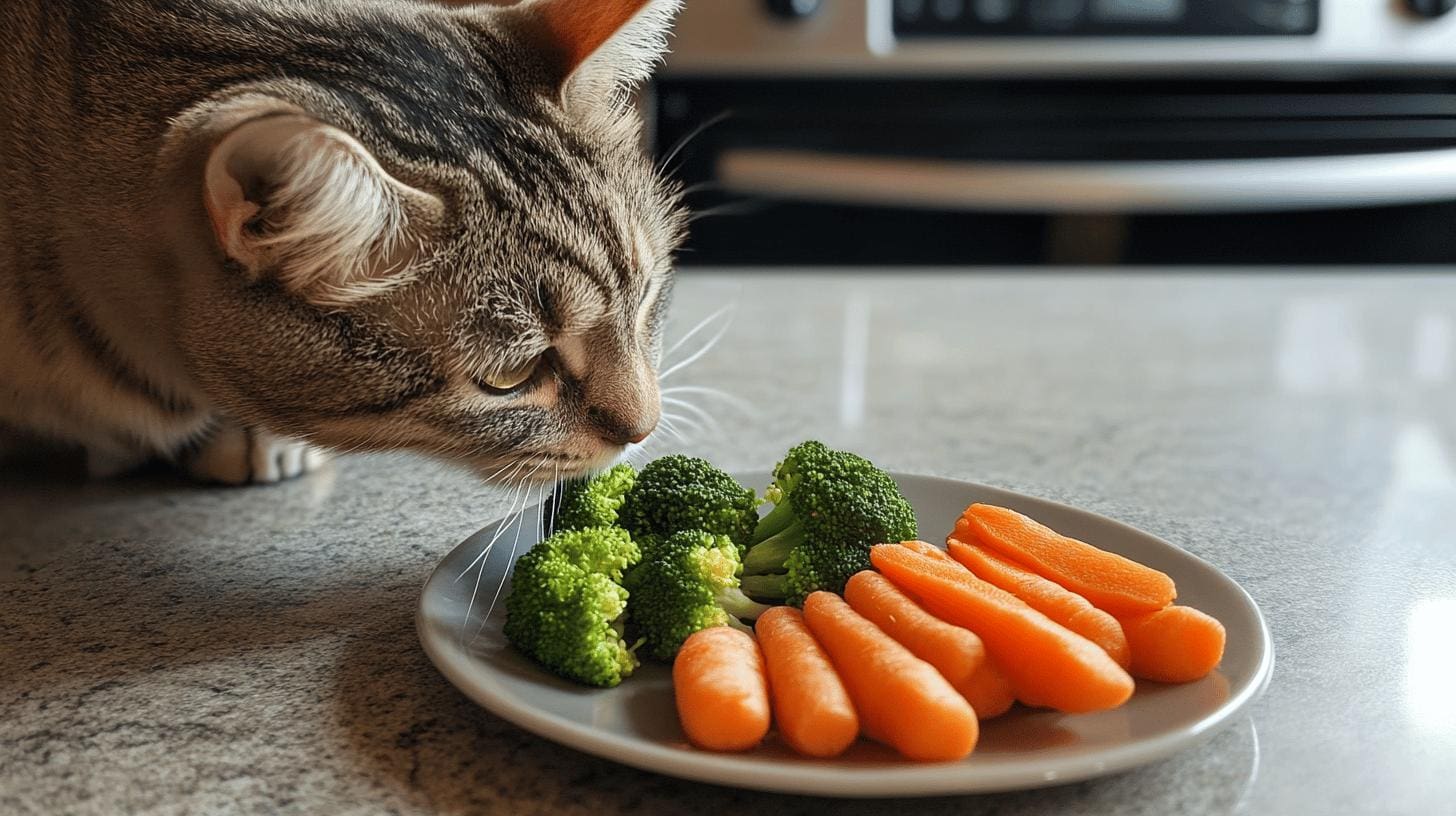
When it comes to feeding cats vegetables, moderation and proper preparation are key. Here are some vegetables that are safe for cats to enjoy, along with their nutritional benefits and preparation tips:
-
Broccoli: Cooked broccoli is a great option for cats. It aids digestion and can help soothe stomach issues. Make sure it's cooled before serving.
-
Peas: These are low-calorie treats that many cats enjoy. Peas can be fed cooked or fresh, but always in moderation.
-
Cooked Carrots: Packed with vitamins, carrots should be cooked to prevent choking hazards. They can be a healthy addition to your cat's diet.
-
Cucumber: This vegetable provides moisture and can be served raw. Peel and wash the cucumber before offering it to your cat.
-
Asparagus: Cooked asparagus can help deter plant chewing and aid with stomach issues. Always cook asparagus to prevent choking.
-
Zucchini: A low-calorie and hydrating option. Make sure to cook it before serving to your feline friend.
Steps for Introducing Vegetables
Introducing vegetables to your cat should be done gradually to ensure they tolerate them well. Here are some tips:
- Start with small amounts to assess your cat's tolerance.
- Steaming is a preferred cooking method as it preserves the nutritional content of the vegetables.
- Serve vegetables plain, without seasoning or additives, which can be harmful to cats.
- Monitor your cat for any signs of digestive distress or allergies. If your cat shows any adverse reactions, discontinue the vegetable and consult your veterinarian.
Feeding cats vegetables can be a healthy practice if done right. Remember, vegetables should only be an occasional treat, up to three times a week, and should never replace the primary meat-based diet cats require. Keep an eye on your cat's reaction to new foods and ensure their diet remains balanced and nutritious.
Vegetables Cats Should Avoid
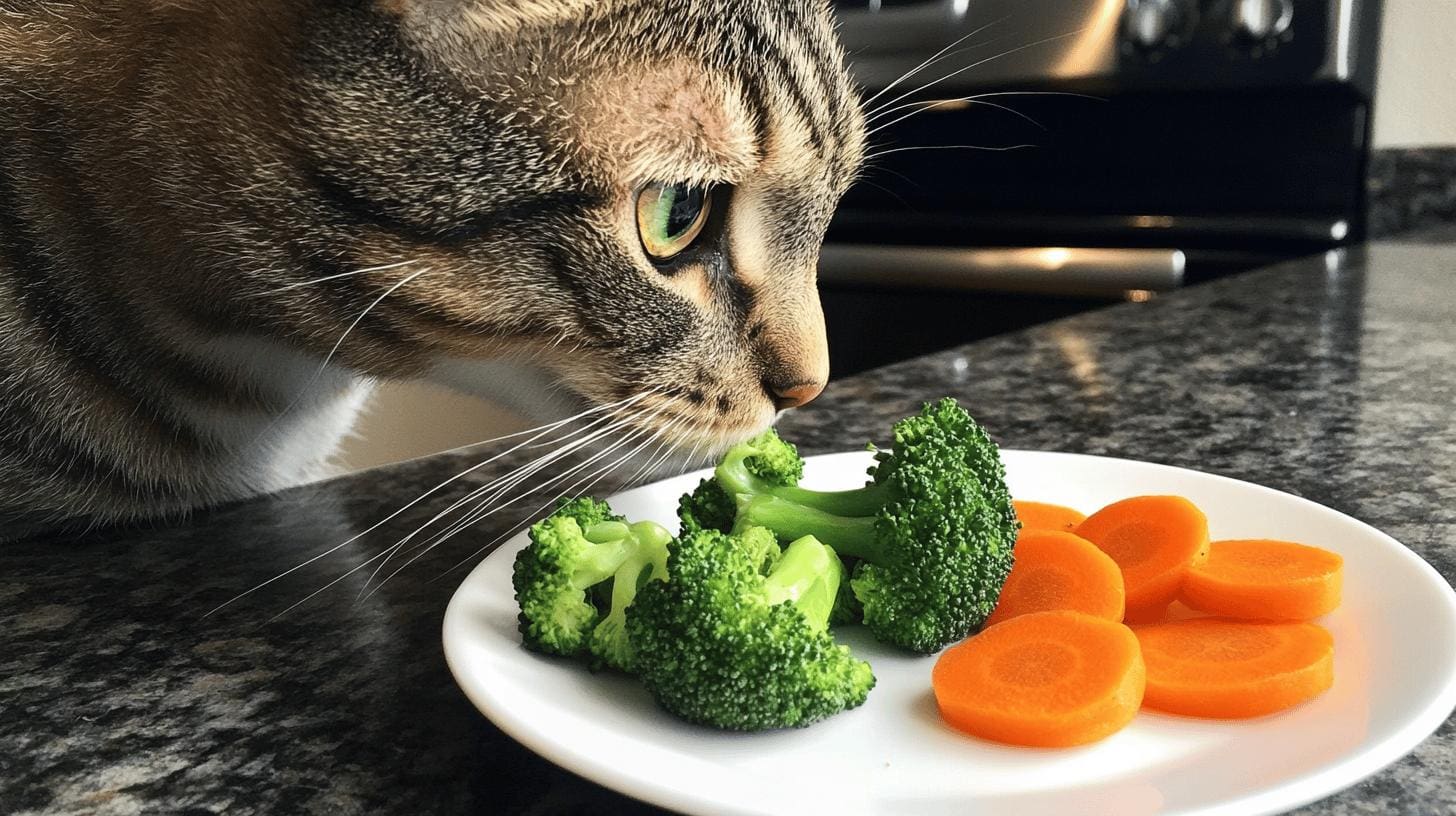
Certain vegetables pose significant health risks to cats, and it's crucial to keep them out of your feline friend's diet. Cats have specific dietary needs as obligate carnivores, meaning they thrive on a meat-based diet. Introducing toxic vegetables into their meals can lead to severe health issues, including gastrointestinal distress and even more serious conditions. Understanding which vegetables are harmful is essential for any cat owner.
-
Garlic: Garlic can cause gastrointestinal upset and has the potential to damage red blood cells in cats, leading to a condition known as hemolytic anemia.
-
Tomatoes: Unripe tomatoes and the tomato plant itself contain solanine, which is toxic to cats. Consumption can result in nausea, vomiting, and other digestive issues.
-
Onions: Onions are highly toxic to cats and can cause anemia and serious digestive problems. Even small amounts can be harmful, as they damage red blood cells.
It's vital to avoid feeding these vegetables to your cat entirely. While some human foods can be shared with our feline companions, these particular vegetables should never be part of their diet. Always be cautious about what your cat has access to, ensuring that any food within their reach is safe and free from harmful ingredients. If you suspect your cat has ingested any of these toxic vegetables, seek veterinary assistance immediately.
Nutritional Benefits of Vegetables for Cats
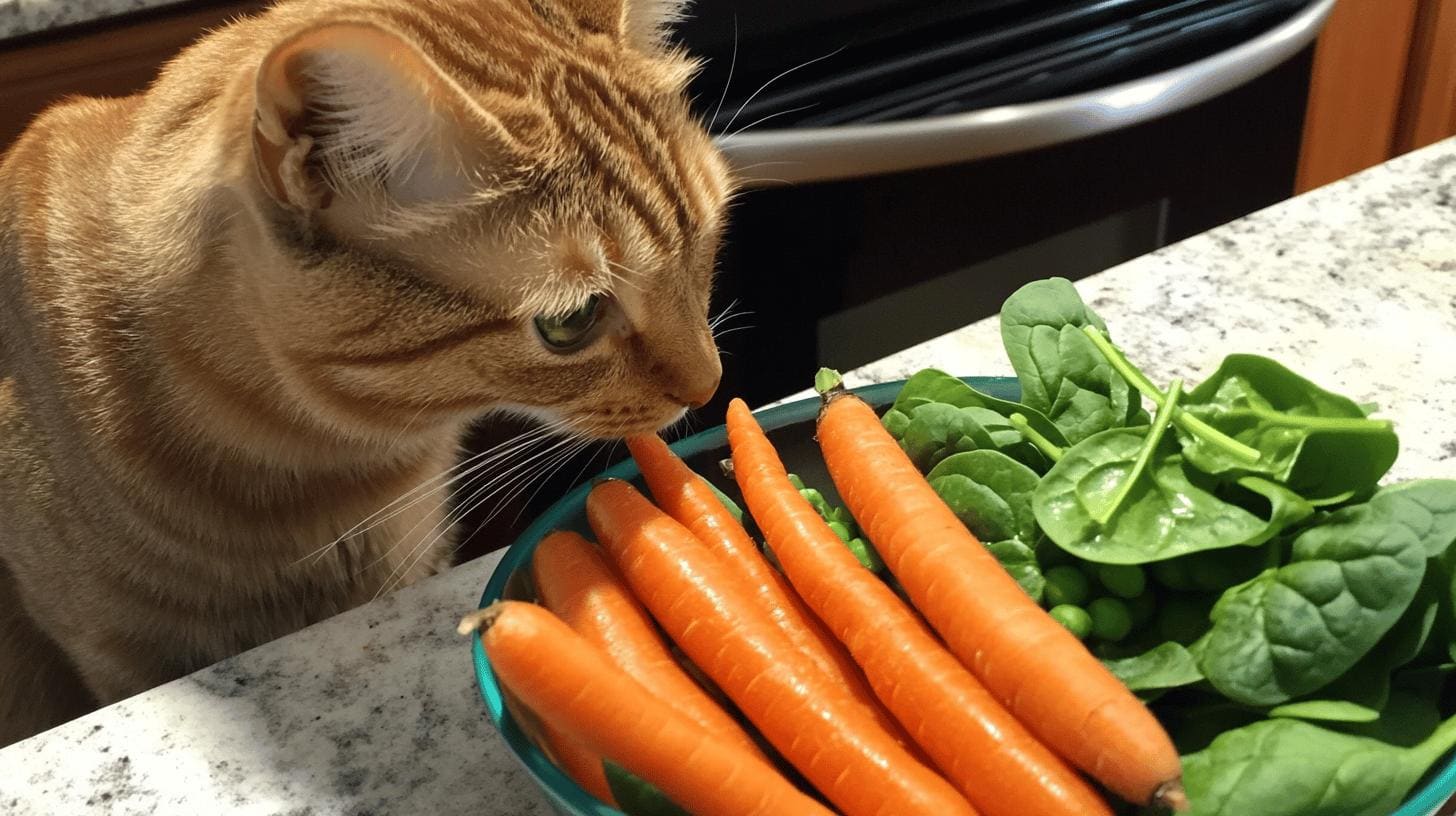
Carrots
Carrots are rich in beta-carotene, which is converted into vitamin A. This nutrient is vital for enhancing skin and fur health in cats. While they also support vision and immune function, cooked carrots can be a tasty way to improve your cat’s coat and skin.
Spinach
Spinach is a staple in many cat foods due to its high nutritional content. It provides iron and calcium, crucial for healthy blood and bones. The vitamins A, C, and K found in spinach contribute to overall well-being. Feed it in moderation, especially to cats with urinary tract concerns, as it contains calcium oxalate.
Green Beans
Green beans have a nutrient-dense profile beneficial for weight control. They are low in calories and high in fiber, which aids digestion and helps cats feel full, reducing overeating tendencies. Fresh or cooked green beans can be a crunchy addition, delivering essential vitamins and minerals.
| Vegetable | Nutrient Benefits |
|---|---|
| Carrots | Beta-Carotene for Skin and Fur Health |
| Spinach | Iron and Calcium for Blood and Bone Health |
| Green Beans | Fiber for Weight Management and Digestion |