
Your cat licks your hand for reasons that run deeper than habit or taste. While it might seem like a strange habit, this behavior is more than just a quirk. As a cat owner, discovering the reasons behind your furry friend's actions can enrich your relationship and improve your cat care skills. Cats have their own ways of showing affection and communicating with us. By unpacking the reasons why your cat licks your hand, you'll gain insights that can make your playtime and bond even stronger.
Understanding Why Cats Lick Your Hand and Other Reasons
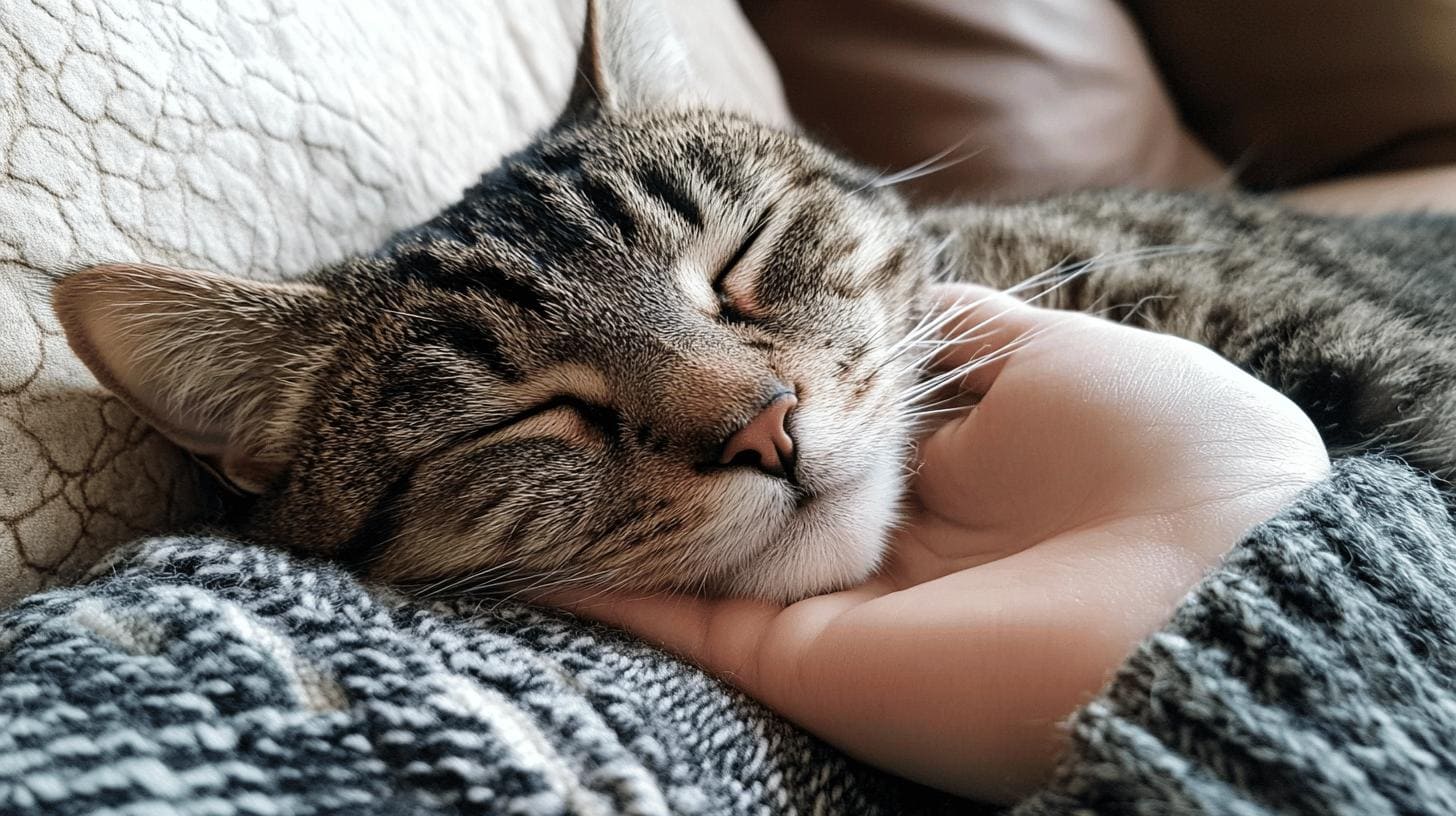
Cats licking your hand can be a quirky and endearing behavior, but it's deeply rooted in their instincts and social practices. The reasons behind this behavior are grounded in cat biology and social instinct.
Grooming
Cats are meticulous groomers. When they lick your hand, they're often mimicking the grooming behavior they share with other cats. This is a natural extension of their instinct to maintain cleanliness and comfort. By licking you, cats are showing that they consider you part of their social group. It’s a behavior they might have learned as kittens when their mothers groomed them.
Taste
Ever noticed how your cat seems particularly interested in licking you after a workout or on a hot day? Your skin carries a salty taste from sweat, which can be quite appealing to cats. They are naturally attracted to the flavor of salt, which is why you might find them licking your hands more frequently in these situations.
Affection
Licking is one of the ways cats express affection. Just as they groom each other to establish and maintain social bonds, licking you is a sign of trust and love. This behavior signifies that your cat feels safe and content in your presence. It’s their way of saying, "I care about you."
Attention-Seeking
Cats are smart creatures and quickly learn what behaviors get a reaction from their humans. If a cat learns that licking your hand results in petting, playtime, or a treat, they might use this behavior as a way to get your attention. It’s a form of communication, asking for interaction or expressing a need.
Here are some key reasons why your cat might lick your hand:
- Grooming: Reflects natural cat behavior and social bonding.
- Taste: Attraction to the salty taste of human skin.
- Affection: Sign of trust and love.
- Attention-Seeking: Communicating their needs and desires.
Understanding these behaviors can help strengthen the bond between you and your feline friend, making their quirky habits all the more endearing. Whether it's for grooming, taste, affection, or attention, when a cat licks your hand, they're engaging with you in a meaningful way.
Addressing Excessive Licking in Cats
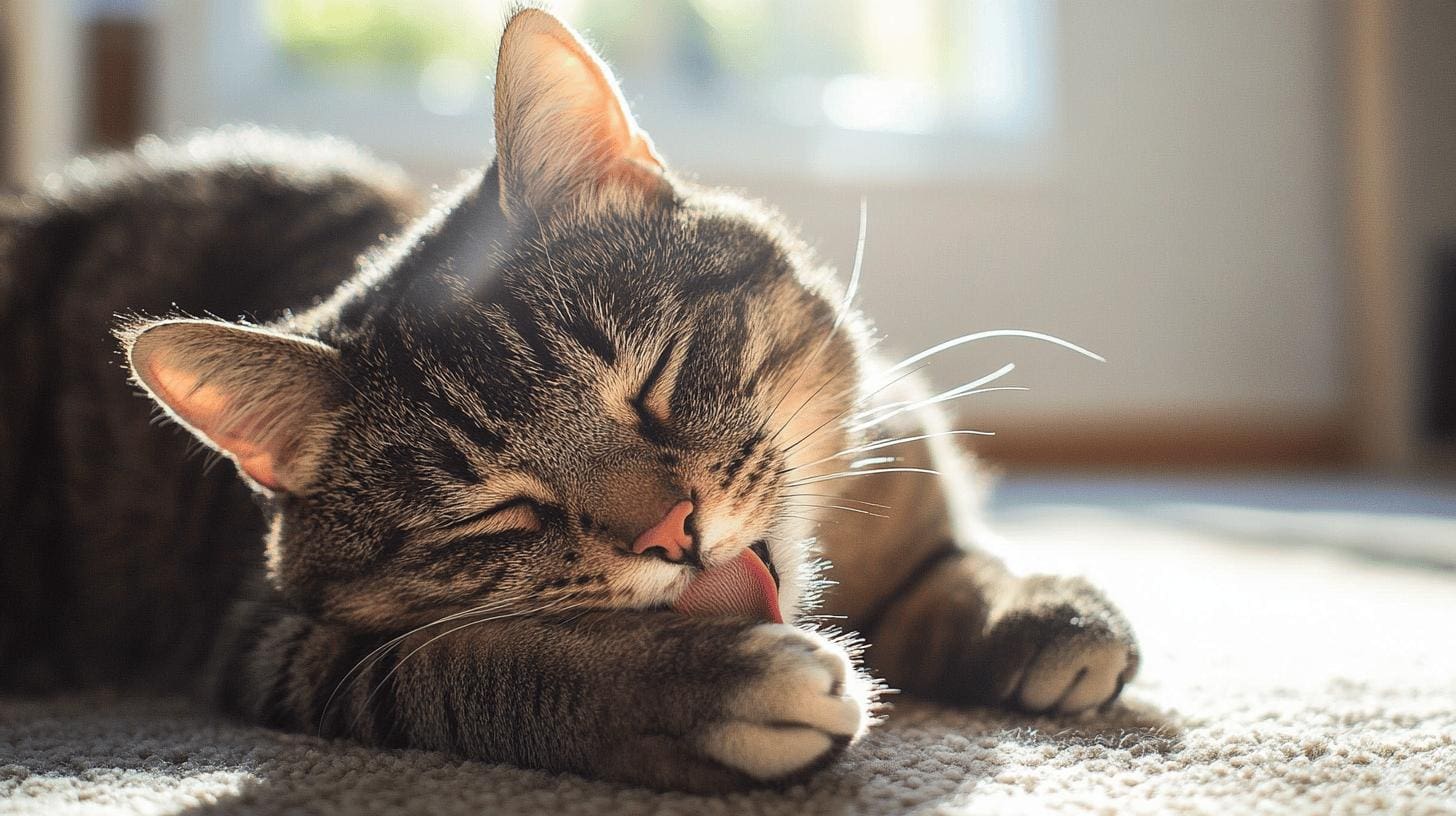
Excessive licking in cats can be more than just a quirky habit; it may signal stress, anxiety, or even boredom. This behavior is akin to nervous habits in humans, such as nail-biting. Understanding the underlying causes is crucial. Environmental stressors like changes in routine or a lack of stimulation might trigger this behavior. Health issues, too, can lead to excessive licking, making it essential to consider various factors.
Here are five strategies to address excessive licking:
- Environmental Enrichment: Provide toys, scratching posts, and climbing structures to keep your cat mentally and physically active.
- Routine Adjustments: Maintain a consistent schedule for feeding, play, and rest to reduce stress.
- Playtime Engagement: Spend quality time engaging in interactive play with your cat to fulfill their hunting instincts and provide stimulation.
- Comfort Spaces: Create safe, cozy areas where your cat can retreat and relax, which can help alleviate anxiety.
- Health Monitoring: Regularly check for any signs of physical discomfort or skin issues that might be causing the licking.
If your cat's excessive licking continues despite these efforts, it's time to consult a veterinarian. Persistent licking could indicate underlying health problems that require professional attention. A vet can assess your cat's behavior and health, providing specific guidance and interventions to help your feline friend feel more at ease.
Final Words
Understanding why a cat licks your hand can truly enhance your connection with your furry friend. We explored how grooming reflects natural instincts, the salty allure of human skin, and licking as a sign of love and bonding. Sometimes, it's simply a way for them to grab attention. Knowing these reasons for cat licking helps you appreciate these affectionate gestures more.
When faced with excessive licking, consider stress or health issues. Provide them with a comforting environment, and do not hesitate to consult a vet. Enjoy the playful bond, and cherish these moments of affection.
Sensory and Neurological Basis: Why Your Cat’s Tongue is Incredibly Sophisticated
Your cat’s tongue contains roughly 18,000 taste buds compared to humans’ 10,000. But quantity understates the difference. Feline taste receptors show extreme sensitivity to specific compounds, particularly amino acids associated with meat proteins. Your cat licks your hand partly to taste the chemical composition of your skin, analyzing what you’ve touched and eaten.
Licking also serves sensory exploration. Cats possess an extraordinary vomeronasal organ (Jacobson’s organ) located in the roof of their mouth. When cats lick, Licking gathers pheromonal information about you, activating the vomeronasal organ with every pass of the tongue, your emotional state, and your chemical composition. The licking behavior activates this specialized sensory system, transmitting information directly to their brain about your identity and current state.
Neurologically, licking activates the same pleasure pathways as purring. The gentle repetitive motion soothes your cat’s nervous system while the sensory feedback reinforces bonding. Licking you essentially means your cat is gathering reassuring information about their most important relationship while simultaneously calming themselves through the familiar behavior.
Licking Context: Interpreting What Your Cat is Really Communicating
Licking means different things depending on context. Gentle, slow licks during calm moments usually indicate affection and bonding. Your cat is essentially saying: “You are family, and I want to reinforce this connection.” These moments often coincide with slow blinks, head bunts, and purring, representing your cat’s full affection display.
Anxious or frantic licking carries different meaning. When your cat licks excessively after stressful events such as vet visits, introductions to new pets, or household upheaval, they are using licking as a self-soothing behavior. The licking releases endorphins that calm their nervous system. This is healthy anxiety management, not pathology.
Some cats lick hands during grooming sessions, treating you as a bonding partner they’re grooming. This behavior reflects the deepest trust: your cat considers you part of their family unit and extends grooming care to you. This is normal, healthy cat behavior indicating strong social bonds.
Excessive or obsessive licking directed at one person sometimes indicates preference or dependence. Cats may lick their primary caregiver more than other household members, reflecting that individual as their primary secure attachment figure. This is typical, not problematic, unless the behavior transitions into aggression or prevents the cat from other activities.