Is your cat a member of the throw-up club? Many cat owners face the frustrating mystery of why their furry friends vomit after meals. Hairballs are often the simple culprit, but there could also be serious gastrointestinal issues lurking beneath. Figuring out the cause is key to helping your cat back to health. Our furry companions have delicate stomachs, and even minor problems can lead to big messes and health worries. Let’s dive into understanding these causes and uncover solid solutions to save your carpets and ease kitty’s tummy troubles.
Understanding Why Cats Vomit After Eating
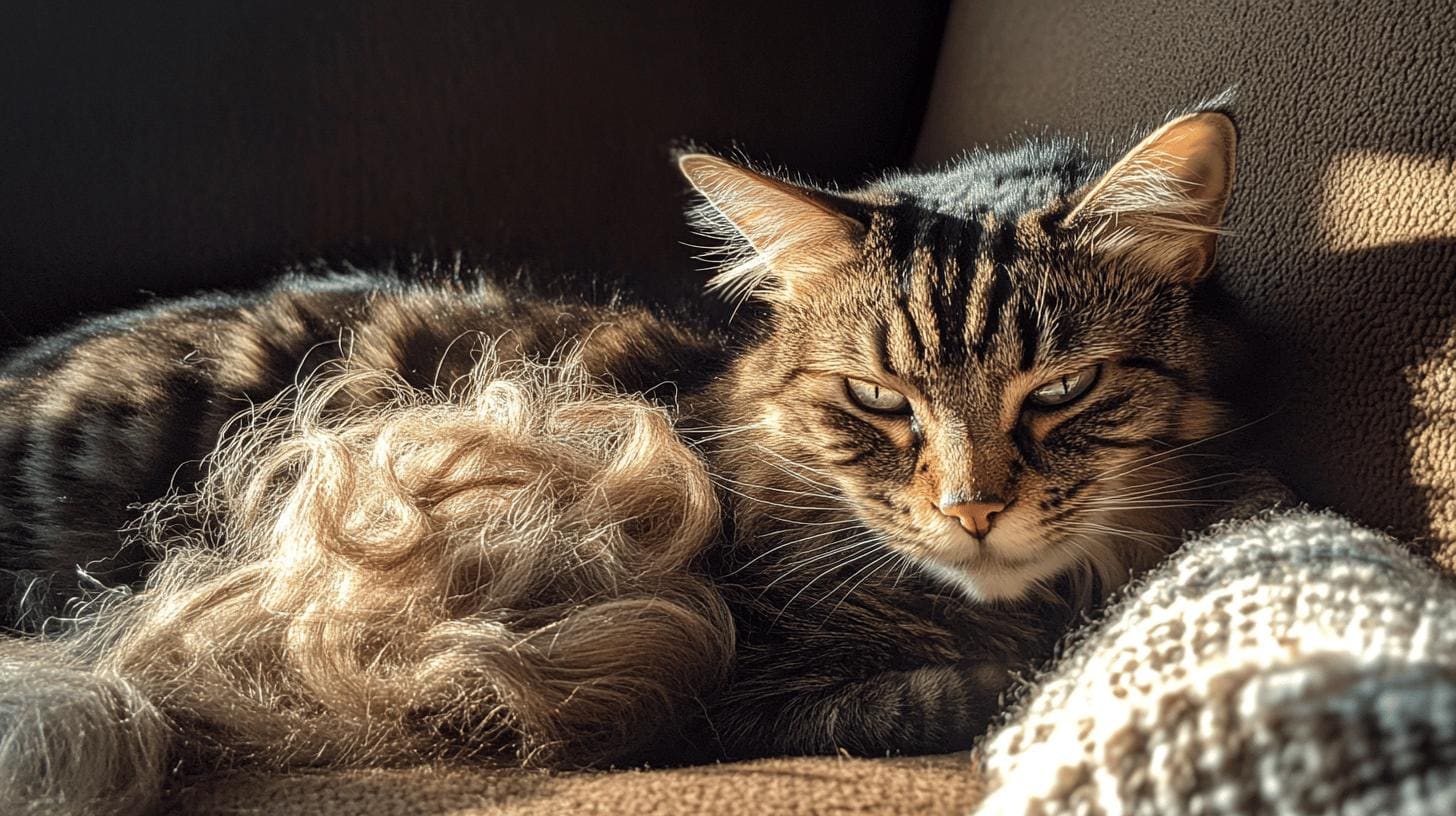
Cats often vomit, and it can be due to a myriad of reasons. Some causes are benign, such as hairballs, while others may signal more serious health issues like gastrointestinal problems. These furry companions have sensitive stomachs, and even small disturbances can lead to an upset. Understanding why a cat throws up after eating is crucial for addressing the issue effectively.
- Eating too quickly
- Overeating
- Hairballs
These behaviors can impact a cat’s health if not managed properly. When cats eat too quickly, they might swallow air along with their food, causing discomfort and vomiting. Overeating can distend their stomachs, leading to regurgitation. Hairballs, formed from grooming, are expelled when they build up in the stomach. Regular vomiting can lead to dehydration and nutrient loss, so monitoring and adjusting feeding habits is essential to keep your kitty healthy.
Dietary Causes of Cat Vomiting
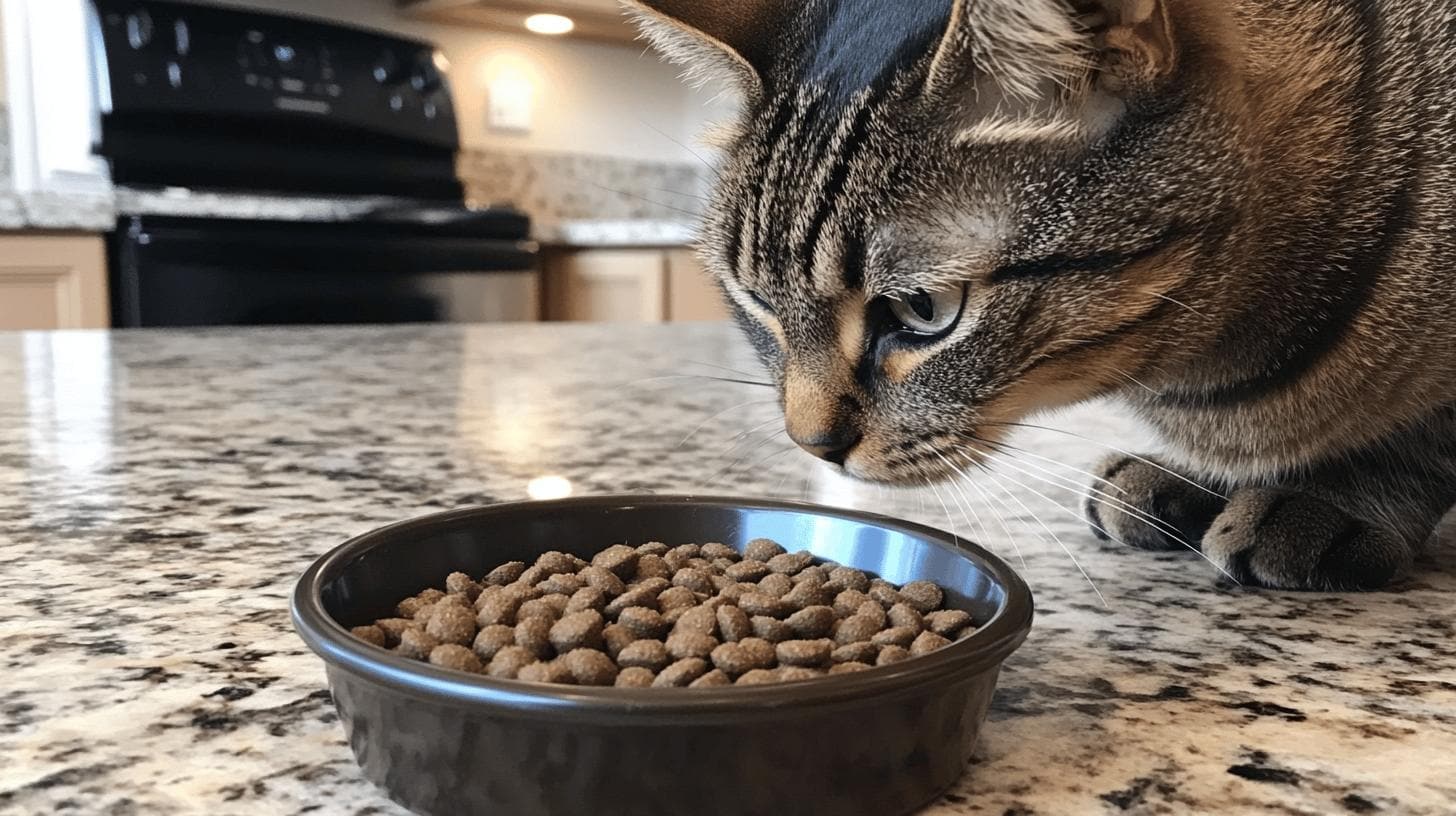
Dietary intolerance or allergies can be significant factors behind why cats vomit undigested food. Cats, like humans, can develop allergies to certain foods over time. Common symptoms include vomiting, diarrhea, and skin irritations. If your cat frequently vomits after eating, it might be reacting to an ingredient in its diet. Identifying and eliminating the allergen can help reduce these uncomfortable episodes.
Sudden dietary changes can also wreak havoc on a cat’s digestive system. Cats are creatures of habit, and their stomachs may not handle abrupt shifts in their food. Switching from dry to wet food or introducing new brands too quickly can lead to vomiting as their digestive systems struggle to adjust. A gradual transition over a week or more, mixing old and new foods, can help prevent this issue.
| Allergen | Effects |
|---|---|
| Beef | Vomiting, skin irritation |
| Fish | Gastrointestinal upset, itchiness |
| Dairy | Diarrhea, vomiting |
| Chicken | Allergic reactions, vomiting |
| Grains | Digestive issues, lethargy |
Understanding these dietary triggers and making careful feline dietary adjustments can significantly improve your cat’s health. If you suspect food intolerance or allergies, consult with a veterinarian to conduct allergy testing or try an elimination diet to pinpoint the offending ingredient.
Health Issues Leading to Vomiting in Cats
Gastrointestinal issues are a common cause of vomiting in cats. Conditions like inflammatory bowel disease (IBD), pancreatitis, or gastroenteritis can wreak havoc on a cat’s digestive system. IBD, for example, involves chronic inflammation of the gut, which can lead to symptoms like vomiting, diarrhea, and weight loss. Pancreatitis, the inflammation of the pancreas, often leads to vomiting and abdominal pain. These conditions disrupt the normal digestive process, causing discomfort and making it difficult for cats to keep food down.
Serious diseases such as kidney disease and hyperthyroidism can also lead to frequent vomiting, especially in older cats. Kidney disease can cause a buildup of toxins in the bloodstream, leading to nausea and vomiting. Hyperthyroidism, a condition where the thyroid gland is overactive, can increase metabolism and result in gastrointestinal upset. Pancreatitis, which is both a gastrointestinal and systemic disease, is another culprit that can lead to vomiting due to inflammation and digestive enzyme imbalances.
Diagnosing these health issues often requires thorough examination and testing. Veterinarians may use blood tests to check for kidney function or thyroid hormone levels. Imaging techniques like x-rays or ultrasounds can help visualize the gastrointestinal tract, pancreas, and other organs to identify abnormalities. In some cases, endoscopy or biopsies might be needed to get a clearer picture of what’s happening inside your cat’s gut.
Given the complexity of these conditions, consulting with a veterinarian is crucial when your cat exhibits persistent vomiting. A professional can provide a proper diagnosis and develop a treatment plan tailored to your cat’s specific needs. Early detection and intervention can significantly improve your cat’s quality of life and prevent further health complications.