why do cats knead: Instincts, Scent, Comfort

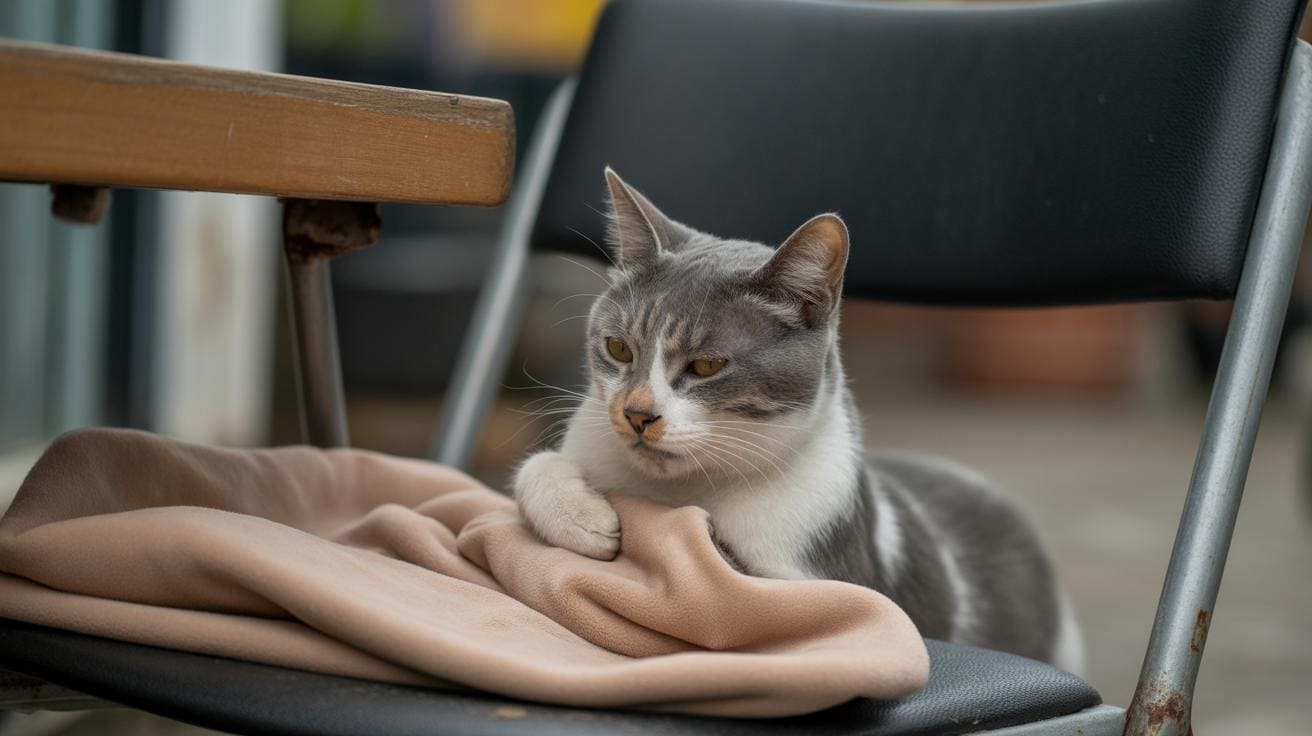
Ever watch your cat press its paws into your lap like a tiny baker working dough? The slow, rhythmic pushes feel warm and oddly soothing. It’s not just a cute quirk. It’s an old nursing reflex from kitten days, plus paw-gland scent-marking (tiny scent glands between the pads that leave a private "this is mine" scent), a satisfying stretch, and a cozy self-soothe that also fluffs up a comfy spot like nest-building.

So here’s what I’ll do: I’ll walk you through the instincts, the scent habit, and the comfort side so you can tell when a knead means love, when it might hint at discomfort, and easy fixes to keep your skin scratch-free. Try a soft blanket or folded towel for their kneading spot, your arms will thank you. Worth every paw-print.

why do cats knead: Instincts, Scent, Comfort

Cats knead for a few simple reasons: an old nursing reflex, scent-marking from paw glands (small scent glands between the pads), comfort and self-soothing, stretching, softening a spot like they would a nest, and showing affection. It’s that mix that makes them push their paws in and out, often with a contented purr and tiny claws at work.

Most kneading is perfectly normal and usually means your cat is happy or settling into a habit. Pay attention if the kneading suddenly gets much stronger, more frequent, or changes in style, since that could be a sign something’s off and worth checking with your vet.

  • Kitten nursing / milk stimulation (a reflex that helped kittens get milk): Kittens knead to help trigger milk flow, and adult cats sometimes keep the motion because it feels comforting.
  • Comfort / self-soothing: Kneading can calm a cat, like a soft rhythmic massage. Ever watched their whiskers twitch while they do it? Cute.
  • Scent marking via paw glands (tiny glands that leave your cat’s smell): When they press their paws, they’re saying “this is mine” in cat language.
  • Stretching muscles: It’s a good full-body stretch, from toes to shoulders, and often feels satisfying to them.
  • Nest-preparation / softening a surface: Think of it like fluffing a pillow before a nap. It’s practical and cozy.
  • Bonding / affection: Kneading you or a blanket often comes with purring and face rubs. It’s a compliment, your lap is basically a five-star bed.

A quick note on people-kneading: If your cat uses claws, keep them trimmed or offer a soft blanket to protect skin. If they knead aggressively and seem stressed, try gentle redirection with play or a comfy toy.

Worth every paw-print.

Read below for development, anatomy, people‑kneading, and when to call a vet.

Kittens and kneading: timelines, atypical outcomes, and stimulation alternatives
- Kittens and kneading timelines, atypical outcomes, and stimulation alternatives.jpg

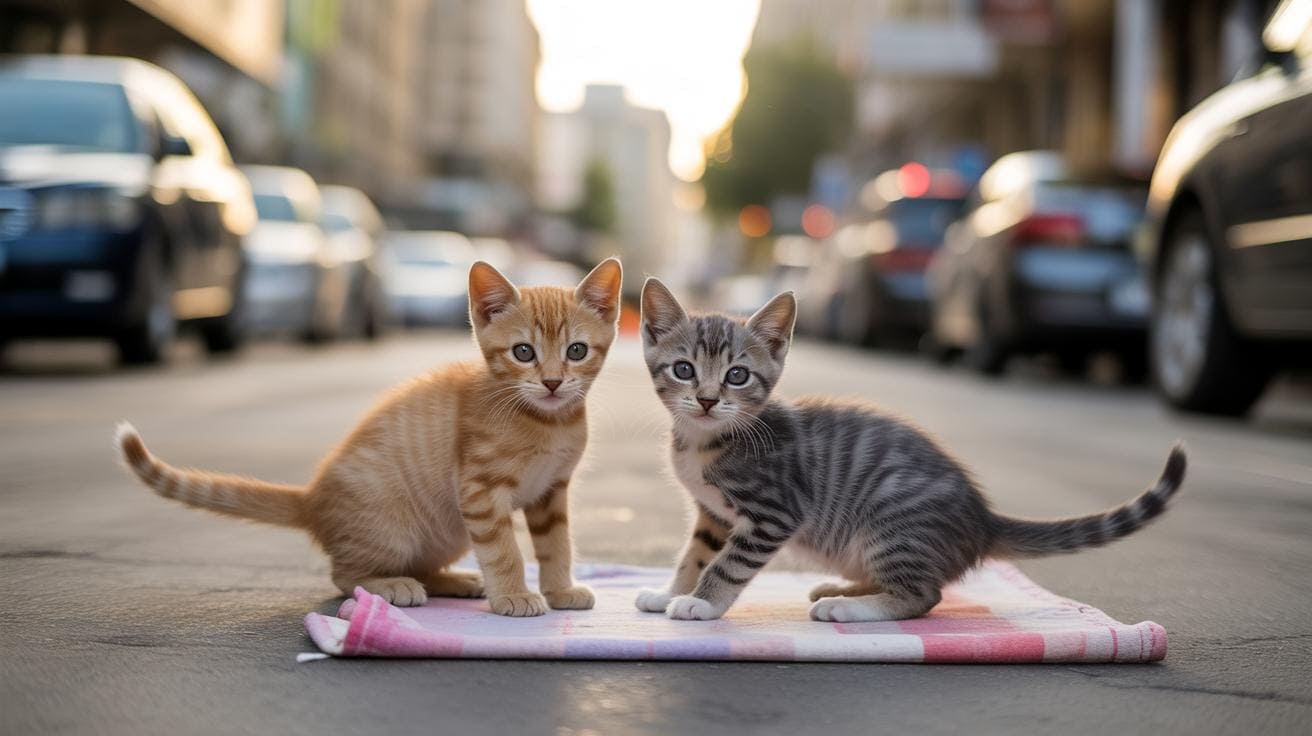
Kneading (that cute, rhythmic pawing kittens do) usually shows up really early. Many kittens start during nursing, slow down as they wean (switch from milk to solid food), and then either keep the habit or let it fade as they grow. Ever watched tiny toes flexing while your kitten purrs? It’s soothing for them, and kind of adorable for us.

Typical kneading timeline

  1. 0–4 weeks: lots of nursing kneading , it helps stimulate milk flow and feels comforting.
  2. 4–8 weeks: weaning transition (weaning = switching from milk to solid food); kneading often drops as feedings change.
  3. 2–12 months: habit consolidation; some juveniles keep kneading into adulthood, others slow down or stop.

Some kittens don’t follow that neat path. Orphaned or early-weaned kittens tend to knead longer and might also suckle, cry for contact, or cling to soft fabrics. That extra intensity can look like constant pawing at blankets, frantic searching for anything nipple-like, or refusing to settle without a soft item. Cute, yes, but it can also mean they need more comfort.

For orphaned or early-weaned kittens, try simple substitutes and routines. Offer a warm plush blanket or faux fur (soft fabric that holds heat), provide a nursing-style stuffed toy for gentle suckling, and hold short, frequent handling or play sessions to build secure attachment. Keep feedings predictable on a schedule, and reward the kitten when it uses the designated blanket instead of your clothing. Little steps like this help them feel safe, and save your shirts, too.

For play-based socialization ideas that build trust and confidence, see Tips for socializing kittens through play.

Worth every paw-print.

Scent marking and anatomy: glands, paw-pad mechanics, and the motion of kneading
- Scent marking and anatomy glands, paw-pad mechanics, and the motion of kneading.jpg

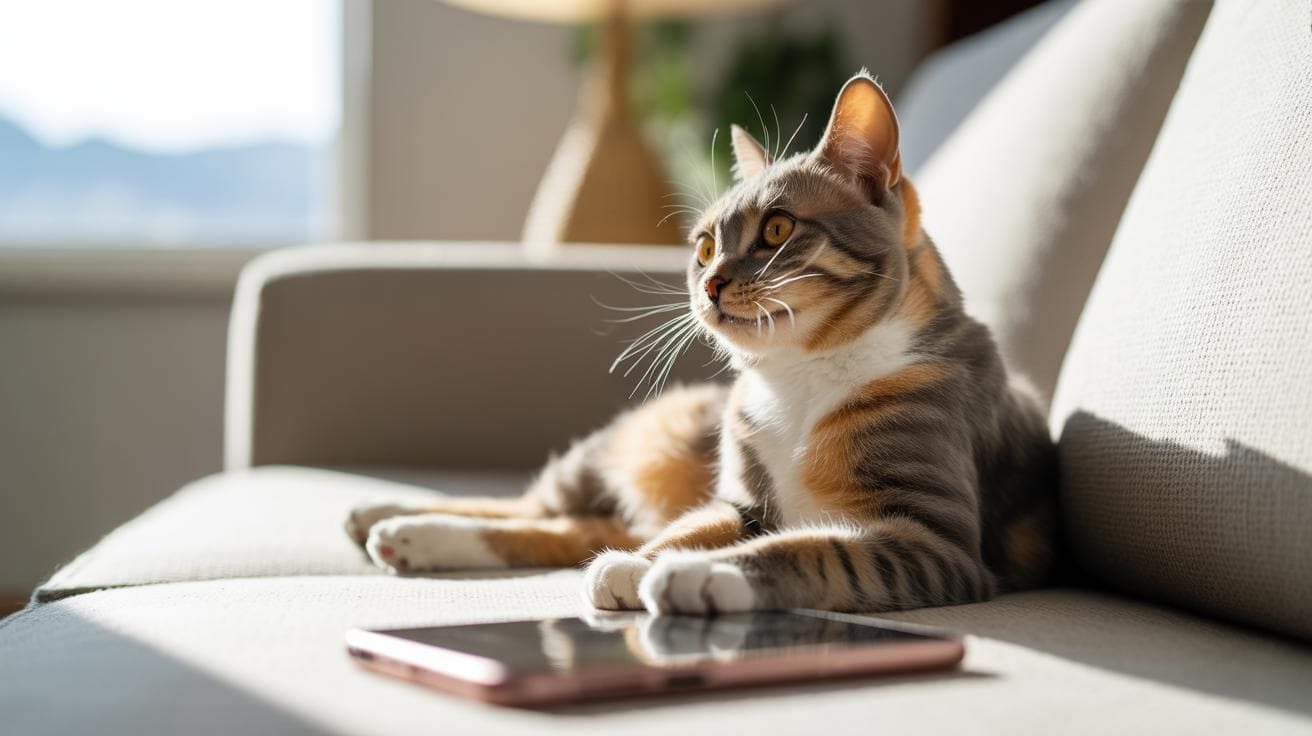
Cats have tiny scent glands tucked between their toe pads and along the paw pads. Those interdigital glands (small scent-producing pores) release pheromones (simple chemicals animals use to communicate). You probably can't smell it, but your cat sure can; that faint scent quietly says, "This spot is mine and it’s comfy."

Kneading uses a neat stack of muscles and joints. The forelimbs and the shoulder area do most of the work, while the toe flexor muscles pull and release the pads in a steady rhythm. Think of it like a gentle stretch for the front half of the body, soft presses, short releases, that helps loosen the shoulders and chest and just feels good.

Paw pads are full of sensitive touch receptors, so every press gives instant feedback. That feeling is rewarding, and it keeps the knead going. Cats will sometimes extend their claws for a deeper grip or keep them tucked for lighter, fluffy presses, depending on their mood. If a cat has joint stiffness or arthritis (joint inflammation that makes movement painful), you’ll often see shallower pushes, a slower tempo, or a preference for softer surfaces.

What scent-marking accomplishes

Scent-marking through kneading tells the cat and other cats that a place is familiar and safe. That tiny chemical note lowers stress, so your cat settles faster and relaxes more easily. Nice, huh?

Paw motion and mechanics

The basic move is a steady press and release that gives both a little stretch and a lot of sensory feedback. Common kneading patterns you might notice:

  • Alternating presses with just the front paws
  • Front paws pushing while the hind legs give a V-shaped support
  • A soft, all-four-limb rhythmic push
  • Suckling on fabric while applying light paw pressure (a carryover from nursing)

Ever watched your kitty knead a blanket and purr like it’s the best day ever? It’s equal parts muscle work, memory, and comfort.

When cats knead people: meaning, body language cues, and protecting skin/clothes
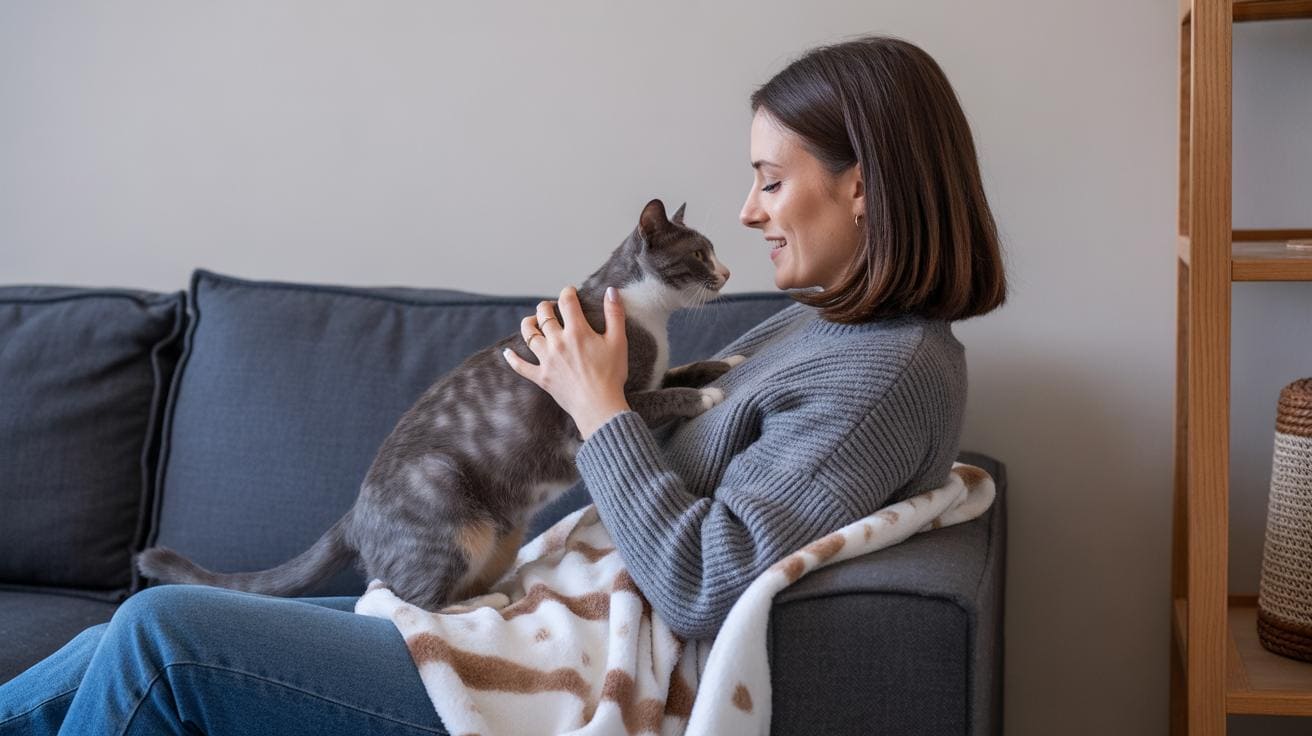
- When cats knead people meaning, body language cues, and protecting skinclothes.jpg

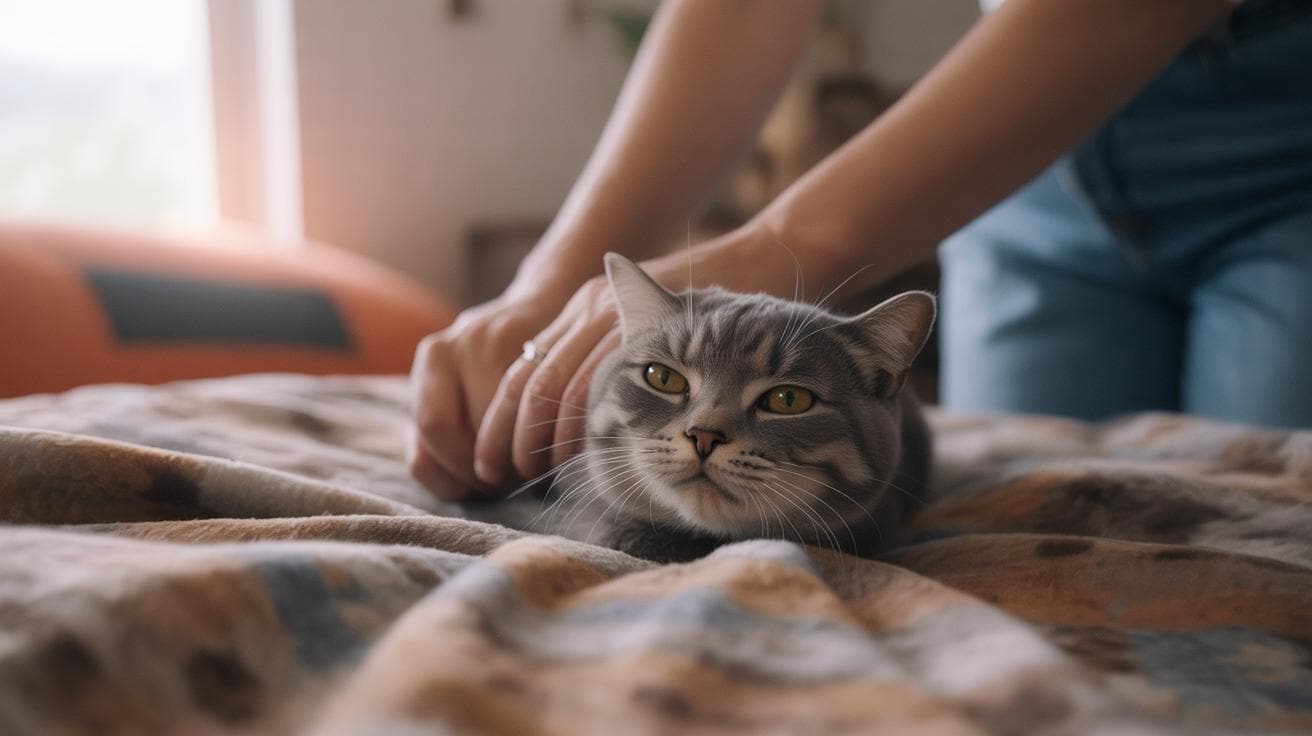
Kneading is a big compliment from your cat. It’s that soft, rhythmic push of paws, like tiny dough-kneading hands, that says they feel safe and cozy. Ever watched your kitty purr and press their paws into your lap? Pure heart-melty stuff.

What kneading means and the cues to watch for

  • If your cat is relaxed, eyes half-closed, purring, and pressing gently, they’re showing contentment and trust.
  • If the kneads are tense, claws extended, ears back, or their tail flicks, they might be overstimulated or anxious, time to give them a break.
  • Kittens knead from nursing instinct; adult cats keep the habit because it feels good and marks you with their scent.

Quick, easy tricks to protect yourself and your clothes

  • Use a dedicated fleece or flannel blanket on your lap during cuddle time. Fleece (soft synthetic fabric) and flannel (brushed cotton that’s cozy) soak up kneads and save your shirt.
  • Keep a folded towel handy as a fast barrier if a heavy session starts on your stomach. A simple cotton towel works and slips over in two seconds.
  • Place a plush pad nearby to redirect insistent kneading. Plush pad (soft cushion) becomes their VIP knead spot when you nudge them over.
  • Try positive redirection (rewarding the behavior you want, like treats or petting, instead of scolding) , when they hop to the blanket or pad, give a treat and a happy scratch.
  • Trim nails every 2-4 weeks to reduce snagging and accidental scratches. Use cat nail trimmers (scissor-style clippers made for cats) and only clip the sharp tip.

A tiny real-life note: I once watched Luna knead right through my sweater, oops, so now I keep a fluff blanket ready. Works like a charm.

If kneading gets too rough, don’t yank your hand away fast. Gently slide your hand out, put the blanket under them, and offer a toy or a treat. Calm moves, calm cat.

And one rule that’s non-negotiable.
Never declaw. Declawing (surgically removing the claw and part of the toe) causes long-term pain and behavior changes. It’s not an option.

Worth every paw-print.
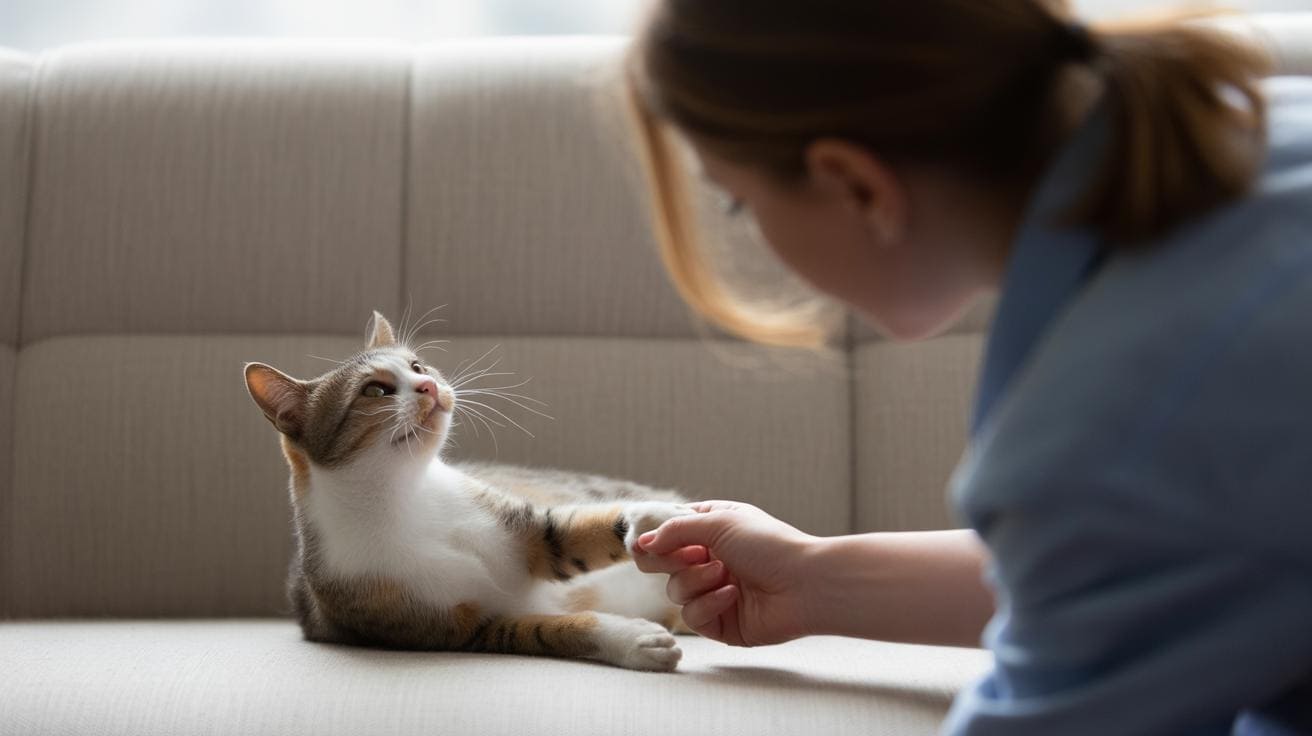
When kneading may indicate a problem: detailed red flags and next steps

- When kneading may indicate a problem detailed red flags and next steps.jpg

Kneading usually feels cozy , little paw presses like a soft massage. But if the pattern changes suddenly, it can mean trouble. Watch for a jump in how often or how hard your cat kneads, any limping or odd walking, swollen or bloody paws, or sudden biting and aggression during a session. If kneading takes over so much that your cat skips sleeping, grooming, or eating, that repetitive behavior may be stress-driven or, rarely, compulsive.

Older cats often knead less when they have arthritis (joint inflammation that makes movement painful). And sometimes a sudden increase in kneading is your cat trying to soothe themselves during a stressful time. Ever notice your kitty kneading more after a move or a new animal in the house? That’s a clue.

Start with calm, simple steps at home. Note when and where the kneading happens and look at the paws for cuts, thorns, or swelling. Remove obvious stressors like loud noises or a new pet, and offer soft, nearby alternatives to kneading , a plush blanket or a soft bed. Keep play regular to burn off anxious energy, and trim nails on a schedule so paws don’t get snagged.

If you think stress is the cause, pheromone options (chemical signals cats use to feel calm), such as Using feline pheromone sprays near litter boxes, may help as part of a broader plan. For pain or repetitive patterns that don’t ease, call your veterinarian instead of trying strong fixes on your own.

When to contact a veterinarian

If you see any of these signs, call your vet for advice or to book an appointment:

  1. Sudden increase in kneading frequency or intensity
  2. Signs of pain or limping
  3. Sudden aggression or biting during kneading
  4. Swelling, discharge, or visible paw injury
  5. Appetite loss or litter-box changes
  6. Obsessive or repetitive kneading that interferes with rest or grooming

At the visit, the vet will likely do an orthopedic check (looks at joints and how your cat moves), inspect skin and paws, and run a neurological screen (checks nerves and reflexes). They’ll also take a behavioral history from you , when it started, what else was going on, that sort of thing. If needed, the vet may recommend X-rays or other imaging to check for arthritis (joint damage), injury, or foreign bodies. From there they might suggest pain relief or anti-inflammatory meds (to reduce swelling and pain), targeted behavior plans, or changes to your cat’s environment to make life easier and more calming.

Practical solutions: redirecting kneading, protecting furniture, and knead-friendly home setup

- Practical solutions redirecting kneading, protecting furniture, and knead-friendly home setup.jpg

Quick note: the step-by-step kneading training (put a lap blanket down when you sit; reward them for using it) and timing tips for kittens were moved into the “When cats knead people” and “Kittens and kneading” sections. This section just keeps the unique, hands-on fixes.

Quick actions (converted from the original table)

  • Lap blanket – set one on your lap when you sit, then praise or give a tiny treat when your cat uses it. Protects your legs and keeps purrs focused.
  • Designated knead blanket – keep a special blanket by their bed or favorite couch spot. When they knead it, say good kitty or offer a treat so they learn that spot is for kneading.

Practical tips

  • Short-term deterrents: try aluminum foil (thin metal sheet that crinkles) laid where they usually knead. Cats dislike the crinkly sound and odd texture. Or use a short-term sticky mat (tacky surface that feels weird to paws) until the new blanket becomes their go-to. These are temporary fixes, not forever solutions.
  • Recommended fabrics: fleece (soft synthetic fabric), flannel (brushed cotton that feels cozy), and tightly woven cotton (durable, less likely to snag). These fabrics give the right give for kneading and are comfy for naps too. Ever watched a cat tuck in and knead until they sigh? Yep, these fabrics help that happy sigh happen on purpose.
  • Washing and care: wash knead blankets every 1 to 2 weeks depending on hair and smell. Machine wash warm on a gentle cycle. Tumble low or air dry so the fabric stays soft and doesn’t shrink.

A tiny aside: if your cat prefers the couch arm or a pillow, try tucking a small corner of the designated blanket there for a few days. Redirect, reward, repeat. It works more often than you'd think.

Note: nail-trim timing and the declaw warning are kept in the single safety section elsewhere in this article to avoid repeating them here. Worth every paw-print.

why do cats knead: Instincts, Scent, Comfort

- FAQs and quick owner reference about why do cats knead.jpg

Q: Is kneading normal?
A: Yes. Most cats knead. It started when they were kittens as a nursing reflex (the pressing motion kittens use to help get milk). It also feels comforting, like a soft rhythm under your hand, and it helps them mark a spot with paw glands (tiny scent glands in the paw pads). Ever watched your cat press and purr? That’s classic contentment.

Example: "Yes. My cat kneads when she’s relaxed and purring , see intro for the why."

Q: When is kneading excessive?
A: Watch for sudden big changes. If your cat jumps from gentle presses to frantic, fast kneading, or if kneading breaks up eating, sleeping, or grooming, that’s a worry. If you see frantic motions, any self-injury, or new signs like appetite loss or litter-box changes, check with your vet. These are red flags.
Example: "If kneading gets frantic and my cat stops eating, that’s a red flag , check the vet section."

Q: How should I document changes for a vet?
A: Record clear, dated notes so your vet can spot patterns. Short videos with timestamps (time markers on a video) are really helpful. Here’s a useful checklist to keep:

  • Date and time of each episode
  • Location (lap, bed, carpet)
  • Duration of each session
  • Intensity (gentle vs hard; claws out or tucked?)
  • Any claws or biting observed
  • Other signs (limping, appetite change, litter-box change)
  • Short video clip with timestamps

Example: "2025-05-02 8:15 PM – living room – 3 minutes – hard kneading, claws extended; video saved."

Final Words

We jumped straight into why kneading happens, kitten nursing instinct, scent-marking from paw glands, comfort, stretching, and bonding, and then covered timelines, paw anatomy, kneading on people, red flags, and practical fixes.

Try a lap blanket, a designated knead blanket, and regular nail trims to protect skin and furniture. Redirecting to a soft pad works better than scolding.

If you see sudden changes or signs of pain, contact your vet. Knowing why do cats knead helps you keep them purring and playful, purr-fect, right?

FAQ

TL;DR

Cats knead from a mix of kitten nursing instinct, scent-marking from paw glands, comfort/self‑soothing, stretching, and bonding.
Most kneading is normal, though sudden shifts in pattern, intensity, or signs of pain or distress may need attention.

  • Kitten nursing/milk stimulation
  • Comfort/self-soothing
  • Scent marking via paw glands
  • Stretching muscles
  • Nest‑preparation/softening surface
  • Bonding/affection

Read below for development, anatomy, people‑kneading, and when to call a vet.

Why do cats knead on blankets, laps, or my stomach?

Cats knead on blankets, laps, or your stomach as a leftover nursing instinct and comfort behavior, plus scent-marking from paw glands (tiny glands between toes) and to make a cozy spot.

Why do cats knead their owners at night or in the morning?

Cats knead owners at night or morning to seek warmth, settle in, and bond; it acts as a routine rooted in kitten nursing and simple comfort-seeking, often paired with purring or snuggling.

What does it mean when a cat kneads on you — are they kneading their favorite person?

When a cat kneads on you, it signals trust and affection; kneading often targets a favorite person since it links to nursing, scent-marking, and comfort, which strengthens your bond.

Are cats happy when they knead?

Cats are often happy when they knead; kneading commonly signals contentment and lowered stress, shown by purring, relaxed posture, and slow blinking during the motion.

Why do cats knead and suckle, and why do they sometimes purr while doing it?

Cats knead and suckle as a carryover from nursing, seeking tactile comfort; purring often accompanies this as a self-soothing or bonding signal that reinforces calm and closeness.

Why do so many people post about cats kneading on Reddit?

People post kneading videos on Reddit since the behavior is common, cute, and varied; sharing helps owners compare patterns, seek advice, and celebrate each cat’s quirky, comforting habits.

Related Articles

Author

  • Isabella Tiu

    Isabella Tiu is a transcriptionist from Calhoun, Florida, known for her sharp attention to detail and her commitment to providing accurate and efficient transcription services. With a passion for language and communication, she thrives on transforming spoken words into clear, readable content for her clients.

    When she's not working, Isabella enjoys hiking and camping, finding peace and inspiration in the beauty of the outdoors. She often says, “The best lessons are often learned in nature,” a philosophy she embraces both in her work and personal life.

    Isabella’s love for both her craft and the natural world reflects her belief in continuous learning and exploration.

    View all posts

Similar Posts