Best Cat Towers for Indoor Cats

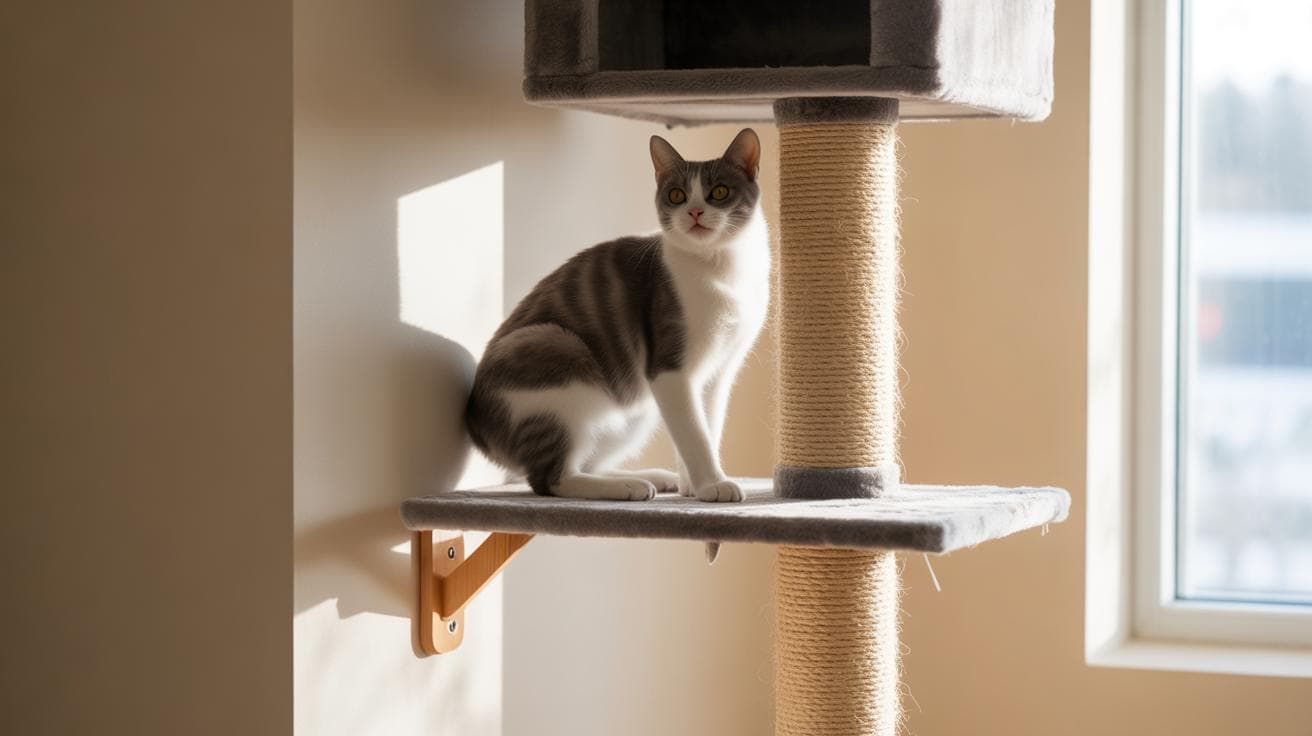
Think a scratching post will do? Think again! Indoor cats want vertical territory, their own mini jungle gym where they nap, hide, and rule like tiny tigers. You can almost hear the soft scritch of claws and see whiskers twitch as they climb. Ever watched your kitty chase a sunbeam up the curtain? It’s that kind of joy.

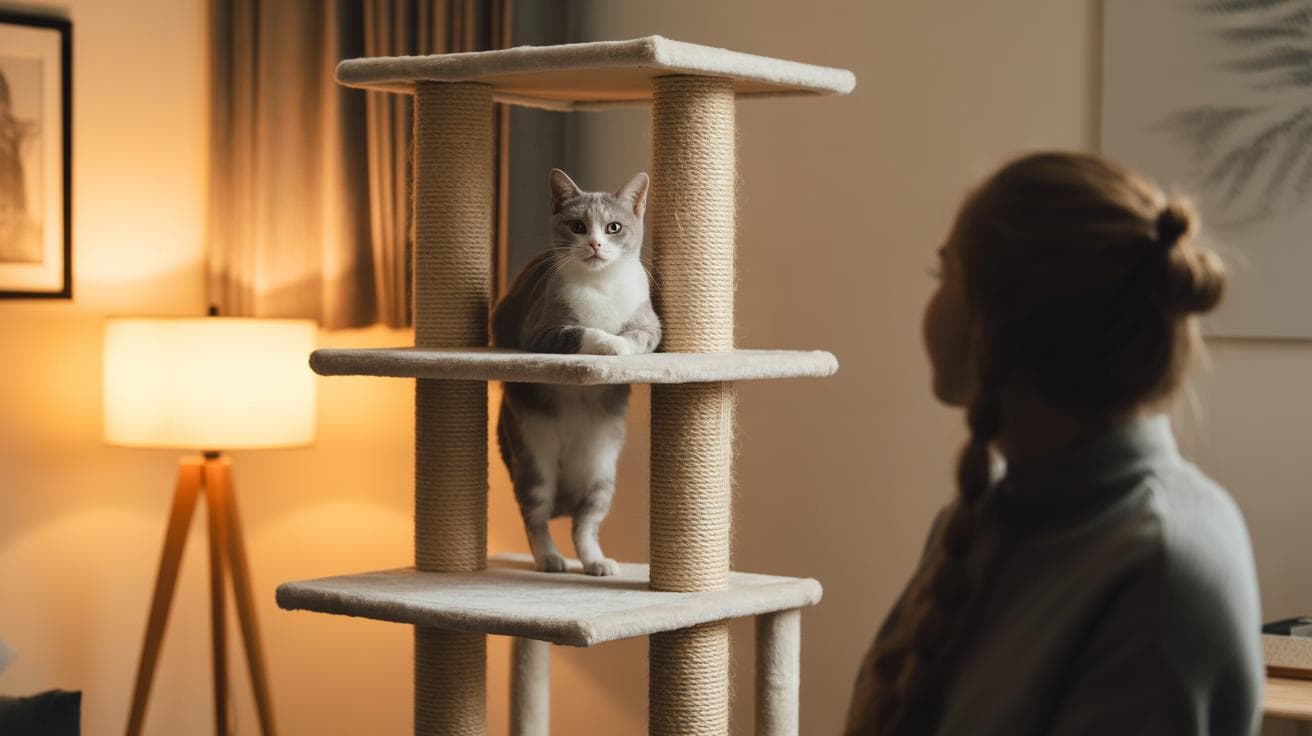
This guide walks you through the best cat towers for indoor cats. We test for stability, climbable space, and cozy beds so busy owners and apartment dwellers can pick a tower that fits their cat and their floor plan. Whether you’ve got a spry kitten, a couch-potato senior, or a multi-cat crew, we focus on safety, comfort, and play.

You’ll get a short list with a top pick and quick buys, plus straight-up info on assembly, materials like sisal rope (a coarse plant fiber) and plush velour (soft, fuzzy fabric), and which cats each tower suits. We note footprint, height, and how easy it is to put together. Oops, let me rephrase that, how fast you can have it ready for pouncing. Worth every paw-print.

Shortlist: Top Pick + Quick Buy Options
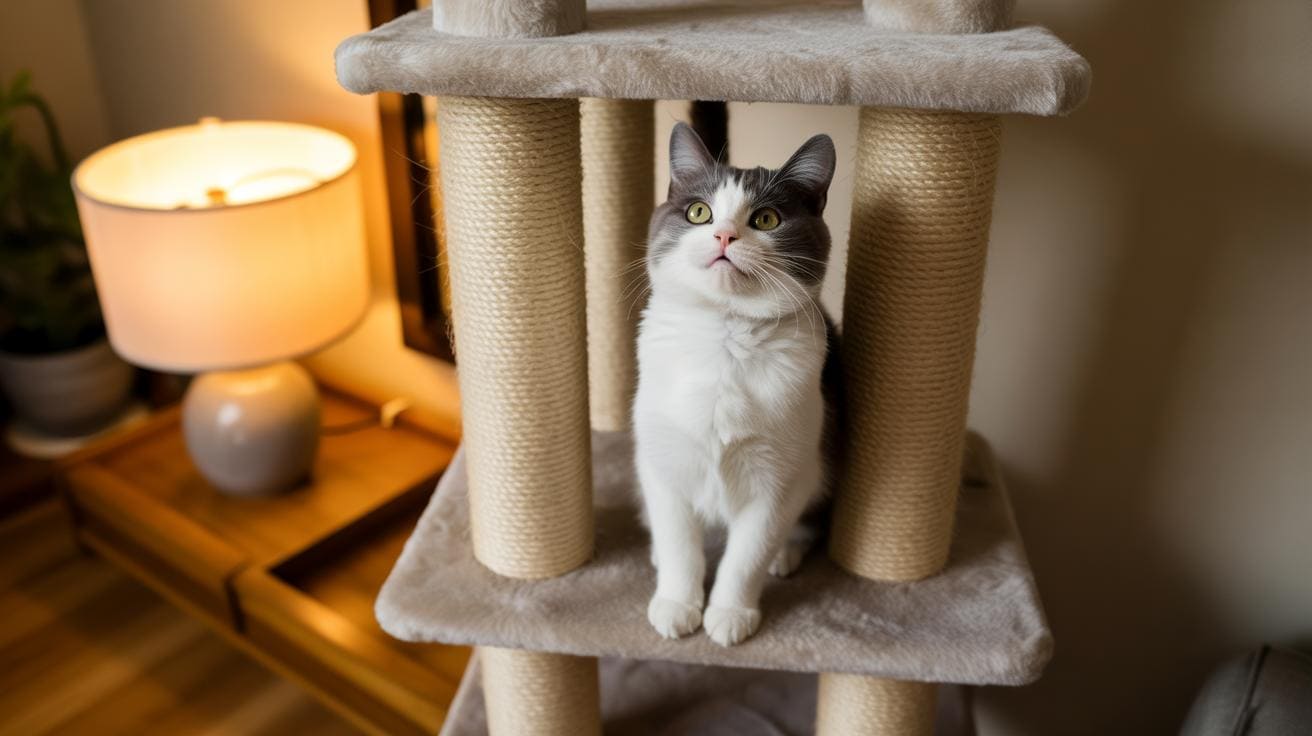
- Shortlist Top Pick + Quick Buy Options.jpg

Top pick: Frisco 72-inch. Best overall for multi-cat homes.
This quick shortlist helps you pick a cat tower fast, whether you want a simple buy now answer or a quick compare before diving into full reviews. Use it to make a fast call, or keep scrolling for full pros, cons, assembly difficulty, and specs. Ever watched your kitty claim the top perch like a tiny tiger? This will help.

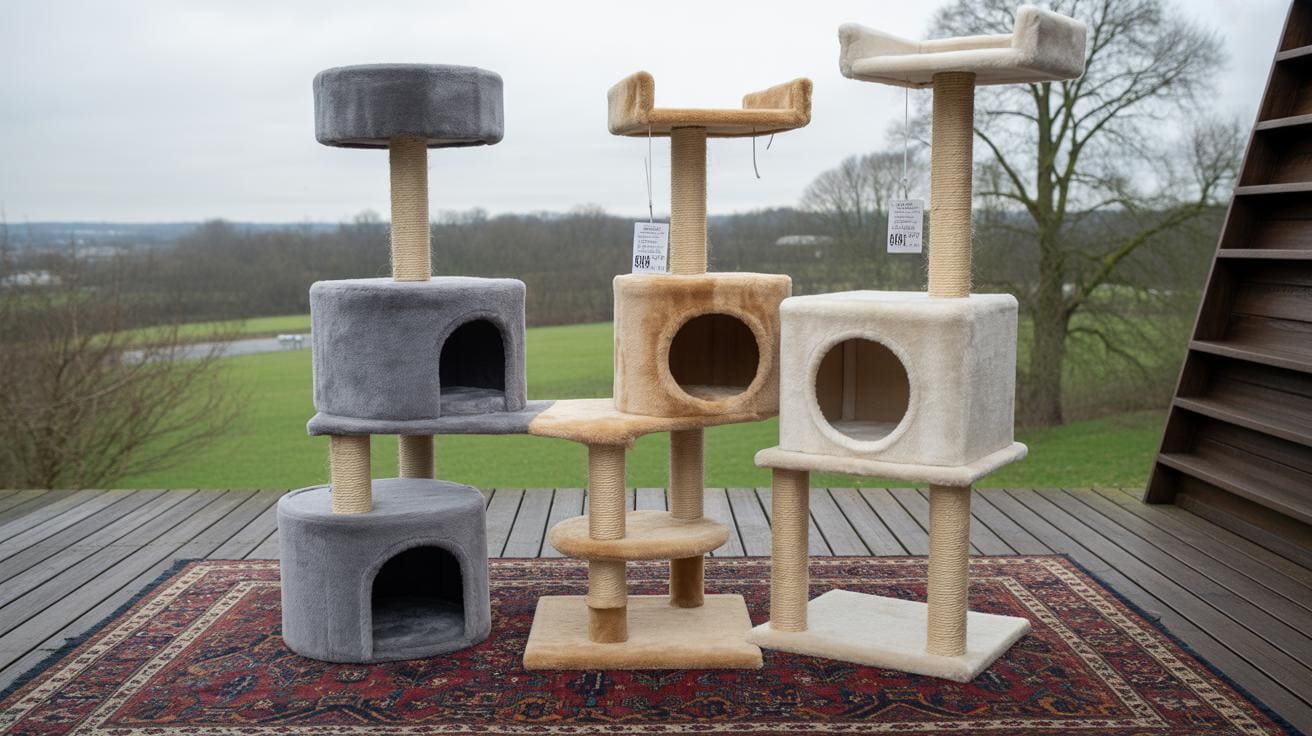
Product Best For Height Typical Price Range Key Notes
Frisco 72-inch Multi-cat homes, lots of climbing 72 in $90–$300+ Many perches, cozy houses, and scratch surfaces; roomy but needs floor space
New Cat Condos Premier Triple Perch Limited space but very stable 32 in $200–$400 Solid wood (real hardwood) build, heavy with almost no top wobble; pricier but built to last
PAWZ road 78″ Very large or several big cats 78 in $300+ Extremely heavy, solid-wood (real hardwood) stability, made for big users
Mau Ivy (53″ / 73″) Multi-cat homes with style 53 in or 73 in $150–$400 Wicker (woven natural fibers) nest beds, replaceable parts, wide stable base
Go Pet Club 23″ Budget buyers and small rooms 23 in $30–$100 Affordable and easy to assemble; velour (soft, plush fabric) is comfy but not as durable
Feandrea / Tuft + Paw (compact & window) Tiny apartments or window perches 22.8 in (compact) – 63 in (window) $40–$250 Space-saving picks from recycled-cardboard scratchers to suction-attached window perches (suction cups); great for small spaces

Scroll down for full product details, pros and cons, how hard each one is to assemble, and complete specs on these best cat towers for indoor cats. Worth every paw-print.

Best Cat Towers for Indoor Cats
- Detailed Buying Guide Two Decisive Criteria.jpg

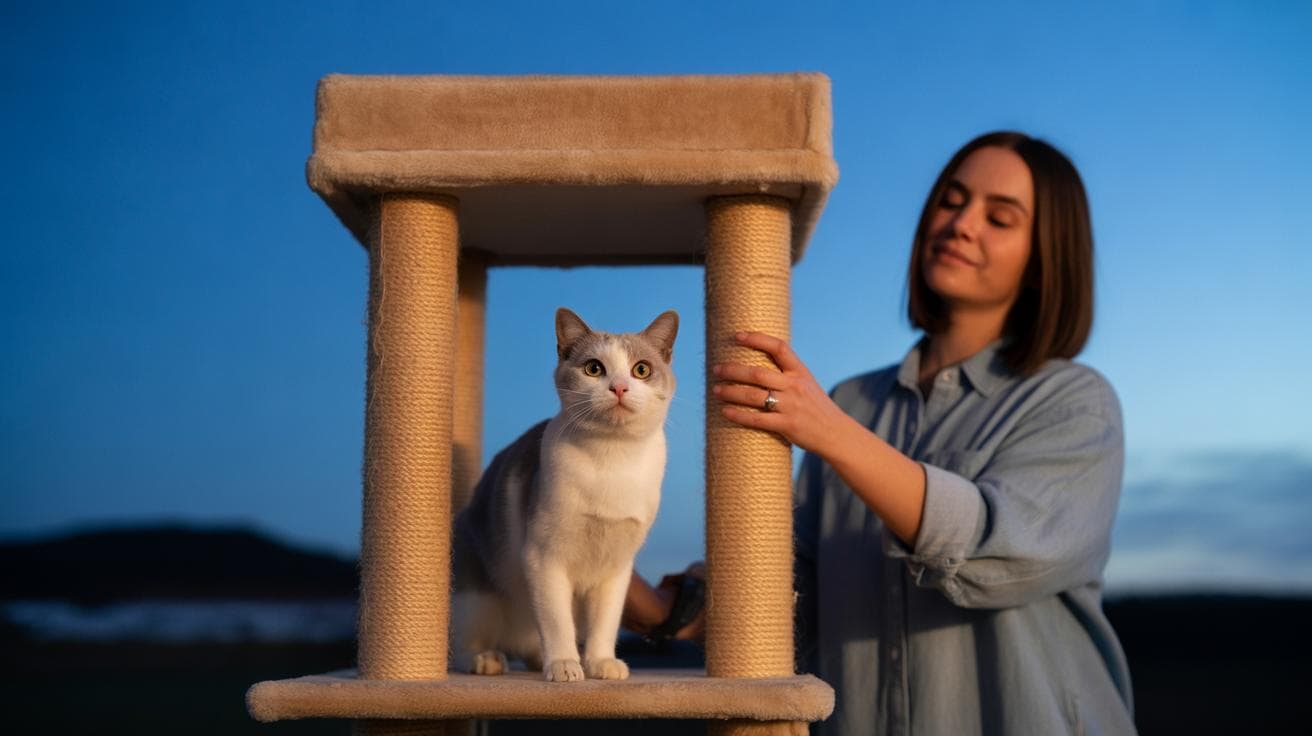
Start here. This short guide shrinks the decision down to what really matters: stability and build, and materials and durability. No need to stare at endless specs, pick with confidence and get your kitty playing sooner.

Think of it like this: spend on a solid base and stout posts if your cat launches into dramatic leaps. For seniors or kittens, choose softer fabrics and lower platforms so they can climb without a circus act. Price ranges help you shop: budget $25 to $60, mid $90 to $300, and premium $300 and up. Preassembled towers tend to be heavier and less wobbly. Many self-assembly pieces use thinner parts and may wobble until you anchor them.

Stability & Build Quality

Look for a wide base, multiple posts, and cores made from hardwood (dense wood like oak) or thick engineered wood (pressed panels glued with resin). These resist tipping and twisting. Give a gentle shove when you set it up to check for wobble, and follow Stability, Anchoring & Safety for step-by-step anchoring and installation tips. Ever watched your cat fling themselves at a tower like a tiny superhero? Stability matters.

Materials & Durability

Match the covering to how your cat claws. Carpet (dense textile) holds edges better and hides wear, sisal (coarse natural fiber) stands up to heavy scratching, and velour or fleece (soft plush fabrics) feel cozy but wear faster. Think about replaceable parts and cleaning needs too, see Materials, Maintenance & Lifespan for care schedules and realistic life-expectancy tips. In truth, a little planning saves you from buying another tree next season.

Worth every paw-print.

Best Cat Towers for Indoor Cats
- Top Picks by Use Case and Room Type.jpg

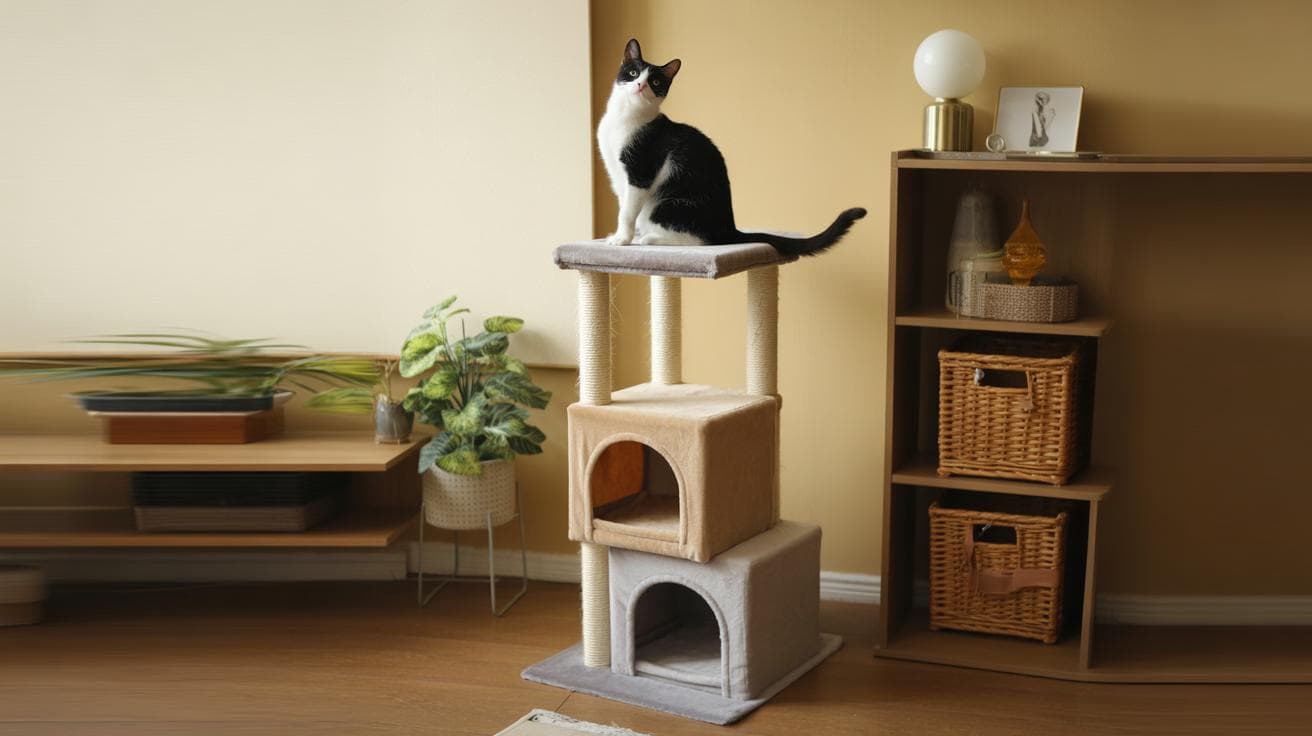
Quick-buy: Frisco 72-inch – top pick for multi-cat homes; anchor to wall. Tuft + Paw window perch – best for tiny spaces that need window views. Feandrea compact – floor-saver for calm, low-activity cats.

Stability, materials, and where you put the tree matter more than fancy bells and toys. Look for a wide base and solid-wood (natural, dense lumber) or reinforced particleboard (pressed wood fibers) so it doesn't wobble. Sisal (coarse plant fiber) is the best scratching surface. Put tall trees against a wall or in a corner and secure them to a stud or with the included anchors; short trees are kinder to kittens and seniors who prefer easy hops.

  1. Frisco 72-inch – Great for multi-cat households. Bolt the top section to a wall stud for less wobble and tuck it in a corner so everyone can claim a perch. Tuck it into the living-room corner where all the window action is.

  2. New Cat Condos Premier Triple Perch – Heavy, stable build that sits solid on hardwood or concrete floors; skip this one if you can’t drill into walls in a rental. Set it by the big picture window so shy cats get their lookout.

  3. PAWZ road 78" – Made for very large or heavyweight cats; assemble on a main floor and avoid weak upper floors. Place near the room where the family hangs out – big cats like company and a soft spot to supervise.

  4. Tuft + Paw window perch – Perfect when floor space is tiny. Attach it to clean, smooth glass using its vacuum-seal cup (suction-style holder) and test the hold before you leave your cat alone on it. Stick it to a sun-facing window for prime nap-and-watch real estate.

  5. Feandrea compact – Small footprint for narrow nooks; great for calm cats but not ideal for rowdy jumpers. Slide it beside a bookshelf for a low-profile scratch-and-rest spot.

  6. Armarkat kitten-friendly cat tree – Low steps and gentle platforms for early climbers, so kittens build confidence without scary heights. Start it in the playroom and move it to a quieter room during rough adult play.

  7. Go Pet Club 23" – Budget-friendly and quick to assemble; use as a short-term or secondary tower instead of your main climbing hub. Keep one near the entryway for quick scritches and a spot to wait for treats.

A quick tip: if your cat swats and the whole tree tips, it’s not their fault. Move it to a corner, add anchors, or swap in a sturdier base. Ever watched your kitty circle a new tree like it’s a tiny mountain? That first brave leap is worth the extra effort. Worth every paw-print.

Measurements & Placement
- Measurements  Placement.jpg

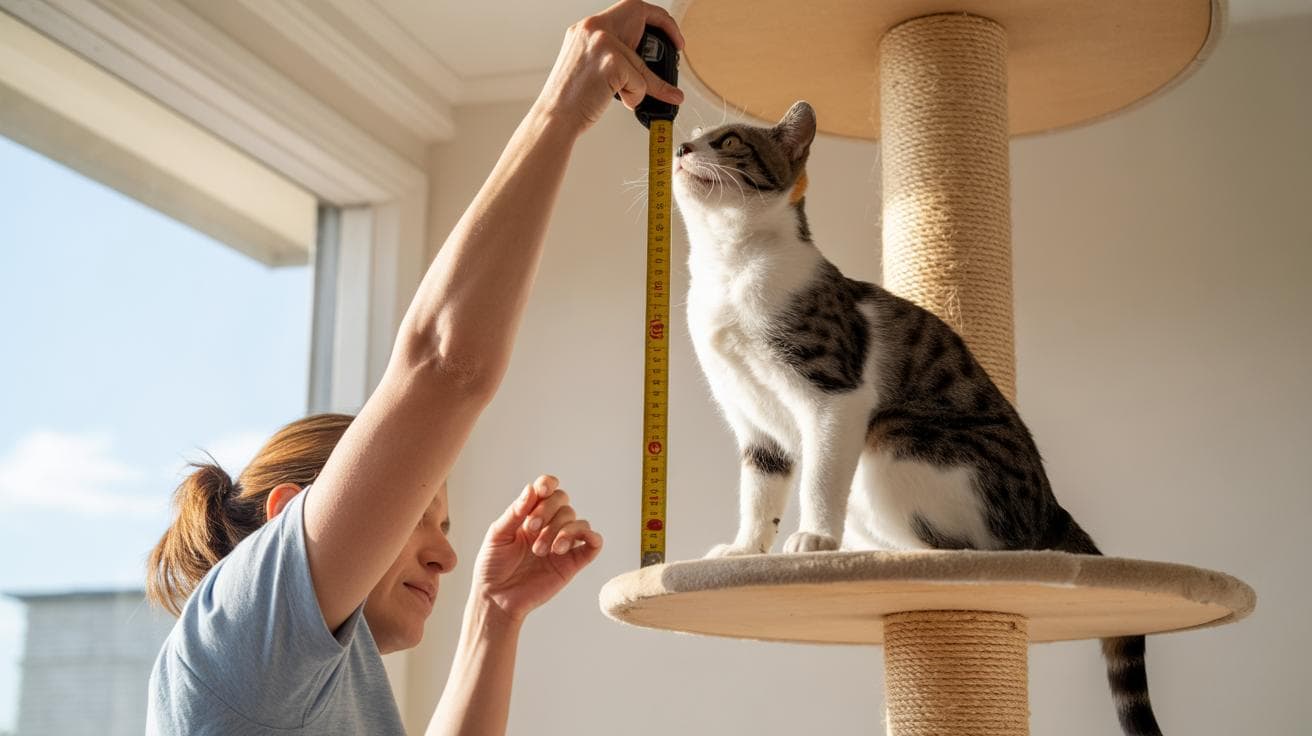
Numbers are the backbone of a cat tower that actually works. Get the right depths, clearances, and base width and your cat will nap, leap, and claim perches without sending the whole thing wobbling into the laundry basket. Quick checks here mean you measure once and be done.

  • Platform minimum depth: about 12" (30 cm) so an adult cat can curl up comfortably and tuck its paws under, perfect for that soft purr nap.
  • Small-space max height: keep compact trees under about 35" (89 cm) for apartments and low ceilings so they fit without feeling giant.
  • Base width for tall units: at least 18–24" (46–61 cm) so the footprint resists tipping when a cat launches from a high perch.
  • Ceiling clearance: leave 6–12" (15–30 cm) between the top perch and the ceiling for headroom and safe jumps.
  • Platform vertical spacing: 10–14" (25–35 cm) so cats can hop or climb without overreaching and straining their shoulders.
  • Per-perch capacity: pick perches rated at least cat weight times two to account for landing forces (the extra shock when they hit a perch). For example, a 12 lb cat should have perches rated for 24 lb; for multi-cat stacks, check the total capacity and total perch count.

Place towers where your cat already hangs out, a sunny window or a high view of the room is cat gold. Avoid narrow walkways or tight doorways where passersby can bump the tree; put tall pieces against a wall or in a corner and make sure they sit flat and steady before letting your cat test the highest perch. Ever watched your kitty pick the perfect sunspot? That spot matters. Worth every paw-print.
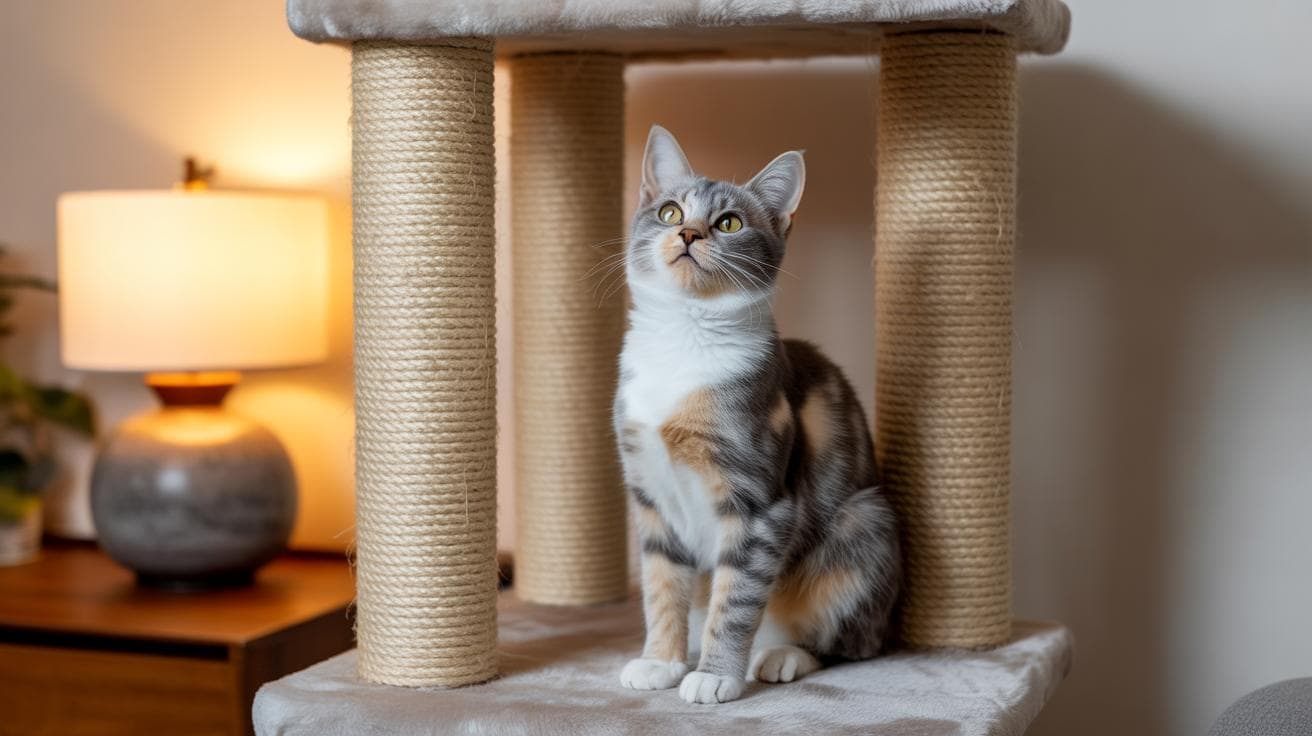
Choosing by Cat Age, Size and Mobility

- Choosing by Cat Age, Size and Mobility.jpg

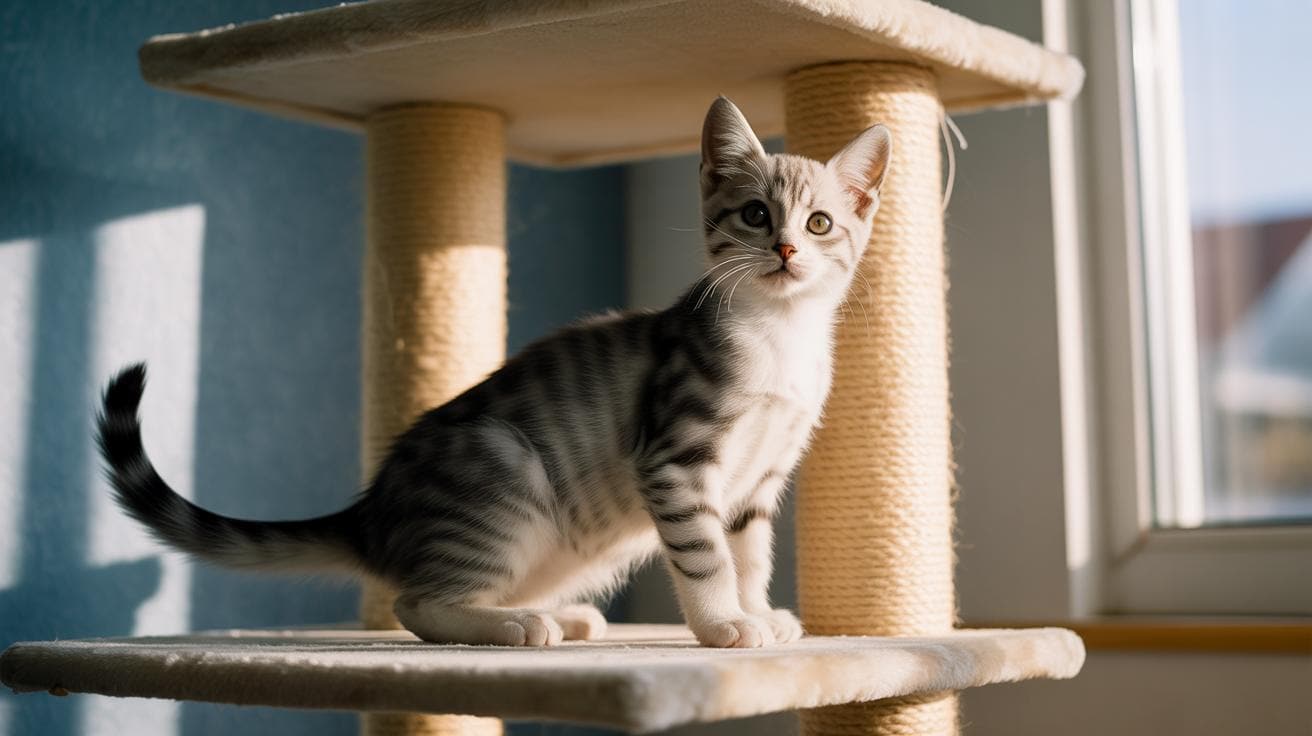
  • Kittens: go for short trees, small ramps, or step-style access so climbs feel safe and fun. Pick soft coverings like velour (soft short-pile fabric) or fleece (cozy knit) so their tiny paws land on something squishy. Your kitten will love the plush steps and tiny leaps , cute chaos, guaranteed.
    Example: "Kitten-ready: short tree with plush steps – tiny leaps, big grins."

  • Adult and large breeds: give them wider perches (about 14 inches or more) and stout posts so they can sprawl and settle without wobble. Choose solid wood (single-piece timber) or reinforced engineered wood (layers glued together for strength) so landings stay steady and the whole unit holds up to big jumps. Think roomy, sturdy, and built to last , perfect for a heavyweight nap or a dramatic pounce.
    Example: "Adult-proof: 16-inch perch and a thick hardwood post – room to sprawl."

  • Seniors / mobility-limited cats: favor ramps, low-entry cubbies, and step-like platforms to cut down on joint strain. Lower the highest perches and make routes shallower so your older cat can get around without a running start. Ever watched a senior hesitate at a tall jump? This makes life easier and nap time comfier.
    Example: "Senior-friendly: ramp into a low cubby – easy in, cozy nap."

See Measurements & Placement for exact perch widths, spacing, and placement tips. Check the Shortlist for detailed reviews and weight-test data.

Materials, Maintenance & Lifespan

- Materials, Maintenance  Lifespan.jpg

Picking the right materials is the fastest way to a longer-lasting tower. Carpet (dense looped textile that hides wear) stands up to the roughest scratching and won’t peel at the edges, so it’s a smart pick if your cat goes full ninja on the posts. Your cat will love the noise and feel of a good scratch. Really.

Sisal (coarse plant fiber from agave plants) is the go-to for serious scratchers and is often replaceable, so you can refresh just the post. Velour (soft, short-pile fabric) and fleece (cozy knit, like a warm sweater) feel dreamy under paws but snag and shred faster. Recycled cardboard (compressed paperboard) is cheap and irresistible for a while, but expect it to wear out quickly with heavy use.

Cleaning keeps smells and wear from speeding things up. Vacuum carpeted surfaces weekly and use a stiff brush on sisal to lift trapped fur and loose fibers. Spot-clean stains right away with a pet-safe enzymatic cleaner; for removable covers follow the tag and machine-wash monthly on gentle, then air-dry or tumble low if allowed. Deep-clean the whole unit every three months: pull off cushions, wipe solid surfaces with mild soap, and let everything dry completely before you put it back together so mold doesn’t move in. Oops, let me rephrase that… don’t rush the drying.

Replacement parts mean you don’t have to toss the whole tower when one rope or cushion gives out. Common replaceable items include sisal posts (posts wrapped in sisal rope you can rewrap), removable cushions and covers, dangling toys, and hammock straps. Some brands sell parts directly , Mau Ivy, for example, lists trunks, beds, cushions, and ropes you can order , and most hardware stores carry sisal rope and basic fasteners if you want to DIY a rewrap. Keep a tiny repair kit: spare sisal rope, a staple gun or clamps, and extra screws.

Know what to expect so upgrades aren’t a surprise. With heavy daily use, budget models usually last about 1 to 3 years. Mid-range pieces often run 3 to 5 years with regular care. Solid-wood premium towers can go beyond 5 years if you swap worn parts as needed. Check sisal monthly for fraying, rotate perches every three months to spread the wear, and replace badly shredded sisal every 6 to 18 months depending on how much claw time your cat demands. Small, regular fixes pay off. Your cat gets more naps between replacements.

Worth every paw-print.

Stability, Anchoring & Safety

- Stability, Anchoring  Safety.jpg

Tall cat towers can tip if they wobble, and a tipping tower can mean a frightened cat, a knocked-over lamp, or worse, an injured kitty. Treat stability as your safety baseline: a wide base, snug fasteners (screws, bolts, or nuts), and a proper anchor (strap or bracket that secures the tower to wall or floor) keep perches steady when your cat launches into a heroic leap. Think of anchoring like a seat belt for furniture, keeping everything steady when weight shifts. Ever watched your cat pounce and the whole tower wobble? Yeah, let’s avoid that.

  1. Confirm you have every part and read the manual before you start; missing pieces or unclear steps are red flags.
  2. Assemble the base first and make those bottom connections rock-solid; stability starts at the bottom.
  3. Use every supplied fastener and tighten them snug. Hand-tighten, then give a final quarter-turn with a tool.
  4. Test load gradually: start with a light weight low down, then add more weight and try higher perches once it holds steady.
  5. Mount a wall strap to a stud (wood framing behind drywall) when possible, or use L-brackets (metal brackets shaped like an L) screwed into studs for extra security on tall, heavy trees.
  6. Add extra anchors in multi-cat homes or if you have heavy breeds that slam into perches.
  7. Schedule periodic retightening , jumps and play will loosen bolts over time.
Anchor Type When to Use Estimated Holding Strength
Wall strap to stud Tall units on walls with studs; your go-to first choice High
L-bracket to stud Extra security for very heavy or wide towers High
Floor-to-ceiling tension pole When studs are inaccessible and the maker approves (pole compressed between floor and ceiling) Medium (depends on ceiling finish)

Small self-assembly pieces usually take under 10 minutes; medium towers run 30 to 60 minutes. Large, multi-piece towers can take 60 to 120 minutes and are easier with two people, especially when lining up heavy platforms. Preassembled units often feel heavier and steadier right out of the box.

  1. Push the top gently to check for wobble under load.
  2. Make sure each perch’s weight capacity matches your cat’s weight (the perch weight limit).
  3. Confirm the base size fits the placement guidelines for tall units.
  4. Inspect fasteners monthly and after rough play.
  5. Check fabric and sisal (rough rope cats love to scratch) for deep frays or exposed staples.
  6. Verify you have anchor hardware and that wall mounting points are accessible.

If you spot wobble or damage, act fast: retighten loose bolts, add a wall strap or L-bracket, lower or remove high perches, or retire badly damaged parts. If the problem keeps coming back, move the tree to a safer, lower spot or contact the manufacturer for replacement parts or warranty help , your cat deserves a steady throne.

Best Cat Towers for Indoor Cats

- Product Details, ProsCons, Assembly Difficulty and Full Specs (Individual Models).jpg

Frisco 72-inch – a tall, multi-level tower with lots of beds and scratch surfaces. Great for families with several cats who like to spread out and nap at different heights.

Spec Value
Height 72 in
Base Dimensions 21.3″ x 23.2″
Weight Capacity 33 lb (total tested limit)
Materials Engineered wood (pressed wood panels), faux fleece (soft synthetic plush)
Weight Varies by model; generally heavy
Typical Price $90–$300+

This one has plenty of perches and cozy cubbies, so each cat can claim a view. The carpeted and fleece surfaces feel soft under paws and make for long, dreamy naps. Scratching posts are spread across levels, so claws get a proper workout.

But it can feel a little wobbly if it’s not anchored to a wall stud. And it takes up a lot of floor space, so it might overwhelm a tiny room. Assembly is medium difficulty and usually takes 60 to 90 minutes for the tall model. Two people help when lifting the heavier platforms. Place it against a wall or in a corner and follow Measurements & Placement and Stability, Anchoring & Safety for anchoring to a stud.

New Cat Condos Premier Triple Perch – compact but built like a tank; designed for stability in tighter rooms.

Spec Value
Height 32 in
Base Dimensions Broad base (manufacturer lists wide footprint)
Weight Capacity Per-perch strong; tested with multi-cat use
Materials Solid wood (real hardwood), carpeted platforms
Weight ~33 lb
Typical Price $200–$400

This is super steady thanks to thick wood posts, so top-motion is minimal. It often arrives partially assembled or fully assembled, which is a nice touch. The carpet covering resists edge peel and stands up to regular clawing.

It is pricier than basic models and still fairly heavy for tiny apartments. If it’s preassembled, you’re good to go; self-assembly takes about 30 to 45 minutes. Set it near a favorite window and check Measurements & Placement for perch depth and Stability, Anchoring & Safety if you plan to bolt it to a stud.

PAWZ road 78 in – massive, heavy-duty tower built for larger breeds or homes with lots of active cats.

Spec Value
Height 78 in
Base Dimensions 46″ x 25″ (roomy, very stable base)
Weight Capacity High total capacity; built for multiple large cats
Materials Solid wood (real hardwood), plush covering
Weight ~110 lb
Typical Price $300+

This is the one for big, energetic cats. It’s extremely sturdy and won’t tip when they launch off a top perch. Multiple removable beds make washing easy, and the solid-wood build should last years.

It is very heavy and tough to move, and you’ll need a lot of floor space. Assembly can take 90 to 120 minutes and is easiest with two people. Install on a stable floor and follow Measurements & Placement and Stability, Anchoring & Safety for base clearance and stud anchoring if needed.

Mau Ivy (53 in / 73 in) – a stylish, wide-base option with wicker nests and replaceable parts so it can last longer.

Spec Value
Height 53 in or 73 in
Base Dimensions About 30″ x 23″
Weight Capacity ~18–20 lb per perch (manufacturer guidance)
Materials Solid wood, wicker (woven natural fibers), sisal (coarse plant fiber for scratching)
Weight 46–56 lb
Typical Price $150–$400

This one looks great in a living room and doesn’t scream "cat furniture." Replaceable trunks, beds, and ropes mean you can refresh parts without tossing the whole tower. The wide base gives real stability, so multiple cats can share without drama.

Some nest beds are tight for extra-large cats, and the wicker bits can be fiddly to fit during setup. Assembly takes about 60 minutes and can be trickier when you’re fitting the wicker nests; two people help. Put it where your cats already hang out and check Measurements & Placement for perch spacing and Stability, Anchoring & Safety if you add wall straps.

Go Pet Club 23 in – budget-friendly and compact, it fits small rooms and small wallets.

Spec Value
Height 23 in
Base Dimensions Small, suited to tight nooks
Weight Capacity Modest; best for single small or medium cats
Materials Particleboard (pressed wood fibers), velour (short-pile soft plush)
Weight Lightweight
Typical Price $30–$100

This is great when you need something quick and affordable. The velour feels nice for naps and it’s easy to assemble. Its small footprint fits narrow corners and entryways.

Velour pulls and tears more easily than carpet, so it’s not ideal for heavy scratchers. It’s also less sturdy for very active or large cats. Assembly is usually under 10 minutes and can be done solo. Best near a low-traffic corner; confirm Measurements & Placement for platform depth and use Stability, Anchoring & Safety if extra anchoring is needed.

Feandrea / Tuft + Paw (compact and window options) – smart picks for tiny homes, from recycled-cardboard scratchers to suction-mounted window perches.

Spec Value
Height 22.8 in (compact) – 63 in (window perch setup)
Base Dimensions Very small for compact models; window perch uses minimal floor space
Weight Capacity Compact: low; Window perch: depends on suction rating – check maker limit
Materials Recycled cardboard (compressed paperboard), bamboo (window frame), canvas, sisal
Weight Lightweight
Typical Price $40–$250

These are perfect for apartment birds, uh, cats who live for window-watching. Cardboard scratchers are eco-friendly and budget-friendly. Suction-mounted perches maximize views while taking up almost no floor space.

Cardboard wears out fast if your cat is a heavy scratcher, and suction perches rely on clean, flat glass and have weight limits. Assembly is quick for compact units; window perches need extra care to test suction hold. Mount the window perch on clean glass and double-check Measurements & Placement for perch depth and Stability, Anchoring & Safety for weight limits and secure attachment.

FAQs and Quick Reference Rules

- FAQs and Quick Reference Rules.jpg

  • Perch capacity: Check Measurements & Placement for exact perch depths and load ratings.
    Example line to use when checking specs – "Perch capacity: listed max weight and perch depth in inches."
    Want a quick check before you buy? Ask the seller for max weight and perch depth in inches. Your cat will thank you when it doesn’t tip.

  • Sisal replacement schedule: See Materials, Maintenance & Lifespan for inspection intervals and replacement parts.
    Sisal (coarse plant fiber used for scratch posts) wears down with heavy use. Inspect posts often and swap them when the rope is fraying or the core shows.

  • Window-mount safety: See Stability, Anchoring & Safety for suction testing, hardware anchors, and mounting tips.
    Test suction cups and mounts before letting your cat up. Suction testing (making sure cups actually hold) is quick and worth the peace of mind.

  • Used trees and sanitation: Only buy used if you can fully inspect and clean. Check for broken posts, exposed staples, wet or smelly padding, signs of pests, and loose fasteners. Vacuum fabric, wash removable covers in hot water with pet-safe detergent, scrub hard parts with a pet-safe disinfectant or a dilute bleach solution (1 part bleach to 30 parts water), rinse well, and let everything dry completely before use.
    Quick script to ask a seller – "Has it had pests or stains? When was it last cleaned? Can you show the underside and fasteners?"
    If anything smells off or you can see damage, walk away. Worth it? Maybe not.

Base + anchor + durable scratch surface = fewer replacements. See Measurements & Placement; Materials, Maintenance & Lifespan; Stability, Anchoring & Safety.
Worth every paw-print.

Final Words

We jumped straight in with a one-line top pick , Frisco 72-inch as best overall for multi-cat homes , plus a scan-ready shortlist table so you can buy now.

Next, we laid out the two big selection rules: stability/build quality and materials/durability, then gave measurements, room-by-room picks, age/size advice, and full model pros and cons. We also covered maintenance, anchoring steps, assembly times, and quick safety checks.

Use the product detail blocks and FAQs to pick fast. With these tips, choosing one of the best cat towers for indoor cats will be easier, and your clowder will be happier.

FAQ

What are the best cat trees for large cats?

The best cat trees for large cats are heavy-duty towers like PAWZ Road 78″ and Frisco 72″, with wide perches, reinforced bases, and high per-perch weight ratings (max load a perch supports).

Are there unique cat trees designed for large cats?

Unique cat trees designed for large cats feature extra-wide platforms, hammock-style loungers, modular stacks, and solid-wood posts (solid-wood = strong wooden core) that resist tipping and give roomy rest spots.

Which cat towers for indoor cats sell well on Amazon?

Cat towers selling well on Amazon include Frisco 72″, New Cat Condos Premier, PAWZ Road 78″, Go Pet Club 23″, and Feandrea/Tuft + Paw compact window units, offering a mix of space, durability, and price.

What makes a cat tree “heavy duty” for large cats?

A “heavy duty” cat tree uses thicker posts, solid plywood or solid-wood (sturdy wood core), wider bases, reinforced fasteners, and high per-perch weight ratings to limit wobble and stand up to jumps.

How should I choose a cat tree for large or multiple cats?

Choose a cat tree for large or multiple cats by matching perch width and per-perch capacity to cat weight, picking a broad base or wall anchor, and choosing sisal-wrapped posts (sisal = durable rope).

Are brands like Prestige Cat Trees, New Cat Condos, and Cat Tree King reliable?

Brands like Prestige Cat Trees, New Cat Condos and Cat Tree King offer mixed quality; read specs for base size, materials and per-perch capacity, and check customer reviews for real-world durability and fit.

Author

  • Isabella Tiu

    Isabella Tiu is a transcriptionist from Calhoun, Florida, known for her sharp attention to detail and her commitment to providing accurate and efficient transcription services. With a passion for language and communication, she thrives on transforming spoken words into clear, readable content for her clients.

    When she's not working, Isabella enjoys hiking and camping, finding peace and inspiration in the beauty of the outdoors. She often says, “The best lessons are often learned in nature,” a philosophy she embraces both in her work and personal life.

    Isabella’s love for both her craft and the natural world reflects her belief in continuous learning and exploration.

    View all posts

Similar Posts