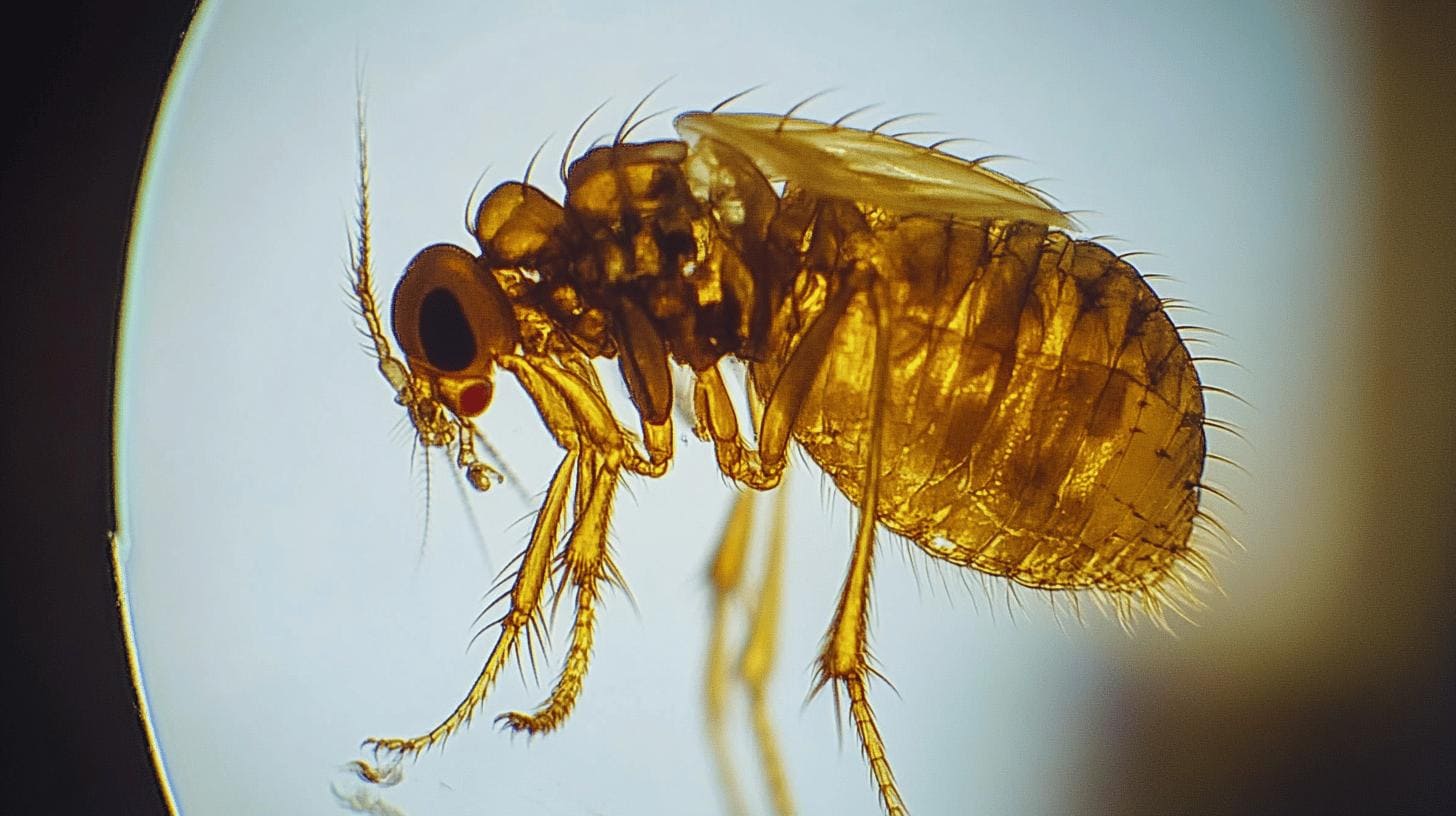
Ever worried that your cat’s fleas might become your unwanted roommates? The answer may surprise you. While these pesky parasites often hitch a ride on humans, they don't stay long.
Fleas may land on human skin for a quick bite, but they can't call us home like they do with our furry friends. In this post, we’ll explore how long cat fleas stick around and why humans aren't as cozy for these bugs. Understanding this can improve your peace of mind and ensure flea-free playtime for you and your cat.
Can Cat Fleas Stay on Humans?
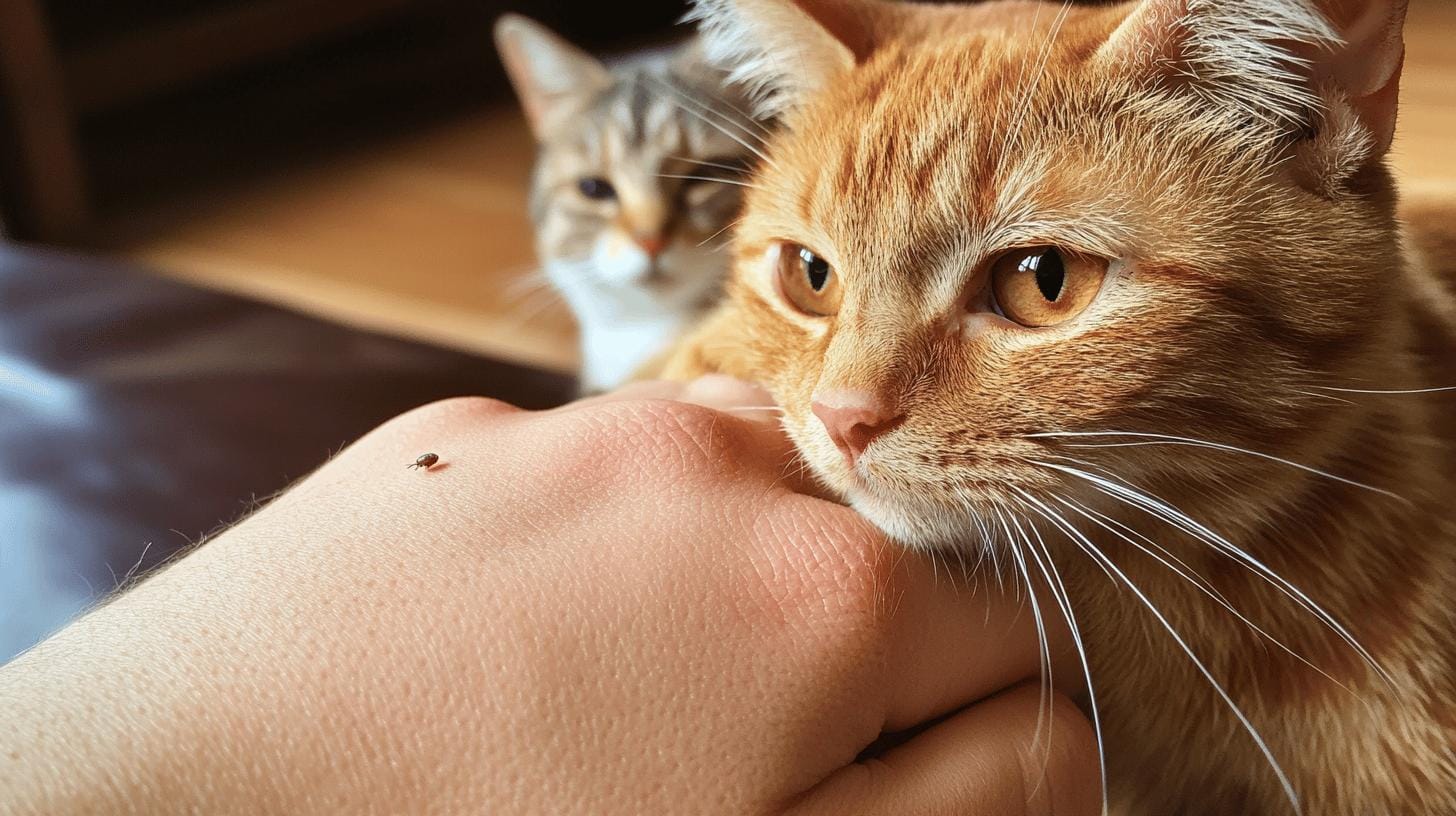
Fleas are tiny parasitic insects that feast on the blood of warm-blooded creatures. While they can bite humans, they have a strong preference for furry hosts like cats and dogs.
This preference stems from the warm, hairy environment that these animals provide, which is ideal for fleas to hide and thrive. When it comes to humans, fleas may land on us temporarily, but they don't find it as hospitable as an animal's fur.
When cat fleas land on humans, they don't stay long. Female cat fleas usually remain on human skin for about 7.4 minutes, and their male counterparts tend to linger for around 4.4 minutes.
his brief encounter is partly due to the lack of fur and the higher body temperature of humans compared to animals. Fleas can't reproduce on human hosts, so they quickly jump off to find a more suitable host where they can complete their lifecycle.
The short duration that fleas spend on humans is primarily due to their inability to reproduce on human skin. They need the warmth and protection of animal fur to lay their eggs and continue their lifecycle.
Without access to an animal host, fleas can't sustain their population or fulfill their reproductive needs. This is why, despite their occasional bites, humans are not suitable long-term hosts for fleas.
Flea Bites on Humans: Identification and Treatment
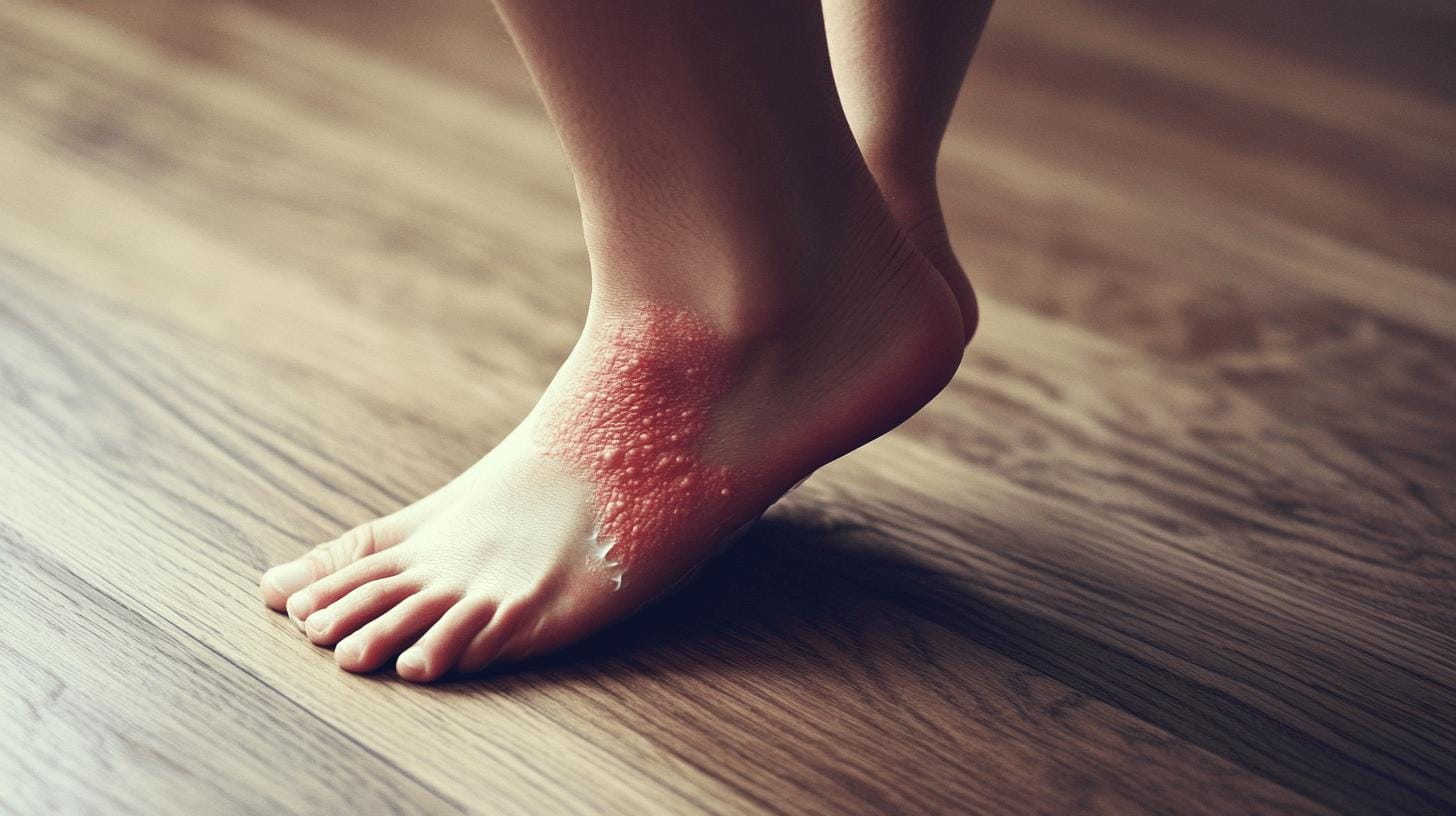
Flea bites on humans are usually found on the feet, ankles, and legs. These bites appear as small, red bumps often grouped in clusters or lines. They might be easily mistaken for other insect bites, but their distinct pattern and location can help in identifying them.
Symptoms of flea bites include itching and irritation at the site of the bite. For some individuals, these bites can trigger allergic reactions, causing more severe swelling, redness, and itching. Allergic reactions may vary in intensity, leading to discomfort and potential skin infections if the bites are scratched excessively.
To treat flea bites, follow these steps:
-
Clean the area with soap and water.
-
Apply anti-itch cream or calamine lotion.
-
Take oral antihistamines for severe itching.
- Consult a doctor if symptoms persist.
It's important to seek medical attention if flea bite symptoms do not improve or if there are signs of infection, such as pus, increased redness, or fever. While flea bites are usually more of a nuisance than a serious medical issue, persistent or severe reactions warrant professional evaluation to prevent complications.
How to Eliminate Fleas from Your Home
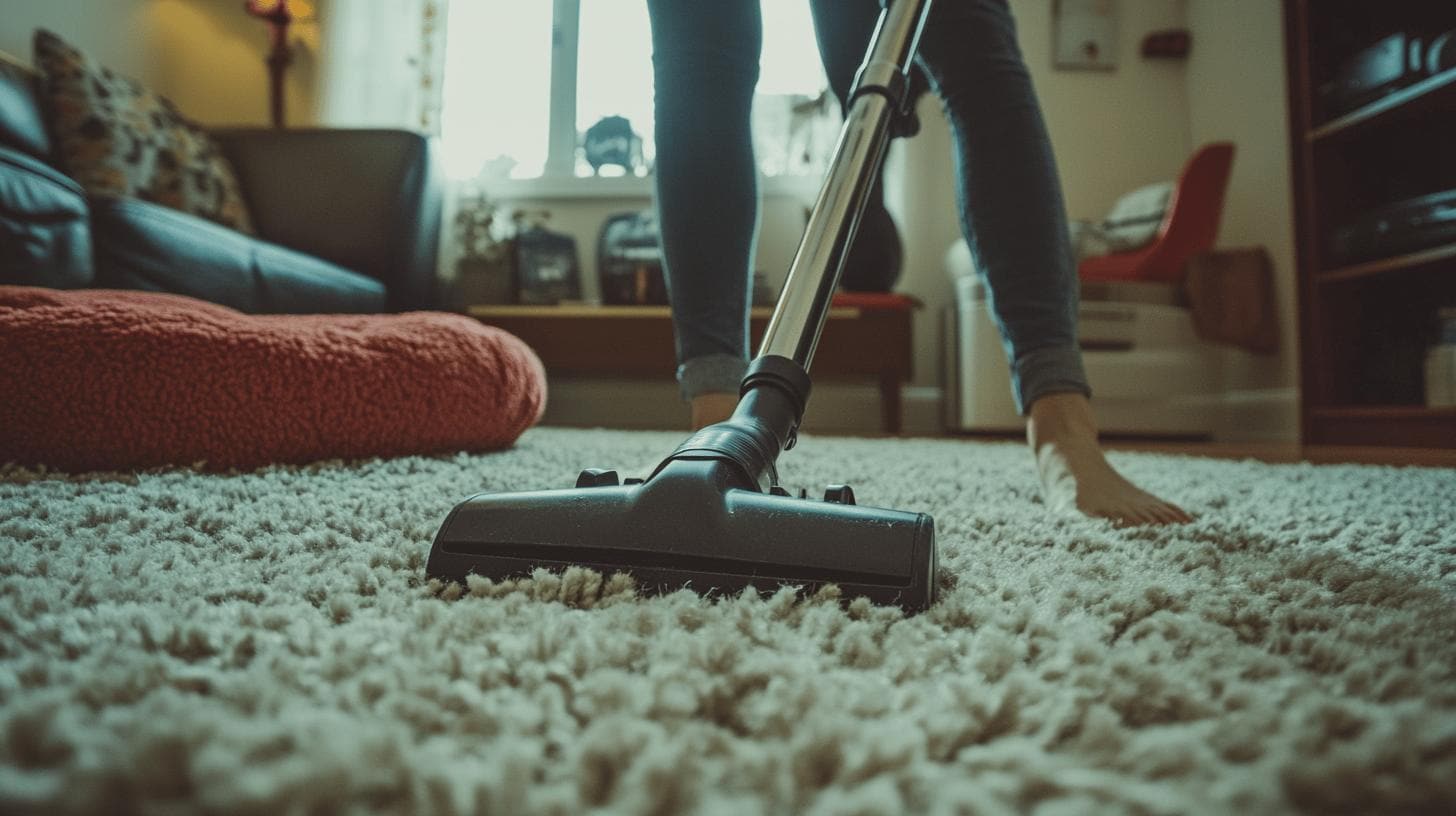
Fleas can easily make their way into your home and set up camp in places where your pets spend the most time, like beds and carpets. These pesky invaders can quickly multiply, making it crucial to maintain a clean home environment to keep flea infestations at bay.
Regular cleaning and treatment of your living space prevent fleas from becoming a persistent problem. By focusing on areas where fleas thrive, such as pet bedding and high-traffic areas, you can significantly reduce their presence.
To effectively clean and treat your home for fleas, follow these steps:
-
Vacuum floors and upholstery regularly.
-
Wash pet bedding in hot water.
-
Use flea sprays or powders on carpets.
-
Clean outdoor areas where pets roam.
-
Use flea treatments on pets.
-
Seal cracks and crevices.
- Dispose of vacuum bags immediately.
Preventive measures are equally important to ensure fleas don't make a comeback. Consider these strategies to keep your home flea-free:
-
Regular flea checks on pets.
-
Frequent grooming.
-
Use of flea collars or preventatives.
-
Keeping pet areas clean.
-
Monitoring outdoor play areas.
When the infestation seems out of control, or if you've tried everything and fleas still persist, it might be time to call in the experts. Professional pest control services offer comprehensive solutions that can tackle severe flea problems.
They have access to treatments and tools that can reach areas you might miss, ensuring your home is a no-flea zone. This level of professional intervention is especially useful in regions where fleas are prevalent, providing peace of mind in knowing that your home is protected from these tiny intruders.