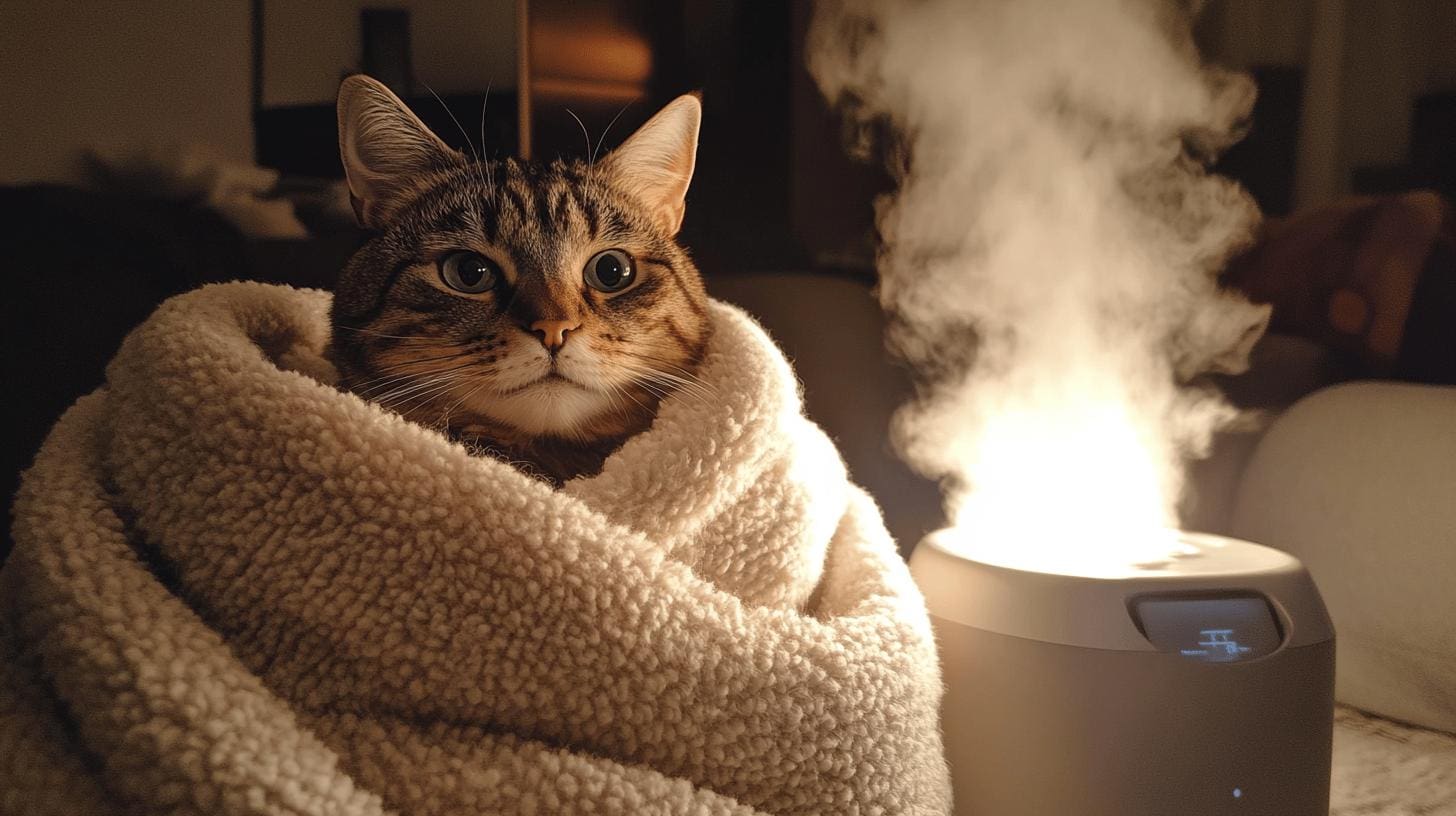
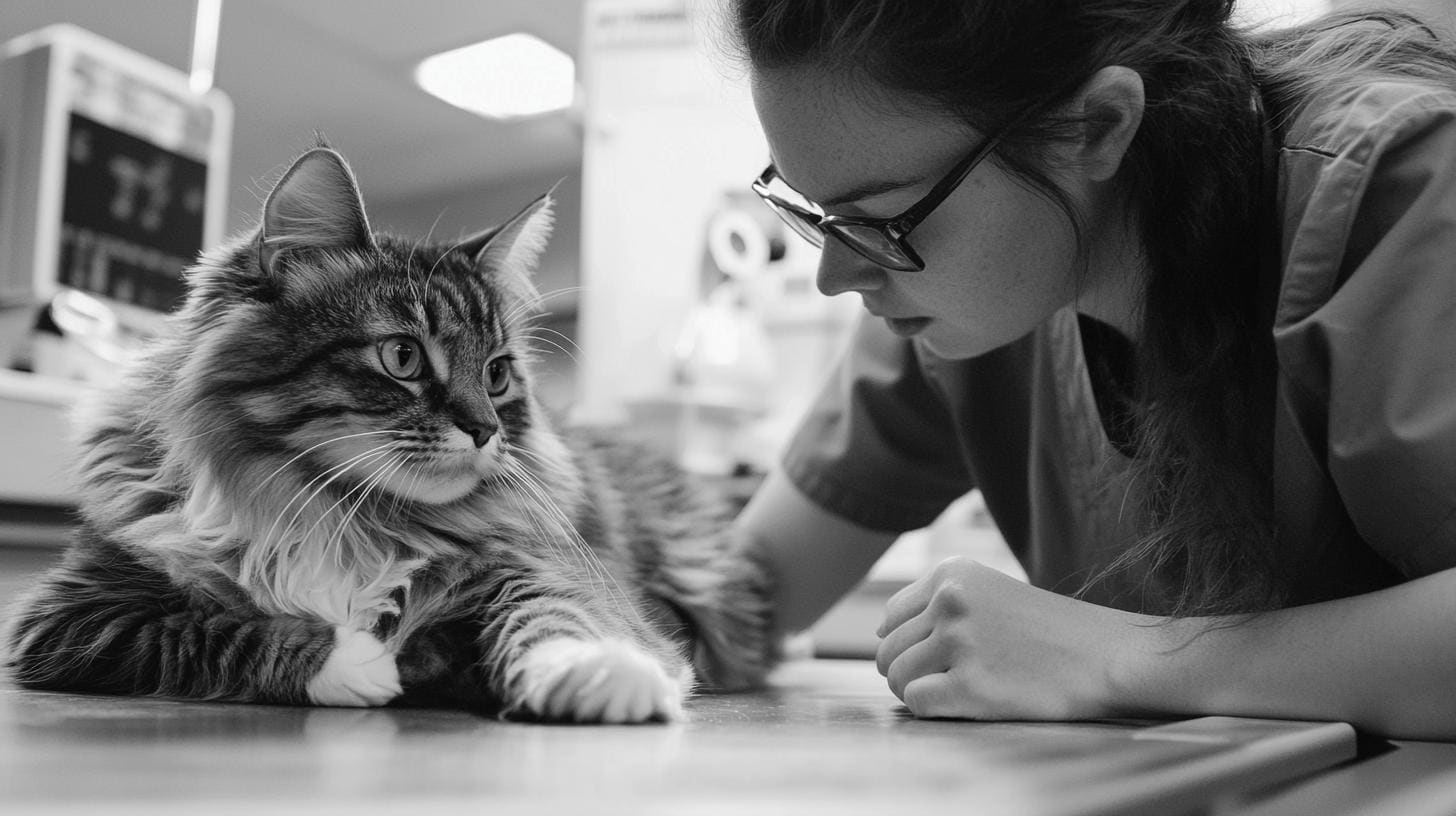
Did you know that cats can catch colds, much like humans? It's true, and understanding how long these feline sniffles last can make a big difference in your kitty's recovery. Cat colds usually run their course in about 7 to 10 days, but they can vary.
Staying informed about the typical duration and symptoms can help you provide the best care. In this article, you’ll learn what to expect and when it might be time to call the vet. Let's make sure your cat gets back to purring in no time.
How Long Do Cat Colds Last?
Cat colds, often caused by viral infections like feline herpesvirus and feline calicivirus, generally last between 7 to 10 days. These viruses are highly contagious and can spread quickly among cats, especially in environments with multiple cats.
While most cat colds resolve within this timeframe, the duration can vary depending on the cat's overall health and immune system. It's essential to provide supportive care during this period to help your kitty recover comfortably.
Monitoring your cat's symptoms is crucial during a cold. If symptoms persist beyond the typical 7 to 10-day duration, or if they worsen, it might be time to consult a veterinarian. Watch for signs such as difficulty breathing, refusal to eat, or a significant drop in energy levels.
ly intervention can prevent complications and ensure your cat returns to its playful self as soon as possible. Keeping a close eye on your cat’s condition will help you make informed decisions about seeking professional help if needed.
Symptoms of Cat Colds
When your cat catches a cold, you'll notice a range of symptoms that can help you identify their ailment early on. These colds, commonly caused by viruses like feline herpesvirus and calicivirus, present symptoms much like those in humans. The most common signs include:
-
Sneezing
-
Nasal discharge
-
Coughing
-
Watery eyes
-
Lethargy
These symptoms can make your furry friend feel under the weather, and they might also experience a fever or a decreased appetite during this time.
While these symptoms are typical of cat colds, they can sometimes overlap with other feline illnesses. For instance, similar signs might appear in cases of allergies, bacterial infections, or even more severe respiratory issues.
This overlap means it's important to monitor your cat closely. If the symptoms persist or worsen, it might be a sign of a different underlying condition. Seeking veterinary advice can ensure an accurate diagnosis and appropriate treatment, helping your kitty recover quickly and comfortably.
Factors Influencing Cat Cold Recovery Time
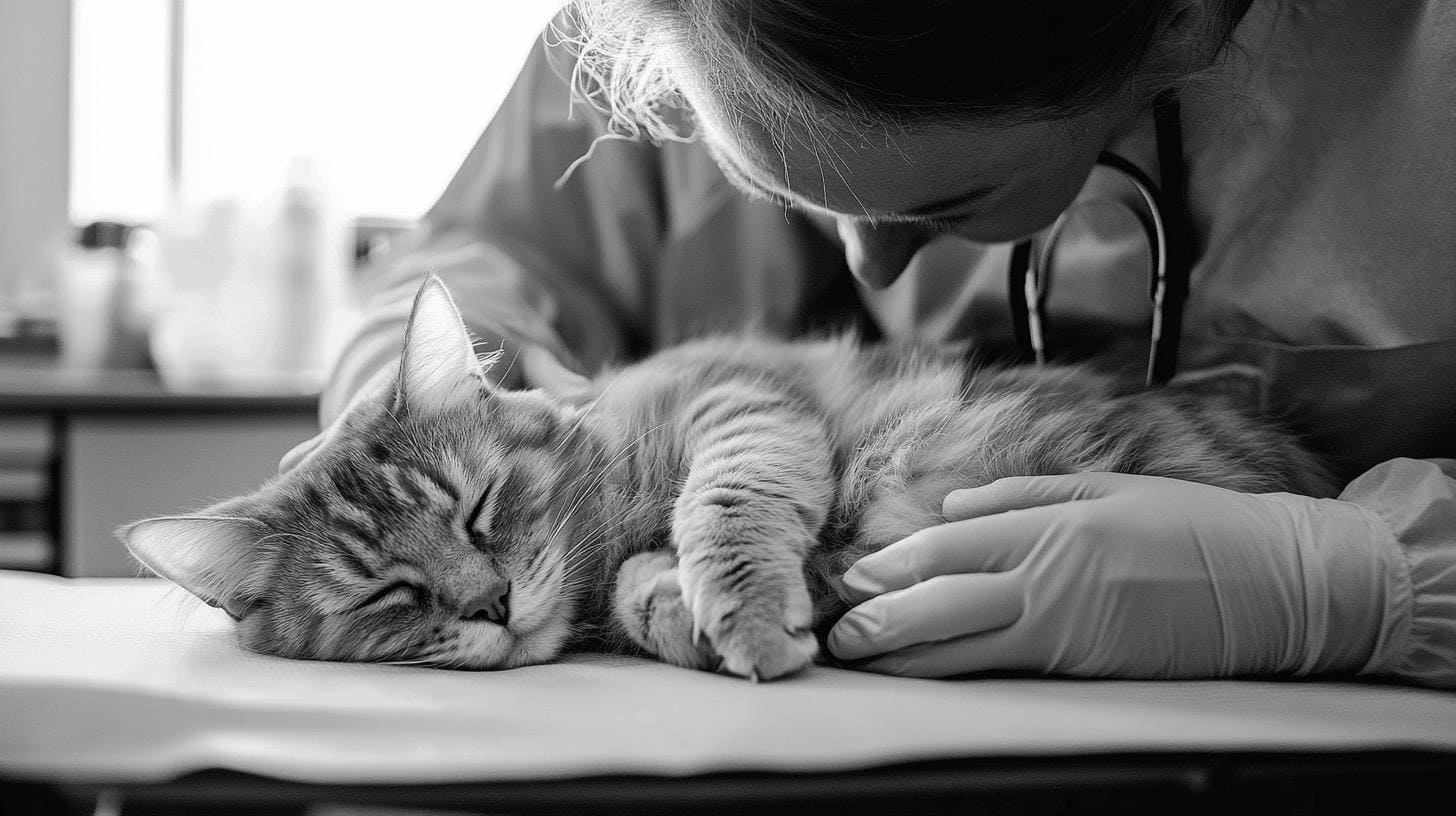
A cat's age and immune health are crucial in determining how quickly they can bounce back from a cold. Kittens and older cats generally have weaker immune systems, making them more susceptible to prolonged illness.
Kittens are still developing their immune defenses, while senior cats may have a naturally diminished immune response. Additionally, cats with a robust immune system are typically able to fight off infections more efficiently, leading to a shorter recovery period. Regular veterinary check-ups can help ensure your cat's immune system is in top shape, potentially reducing the duration of colds.
Apart from age and immune health, other factors like stress and underlying health conditions play a significant role in cat cold recovery time. Stress can weaken a cat's immune system, making it harder for them to recover from illness.
Cats in high-stress environments, such as shelters, might experience longer recovery times. Additionally, if a cat has underlying health issues, such as respiratory problems or chronic diseases, their body might struggle more to overcome a cold. Keeping stress levels low and managing existing health conditions are essential steps in supporting your cat's recovery.
| Factor | Impact on Recovery |
|---|---|
| Age | Younger and older cats may experience longer recovery times |
| Immune Health | A strong immune system can lead to quicker recovery |
| Stress Levels | High stress can prolong recovery |
| Underlying Health Conditions | Existing issues may complicate recovery |
| Living Environment | Exposure to other sick cats can affect recovery |