Ever notice Fluffy’s whiskers twitch when she has a runny nose? That’s a mild upper respiratory infection (URI, like a cat cold). Most cats shake it off in about five to seven days. But if you’ve got a tiny kitten or a senior kitty, those sniffles can stick around up to three weeks.
Knowing these timelines lets you set up a cozy nap spot, offer extra water, and know when to ring the vet. You’ll feel calmer. And your purring pal will appreciate it too. Sounds helpful?
Next, let’s break down how long those sneezes and snuffles usually hang on so you can tackle every wet-nose moment with confidence.
Average Recovery Time for Cat Upper Respiratory Infections
Ever wondered how long your kitty’s upper respiratory infection (URI – a fancy name for a cat cold) will last? Mild sniffles and sneezes often clear up in just a few days. Tracking how long these kitty colds stick around helps you plan cozy care and set expectations.
| Cat Cold Type | How Long | What to Expect |
|---|---|---|
| Mild cat cold | 5-7 days | Most healthy cats bounce back without any meds |
| Adult cat cold | 7-10 days | Vaccinated cats usually recover in this time |
| Tough cases | 3+ weeks | Kittens, seniors, or cats with weak immune systems need extra care |
Feline herpesvirus (a virus that hides in a cat’s nerves) flare-ups run about two weeks on average, and stress can stretch that time. Calicivirus (the one that can give kitty mouth sores) also sticks around a similar length but often needs extra TLC.
In kittens and seniors, your cat cold can drag on past three weeks. Their immune systems are still growing or slowing down, so sniffles and drippy noses hang on. You might end up giving fluids or even antibiotics (medicine that fights infections).
Cats with weakened defenses (immunocompromised cats) may have a slow drip of discharge until the root problem gets sorted out.
Knowing these timelines makes it easier to spot when your furball should be zooming again or when it’s time for a vet check. If the sniffles stick around past the usual window, reach out to your veterinarian for advice.
Factors That Affect How Long Cat URIs Last
Age and Immune Status
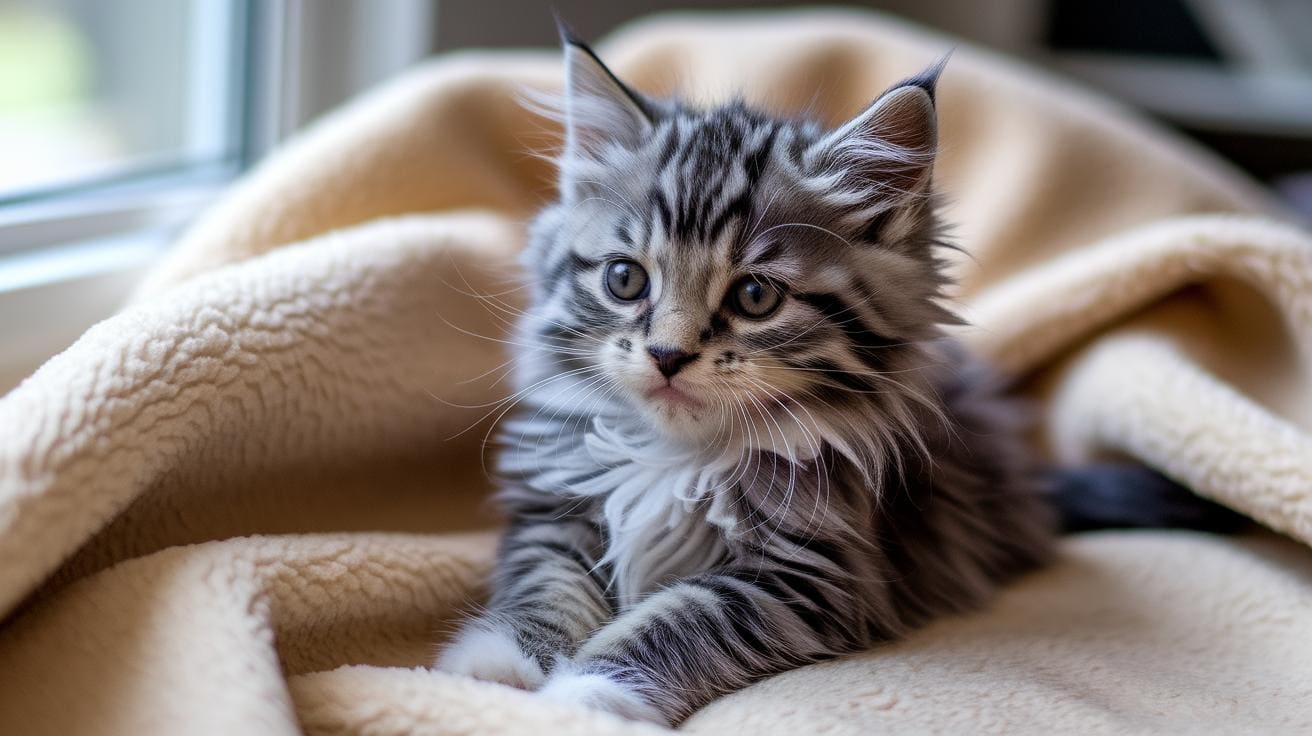
Kittens under six months old often slog through sniffle season from a URI (upper respiratory infection) for weeks (sometimes three or more!). Their immune systems (your cat’s germ fighters) are still learning the ropes. Older cats feel it, too, because their defenses slump over time. And if they skip booster shots, viruses sneak back in like uninvited guests.
Viral vs Bacterial Causes
A straight-up viral URI usually wraps up in about a week. You’ll see thin, clear nose drips and just a few sneezes. But if bacteria (tiny germs that love to cause trouble) join in, the gunk turns thick and yellow-green and it’s time for antibiotics (meds that kill bacteria). If it turns into chronic feline respiratory disease (a long-term infection), your cat could be sniffling for months until you fix the root cause.
Stress and Environmental Factors
Stress is a sneaky trigger. A new home, loud noises, or even a vet visit can send feline herpes virus into high gear. Calicivirus can stick around on toys or food dishes for up to 30 days, so that old feather teaser might spark fresh sniffles. Flat-faced cats (brachycephalic breeds like Persians) struggle to clear tight nose passages, and in a busy home or shelter those drippy noses can pass from one furball to the next.
Recovery Stages After Feline Respiratory Infection
Days 1–3
Your kitty might start sneezing and have watery drips from the nose and eyes. Whiskers tremble as thin, clear gunk dots the fur. Some cats rub their faces or paw at their runny eyes. It feels like a morning dew of sniffles.
Hang in there.
Days 4–7
Sneezes and congestion peak now, with eye swelling or tiny ulcers (little sores) on the eyelids or tongue. Mealtime might be a reluctant nibble and sneezing fits can burst up. Most cats nap more but still show up at the food bowl.
Worth every paw-print.
Days 8–10
That thick gunk finally starts to thin out. Sneezes slow to an occasional “achoo.” Appetite rebounds and whiskers twitch again during play sessions. Energy returns with light zooms across the room and cozy vibes are back.
Days 10–14
Most sniffles disappear now, though a stray sneeze or trace drip may linger, especially in herpesvirus (a common cat virus) carriers. Your cat’s nose looks pink and clear and weight is back on those paws. It’s like the cold just tiptoed away.
Viral shedding (when the virus comes out even if your cat seems fine) can last after symptoms fade. So be careful sharing toys and bowls until two weeks pass.