
Did you know that what your cat eats after a neuter surgery can impact its recovery? It's a question every caring cat owner faces. When your feline friend returns from the vet, it may seem less interested in food, leaving you struggling to decide on the right feeding plan. It's normal to wonder how much—and when—to feed your pet after such a significant procedure. In this post, I'll guide you through what to expect and how to carefully reintroduce food to ensure a smooth recovery.
Post-Surgery Feeding Guidelines for Cats
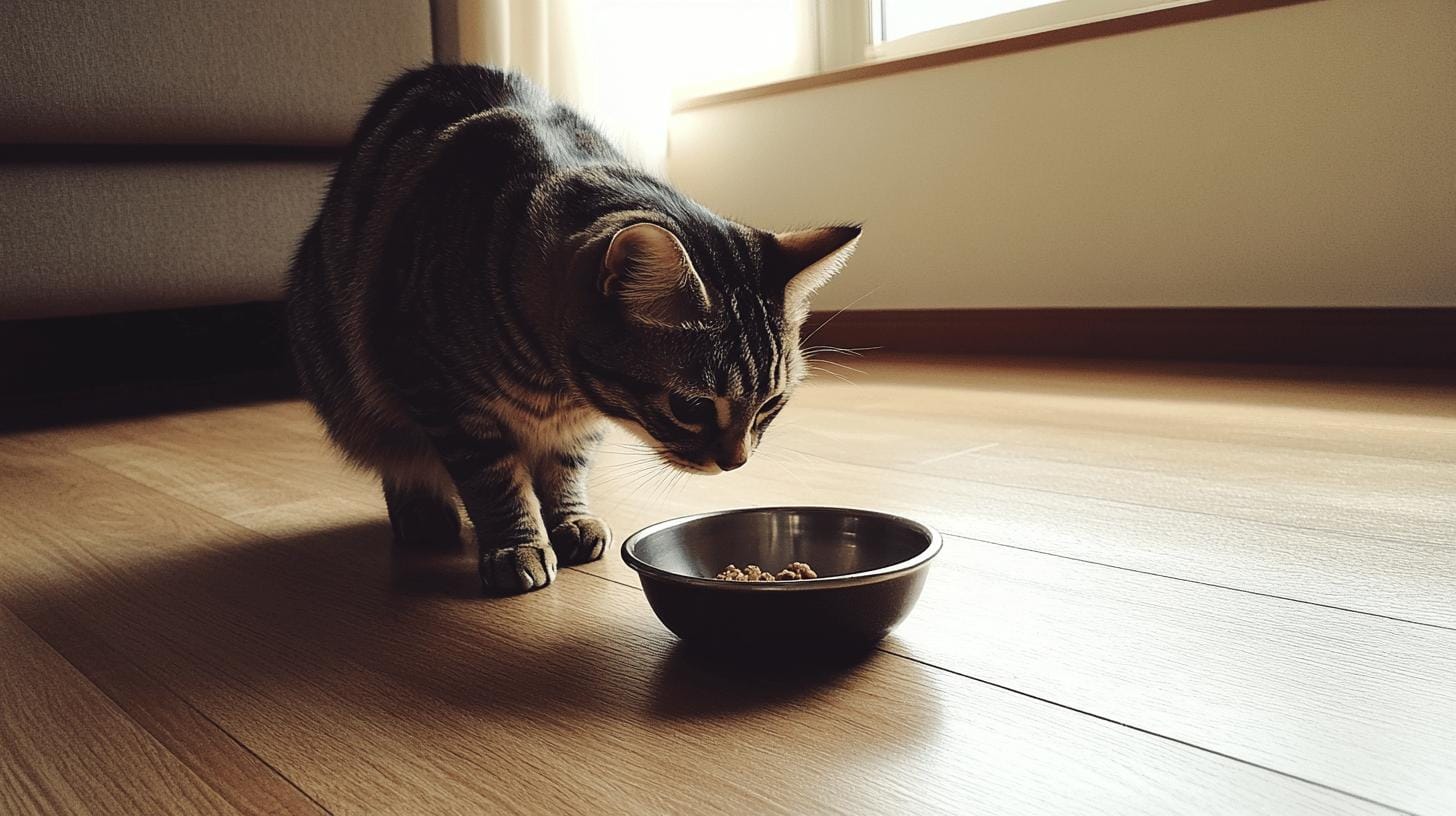
After neutering, cats often experience side effects like nausea and a lack of appetite. This is due to the effects of anesthesia, which can leave them feeling a bit off. You might notice your cat seems lethargic or uninterested in food right after surgery, which is quite normal. Veterinarians typically recommend offering a small amount of food and water the night of the surgery. However, don't be surprised if your cat vomits after consuming it. The key is to be patient and allow your cat some time to recover from the anesthesia.
What to Watch for Before Feeding Post-Surgery
- Appetite: Check if your cat shows any interest in food.
- Nausea: Look for signs of nausea such as drooling or licking lips.
- Lethargy: Observe your cat’s energy levels; they should gradually improve.
- Vomiting: Keep an eye out for any vomiting after eating or drinking.
- Discomfort: Notice if your cat seems uncomfortable or in pain.
Reintroducing Food Timeline
- First 12 hours: Only offer a small amount of water. If your cat seems interested, you can try a tablespoon of wet food. Watch for any signs of nausea or vomiting.
- 12-24 hours: Gradually increase the amount of wet food if your cat keeps it down. Still, keep portions small.
- 24-48 hours: Start to return to normal feeding amounts if your cat's appetite is returning. Offer regular meals but monitor for any digestive upset.
- 48 hours and beyond: By now, your cat should be eating closer to its usual amounts. If appetite is still lacking or if vomiting continues, contact your vet.
Gradual Reintroduction of Food
Start by offering small, easily digestible meals. Wet food is often preferable, as it’s gentler on the stomach. Begin with a tablespoon and gradually increase the portion every few hours, depending on how well your cat tolerates it.
Over a 48-hour period, gradually transition back to your cat’s regular diet. Pay attention to any signs of digestive issues such as diarrhea or continued vomiting. It’s crucial to go at your cat’s pace, ensuring they are comfortably keeping food down before increasing portions.
Monitoring your cat's weight and adjusting food portions can help maintain a healthy recovery. Since cats are prone to gaining weight post-surgery due to changes in metabolism, portion control becomes even more important. Keep an eye on your cat's body condition and adjust feeding amounts to prevent obesity while ensuring they receive adequate nutrition for healing.
Post-Surgery Feeding Guidelines for Cats
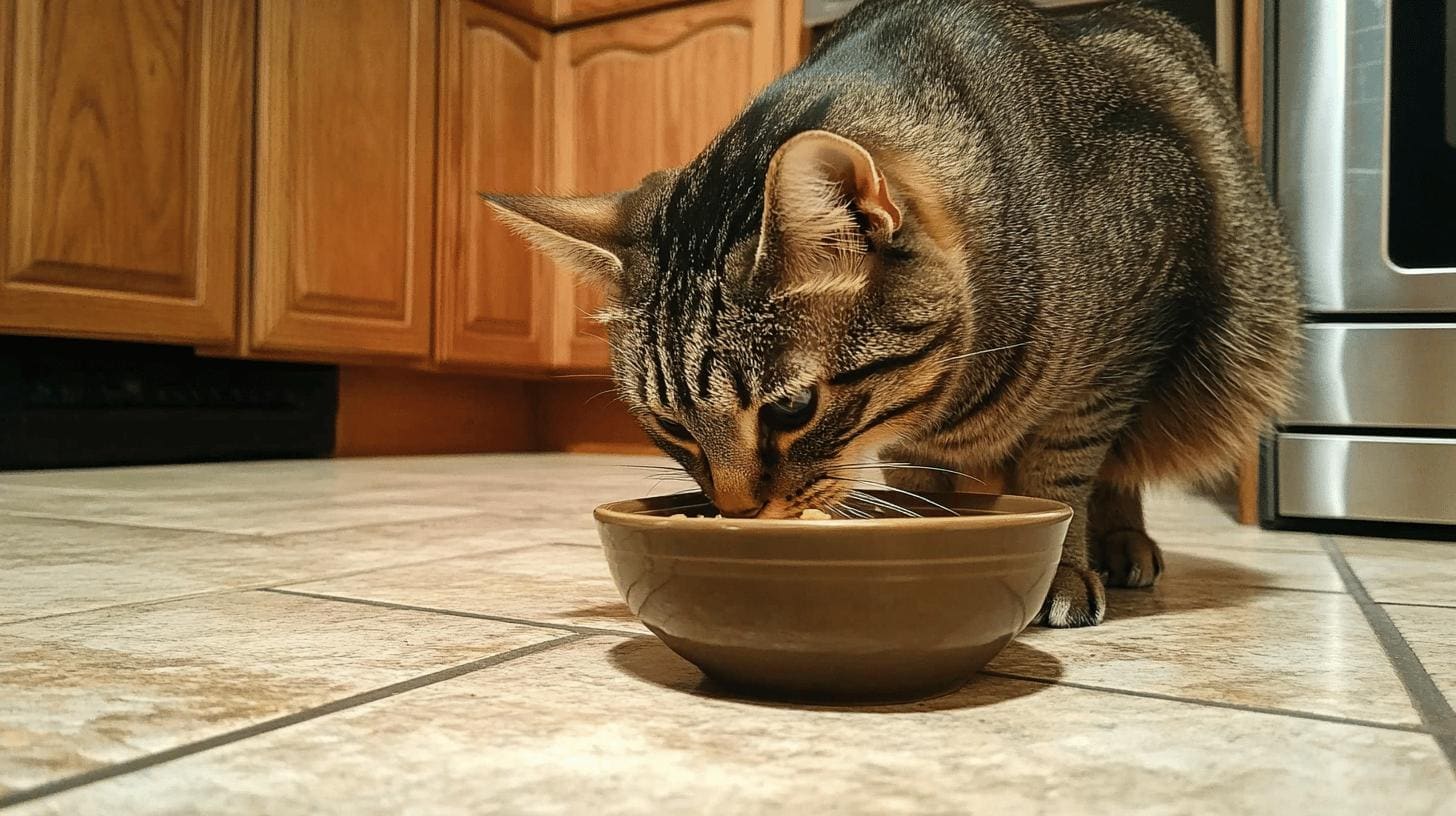
Neutering affects your cat's metabolism, which can lead to weight gain if their diet isn't adjusted. Their energy needs decrease post-surgery, so they don't need as many calories. Keep an eye on their weight and adjust food portions to maintain a healthy balance. After surgery, a decrease in appetite is common, but if it persists with nausea or vomiting beyond 48 hours, contact your vet.
Reintroducing Food Timeline
To ensure your cat's health post-neuter, focus on a balanced diet. Here's what to include:
- Protein: Supports muscle maintenance and overall health.
- Fiber: Aids digestion and helps prevent constipation.
- Omega-3 Fatty Acids: Beneficial for skin and coat health.
- Vitamins and Minerals: Ensure your cat gets a comprehensive array of vitamins and minerals for vitality.
- Controlled Calories: Adjust portions to prevent weight gain while providing enough energy.
If your cat seems uninterested in eating, try these appetite-stimulation methods:
- Warm Up Food: Heating canned food can enhance its aroma, making it more appealing.
- Offer Variety: Introduce different flavors or textures to entice your cat.
- Hand-Feeding: Sometimes, a little personal attention can encourage eating.
- Encourage Play: Engaging in play can stimulate hunger.
While monitoring recovery, be aware of behavioral changes post-neuter. Cats may appear calmer or reduce roaming behaviors. Watch for persistent signs like a lack of appetite, lethargy, or vomiting. If these symptoms don't resolve in a few days, contact your vet. Observing your cat's behavior ensures a smooth recovery and adaptation to their new dietary needs.