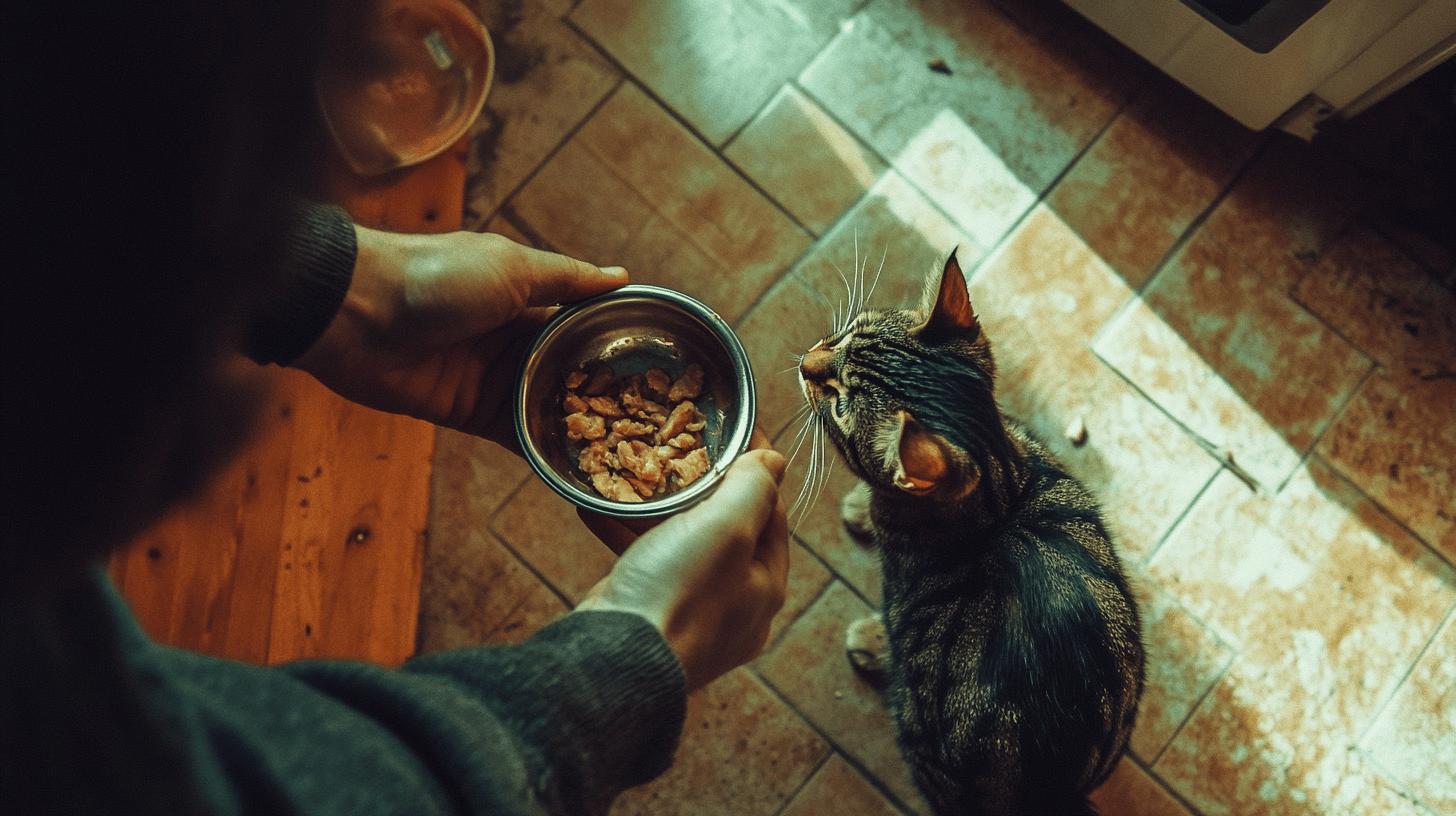
Can cats eat candy? It might seem harmless when your cat eyes that colorful treat, but candy can pose serious risks to feline health. Unlike humans, cats don't need carbs and can't taste sugar. So, offering them candy doesn't just lack benefits—it's potentially harmful. Many candies contain ingredients like chocolate and artificial sweeteners that are toxic to cats. These can lead to dangerous health problems. If you cherish your cat's health, keeping candy out of reach is crucial. Let's explore why candy isn't a safe or suitable choice for your furry friend.
Can Cats Eat Candy? Understanding the Risks and Dangers
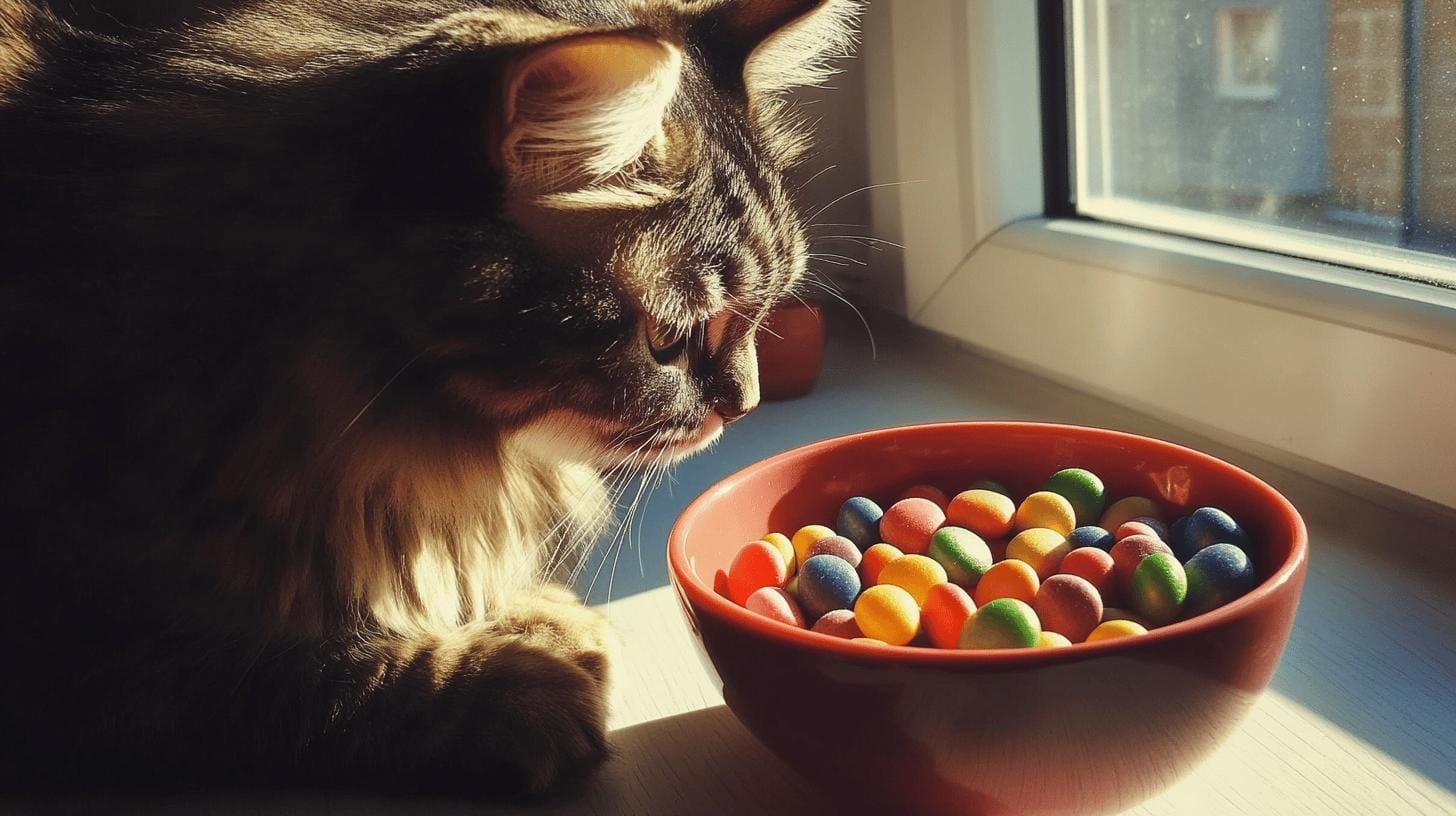
Cats are obligate carnivores, designed by nature to thrive on a diet rich in protein and devoid of carbohydrates. Unlike humans, cats have no biological need for carbohydrates, and they are "sweet blind," meaning they lack the ability to taste sugar. This makes candy and other sugary treats not only unappealing but also unsuitable for their dietary needs. Feeding candy to cats does not provide any nutritional benefits and can potentially harm their health.
Candy often contains ingredients that are toxic to cats. Chocolate, a popular candy ingredient, is particularly dangerous because it contains caffeine and theobromine, both of which are harmful to cats. Even small amounts can lead to severe health issues such as tremors, seizures, or even death in extreme cases. Additionally, artificial sweeteners like xylitol, commonly used in sugar-free candies, can cause serious health problems. While not as toxic to cats as to dogs, xylitol should still be avoided since its effects can be harmful in large doses.
High sugar candies are also problematic for cats. Unlike humans, cats cannot effectively metabolize large amounts of carbohydrates, which can lead to digestive issues such as vomiting and diarrhea. Over time, a diet with excessive carbohydrates can contribute to obesity and related health problems, including diabetes. This makes candy a poor choice for cat snacks, as it does not align with their natural dietary requirements.
To ensure the health and well-being of your feline friend, it's important to keep human foods like candy out of their reach. Cats require a diet that is specifically formulated to meet their unique nutritional needs. Offering treats that are designed for cats is a safer and healthier alternative. These treats provide the necessary nutrients without the risks associated with human foods, helping maintain a balanced and nutritious diet for your pet.
Symptoms of Candy Ingestion in Cats

When a cat consumes candy, it may exhibit several unpleasant symptoms. Common signs include vomiting and diarrhea, both of which can indicate that your cat's digestive system is trying to expel something toxic. These symptoms can occur relatively quickly, depending on the type of candy ingested. While these initial signs might seem minor, they can escalate if the candy contains harmful ingredients like chocolate or raisins.
- Vomiting
- Diarrhea
- Tremors
- Seizures
- Potential kidney failure
The severity of symptoms can vary greatly. Chocolate ingestion, for instance, can lead to tremors or seizures, which are serious conditions that require immediate attention. In extreme cases, ingestion can even be fatal. Raisins, often found in some candies, can cause potential kidney failure. Monitoring your cat's behavior after suspected candy ingestion is crucial. If you notice any of these symptoms, it's important to seek veterinary care promptly to prevent further complications and ensure your cat's safety.
Immediate Actions: What to Do If Your Cat Consumes Candy
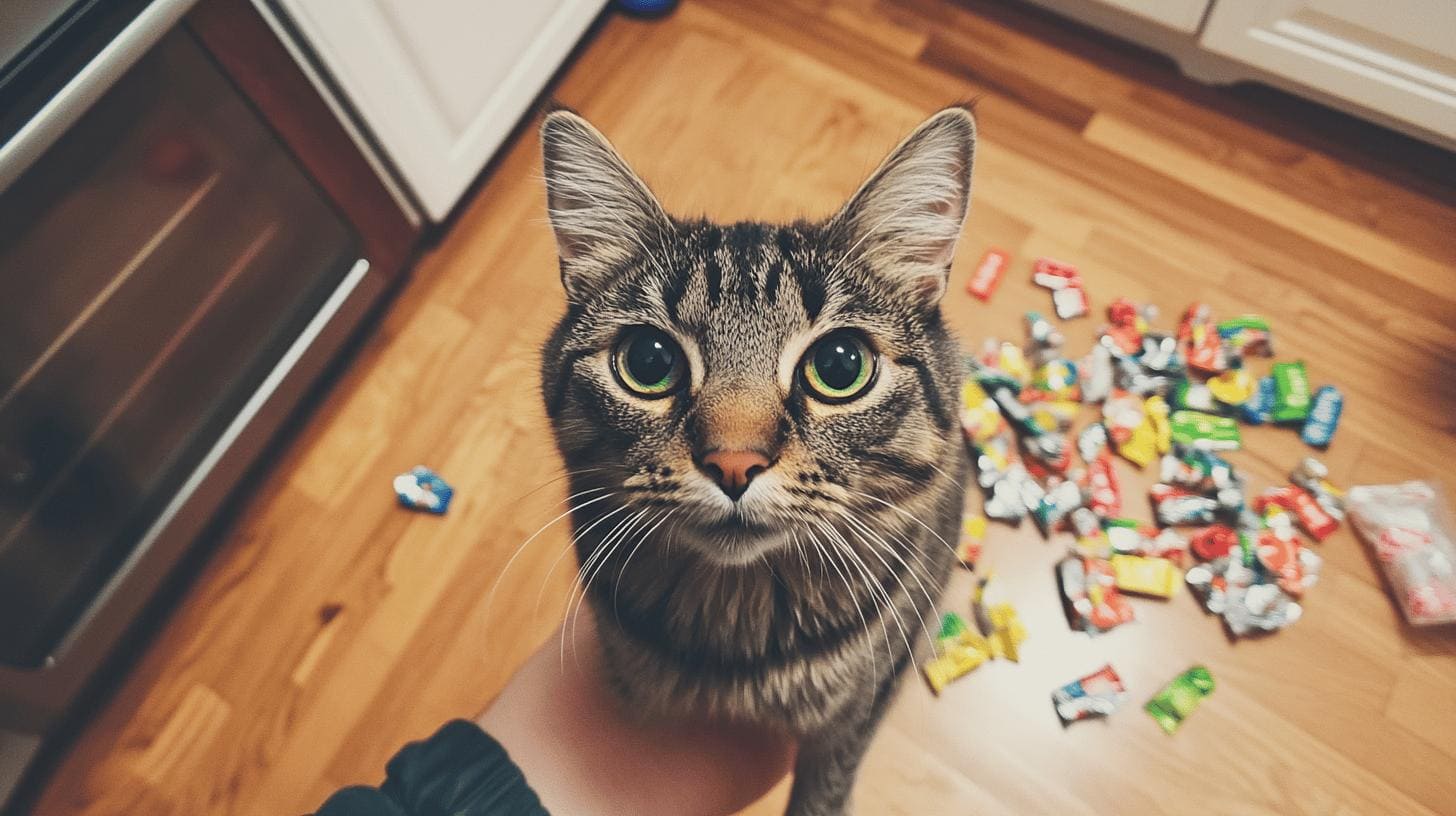
Quick action is essential if your cat consumes candy, especially if it contains toxic ingredients like chocolate. It's crucial to contact your veterinarian immediately to assess the situation. Even small amounts of chocolate can be harmful due to the presence of caffeine and theobromine. Similarly, small, hard candies can pose a choking hazard, obstructing the cat's airway and requiring immediate veterinary attention. Acting swiftly can make a significant difference in preventing serious health issues or even saving your cat's life.
- Contact your veterinarian immediately.
- Monitor your cat for symptoms.
- Do not induce vomiting unless instructed by a vet.
- Prepare for an emergency vet visit if necessary.
Veterinarians might use various treatments depending on the severity of the situation. They may induce vomiting or perform stomach flushing to remove the harmful substance from your cat's system. In cases of choking, the vet will take necessary measures to clear the airway. The treatment plan will aim to stabilize your cat's condition and prevent further complications. Always follow your vet's instructions closely to ensure the best outcome for your feline friend.