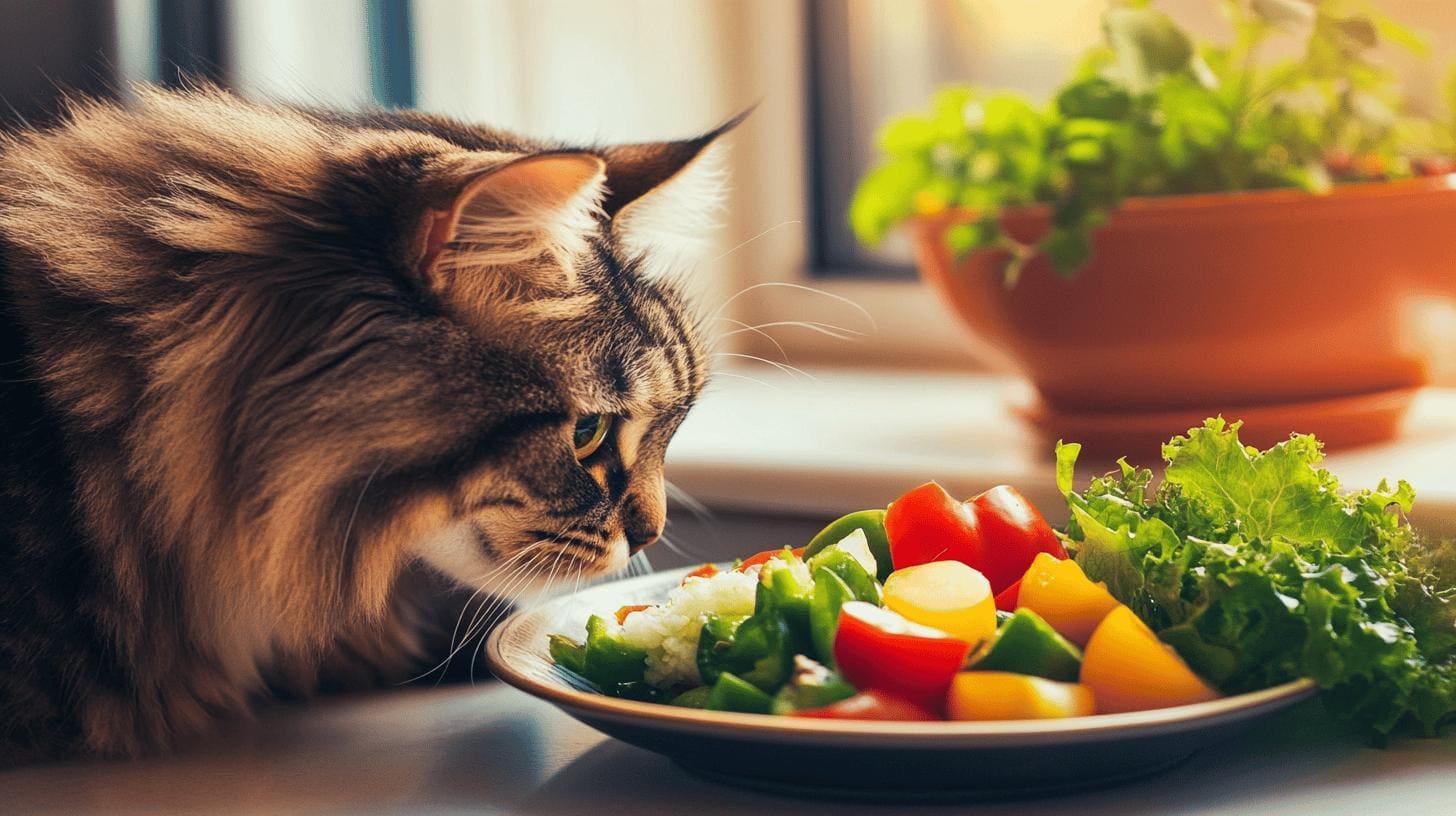
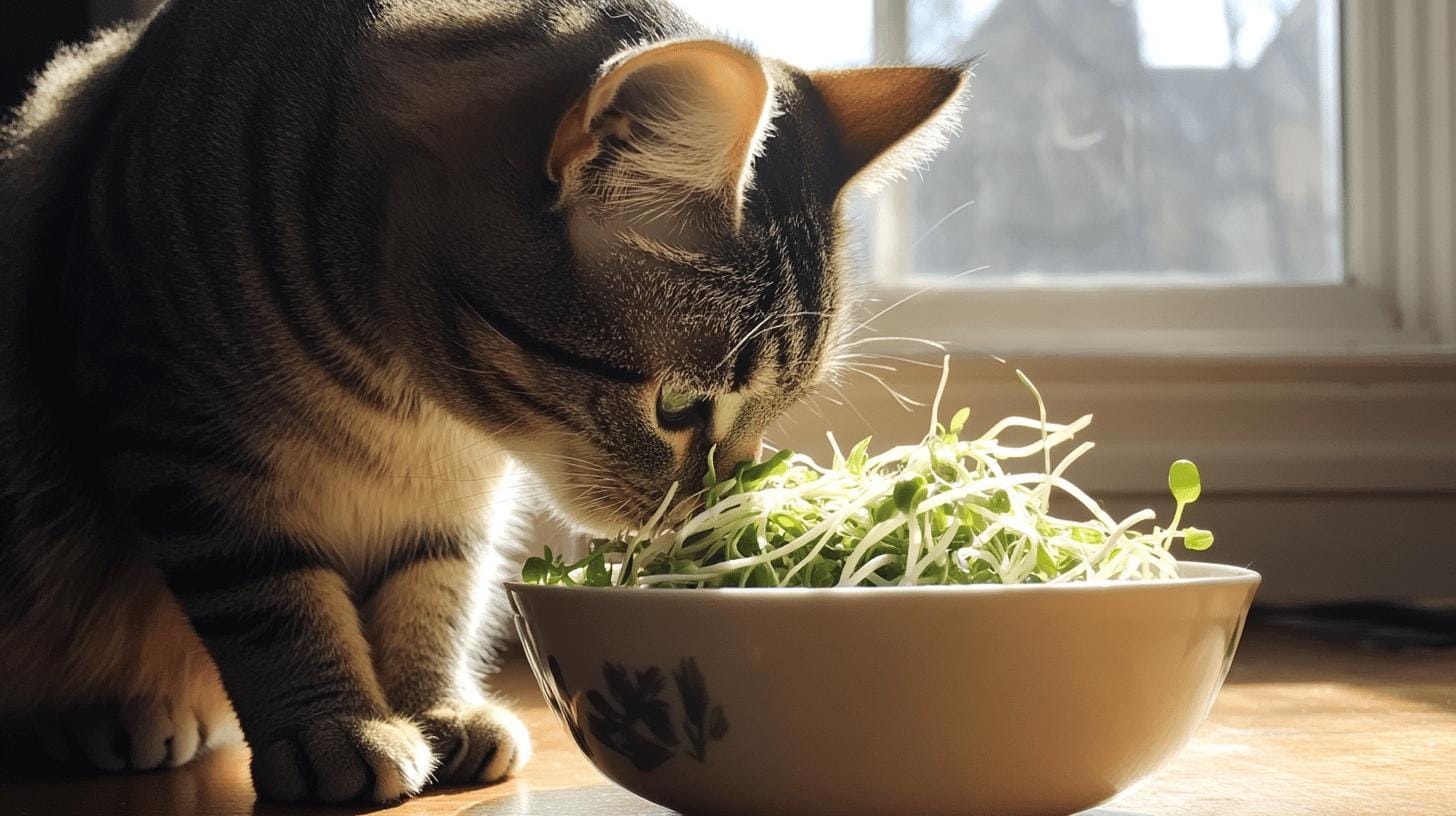
Can cats safely munch on bean sprouts as a treat? This is a question many cat lovers have pondered. The short answer is yes, but with a few caveats. Bean sprouts aren't necessary for a cat's diet, but offering them in moderation might add a little variety. To keep your furry friend safe, make sure the sprouts are clean and introduced slowly. Like any new snack, they could cause tummy troubles if not handled right. In this article, find out how to keep treat time safe and fun for your feline buddy.
Can Cats Safely Eat Bean Sprouts?
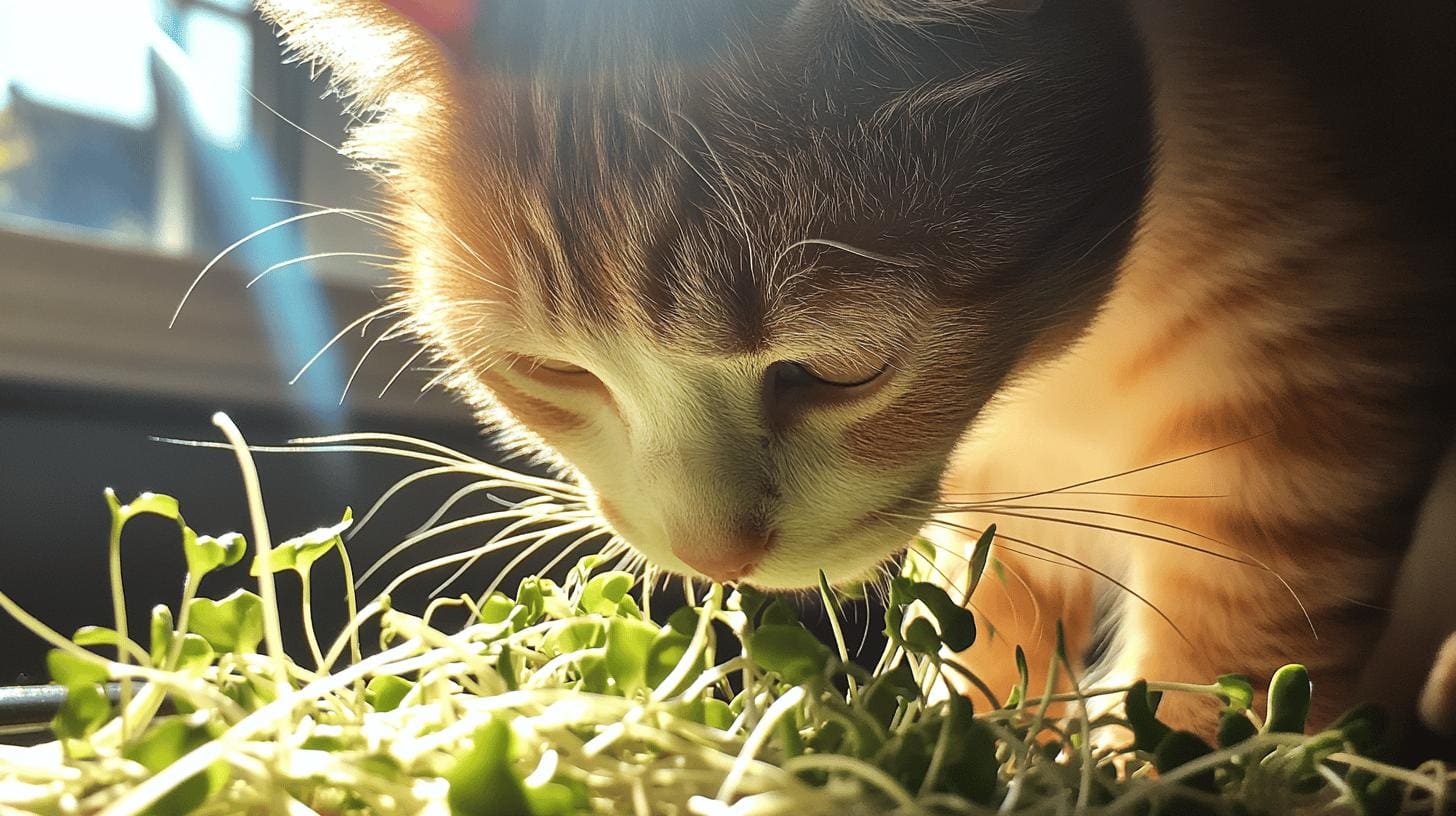
Cats can safely have bean sprouts, but only as an occasional treat. They aren't essential to a cat's diet, but they can be given in small amounts. Introducing them gradually helps avoid any potential digestive issues. It's crucial to ensure that the bean sprouts are clean and free from harmful substances before feeding them to your feline friend.
Potential digestive concerns include:
- Stomach upset
- Diarrhea
- Contamination risks
- Gastrointestinal distress
Preparation and precautions are vital when offering bean sprouts. Always wash them thoroughly to remove any bacteria or pesticides that might be present. Start by offering a small portion to see how your cat reacts. Monitor your cat for any signs of digestive discomfort and discontinue feeding if any issues arise. By taking these steps, you ensure the treat remains a safe and enjoyable experience for your cat.
Nutritional Value of Bean Sprouts for Cats
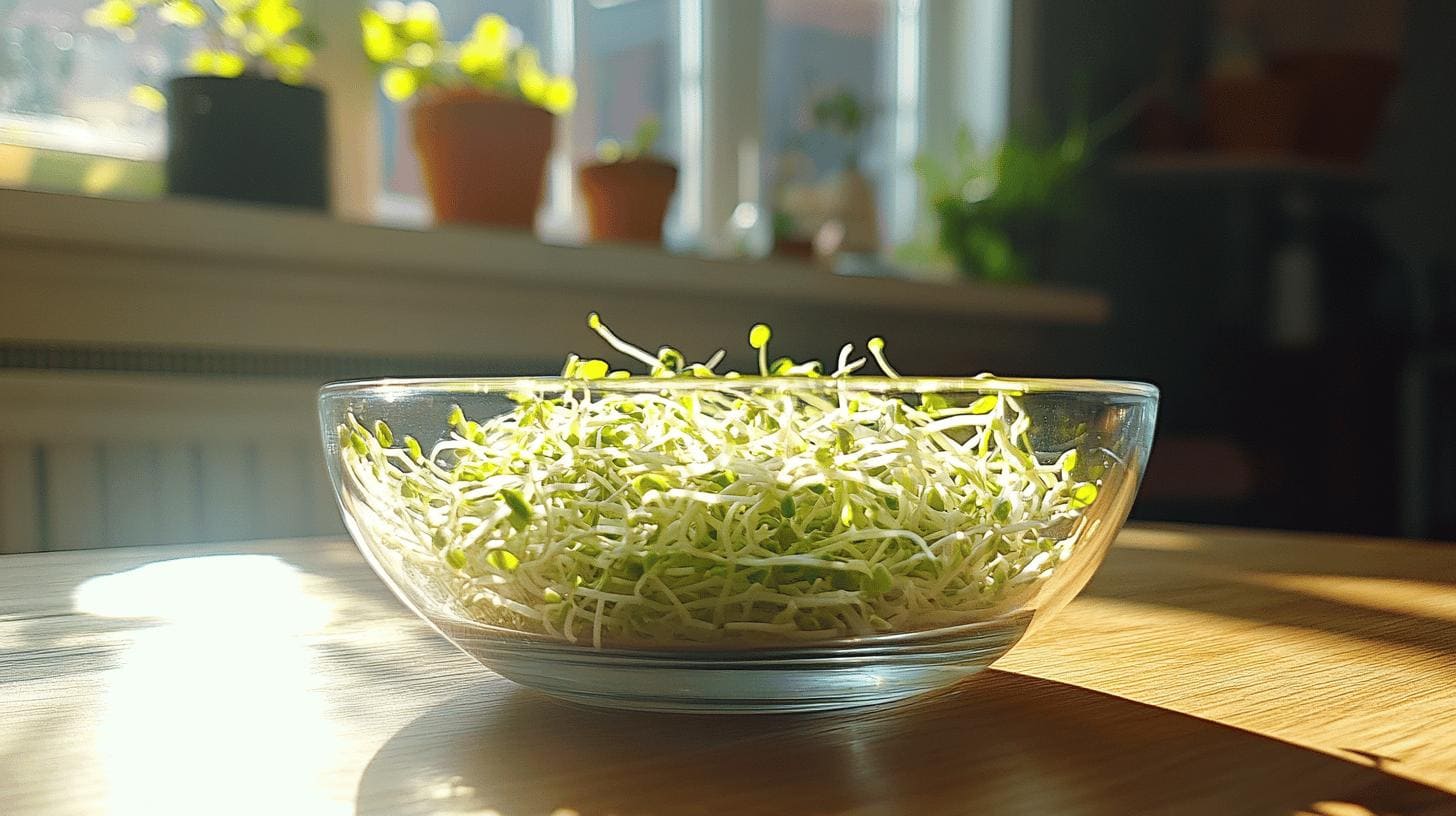
Bean sprouts are quite the nutritious little plants! They're low in calories, which makes them an appealing option for cat owners looking to provide a treat without adding too many extra calories to their feline's diet. They pack a punch with proteins, antioxidants, and various minerals. Yet, their overall contribution to a cat's nutritional needs might be limited due to the specific dietary requirements of our furry friends.
When it comes to vitamins and minerals, bean sprouts have some to offer. They contain vitamin C, which is known for its immune-boosting properties, although cats can synthesize this vitamin on their own. Vitamin K is present too, playing a role in blood clotting. Folate, essential for DNA synthesis and repair, is another component found in these sprouts. Though these nutrients are beneficial, they don't entirely align with the primary dietary requirements of cats.
| Nutrient | Amount | Benefit to Cats |
|---|---|---|
| Vitamin C | 2 mg/100g | Immune support (not essential) |
| Vitamin K | 33 µg/100g | Blood clotting |
| Folate | 61 µg/100g | DNA synthesis |
Despite their nutritional profile, bean sprouts offer limited benefits to cats because they are obligate carnivores. Cats thrive on a diet rich in animal protein, which is naturally more aligned with their biological needs. While bean sprouts can be an occasional addition for variety, they should never replace the primary sources of protein and nutrients found in meat. Always keep your cat's main diet focused on high-quality animal proteins to ensure they receive the essential nutrients they require.
Can Cats Safely Eat Bean Sprouts?
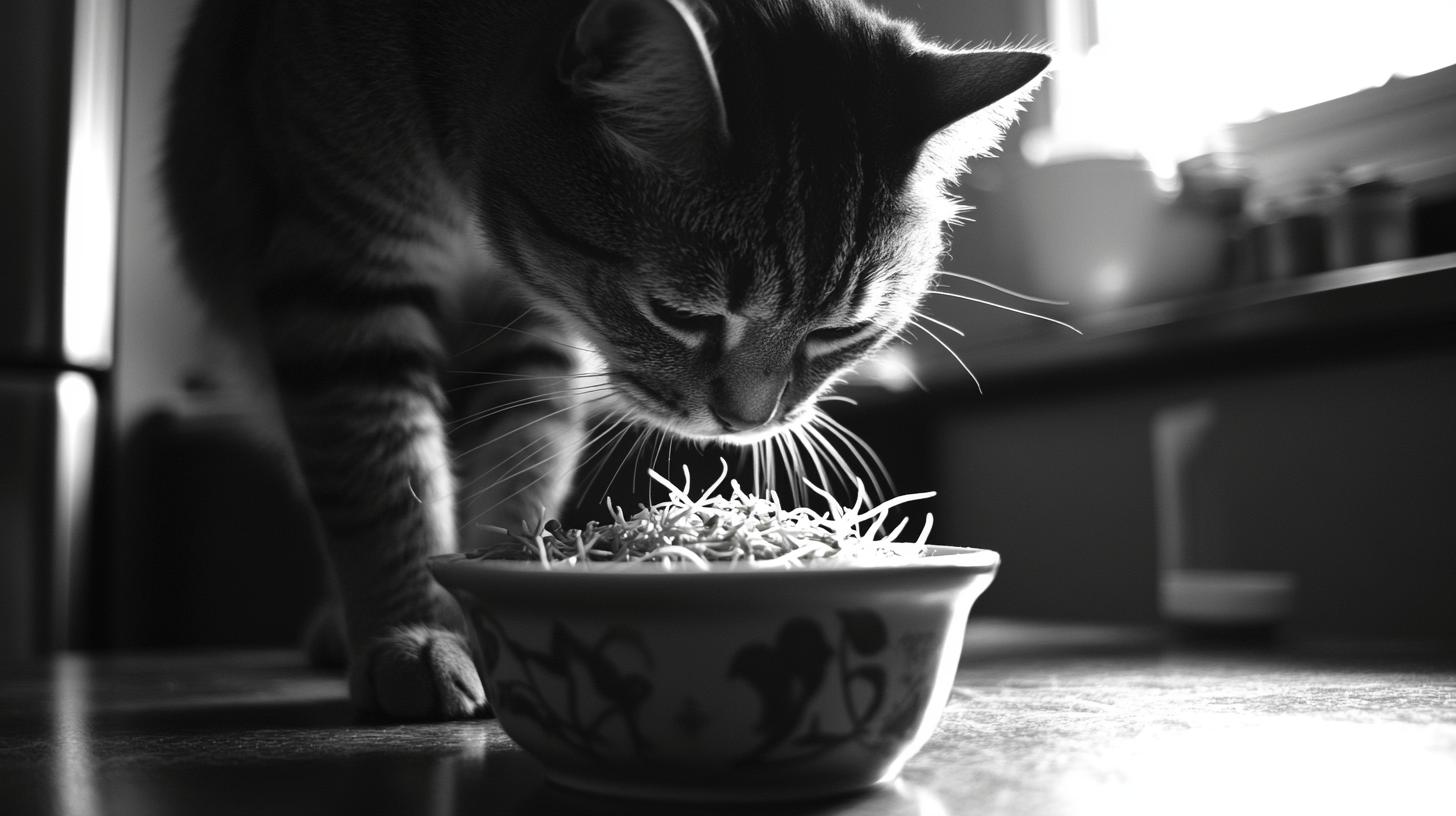
Before adding bean sprouts or any new food to your cat's diet, consulting with a veterinarian is crucial. They can provide advice based on your cat's health profile. Monitor your cat closely for any digestive changes or adverse reactions when introducing new foods.
- Start with small amounts
- Observe for any adverse reactions
- Maintain cleanliness of sprouts
- Limit frequency of serving
- Balance with primary diet
Keeping a balanced diet is vital when adding new items like bean sprouts. These should remain a small part of your cat's diet, not exceeding 10% of the total intake. Ensure bean sprouts are an occasional treat and don’t replace essential animal proteins needed for your cat’s health.