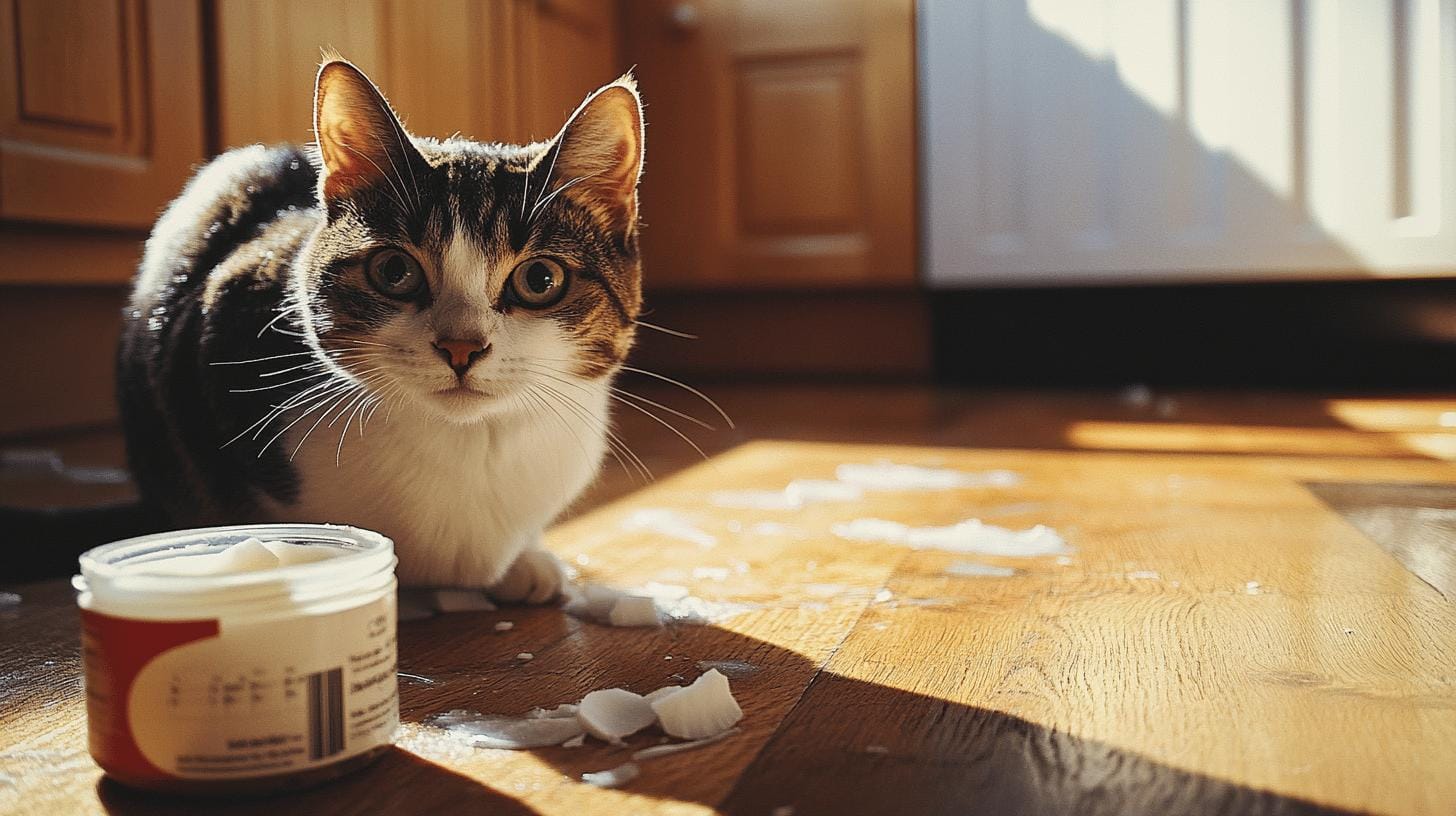
Is coconut oil the cat-friendly superfood you’ve been missing out on? Many cat owners are exploring coconut oil as a dietary boost for their furry pals. But is it safe, and how does it affect your feline friend’s health? In small amounts, coconut oil is generally safe and even beneficial for cats. Think of it as a new way to enhance your pet’s wellness without major risks. Before adding it to your cat's diet, understanding the correct usage and potential considerations is key. Let's explore the benefits and precautions of coconut oil for cats.
Can Cats Eat Coconut Oil Safely?

Coconut oil is generally safe for cats when consumed in small amounts. It is non-toxic, and many cat owners have found it to be a beneficial addition to their feline's diet. According to the RSPCA, small quantities of coconut oil should not pose serious harm to pets. This makes it a viable option for those looking to promote their cat's overall health.
Coconut oil is processed differently in a cat's body compared to other fats. This unique processing reduces concerns about it potentially causing pancreatitis or fatty liver disease. The body's ability to handle coconut oil effectively means that it can be a safe supplement, provided it's given in modest amounts.
When introducing coconut oil into your cat's diet, it's important to monitor for any adverse reactions. Watch out for:
- Diarrhea
- Vomiting
- Changes in appetite
These reactions, though rare, can occur as the cat's system adjusts to the new addition.
Consulting with a veterinarian is crucial before making any changes to your cat's diet. A vet can provide guidance on how much coconut oil is appropriate and ensure it won't interfere with any existing health conditions. This step helps maintain your cat's health and ensures any potential risks are minimized.
Benefits of Coconut Oil for Cats

Coconut oil offers a variety of benefits for our feline friends, starting with their skin and coat health. By preventing dryness and irritation, it helps keep a cat's fur shiny and smooth. Its soothing properties can address skin issues related to allergies, making it a versatile addition to a cat's care routine.
| Benefit | Description |
|---|---|
| Skin and Coat Health | Prevents dryness, reduces irritation, and adds luster to the coat. |
| Immune System Support | Strengthens defenses against viral and bacterial infections. |
| Allergy Reduction | Soothes allergic reactions, improving skin condition. |
| Digestive Health | Enhances digestion and nutrient absorption. |
| Hairball Prevention | Reduces shedding and aids in the smooth passage of hairballs. |
Coconut oil's immune-boosting properties are notable, as it helps protect cats from various infections by fortifying their immune system. This can lead to a reduction in allergic reactions, providing relief from discomfort. The benefits extend beyond just skin and coat, as it also supports digestive health and can help prevent hairball formation, making it a comprehensive wellness aid for cats.
How to Safely Administer Coconut Oil to Cats
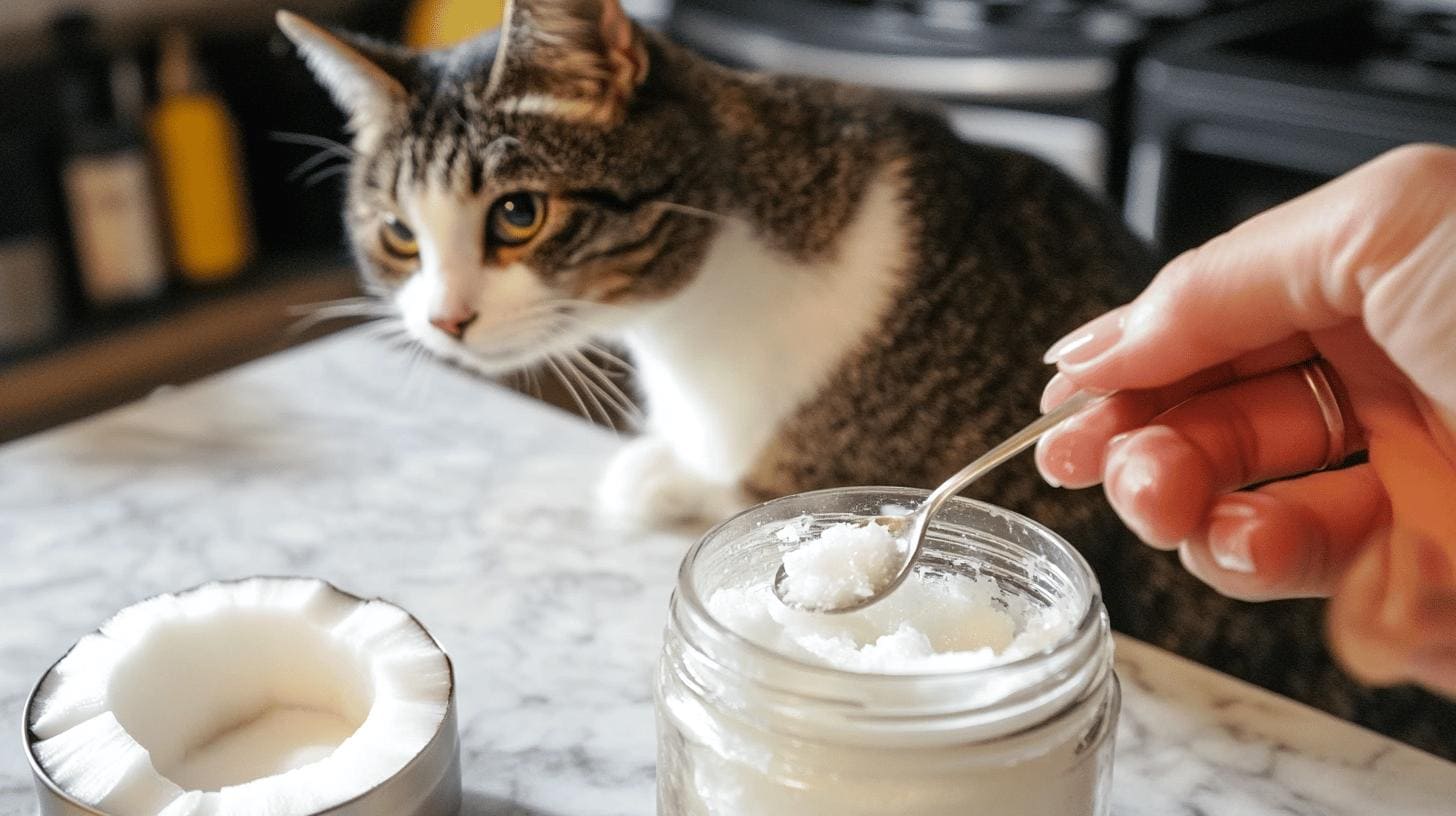
Introducing coconut oil into your cat's diet should be done with care and attention to dosage. Start by offering a small amount, about 1/4 teaspoon per 10 pounds of body weight, and observe your cat's reaction. Moderation is key, as too much coconut oil can lead to digestive issues. By gradually increasing the amount, you allow your cat's system to adjust and can keep an eye out for any adverse effects.
Here are some steps to safely introduce coconut oil to your cat:
- Start Small: Begin with a tiny amount mixed into your cat's food.
- Observe: Watch for any changes in behavior, appetite, or digestion.
- Increase Gradually: If no adverse reactions occur, slowly increase the dosage over a week or two.
- Monitor Regularly: Keep an eye on your cat's overall health and any potential changes in their coat or skin.
- Adjust as Needed: If any negative reactions occur, reduce the dosage or stop using coconut oil.
Choosing a high-quality, food-grade coconut oil is vital for ensuring your cat reaps the maximum health benefits. Look for organic, virgin coconut oil to avoid any harmful additives or processing chemicals, as these can diminish the oil's effectiveness and safety.
Consulting with a veterinarian before introducing coconut oil is always a wise step. They can provide tailored advice based on your cat's specific health needs and conditions, ensuring that this supplement enhances their diet without causing any harm. This approach not only safeguards your cat's health but also gives you peace of mind.