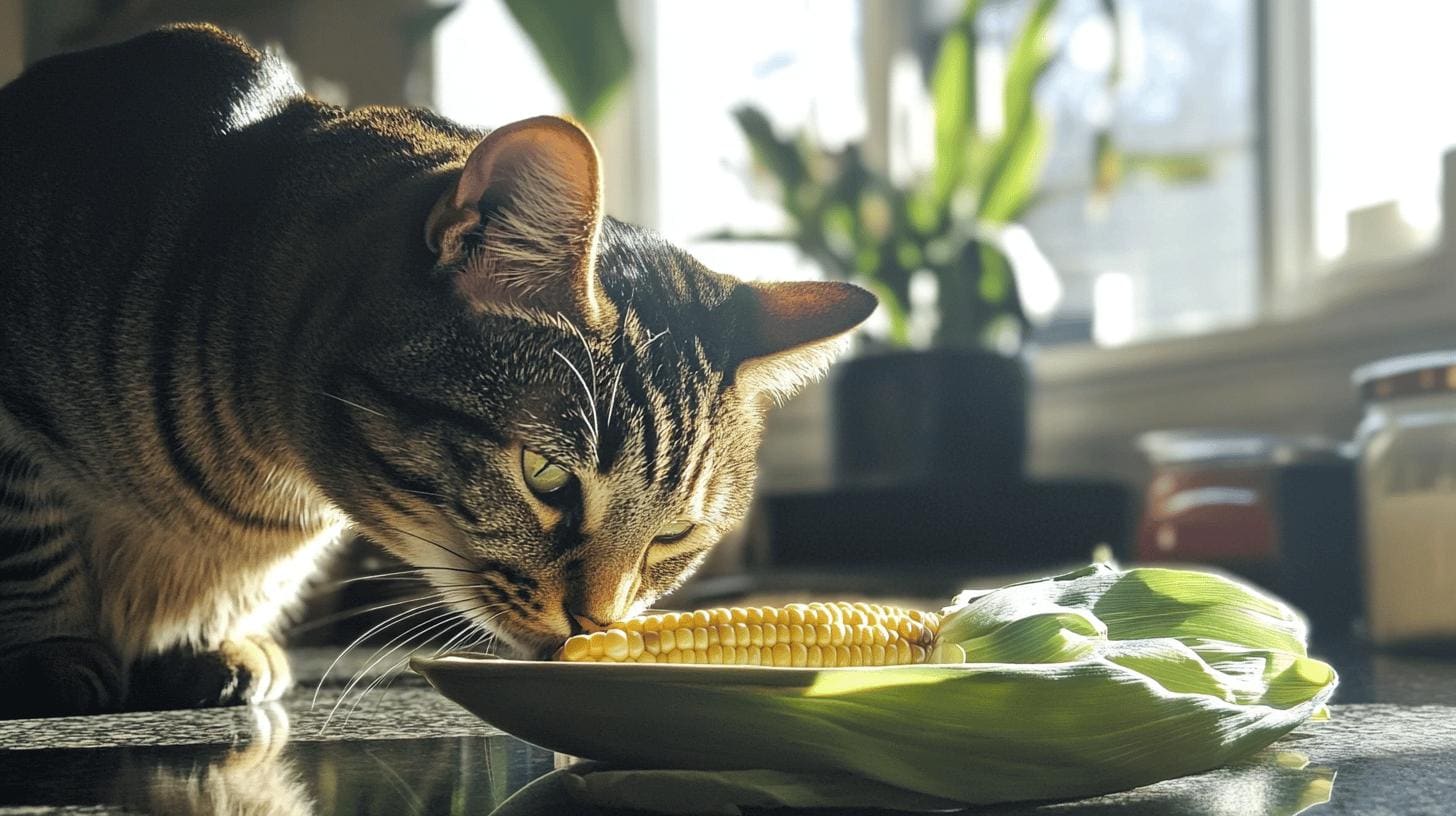
Can cats safely munch on corn, or are we risking their health by sharing this popular human snack? While corn often pops up in many cat foods, it might not be the best choice for your furry friend. As a filler, it's more about keeping cat food costs low than boosting your cat's nutrition.
Corn is not harmful in small amounts, but it doesn't provide the vital nutrients that meat-loving cats need. Before you toss your cat a corn kernel, it's crucial to understand the balance and potential side effects.
Can Cats Eat Corn Safely?
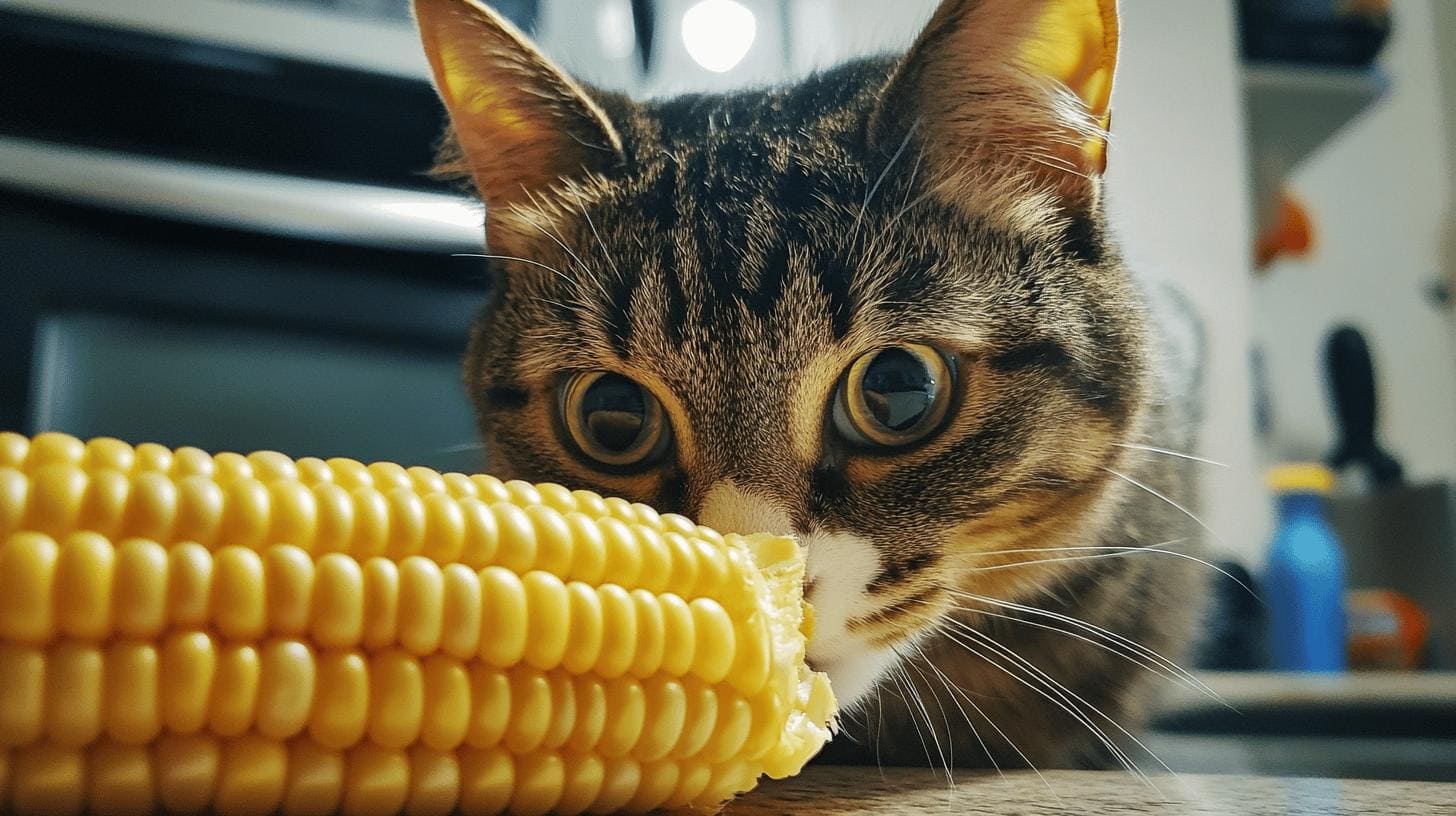
Cats can indeed eat corn safely. Corn is frequently used as a filler in many commercial cat foods. This is because it is non-toxic and readily available. However, while it might be a common ingredient, it doesn’t mean it's crucial for your cat’s diet. Corn acts more as a filler than a necessary nutrient source in these foods, which focus on affordability and bulk rather than nutritional value.
Corn doesn't offer any significant nutritional benefits for cats. Cats are carnivores, meaning they require nutrients from meat to thrive. Corn doesn’t provide the essential proteins and amino acids that cats need. While it can be consumed, it doesn't contribute to a balanced diet for our feline friends. Cats eating corn won’t harm them in small quantities, but it doesn’t help them either.
Potential health risks associated with excessive corn consumption include:
- Allergic reactions, such as vomiting or sneezing
- Gastrointestinal issues, including indigestion
- Increased risk of obesity due to high carbohydrate content
- Potential for diabetes if consumed in large quantities
- Nutrient absorption interference due to phytic acid
- Digestive blockage if corn cobs are consumed
Moderation is key when it comes to feeding cats corn. Offering it occasionally as a treat is fine, but it shouldn’t become a staple in their diet. Always monitor your cat for any signs of adverse reactions, such as allergies or digestive discomfort.
If your cat has specific health conditions, consult with a veterinarian before introducing corn into their diet. This ensures that their nutritional needs are being met without compromising their health.
Nutritional Impact of Corn on Cats
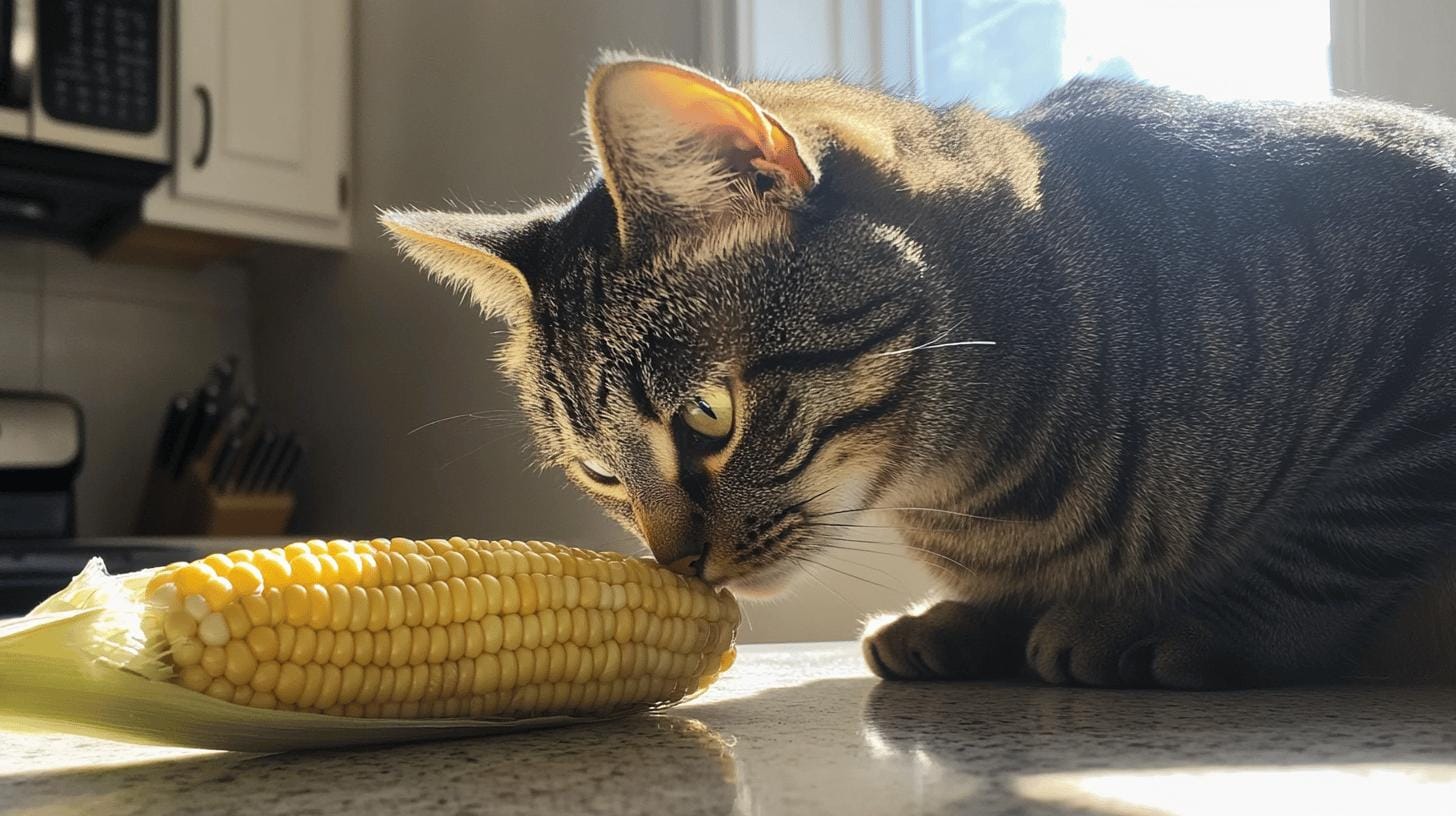
Corn is rich in carbohydrates, which cats don't need in large amounts. As obligate carnivores, their diet should focus on proteins and fats from meat. Carbs from corn can cause unnecessary weight gain and may contribute to obesity and diabetes. Corn also contains phytic acid, which can interfere with nutrient absorption, especially minerals, making it less beneficial for cats.
| Nutrient | Impact on Cats |
|---|---|
| Carbohydrates | Can lead to weight gain; not essential for cats |
| Phytic Acid | Hinders vitamin and mineral absorption |
| Fiber | Minimal benefit; can aid digestion in small amounts |
Corn lacks the essential nutrients that cats require for a balanced diet, like proteins and amino acids. While its fiber might slightly aid digestion, it's not enough to warrant its inclusion in their main diet. Corn should be an occasional treat, ensuring it doesn't replace the critical nutrients found in meat-based diets, allowing cats to thrive on food suited to their carnivorous nature.
How to Safely Feed Corn to Your Cat
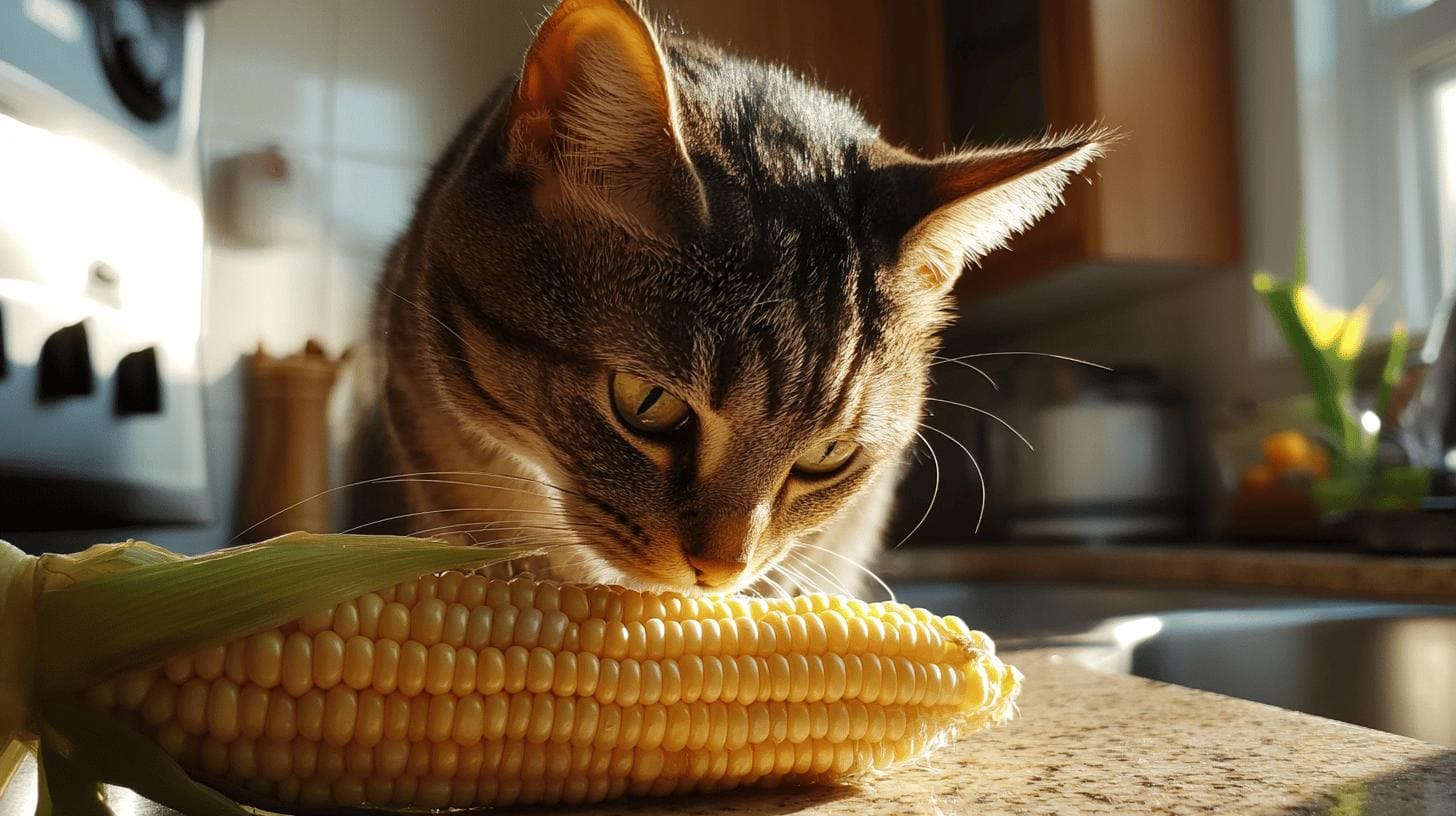
When it comes to feeding cats corn, portion size and frequency are crucial. Corn should only be given in small, occasional servings to avoid any potential health issues. Cats don't need a lot of carbohydrates in their diet, so corn should never become a staple.
Think of it more as a treat that you might offer once in a while. Keeping the servings small helps prevent digestive disturbances and ensures that your cat's diet remains primarily protein-rich, which is essential for their health.
Here are some safe serving practices for feeding corn to cats:
- Serve corn plain, without any added butter, salt, or seasonings.
- Boil or grill sweetcorn, and blend it to make it easier for cats to digest.
- Offer only a few kernels at a time.
- Remove any husks or cobs to prevent choking or digestive blockages.
- Avoid giving corn in processed forms like cornbread or tortillas.
When considering what forms of corn to feed your cat, sweetcorn and plain popcorn are generally safe choices. Sweetcorn should be served without any enhancements, and popcorn can be a fun treat if it's completely plain.
Remember, the shells of popcorn can be a choking hazard, so always supervise your cat while they're enjoying this snack. The goal is to provide variety without compromising their health.
Moderation is key when incorporating corn into your cat's diet. Always keep an eye out for any adverse reactions, such as stomach upset or allergic symptoms. If you have any concerns, or if your cat has existing health conditions, it's best to consult a veterinarian before adding corn or any human food to their diet. This ensures that your cat maintains a balanced and appropriate nutritional intake.