Have you ever wondered if sharing a piece of crab with your cat could be a delicious treat or a health hazard? Crab might seem like a gourmet delight your feline friend would enjoy, but there’s more to consider than its tempting aroma.
While it can provide beneficial nutrients like Omega-3s and protein, there are potential risks, such as allergies or overindulgence. So how do you ensure your cat enjoys crab safely? Let’s dive into the safety and health insights every cat owner should know before serving this seafood snack.
Can Cats Eat Crab? Understanding the Safety and Health Implications
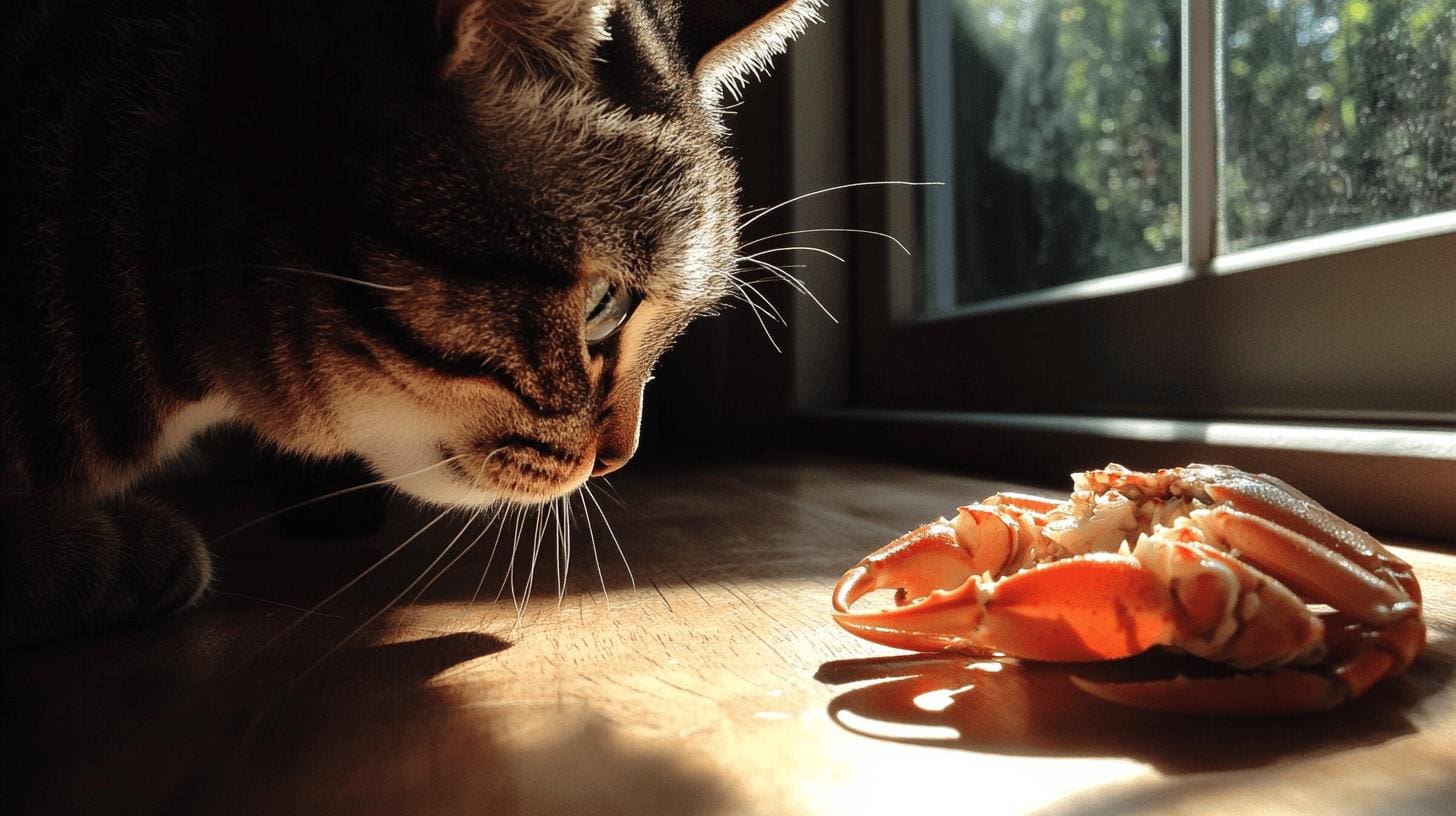
Crab can be a tasty treat for cats when given in moderation. It packs Omega-3 fatty acids and protein, which are beneficial for your feline friend. However, there are some risks involved. Although crab is generally safe, it can sometimes cause seafood allergies in cats.
These allergies are rare but can happen, making it crucial to watch for any unusual reactions. Before introducing crab or any new food into your cat's diet, it's wise to consult a veterinarian.
Common symptoms of allergic reactions in cats include:
- Vomiting or diarrhea
- Itchiness or skin irritation
- Respiratory distress
Moderation is key when it comes to feeding your cat seafood like crab. Overindulgence can lead to nutritional imbalances or gastrointestinal issues. Additionally, consulting with a veterinarian ensures that introducing crab into your cat's diet won't pose any health risks.
A professional can provide guidance tailored to your cat's specific dietary needs and overall health, helping maintain their long-term well-being.
Nutritional Benefits of Crab for Cats
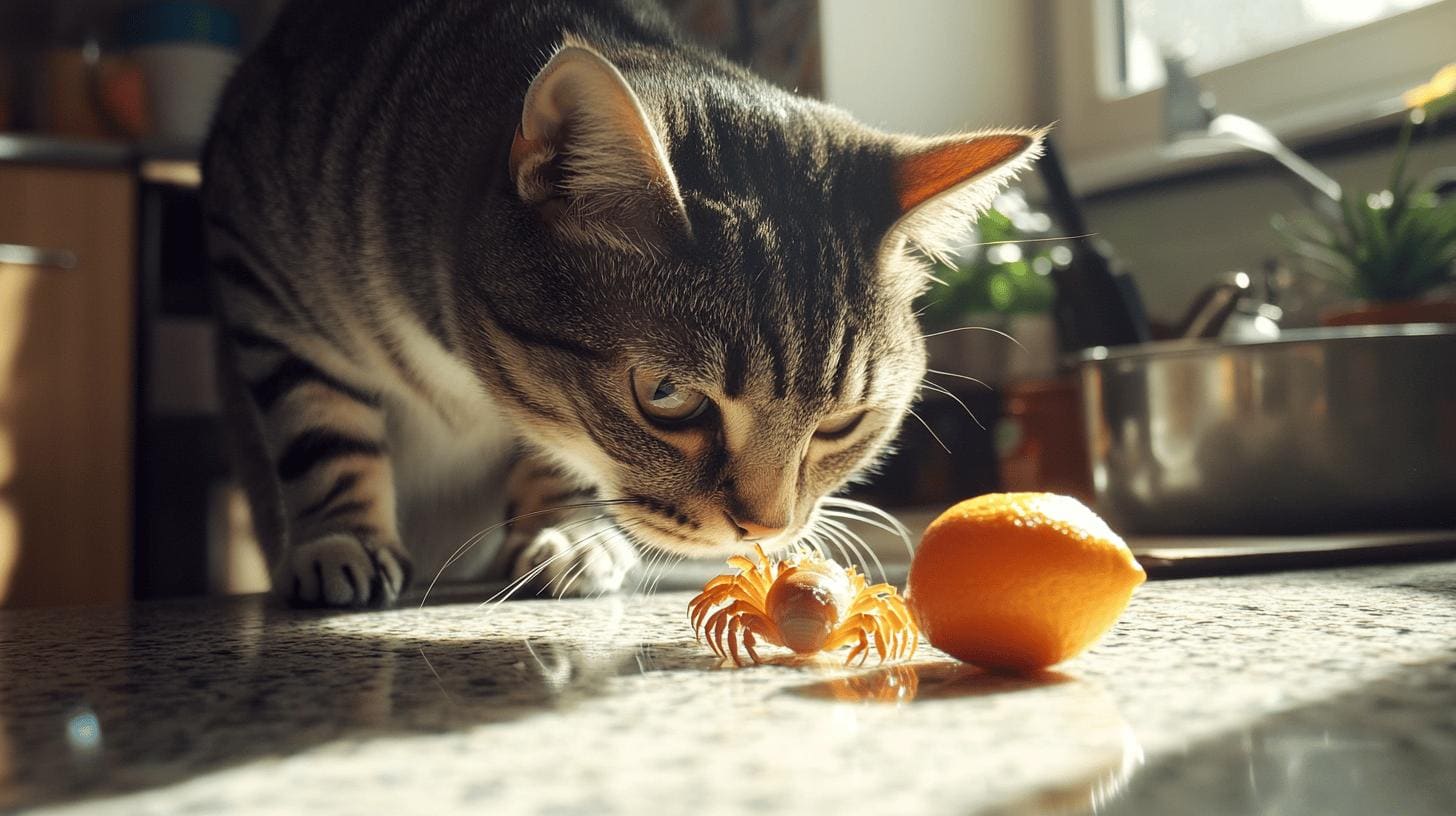
Crab meat is not only a delicious treat for many cats but also comes packed with key nutrients that can support their health. This seafood delight provides a good source of lean protein, essential for maintaining strong muscles and overall energy.
Omega-3 fatty acids present in crab meat help in keeping your cat's coat shiny and may reduce inflammation. Additionally, crab contains zinc and selenium, which support immune system function and thyroid health. These nutrients contribute to the overall well-being of your cat, making crab an appealing option for an occasional snack.
| Nutrient | Benefits for Cats |
|---|---|
| Protein | Supports muscle maintenance and energy |
| Omega-3 Fatty Acids | Promotes a healthy coat and reduces inflammation |
| Zinc | Boosts immune system function |
| Selenium | Maintains thyroid health |
Despite these nutritional benefits, crab should never replace a well-balanced diet tailored for cats. It’s essential to remember that while crab is nutritious, it lacks some of the vital nutrients found in a complete cat food.
Offering crab as an occasional treat ensures your cat enjoys it without missing out on the necessary nutrients their regular diet provides. Always keep treats to a minimum to avoid any dietary imbalances, ensuring your cat stays happy and healthy.
Potential Health Risks of Feeding Crab to Cats
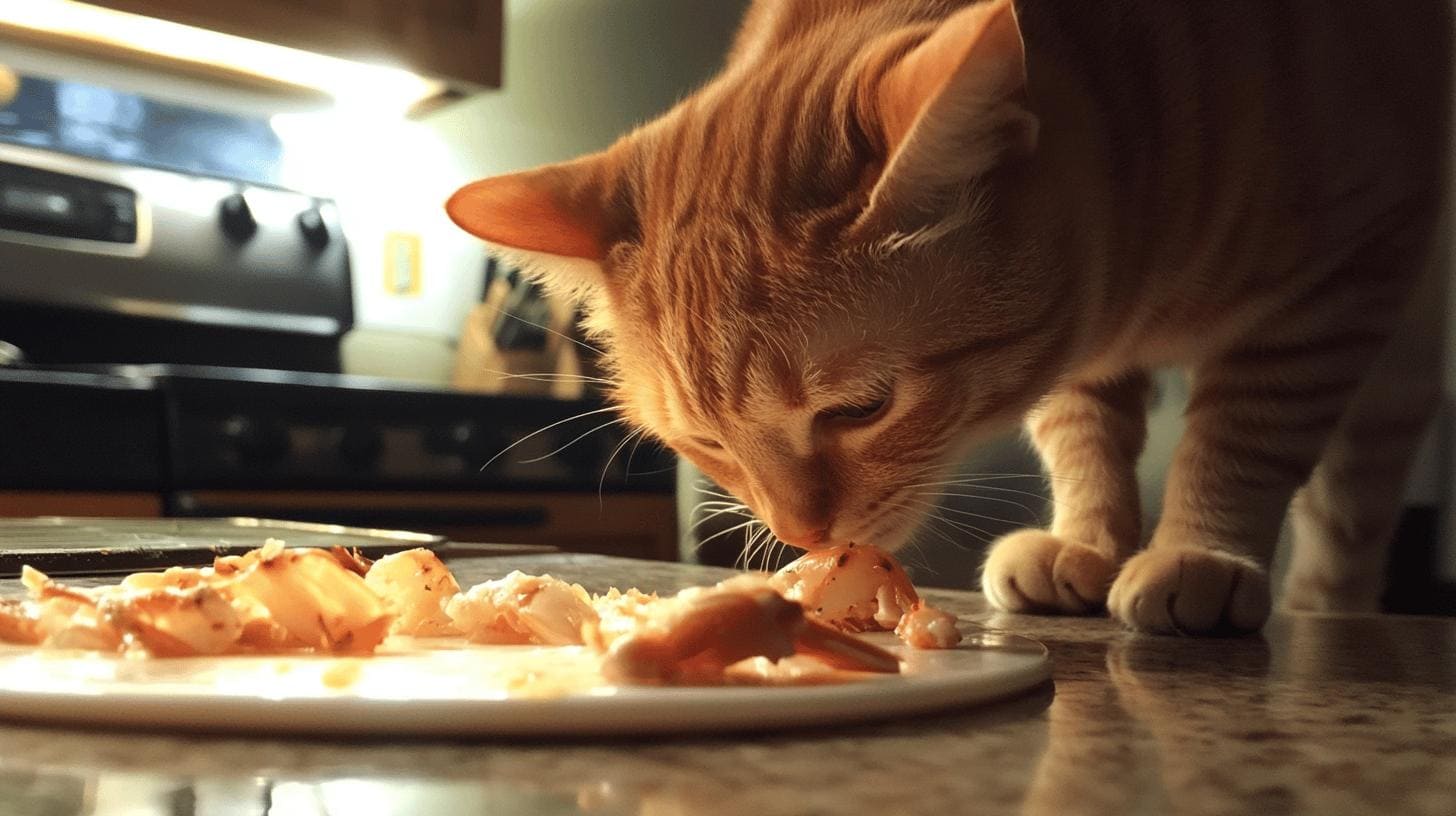
When it comes to feeding crab to your furry friend, it's crucial to be aware of the potential health risks. Raw or undercooked crab can harbor harmful bacteria such as Salmonella or Listeria. These bacteria can lead to serious foodborne illnesses in cats, resulting in symptoms like vomiting, diarrhea, and lethargy.
To minimize these seafood risks, always ensure that crab is thoroughly cooked before serving it to your cat. Cooking at high temperatures will kill any harmful bacteria, making it safer for your feline companion to enjoy this seafood treat.
Common symptoms of adverse reactions in cats include:
- Gastrointestinal upset (vomiting or diarrhea)
- Respiratory distress
- Lethargy or weakness
Another important consideration is the physical hazard that crab shells pose. These shells can be sharp and might cause choking if ingested. They can also lead to internal injuries if they manage to make their way into your cat's digestive tract.
To prevent such injuries, always remove the shells entirely and serve only the soft, cooked meat of the crab. By doing so, you’ll reduce the chance of harm and ensure your cat can safely enjoy this occasional snack. Always keep an eye on your cat when introducing new foods to quickly address any adverse reactions.