
Can your cat indulge in a spoonful of curd without trouble? It's a question many cat owners face. While curd is rich in probiotics, boosting gut health like a team of tiny helpers, the story doesn't end there.
Most cats are lactose intolerant, making dairy a potential digestive villain causing vomiting and diarrhea. In this post, I'll uncover the pros and cons of feeding curd to your cat, helping you decide if it's a delightful treat or a digestive burden. Let's dive in and explore what's best for your furry friend.
Can Cats Safely Consume Curd?
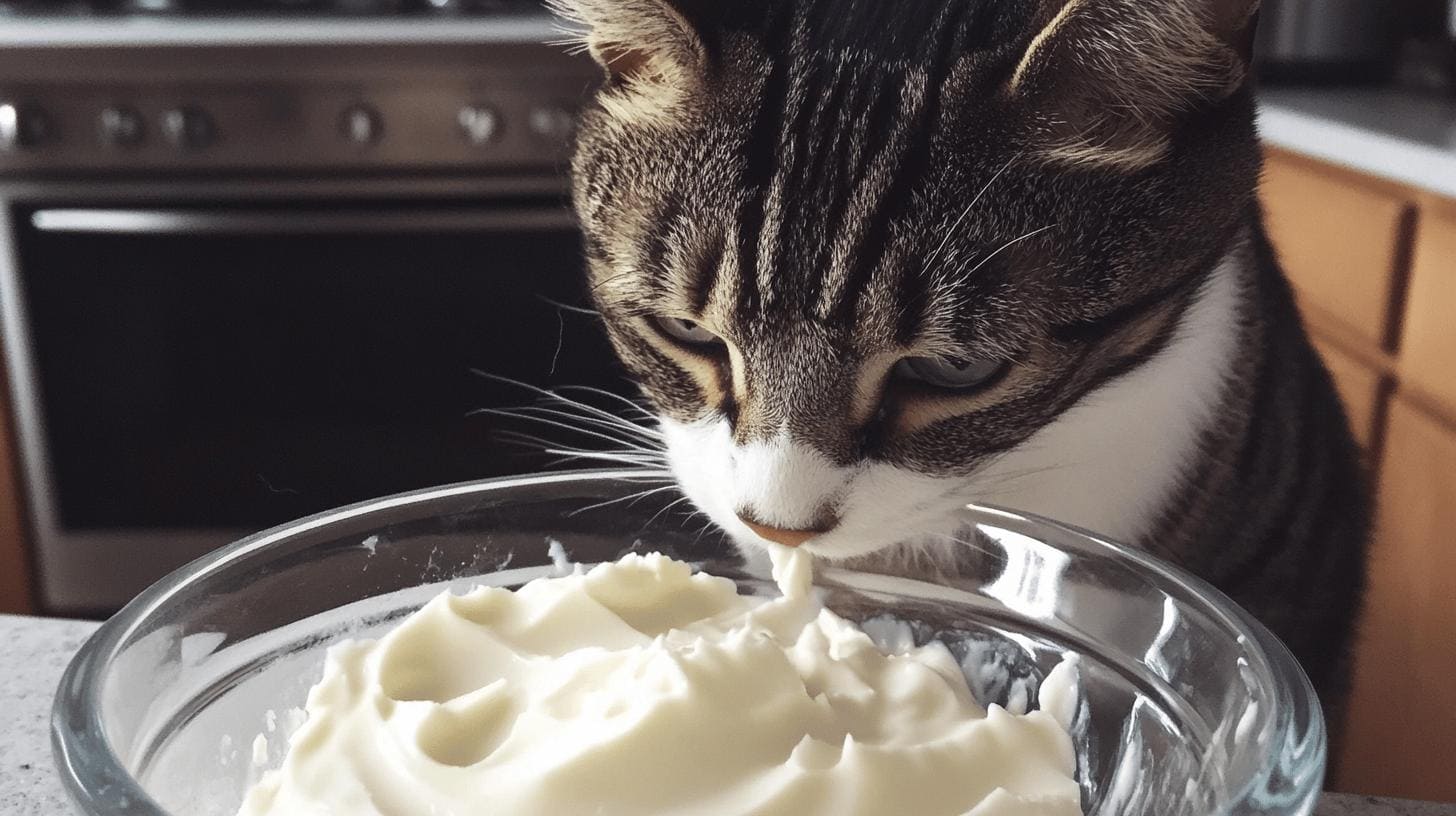
Many cats are lactose intolerant, which means their digestive systems can't effectively break down lactose found in dairy products. This intolerance can result in unpleasant symptoms such as vomiting, diarrhea, and bloating.
So, when it comes to curd digestion in cats, it's essential to consider the individual cat's ability to handle lactose. Not all cats will experience these issues, but for those that do, curd, like other dairy products, may not be suitable.
Curd does offer some benefits, primarily due to its probiotic content. Probiotics can support digestive health by introducing beneficial bacteria to a cat's gut. However, the potential benefits of curd must be weighed against the risks. Cats that can tolerate lactose might enjoy these advantages, but for those that can't, the discomfort outweighs the benefits. Always monitor your cat's reaction to curd and introduce it cautiously.
- Vomiting
- Diarrhea
- Bloating
- Abdominal discomfort
- Flatulence
Nutritional Analysis of Curd for Cats
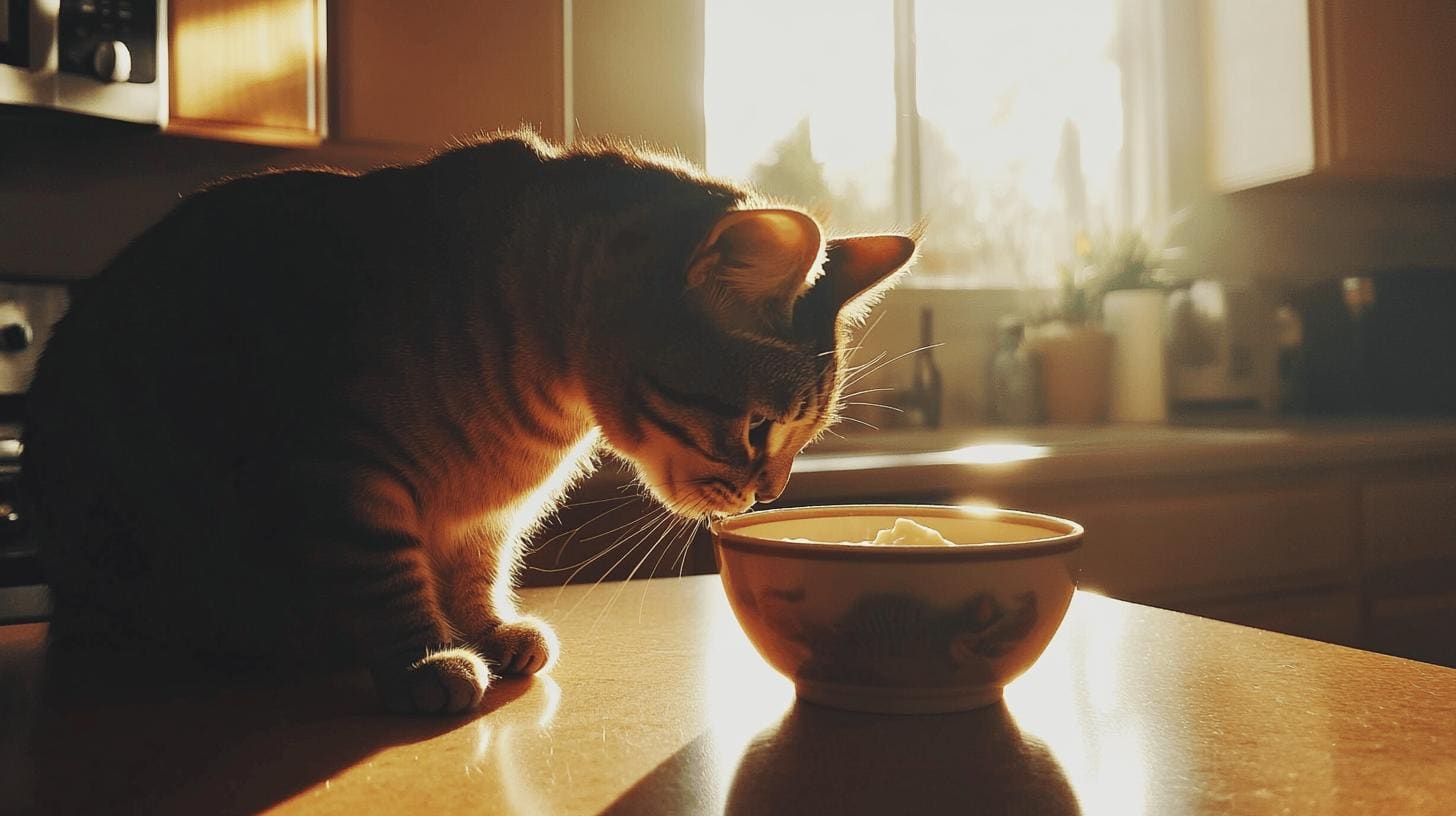
Curd is packed with nutrients like proteins and fats that can be beneficial to cats if given in moderation. While cats primarily need animal protein for their dietary requirements, the protein from curd can still offer some supplementary value.
However, it's important to remember that dairy protein is not an optimal substitute for the high-quality animal protein cats thrive on. The fat content in curd can provide energy, but too much fat can lead to weight gain and other health issues in cats. Thus, while curd can be a tasty treat, it should never replace more suitable protein sources in your cat's diet.
Probiotics found in curd play a crucial role in supporting digestive health. These beneficial bacteria can help maintain a healthy balance in your cat's gut, potentially improving digestion and reducing gastrointestinal issues.
While probiotics can be advantageous, the overall health benefits of curd must be weighed against individual cat tolerance and dietary needs. It's essential to monitor your cat for any adverse reactions when introducing curd into their diet and to do so in small amounts.
| Nutrient | Potential Benefit | Risks |
|---|---|---|
| Protein | Supplementary protein source | Not a substitute for animal protein |
| Fat | Energy source | Weight gain, obesity |
| Probiotics | Improved digestion | May cause intolerance symptoms |
Can Cats Safely Consume Curd?

Many cats are lactose intolerant, which means their digestive systems struggle to process lactose, the sugar found in dairy products like curd. As obligate carnivores, cats are not naturally equipped to handle lactose efficiently.
When they consume curd, they might experience symptoms such as vomiting, diarrhea, and abdominal discomfort. This happens because the undigested lactose ferments in the gut, leading to gas production and causing bloating and discomfort.
Cats may also develop allergic reactions to dairy, which can manifest in ways such as skin problems like itching or rashes, and gastrointestinal disturbances. The proteins in dairy products are typically the allergens causing these reactions. For a cat with dairy allergies, even a small amount of curd could trigger an adverse reaction, potentially requiring veterinary attention to manage effectively.
Veterinary experts advise caution when introducing new foods like curd into a cat's diet. Since cats have specific dietary needs centered around animal proteins, adding dairy products can upset their delicate digestive balance.
It's wise to monitor your cat closely for any signs of discomfort or allergic reactions when offering curd. Consulting with a veterinarian before making any significant dietary changes helps ensure the safety and well-being of your feline friend. This careful approach can prevent unnecessary health issues and keep your cat happy and healthy.

