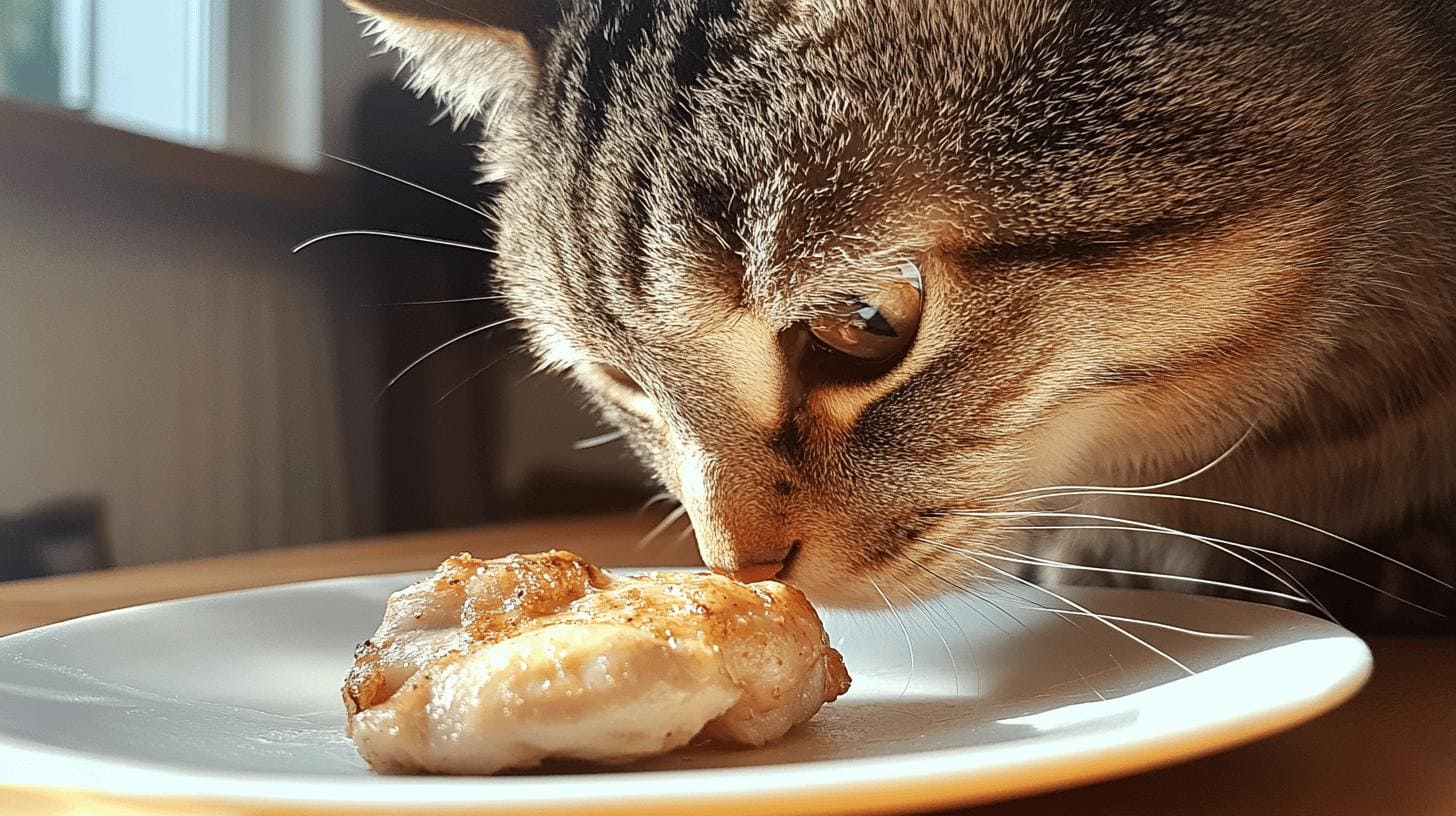
Could feeding your cat edamame actually harm them? It's a question that many cat owners find themselves asking. While edamame is non-toxic and might seem like an okay treat, it comes with hidden risks and very limited benefits for our feline friends.
Cats are obligate carnivores, requiring a diet rich in animal proteins, which edamame simply doesn't provide. In this article, we'll explore whether edamame offers any advantages or if the risks, like possible digestive issues, make it a less-than-ideal snack for your beloved cat.
Can Cats Safely Consume Edamame and Understanding the Risks and Benefits
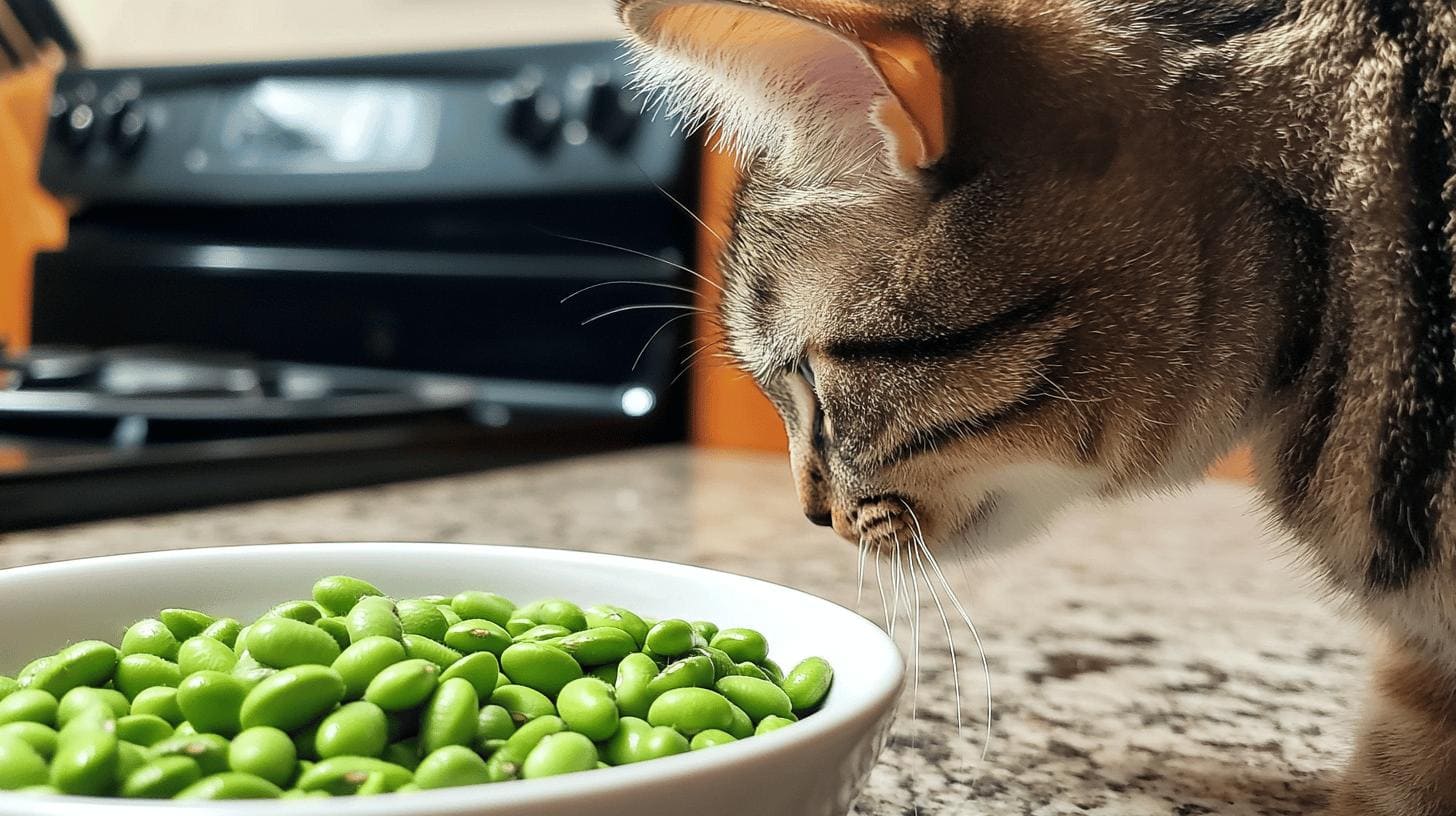
Edamame is non-toxic to cats, which means that if your curious feline gets a taste, it won't harm them immediately. You can even offer edamame to your cat in small amounts as an occasional treat. But it's important to remember that just because something is safe doesn't mean it's suitable or beneficial for them. Cats have unique dietary needs that edamame doesn't quite fulfill.
Cats are obligate carnivores, which means their diet should primarily consist of animal-based proteins. Edamame, being a plant-based food, doesn't meet these requirements.
Even though it's rich in protein, the type of protein in edamame isn't the kind that cats can efficiently utilize. Their bodies are designed to process animal proteins, which are crucial for maintaining muscle mass, energy, and overall health.
When it comes to potential risks, feeding edamame to cats can lead to digestive issues. Some cats might experience symptoms like vomiting or diarrhea after consuming edamame. There's also the possibility of allergic reactions, although these are relatively rare with soy products. Reactions can range from mild itching to more severe symptoms like swelling.
On the flip side, edamame does have some minor nutritional benefits, like being a source of fiber and vitamins. However, these benefits are minimal for cats and come with the drawback of anti-nutrients, substances that can interfere with the absorption of essential vitamins and minerals. This interference could potentially affect the intake of critical nutrients like taurine, which is vital for a cat's heart and eye health.
| Risk | Benefit |
|---|---|
| Digestive issues like vomiting or diarrhea | Source of fiber |
| Potential allergic reactions | Contains some vitamins |
| Interference with nutrient absorption | Non-toxic in small amounts |
| Inadequate protein type for cats | Occasional treat option |
Guidelines for Introducing Edamame to Cats and Monitoring Reactions
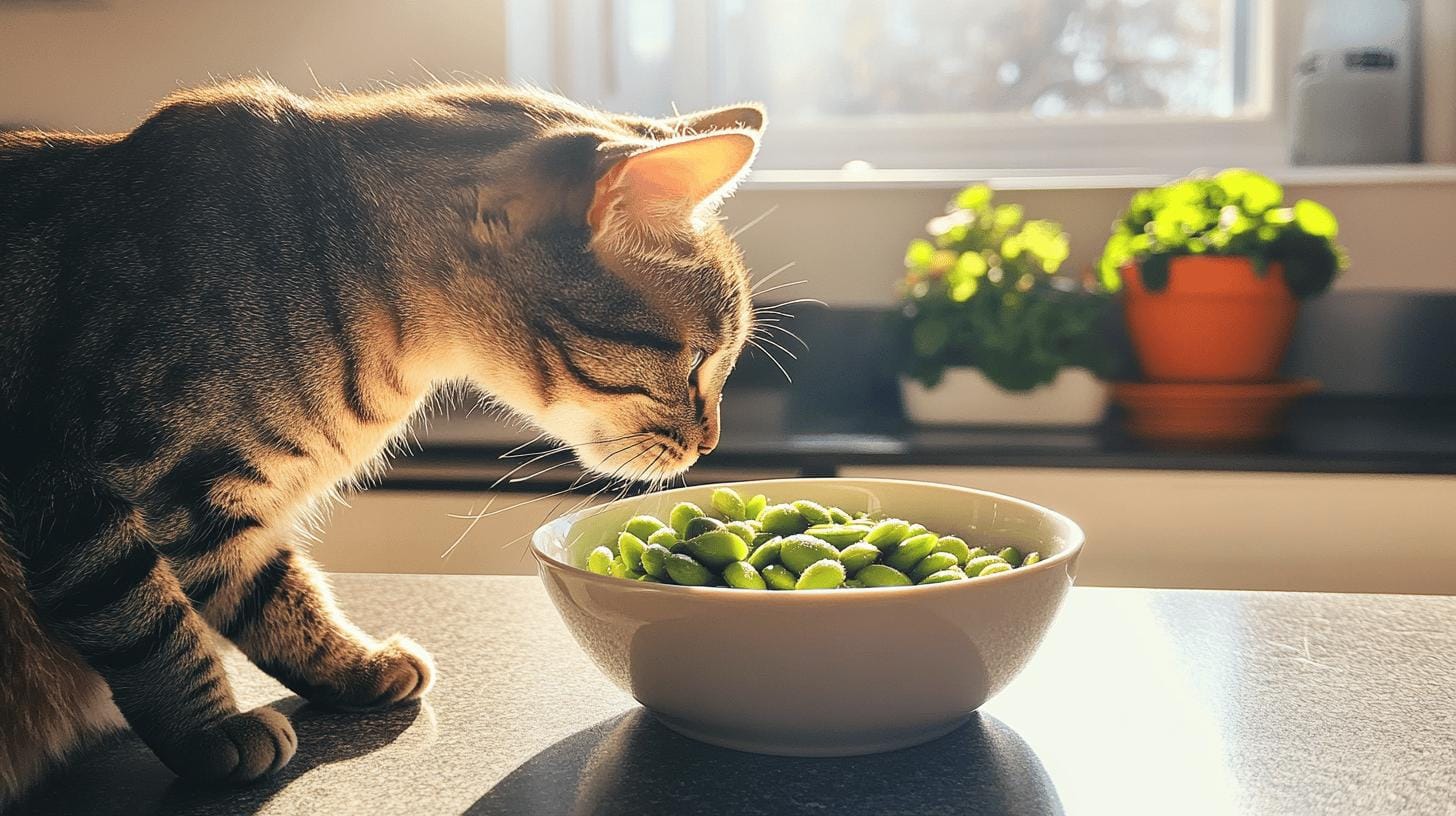
When it comes to offering edamame to your feline friend, portion control and preparation are key. Edamame should be lightly steamed to soften it and make it easier for your cat to chew. Always offer it in small quantities, as a treat rather than a meal.
Remember, treats should make up less than 10% of your cat's overall diet to maintain nutritional balance. This helps keep their primary diet rich in the animal-based proteins they need. Keep an eye on your cat after introducing edamame to spot any adverse reactions early.
Observing your cat's behavior is crucial when introducing any new food. Cats, like humans, can have food intolerances or allergies. Common symptoms of food intolerance include vomiting, diarrhea, and itching.
If you notice your cat experiencing any of these symptoms after eating edamame, it's a sign that their body isn't agreeing with the new food. Always introduce new foods gradually, allowing your cat's digestive system to adjust and minimizing the risk of a negative reaction.
The expertise of a veterinarian is invaluable if your cat has an adverse reaction. They'll be able to offer specific advice tailored to your cat's health needs. Maintaining a balanced diet is essential for your cat's well-being, so make sure any treats, including edamame, are given in moderation. Keep in mind that while edamame can be a fun snack, it shouldn't replace the meat-based meals that are vital for your cat's health.
- Lightly steam edamame
- Offer in small amounts
- Treats <10% of diet
- Watch for vomiting and diarrhea
- Notice itching or swelling
- Consult vet if needed