
Can cats eat tofu without harm? It might seem logical given tofu’s plant-based protein content, but the answer reveals a fundamental truth about feline biology. Cats are obligate carnivores, meat-eating specialists whose bodies evolved over millions of years to process animal protein exclusively. Tofu, made from soybeans, doesn’t provide what cats need to thrive. While tofu won’t poison your cat, it can upset their digestion and create nutritional deficiencies over time. Let’s explore why tofu is incompatible with feline biology, what happens when cats eat it, and why plant-based proteins fail to meet their nutritional requirements.
Why Cats Are Obligate Carnivores: The Biology Behind It
Understanding tofu’s unsuitability for cats requires understanding cat biology. Cats are obligate carnivores, this isn’t a preference or habit, it’s hardwired into their physiology at the cellular level. Unlike humans or dogs (facultative omnivores), cats cannot synthesize certain essential amino acids from plant sources. They must obtain them from animal tissue.
Key biological differences:
- Taurine synthesis: Humans and dogs can convert the amino acid methionine into taurine. Cats cannot. Their bodies completely lack the enzymatic pathway for this conversion. Taurine is essential for cardiac function, vision, immune response, and reproduction. Cats that don’t get sufficient dietary taurine develop dilated cardiomyopathy (enlarged, failing heart), blindness, and early death.
- Arginine requirement: Cats have an absolute requirement for the amino acid arginine. While arginine exists in plant sources like tofu, it’s in the wrong form or insufficient quantity for feline absorption and utilization.
- Retinol (Vitamin A) dependency: Cats cannot convert beta-carotene (plant vitamin A) into the active form their bodies need. They require preformed retinol from animal sources. Eating only tofu leads to vitamin A deficiency and blindness.
- Arachidonic acid: An essential fatty acid found exclusively in animal fat. Plants don’t contain it. Cats lacking arachidonic acid develop skin problems, immune dysfunction, and reproductive failure.
- Protein amino acid profile: Animal proteins contain all amino acids in the correct ratio for feline metabolism. Plant proteins lack or are deficient in several essential amino acids that cats require.
These biological facts explain why tofu cannot be a nutritional substitute for meat. A cat’s body simply cannot process plant-based nutrients the way it processes animal-based nutrition.
Can Cats Eat Tofu Safely?

Tofu is non-toxic, meaning it won’t cause acute poisoning in small amounts. However, “non-toxic” doesn’t mean “safe” or “appropriate.” Tofu can cause digestive upset because cats’ digestive systems aren’t equipped to process soy. The complex sugars in soy (raffinose and stachyose) pass undigested into the colon where bacteria ferment them, producing gas, bloating, and diarrhea.
Symptoms of tofu-related digestive upset:
- Diarrhea or loose stools
- Vomiting or gagging
- Bloating and abdominal distension
- Flatulence
- Loss of appetite
- Lethargy
Some cats develop soy allergies, manifesting as itching, skin redness, ear infections, or more severe digestive symptoms. Additionally, tofu contains phytoestrogens, plant compounds that mimic estrogen in mammalian bodies. Regular tofu consumption may trigger hormonal imbalances and increase hyperthyroidism risk in cats (overactive thyroid gland causing rapid heart rate, weight loss, and behavioral changes).
Nutritional Inadequacy of Tofu for Cats
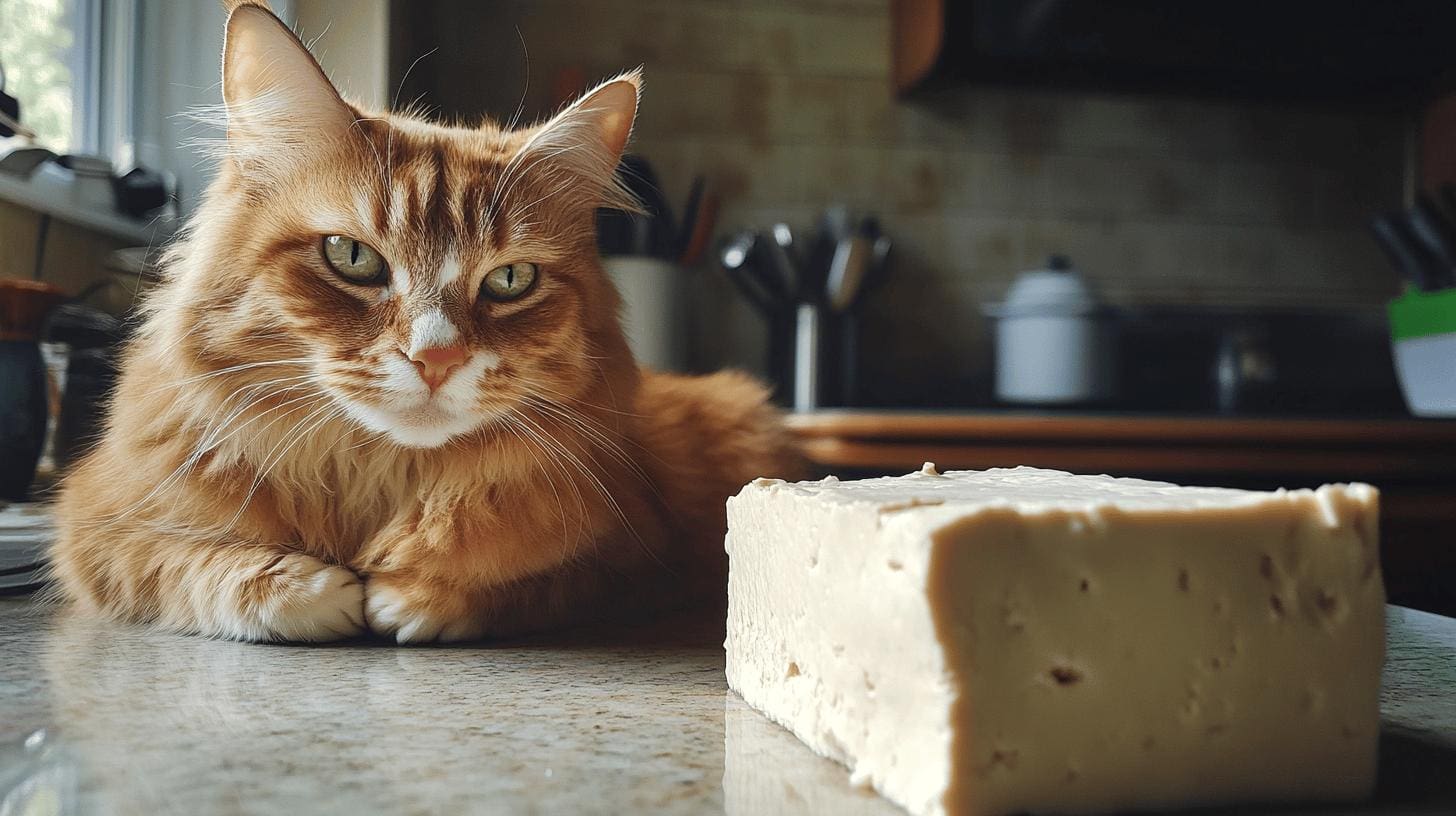
While tofu contains protein, iron, and calcium, it’s fundamentally missing what cats need to survive.
What tofu lacks that cats require:
- Taurine (0% in tofu; cats need minimum 500mg daily)
- Retinol/active vitamin A (must come from animal sources)
- Arachidonic acid (only in animal fat)
- Complete amino acid profile (lacks adequate methionine, cysteine, lysine in bioavailable form)
- Appropriate nutrient density for carnivore metabolism
A cat eating predominantly tofu develops deficiencies leading to heart disease, blindness, poor coat quality, immune dysfunction, and shortened lifespan. Even occasional tofu feeding contributes nothing positive, your cat gains zero nutritional benefit.
Tofu Preparation and Safe Serving
If you choose to offer tofu (not recommended), follow these guidelines:
- Serve only plain, unseasoned tofu (no added salt, spices, or oils)
- Offer tiny portions only: ½ teaspoon for average cat, maximum once weekly
- Never serve fried tofu (excess oil causes pancreatitis)
- Monitor closely for digestive upset
- Don’t introduce tofu to cats with existing digestive issues, allergies, or hormone-sensitive conditions