Would you eat food that’s past its expiration date? When it comes to your cat, feeding them expired food can be more risky than you’d think. Many cat owners have found themselves in this predicament, unsure whether it’s safe to scrape the last bits from that can of cat food lost at the back of the pantry.
The health risks are real, from potential food poisoning to severe nutrient loss. Let’s explore why it’s essential to steer clear of expired cat food to ensure your feline friend stays safe and healthy.
Can Cats Safely Eat Expired Food and Health Risks Involved
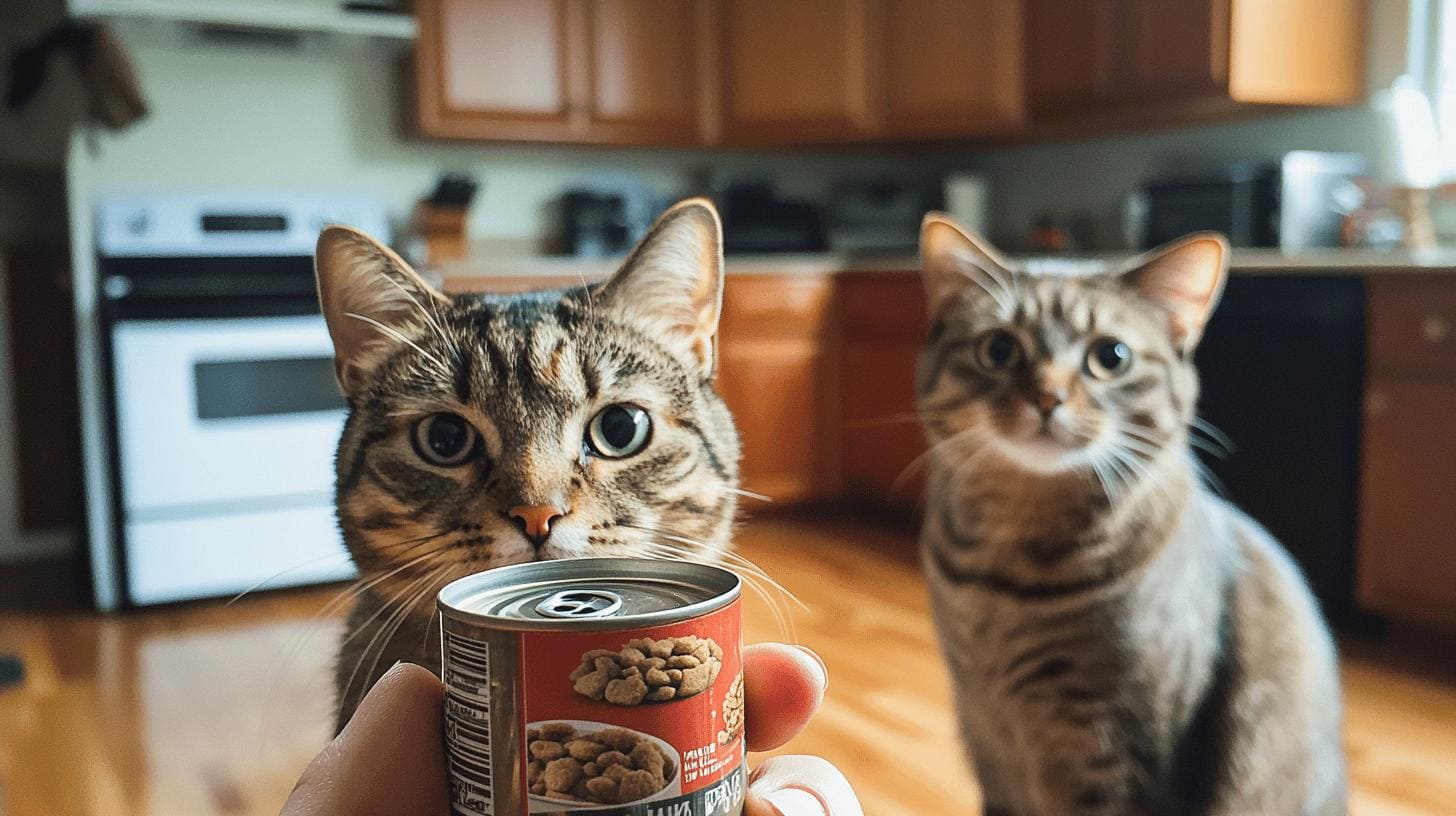
Feeding your cat expired food is a dangerous gamble. Expired cat food can introduce a host of health risks to your furry friend. The packaging may no longer provide an effective barrier against harmful bacteria and toxins, leading to food poisoning.
These pathogens can cause serious gastrointestinal issues. Even if the food looks or smells fine, the nutritional quality decreases over time, depriving your cat of essential nutrients and potentially leading to health problems.
Here are some potential health risks associated with expired food consumption in cats:
- Vomiting and diarrhea
- Lethargy and weakness
- Lack of appetite
- Dehydration
- Severe gastrointestinal distress
When expired food is consumed, harmful bacteria like Salmonella or E. coli can flourish, posing significant health threats. These bacteria and other toxins can cause symptoms of food poisoning, such as vomiting, diarrhea, and dehydration.
Cats may also display signs of illness like a noticeable drop in energy levels or a lack of appetite. Since cats are sensitive eaters, even minor changes in their diet can result in adverse reactions.
The long-term health implications of consuming expired food are concerning. Over time, nutrient deficiencies can develop due to the degradation of essential vitamins and minerals in the pet food.
This can lead to weakened immune systems, making cats more susceptible to infections and diseases. Constant exposure to harmful bacteria can also cause chronic digestive issues, impacting their overall well-being.
Veterinarians strongly advise against feeding expired food to cats due to these potential health risks. Monitoring your cat’s food intake and health is crucial. If you notice any signs of illness, it’s important to seek veterinary care immediately. Regularly checking expiration dates and storing food properly can protect your cat from these dangers and keep them healthy and happy.
Identifying Spoiled Cat Food: Key Signs to Watch
Recognizing spoiled cat food is crucial for maintaining your cat’s health. When cat food expires, it can lose its nutritional value and become a breeding ground for bacteria, posing potential health risks.
Spoiled food not only lacks essential nutrients but can also lead to food poisoning and other health issues. Cats rely on their diet to support their immune system, energy levels, and overall well-being, so feeding them expired or spoiled food can have serious consequences.
Here are some common signs of spoiled cat food to watch for:
- Unusual smells
- Visible mold
- Changes in appearance, such as discoloration
- A slimy or sticky texture
- Swollen or damaged packaging
- Cats refusing to eat the food
Cats have a keen sense of smell and are often quite perceptive about their food. If your cat suddenly refuses to eat or shows reluctance towards their usual meal, it might be an indicator that the food has gone bad.
Pay attention to these behavioral cues as they can help you identify spoiled food early. Observing your cat’s reaction to their food and regularly checking for signs of spoilage can prevent potential health problems and ensure their diet remains safe and nutritious.
Best Practices for Storing Cat Food to Prevent Expiry
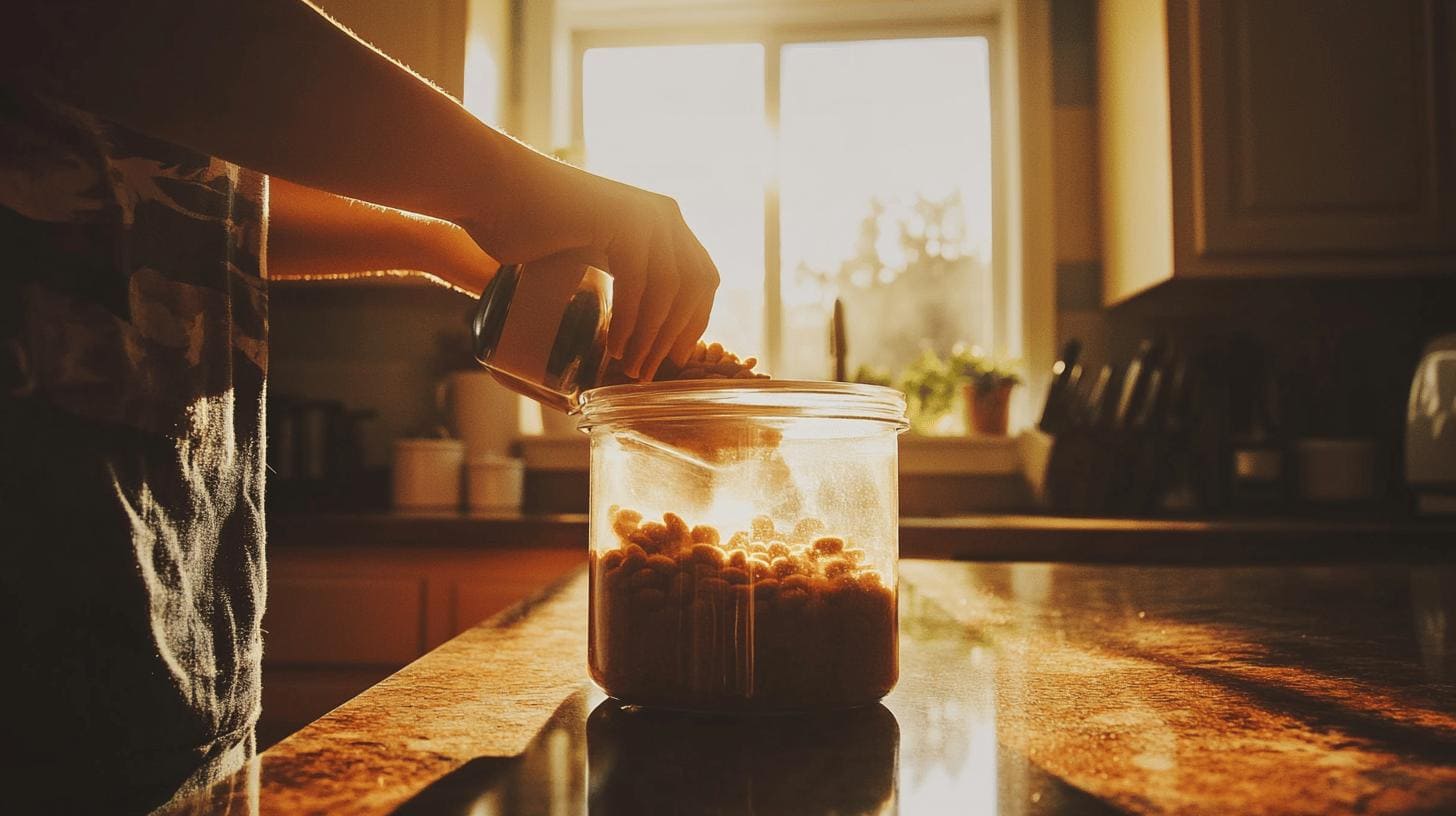
Proper storage of cat food is crucial for maintaining its quality and nutritional value. When cat food is stored incorrectly, it can lead to spoilage, which not only affects the taste and texture but also diminishes essential nutrients.
This can pose health risks to your cat, as they rely on balanced nutrition for their well-being. Keeping food fresh and safe involves understanding how to store both dry and wet cat food properly, ensuring that your feline friend gets the best out of their meals.
Here are some best practices for storing both dry and wet cat food:
- Store dry cat food in an air-tight, moisture-proof container.
- Keep food in a cool, dry place away from direct sunlight.
- Refrigerate wet food after opening and consume within a few days.
- Always check expiration dates before serving.
- Clean storage bins between batches to prevent contamination.
Storing cat food correctly plays a significant role in preventing spoilage and ensuring food safety. By keeping food sealed and free from moisture and temperature fluctuations, you protect it from harmful bacteria and toxins.
This helps in maintaining the food’s nutritional integrity and prevents exposure to elements that could lead to spoilage. Regularly monitoring expiration dates and maintaining clean storage conditions will assist in avoiding potential health risks, ultimately promoting a healthy diet for your cat.