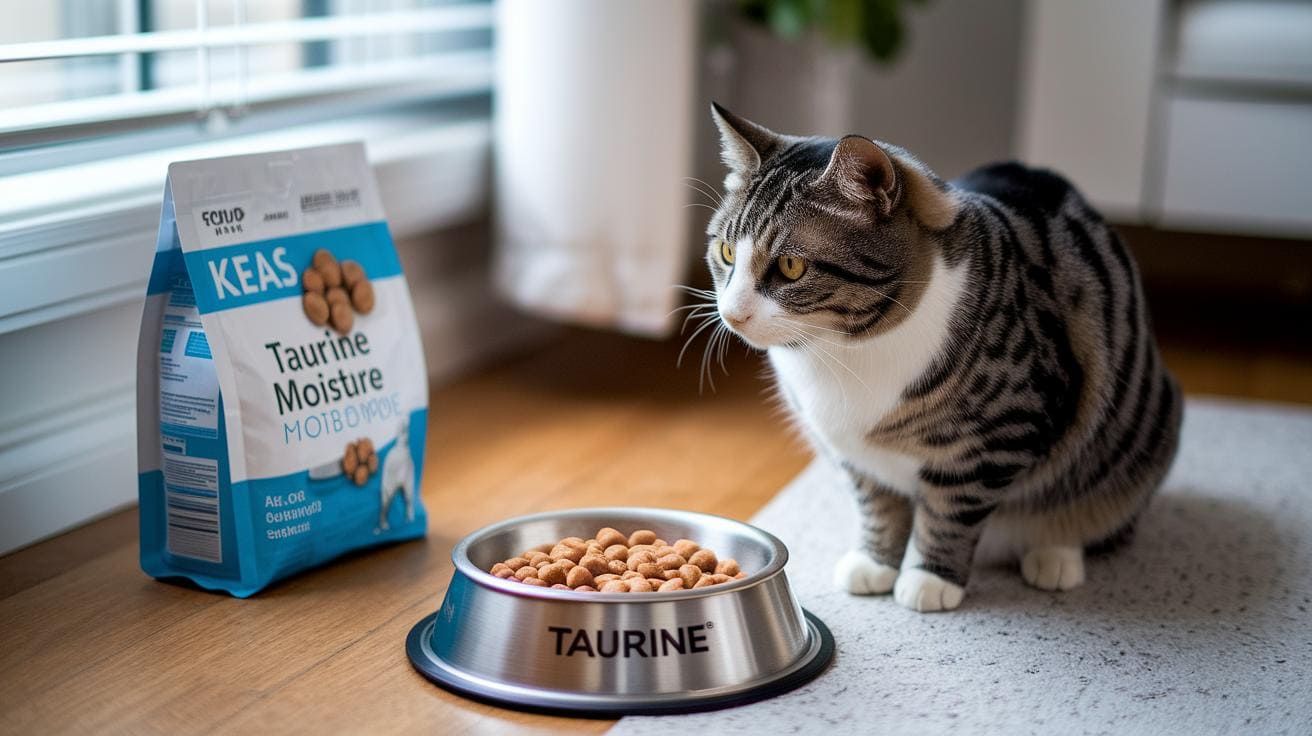
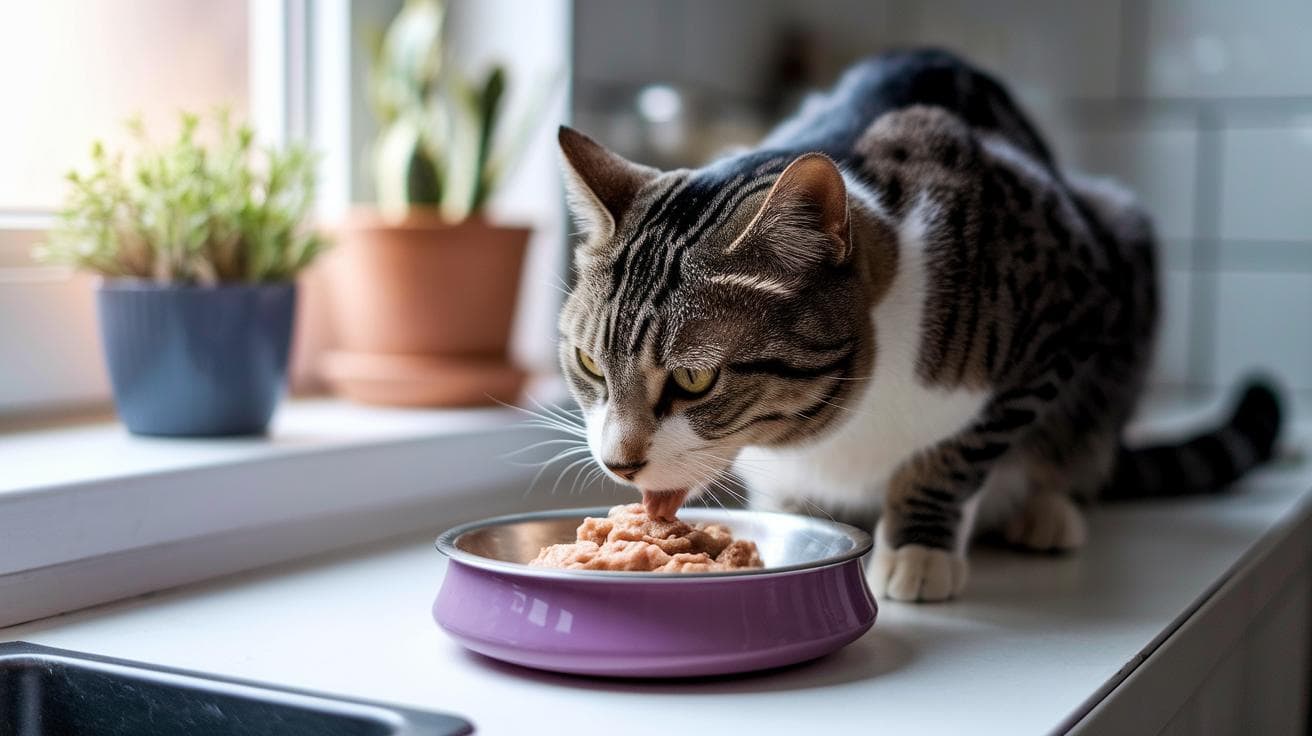
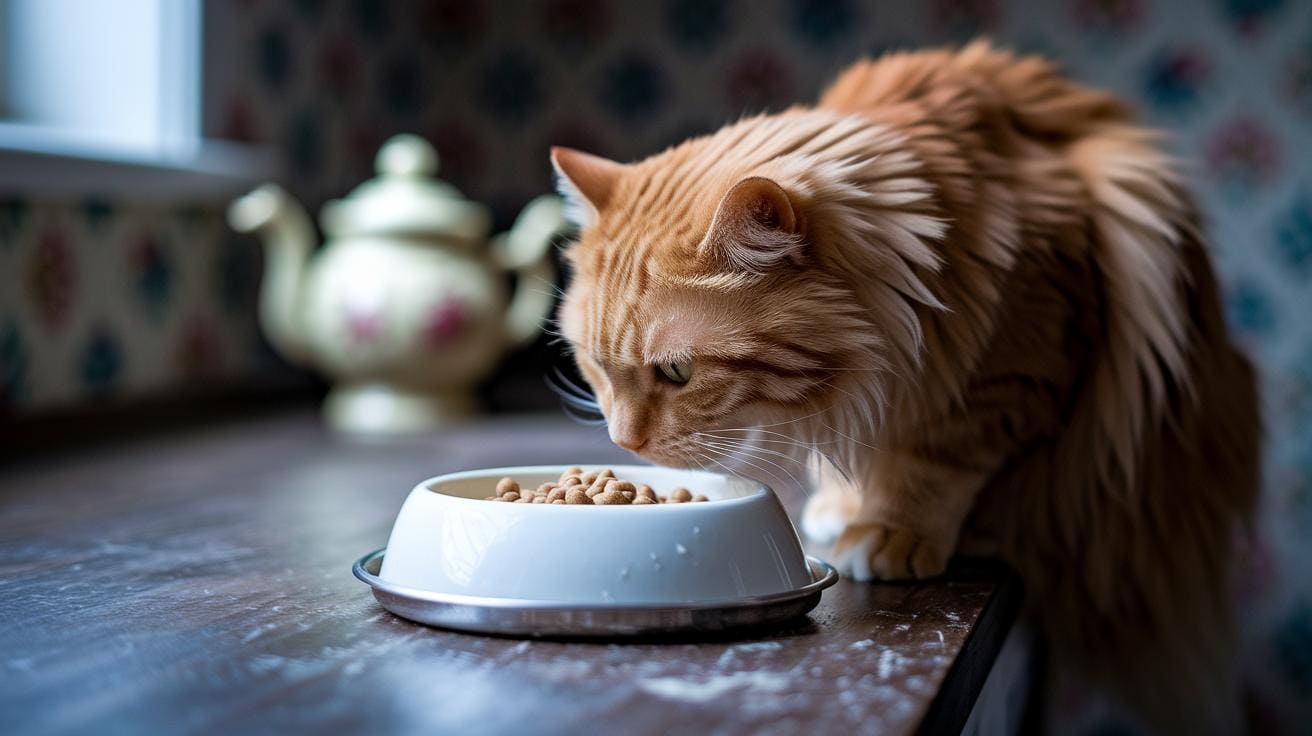
Think your cat is being difficult? Most picky eaters are actually following their nose. They want a strong smell, the right texture, and food warm enough to wake the aroma in the bowl. Weirdly satisfying to watch, right!
Ever noticed your kitty’s whiskers twitch when a bowl goes from fridge-cold to gently warm? Steam rising, scent opening up, and suddenly their ears perk, like a tiny radar. I once watched Luna leap three feet for a dish that had been warmed for thirty seconds. True story.
Texture matters as much as smell. Pâté (smooth, ground texture) sits differently in a mouth than shredded (stringy pieces) or flaked (light, flaky bits like canned fish). Some cats prefer smooth, some want those little threads to chew, so the wrong texture will kill the whole meal.
Here I’ll give three quick tricks, simple texture tests, and a short list of wet-food picks that actually tempt fussy eaters so you stop wasting cans and start seeing real bites. Ready to make mealtime claw-tastic?
Worth every paw-print.
Best wet cat food for picky cats
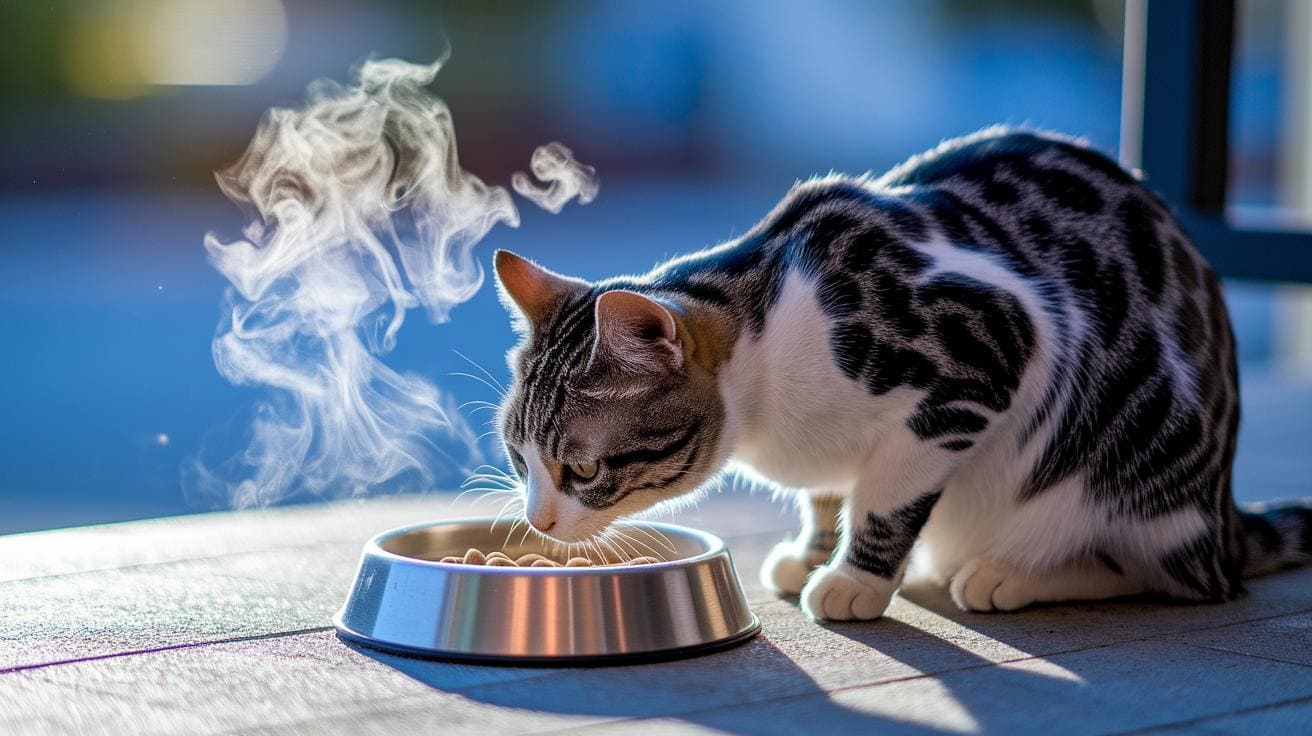
Picky cats usually care about three things: a strong smell, the right texture, and the food being warm enough so the scent comes through. Think of pâté (smooth, ground texture), shredded (stringy pieces), flaked (small tender bits), or stew (chunks in gravy). Your cat’s whiskers will tell you what they like.
Try three quick tricks right away. Warm food briefly to wake up the aroma. Offer different textures on separate plates to see which one gets a pounce. Or add a short-term topper to spark interest , see the Texture and Transitioning sections and the brand comparison table for step-by-step instructions and numeric details.
- Mild warming , microwave for 2 to 5 seconds, or stir in a splash of warm water to lift the smell. See Texture for safe warming tips.
- Texture swap , put pâté, shredded, and flaked on separate plates so your cat can choose. Wait a few minutes between offers to avoid overwhelming them.
- Short-term topper , a little sardine, tuna water (not oil), or a Churu lickable puree (a thin treat paste) can help. Use only a small amount and check Palatability Boosters for doses and safety.
Ever watched your kitty’s nose follow a warmed bowl? It’s oddly satisfying. If one trick doesn’t work, mix two , warming plus a topper often does the job. And remember, sudden diet changes can upset tummies, so transition slowly.
Quick brand picks to test:
| Brand | Why try it |
|---|---|
| Smalls | Simple single-protein recipes, easy to test one flavor at a time |
| Tiki Cat | Punchy aroma and short ingredient lists that attract picky noses |
| Nulo Freestyle | Soft pâté textures many finicky eaters prefer |
Small wins matter. Worth every paw-print.
Texture and flavor choices in wet cat food for picky cats
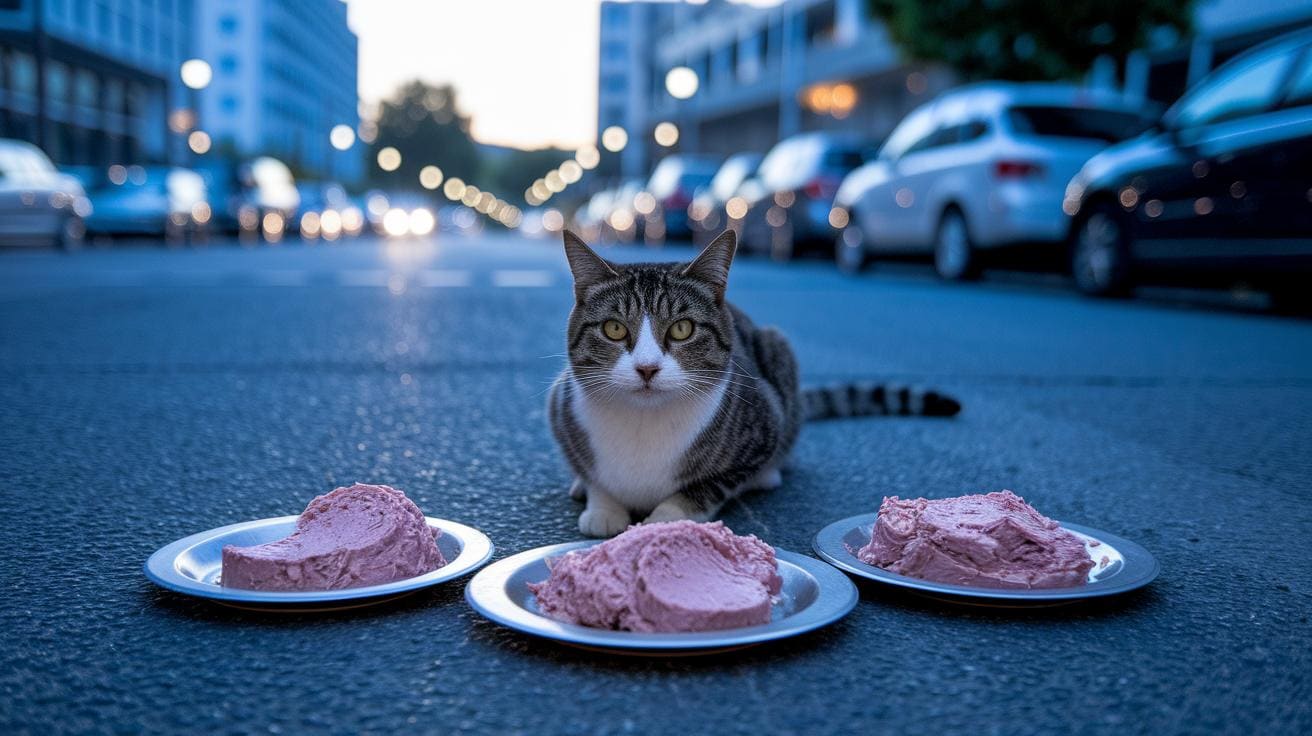
Texture often matters more than what the label says when a picky cat decides yes or no. Start by trying the main formats: pâté (smooth, ground paste), shredded (stringy meat ribbons), flaked (small tender flakes), and chunky or stew (meaty morsels in gravy). Some older cats or those who like a steady mouthfeel will pick pâté. Other kitties want something to chew and will only eat shredded. Funny how picky they are, right?
Flavor is simpler. Poultry feels familiar and comforting, so try chicken or turkey first. Fish can lure in seafood fans, so include one fish option in your taste test. Smell is the real hook , warmer food releases volatile aromas (strong-smelling molecules that float up from the food) and cats use that to decide if it’s worth a bite. Fancy ingredient names rarely beat the nose.
Warming and mild dilution are quick, safe tricks. Heat in a microwave oven (the microwave) for very short bursts of 3 to 5 seconds, stir, and test with your fingertip so it’s lukewarm, not hot. Or mix in 1 to 2 teaspoons of warm water per serving to loosen texture and lift scent. Don’t overheat; a scalded mouth will make any cat avoid that food again. Try a quick scent-only test by holding the bowl near your cat’s whiskers before offering a full portion. Ever watch those whiskers twitch? It’s the best little drama.
Try this quick texture-testing protocol to find what your cat prefers:
- Serve three tiny samples at once on separate plates , one pâté, one shredded, and one flaked or chunky.
- Watch and note which one gets attention first, how fast they eat, and if they refuse any over 72 hours.
- Warm or slightly moisten the best performer and offer it again to confirm the preference.
Senior cats and those with dental problems usually favor softer textures. If chewing seems hard, stick with pâté (soft and easy to lap) or gently soften chunks with warm water until they’re easy to lap. If your cat chews less, paws at food, or seems frustrated, switch to a softer option for a few days and keep an eye on appetite and stool.
Worth every paw print.
Top wet cat food for picky cats: side‑by‑side brand comparison
Here’s one quick spot with the hard numbers so you can grab test samples fast. Think of it as your tasting flight for finicky eaters, try different textures and protein levels to see what makes your cat purr.
| Brand / Product | Texture | Min Protein (%) | Calories/oz (energy per ounce) | Cost per day | Best use case |
|---|---|---|---|---|---|
| Smalls Fresh Ground Bird | Fresh ground / rippable | 13 | 40 | $4.00 | Single-protein sampler for picky testers |
| Tiki Cat | Shredded / flaked | 16 | 25 | $6.70 | High-aroma option to tempt finicky noses |
| Nulo Freestyle | Soft pâté | 11 | 30 | $3.67 | Pâté for texture-sensitive or older cats |
| Caru Classic Stew | Stew / chunky | 59 | 114 | $0.89 | Very high-protein, calorie-dense meal booster |
| Stella & Chewy’s Rabbit (Freeze-Dried) | Freeze-dried (rehydrate) | 12 | 36 | $3.49 | Topper or rehydrated meal for variety seekers |
| Open Farm Chicken & Grass-Fed Beef Pâté | Pâté | 45 | 130 | $4.30 | Human-grade, nutrient-dense choice for picky underweights |
| Weruva Truluxe | Flaked / gravy | 10 | 21 | $6.29 | Lower-calorie, lower-phosphorus pick for seniors |
Pick a mini lineup that covers textures and protein ranges. Protein (the building block for muscles) and calories (the energy in each bite) matter a lot , higher protein and calorie-dense recipes like Open Farm and Caru can help underweight cats gain and often smell richer, which tempts picky noses. Lighter, lower-calorie foods like Weruva suit seniors or cats that need a lower-phosphorus (a mineral that affects kidneys) approach.
Midrange options such as Smalls, Tiki Cat, and Nulo balance taste and budget. Want to narrow down food sensitivities? Start with single-protein choices like Smalls or Stella & Chewy’s rabbit to spot reactions; single-protein formulas make it easier to see what causes trouble.
Pouch versus can is worth a quick thought. Pouches usually blast a stronger aroma and are easy to portion and zipper up in your memory, oops, I mean, in your hand. Cans are easier to cover and store for multiple meals. For sampling, grab a few pouches and one or two cans if you plan to split servings over the day.
Quick tip: try one new texture at a time and serve in a quiet spot. Your cat’s whiskers will twitch, you’ll hear the tiny paws, and you’ll figure out which style wins the heart (and the bowl).
Worth every paw-print.
Palatability boosters and toppers for wet cat food for picky cats
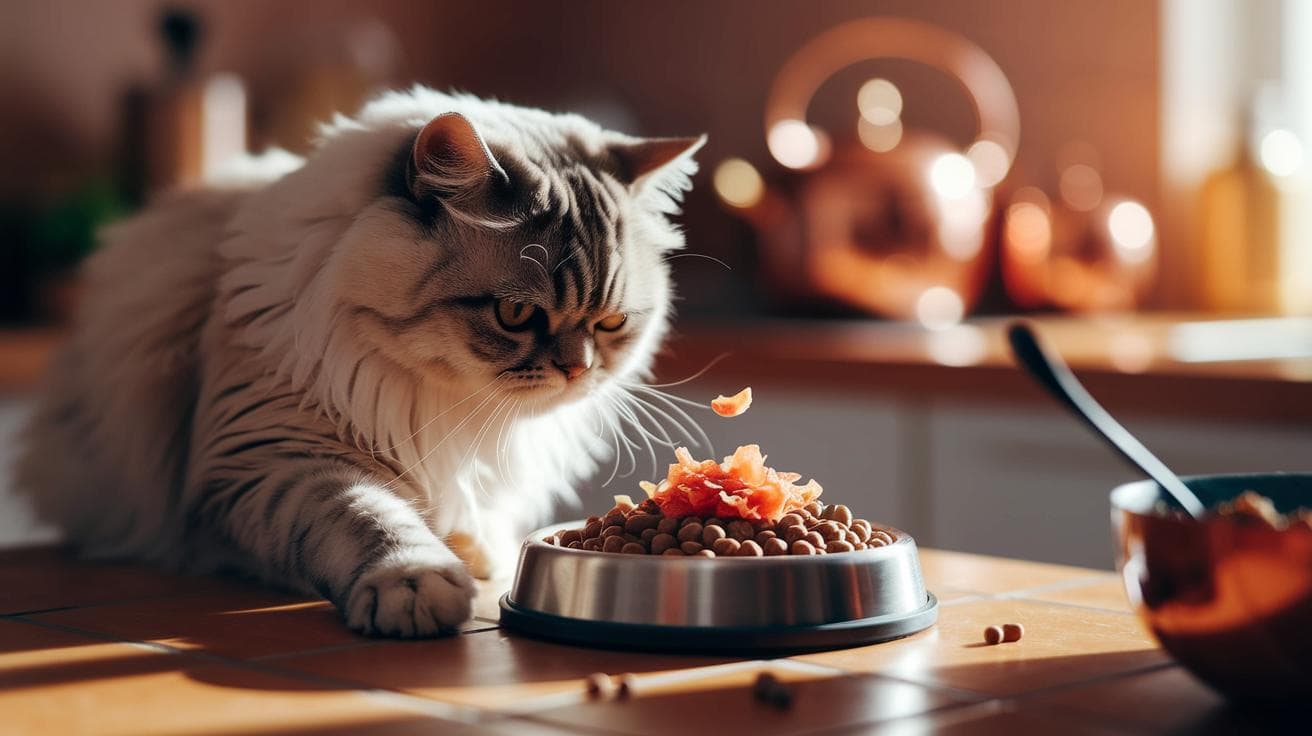
Little flavor nudges can save a meal. Think of these toppers as gentle temptations that bring scent and texture to the bowl so your cat actually shows up to dinner. I’m keeping the list safety-first, with simple amounts and what to watch for.
-
Sardines (water-packed): Mash about half a sardine per 10 pounds of body weight and stir a teaspoon or so into the food. Sardines are fishy and strong-smelling, which pulls picky noses in fast. Use 1-2 times per week, and skip oil-packed or salted cans to avoid extra fat and salt.
-
Tuna or tuna water: Drizzle a teaspoon of the tuna packing water or scatter a bit of flaked tuna on top for a quick aroma boost. Tuna is tempting but strong, so use it sparingly and not every day because of heavy seafood flavor and higher sodium.
-
Churu lickable puree (thin squeezable cat treat): Squeeze a thin ribbon on top or swirl a little into the scoop to make the meal lick-friendly. Go for single-ingredient styles when you can, and treat Churu as a short-term bridge, not a full meal replacement.
-
Bonito flakes (dried smoked fish flakes): A tiny pinch adds big umami punch and that irresistible flaky texture. They’re potent, so keep portions very small and avoid mixes with extra salty seasonings.
-
Coconut oil (soft tropical oil): Mix about 1/8 teaspoon into the evening meal for a smoother mouthfeel and mild aroma some cats like. Start slow. Bigger amounts can cause loose stool.
-
Meat baby food (plain chicken or turkey): Stir a teaspoon of plain meat baby food into wet food or kibble for smooth texture and protein scent. Check the label for no onion, garlic, salt, or added spices.
-
Fish oil (concentrated fish oil rich in omega-3 fatty acids): Add 1/4 to 1/2 teaspoon per day for cats up to about 15 pounds to boost scent and give omega-3 benefits. Keep the bottle in the fridge and watch stool for oil-related changes.
-
Nutritional yeast powder (inactive yeast with a cheesy flavor): Lightly dust a pinch for a savory, cheesy note and B vitamins. Use plain nutritional yeast only, no leavening agents or added flavors.
-
Grated parmesan (aged hard cheese): A tiny sprinkle can entice some cats with salty, savory flavor. Because it is salty and fatty, keep servings very small and infrequent.
-
Bone broth (slow-simmered bones, low-sodium): Pour a teaspoon of plain, low-sodium bone broth over food to add aroma and moisture. Make sure the broth has no onion, garlic, or extra salt.
A few quick safety notes: avoid onions, garlic, and added salts in anything you add. Watch portion sizes, weight, and stool. If you see persistent digestion changes, call your vet.
Introduce toppers early when you are mixing new food in as a bridge in your Transitioning section plan, then slowly taper them once your cat accepts the new base meal. Watch weight and stool, and check with your vet if changes persist.
Transitioning, feeding strategies, and practicalities (mixing, storage, and serving logistics)
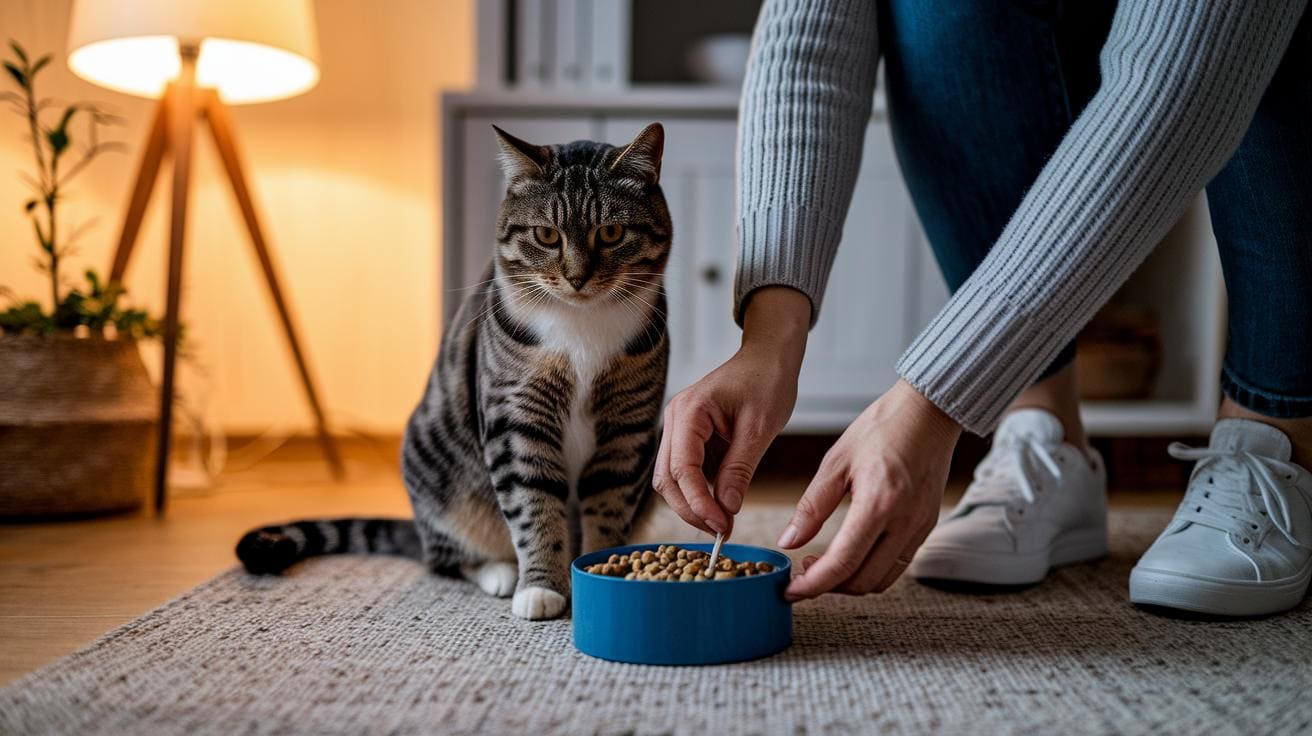
Start with a slow, steady switch to wet food over about 7 to 10 days so your cat’s nose and tummy can adapt. Small, calm wins beat rushed switches every time. If your cat shows zero tummy trouble, you can speed things up a bit, but don’t rush it.
- Day 1–3: mix roughly 10% new wet food into the food they already like.
- Day 4–6: raise the new food to about 25% to 50% depending on appetite and stool (poop).
- Day 7–10: move toward 75% to 100% new food if stools stay normal; if you see loose stools or a drop in appetite, hold the current mix for 48 hours before changing more.
Set a feeding routine to cut fussiness: two to three timed meals instead of free-feeding helps your cat feel hungry and curious at mealtime. Keep portions small and watch meals so food stays fresh and aromatic between servings. Worth every paw-print.
Little behavior tricks can help. Warm the food a touch or add a splash of warm water to boost scent. Try hand-feeding tiny tastes to make mealtime a happy thing, or use a puzzle feeder to spark hunting-style play. Offer food in a quiet spot or another room to reduce distractions. Ever watched your kitty chase shadows? Same idea, make feeding feel like fun.
Shopping tips: pouches (soft packets) tend to blast aroma, which is great for picky noses, and single-serve pouches (one-meal portions) cut waste while you’re sampling. Cans are easy to cover and store for multiple meals. If you mix wet and dry, start with a little wet mixed into kibble (dry crunchy food) and increase the wet ratio as acceptance grows.
Store opened food airtight (sealed so no air gets in) in the fridge. Freeze single portions in safe containers and label with the date. Thaw in the fridge overnight or in a warm-water bath, then serve at room temp so the scent shines. For exact safe windows on how long wet food can sit out and other time-out rules, see how long can wet cat food be left out.
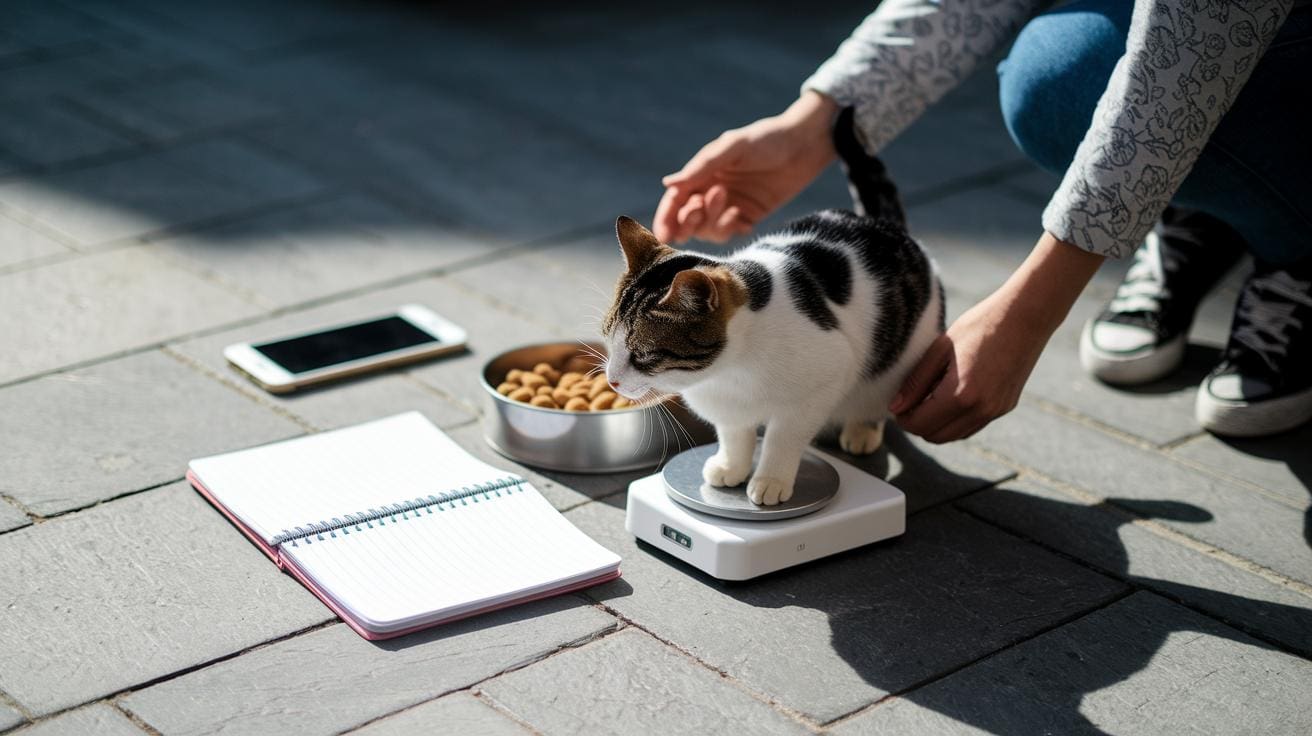
Keep an eye on weight, body condition, stool (poop), and drinking. Introduce toppers (flavorful additions) early as a bridge during the mixing schedule and taper them once the new base is accepted. If appetite falls sharply, weight drops, or stool problems last more than a few days, call your vet for a checkup and possible testing.