Ever poured your cat’s wet food and walked away? It feels easy, but that warm bowl turns into a microbe (tiny germ) disco your kitty never asked for!
Once you crack open a can, the countdown starts. At room temp you’ve got just 1 to 2 hours before bacteria (those unwelcome gate-crashers) crash dinner.
So here’s your quick guide to keep every meal fresh, safe, and totally lick-worthy. We’ll show you how long wet food stays good on the counter and the telltale signs it’s past its prime!
Safe Room-Temperature Duration for Wet Cat Food
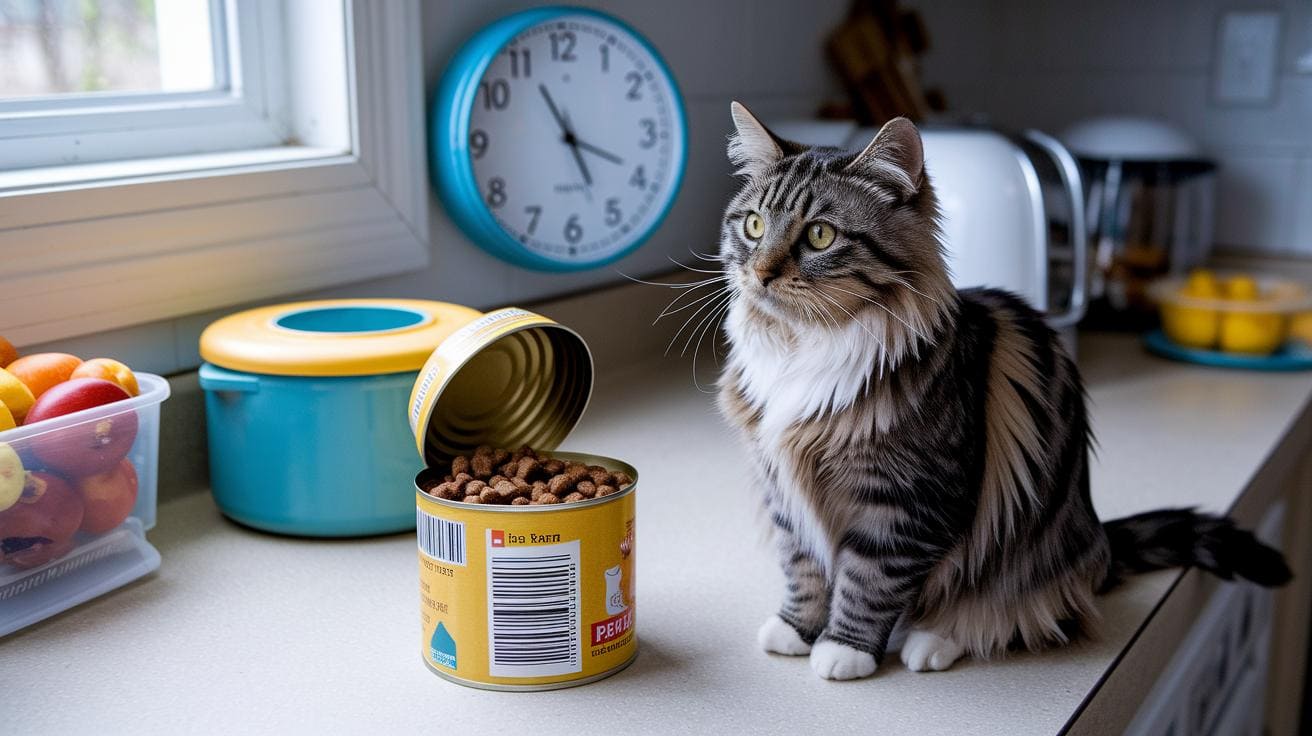
Ever wondered how long wet cat food can sit out before it’s risky? Once you open a can, start a timer for 1–2 hours. That’s your safe window to keep those puddles of savory goodness at room temp.
Here’s the timeline:
- 0–60 minutes: soft texture, warm aroma, prime play time for whisker twitching.
- 60–120 minutes: flavor peaks but bacteria (tiny germs) start to multiply.
- Over 120 minutes: edges dry and congeal, a rubbery film forms, and drips go crusty.
At about 75°F (24°C), salmonella (a harmful bacteria) and listeria (another nasty germ) can double every 20 minutes. It’s like a microbe party your cat doesn’t want to join.
After two hours, you’ll spot that rubbery edge or see the bowl get pushed across the floor. Ever watched your kitty sniff and walk away? Yeah, that’s the sign.
Scoop smaller portions or just toss leftovers after 120 minutes and wash the dish. Clean bowls keep kitties happy. Worth every paw-print.
Environmental Factors Accelerating Wet Cat Food Spoilage
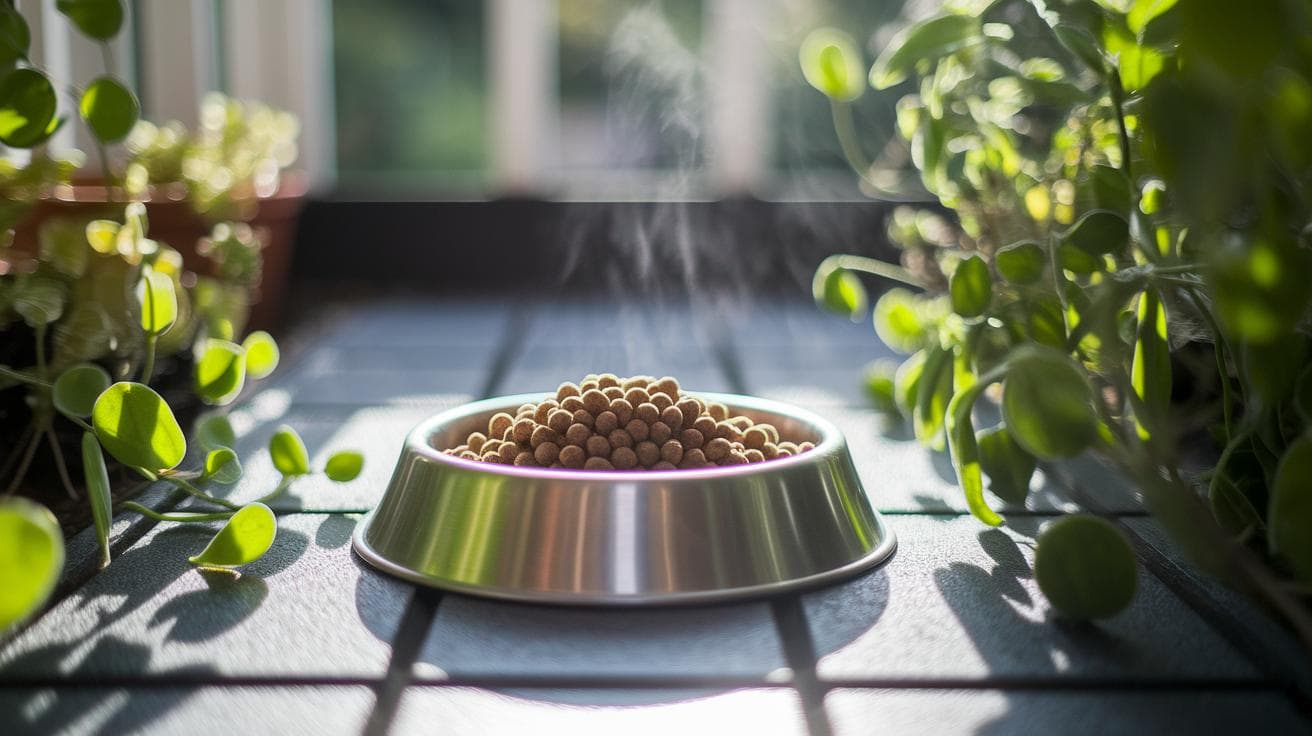
Hot days over 75°F (about 24°C) are, um, a dinner disaster in the making. When the air warms up, bacteria kick into high gear. That cuts your safe window down to less than two hours. Ever felt the heat shimmer off a plate on a summer porch? Your kitty’s wet food is in that same germ-growing zone, with salmonella (a sneaky bacteria) doubling every 20 minutes.
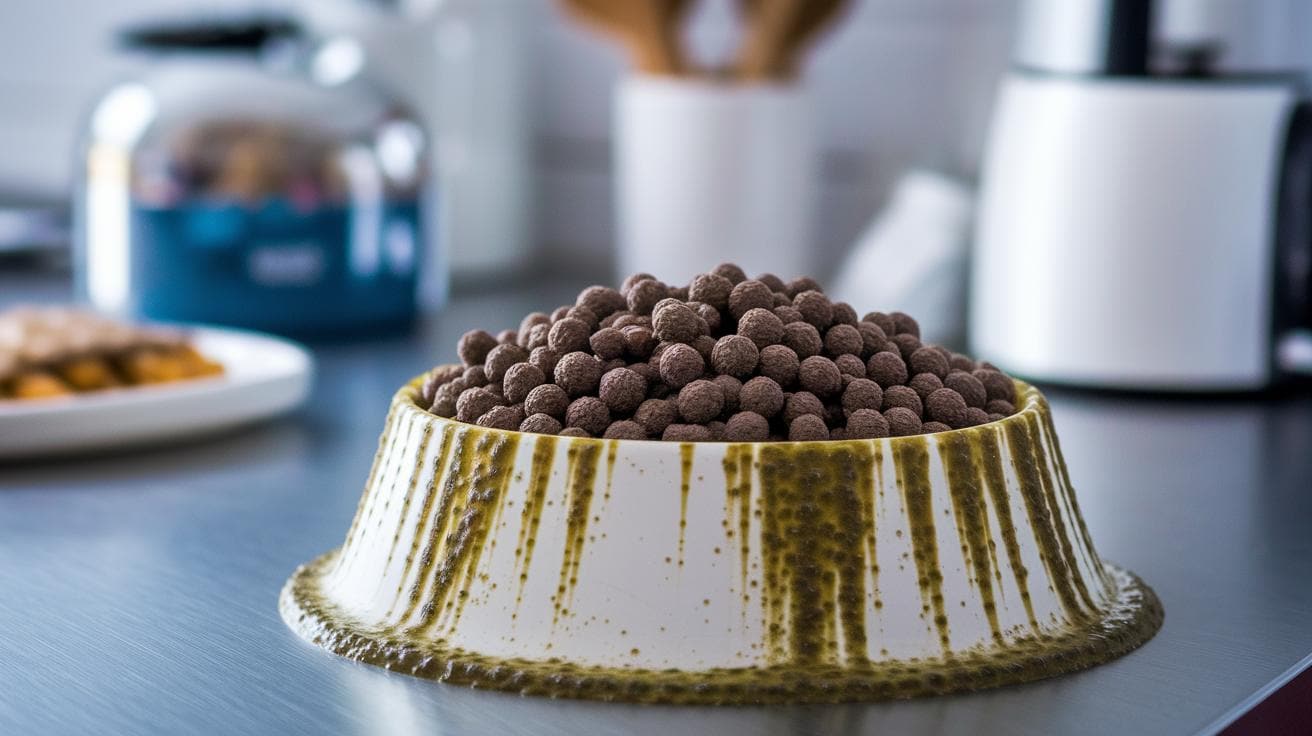
Moist, sticky air adds to the problem. High humidity feeds micro-organisms (tiny life forms you can’t see) in the food, so a steamy bathroom or damp kitchen corner can shave off even more minutes. See a slimy ring around the bowl? Yep, that’s humidity at work.
And don’t get me started on direct sunlight. Bright rays heat the food top-down, creating a perfect launchpad for bacteria colonies. Ever watch your cat dive into a sunbeam? That warm patch can turn into a germ spa in no time.
To keep meals fresh and fur-tastic, pick a cool, shaded spot away from windows and hot lamps. Your cat will thank you – no more stinky bowls or icky leftovers.
How to Spot Spoiled Wet Cat Food Before Offering It
Ever seen your cat’s whiskers twitch as she sniffs a bowl and then walks off like, “No thanks”? Oops, let me rephrase that… that’s her instinct telling you something’s off. Let’s do a quick sniff test to catch any spoiled wet food before you serve.
Lean in close and give it a gentle sniff, any sour or rancid (stinky, spoiled) whiff means it’s time to say bye-bye.
Here’s what to look for:
- Sour or rancid smell: Fresh wet food has a meaty scent. If it smells like old cheese or garbage, don’t serve it.
- Dull or changed color: Check for dark patches or gray areas. Fresh food stays bright and moist.
- Slimy film or sticky layer: That weird slick on top is a sign germs have moved in. If the edges get hard or crusty, it’s past its prime.
- Visible mold: White, green, or fuzzy spots are a big no-no, mold can harm your kitty fast.
Serving bad grub can lead to vomiting or diarrhea, no one wants that. A glance and a sniff take just seconds but can save your cat’s furry tummy.
When you’re in doubt, toss it and grab a fresh pouch. Your feline friend will purr in appreciation. Worth every paw-print.