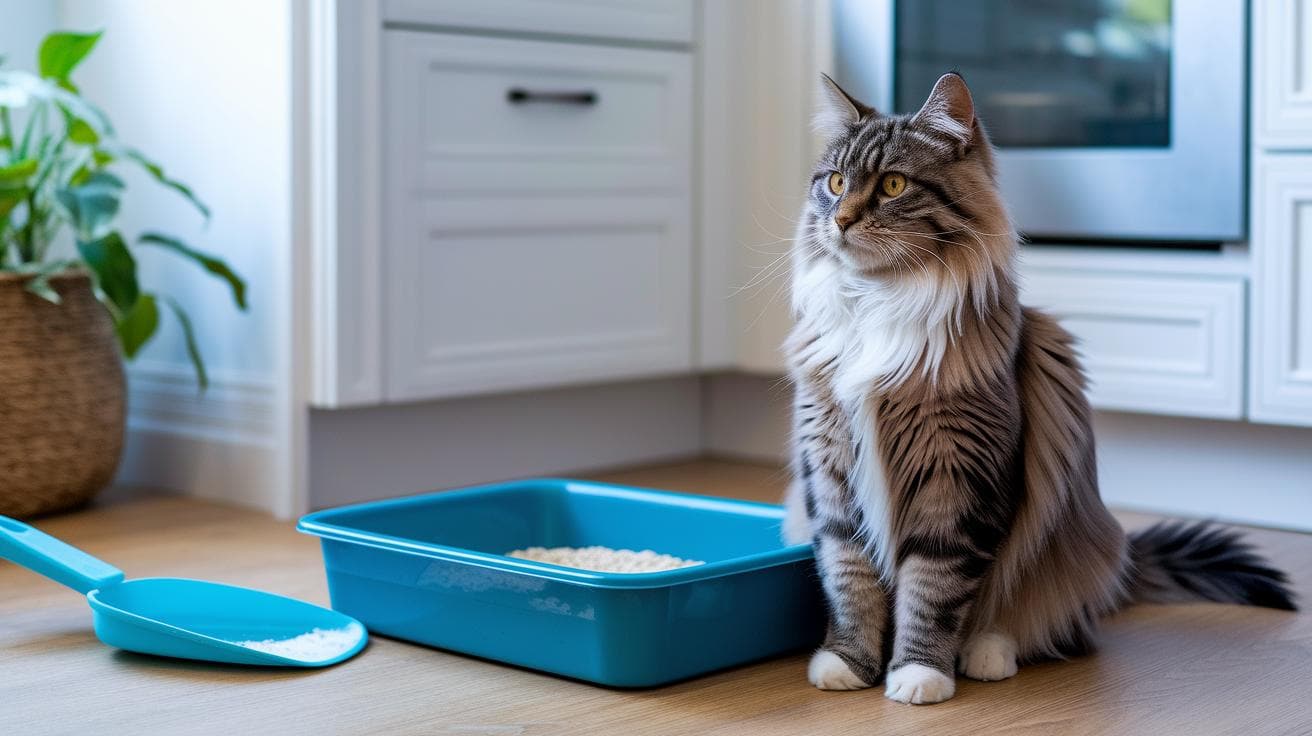
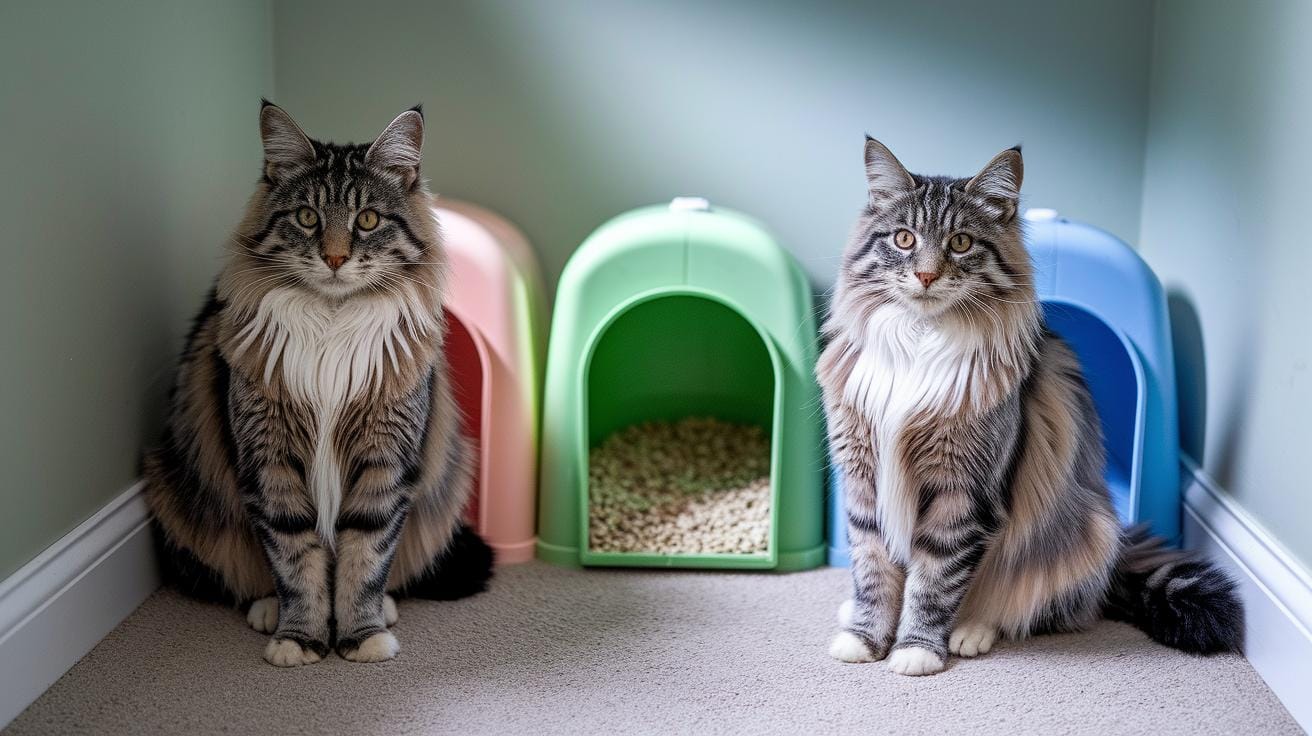
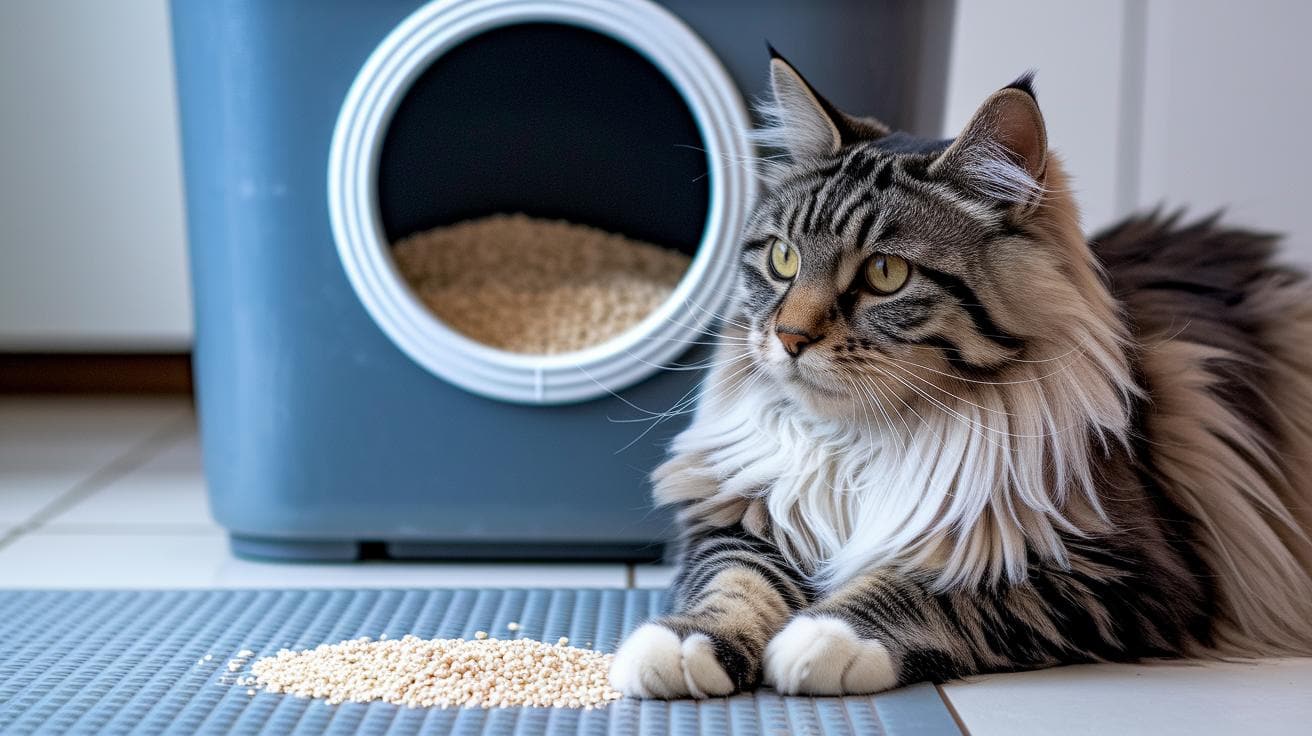
Ever scooped litter and felt like you’re clearing out a mini desert? Ever watched your Maine Coon try to turn around in a box half its size? These gentle giants can stretch up to 40 inches long and weigh 25 pounds. No surprise a regular pan feels like a tiny studio apartment.
You need a roomy litter pan with at least 6-inch tall walls and a nonstick coating (easy to rinse and never sticky). That extra headroom means your kitty can spin, dig, and cover without sending granules flying.
Cleanup? A total breeze. Scoop, give it a quick rinse, and you’re done in five minutes flat (oops, make that under five). Worth every paw-print.
Choosing the Ideal Litter Box for Maine Coon Cats
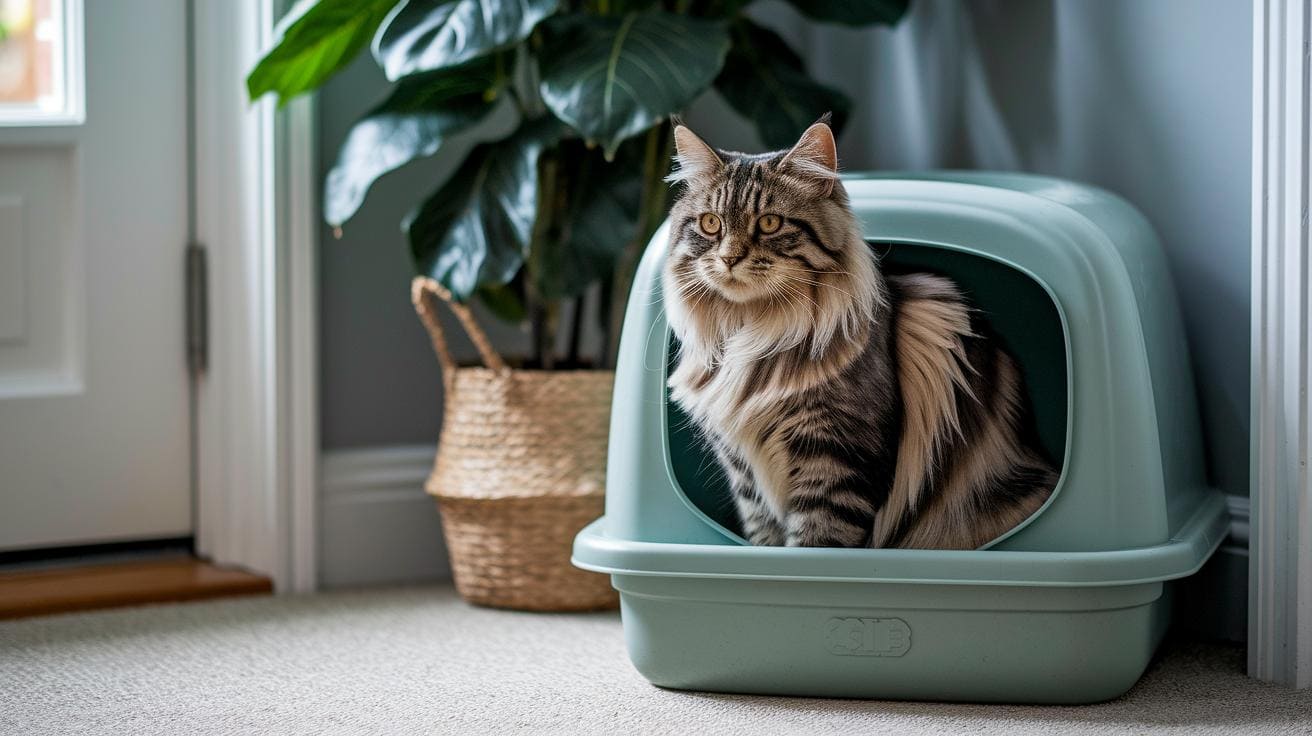
Ever watched your kitty do Olympic-level backflips in their litter? If you have a Maine Coon cat, you know they can stretch up to 40 inches long and weigh 25 pounds. That makes a regular box feel like a tiny sandbox. You need a big pan that holds deep digs and big paws. It should be one and a half times your cat’s length for full spin freedom.
A cozy box means less stress and fewer litter explosions. It’s tough to knock over and stays put under your heavy floof. Speaking of comfort, my cat once gave me the stink eye when the sides were too low. Six-inch walls catch every stray scoop and offer a little hideaway. And the non-slip floor keeps paws steady during epic digs.
Here’s what to look for in a claw-tastic litter box:
- Dimensions: at least 1.5× your cat’s length so they can dig and turn at will
- Wall height: six-inch sides to trap scatter and give privacy
- Entry: wide opening or side door for easy hops in and out
- Material: reinforced polypropylene (tough plastic) or stainless steel (hard metal) that resists scratches
- Cleanup: smooth surfaces, removable liners, and a non-tip base for quick scooping
Picking the right box means happier paws and fewer messes. And um, less time cleaning is always a win. Your Maine Coon will love the extra room and you’ll love the peace of mind. Worth every paw-print.
Litter Box Dimensions and Wall Height Guidelines for Maine Coon Cats
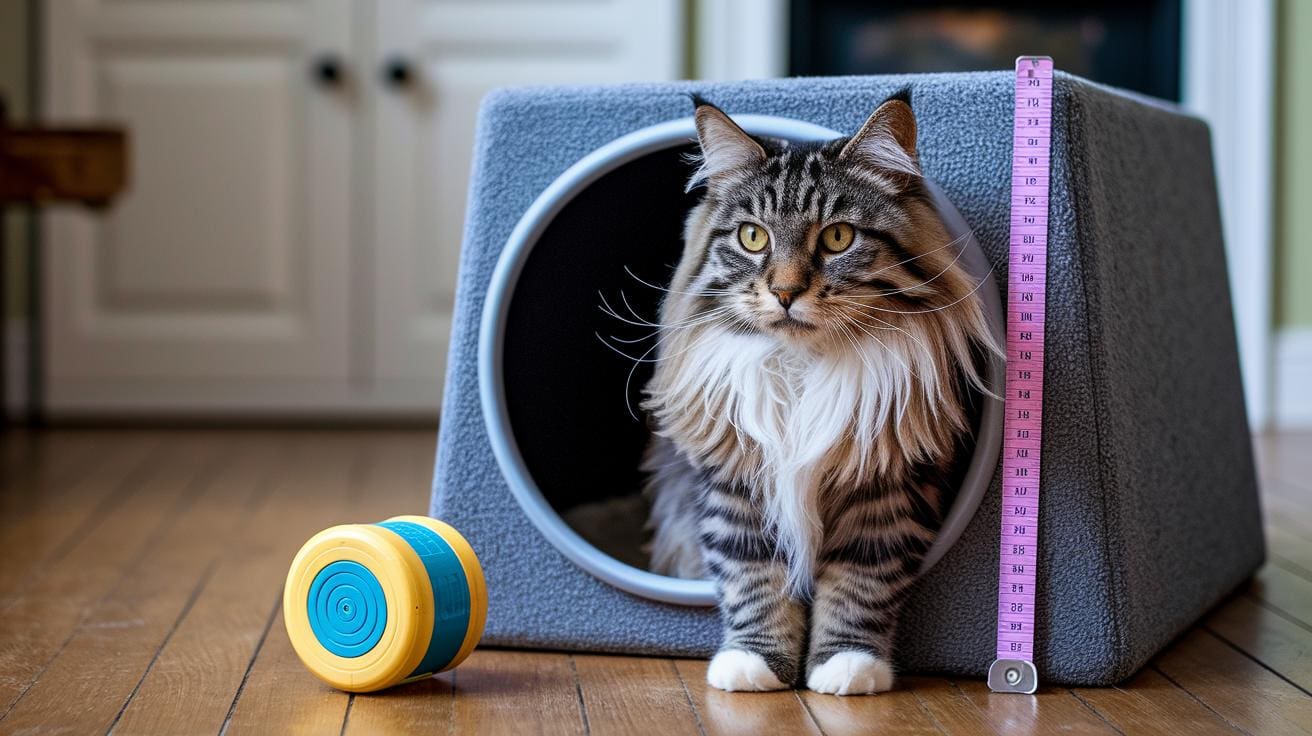
Big cats need big boxes, you know? Your Maine Coon is basically a small tiger, so aim for a tray (the pan your cat does business in) that measures about 34.5 by 19.5 by 9.5 inches. That’s roughly one and a half times your kitty’s length from nose to tail. Ever watched their whiskers twitch as they check out the space?
And wall height? Shoot for around 6 inches on the sides. It helps keep litter where it belongs instead of all over your floor. Plus, it gives your cat a bit more privacy when they need a moment.
Entry style is your next move:
- Low-sided (4-5 inches) makes it easy for kittens and senior cats to hop in.
- High-sided hooded pans give extra privacy and stop litter from flying out.
You can also choose side-entry to cut down on tracking if you’re tired of sweeping stray bits off the floor. Or pick front-entry if your older cat appreciates a straightforward entrance.
Don't forget extra-toe clearance. Maine Coons have big paws and often an extra toe. Make sure the space inside the box is wide enough so they don't feel squished when they settle in.
Worth every paw-print.
Material and Durability Considerations for Maine Coon Litter Boxes
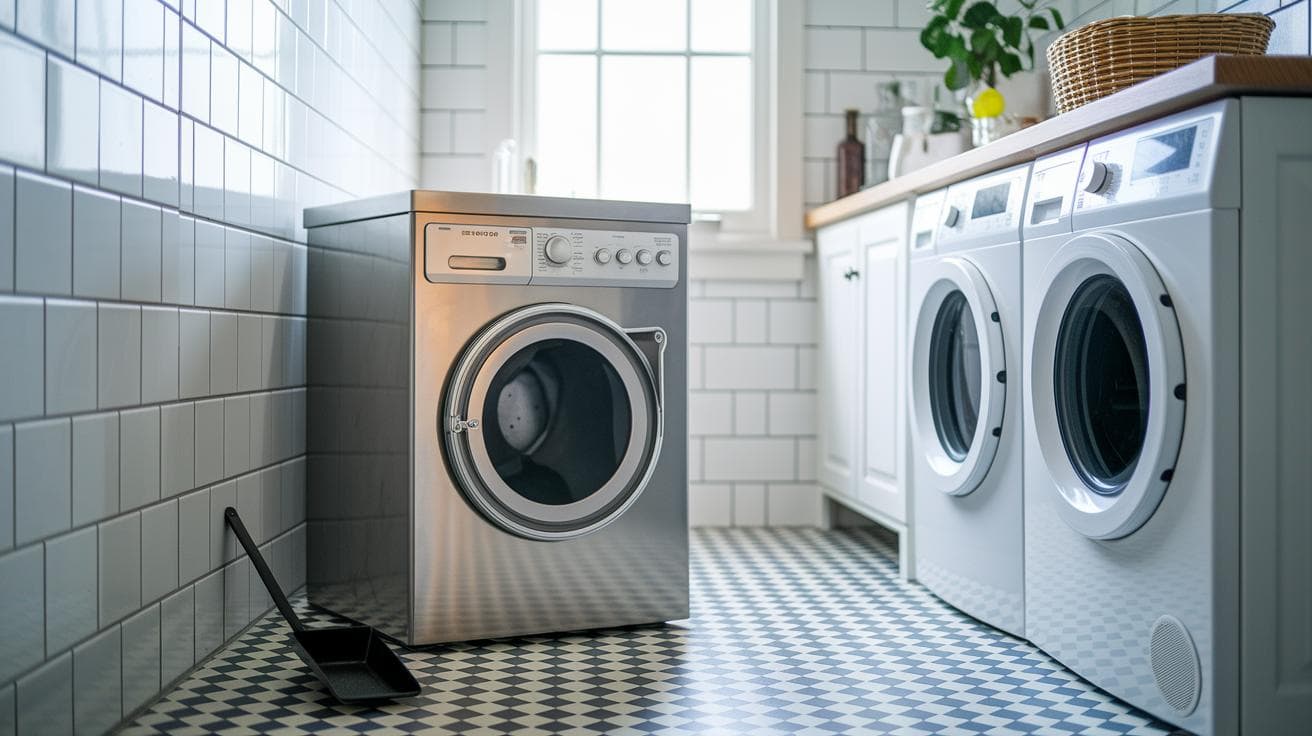
Plastic pans are a favorite because they are light enough to move and easy on your wallet. A large reinforced plastic pan (about 34.5 by 19.5 by 9.5 inches) made from polypropylene (tough plastic) often has thick rims and a no-tip base for stability. But watch out: plastic can soak up odors, pick up stains, and get scratched by sharp claws. Ever seen your cat’s whiskers twitch as the box squeaks under their paws?
Stainless steel boxes feel cool and smooth under your cat’s paws. They are nonporous (no tiny holes for bacteria or odors to hide) and naturally repel smells, so you can wipe them down in seconds. A six-inch sided steel pan can hold up to 25 pounds, plenty of room for your big floof. On the flip side, they cost more, and sometimes feel chilly in a cool room.
Choosing between plastic and steel comes down to your budget and kitty’s comfort. If smelly plastic sends you running, spring for stainless steel. If you’re watching costs but still want something tough, go with reinforced plastic. I guess it’s all about what matters most to you and your Maine Coon.
Either way, grab a heavy-duty litter scoop with a sturdy metal handle and wide tines to lift big clumps without bending. These durable pans and the right scoop slash cleanup time and keep your home smelling fresh. Worth every paw-print.
Top Litter Box Types and Model Comparisons for Maine Coon Cats
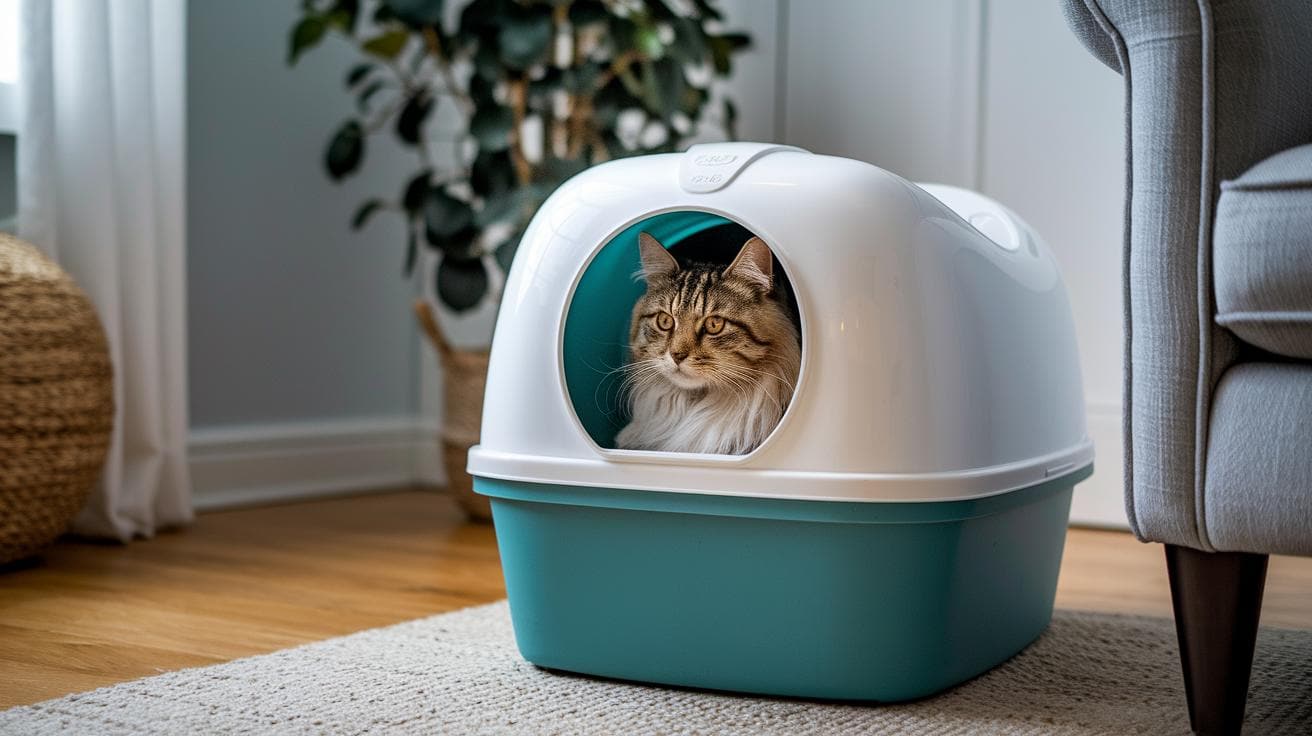
Looking for a roomy, wallet-friendly tray or a high-tech solution for your giant fluffball? Here are three pawsome options that cover every budget and style. Ever seen your Maine Coon scatter litter like confetti? Let’s fix that.
Let’s start with the DIY storage container (a big plastic bin). It hides litter and gives your cat some privacy. You can even add tool pockets on the side for scoops and liners. Oops, let me rephrase: you will need to trace and cut your own door, just grab a box cutter and go slow.
Next up is the XL commercial pan. This deep tray is made of reinforced plastic (extra-tough plastic), so your cat can dig in without cracking the sides. It’s super affordable, and it handles big paws with ease. Just know that over time it may show stains or scratches.
Last, the auto self-scooper. This mechanized unit (battery-powered motor) rakes litter after your cat’s done, so you don’t have to scoop by hand. It’s a dream for low maintenance, though some models can be a bit noisy and cost more. And don’t forget to swap the filters (little pads that trap odors) every week or two to keep ammonia at bay.
| Model | Type | Pros | Cons | Price Range |
|---|---|---|---|---|
| DIY Storage Container | Plastic DIY (big bin) | Privacy, Tool pockets | Cutting required | $15–$30 |
| XL Commercial Pan | Reinforced Plastic (extra-tough plastic) | Deep capacity, Affordable | Stains, Scratches | $30–$60 |
| Auto Self-Scooper | Mechanized (battery-powered motor) | Low maintenance | Noise, Higher cost | $80–$150 |
Think about your budget, cleanup style, and whether your cat prefers an open tray or a covered hideaway. Your pawsome pal will thank you, and your floors will too.