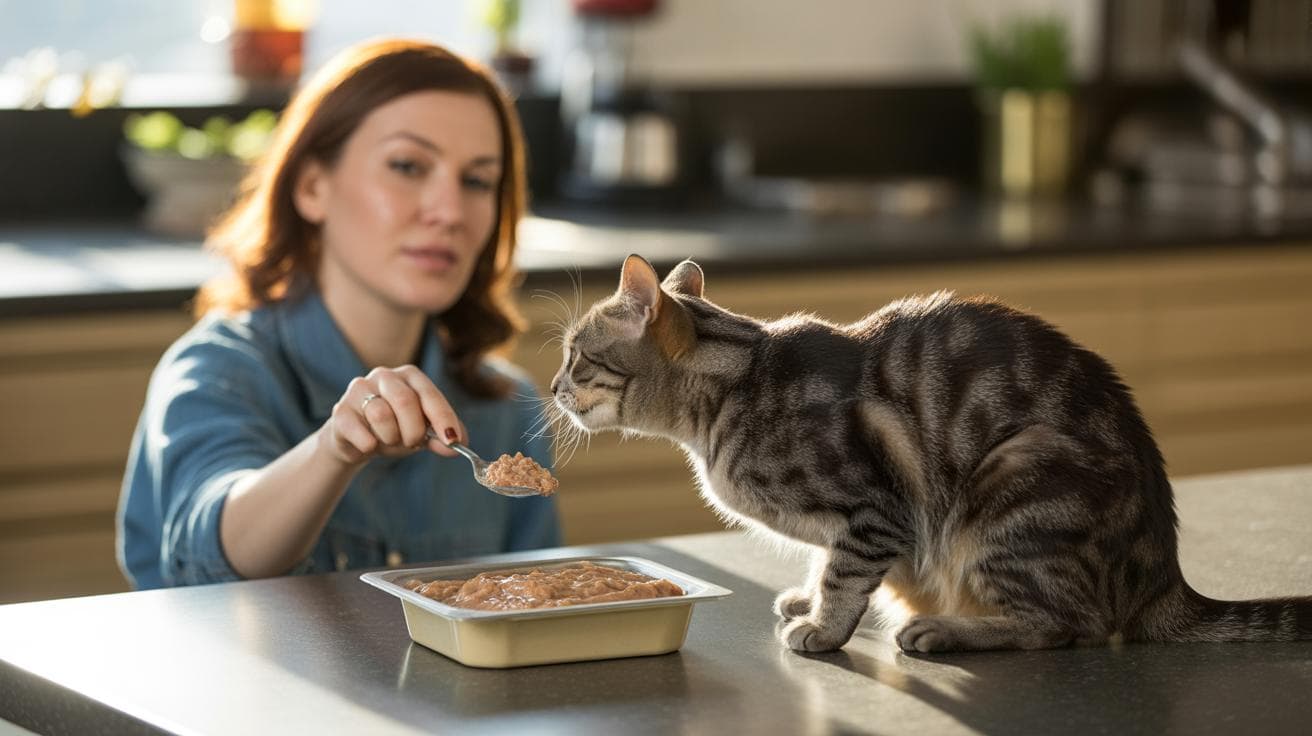
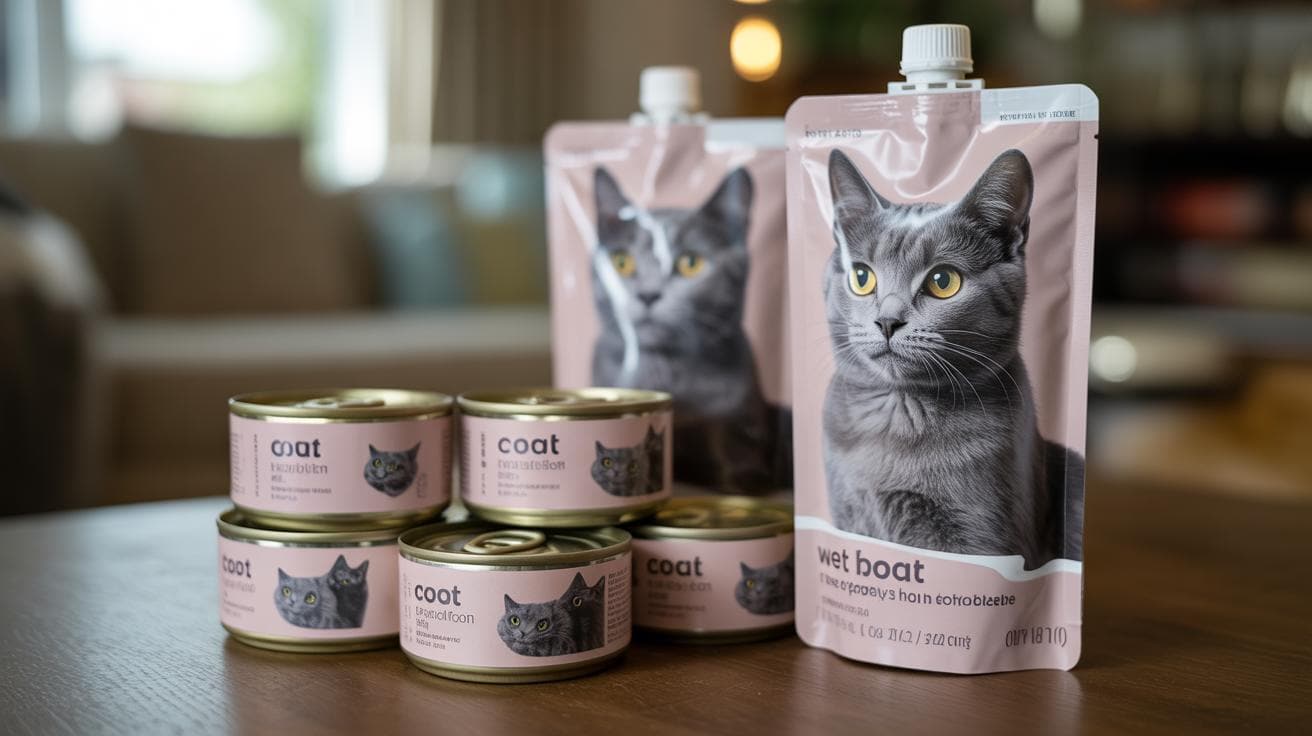
Think your cat's tummy is just being dramatic and will grow out of it? Lots of sensitive-stomach kitties aren't fussy, they're hurting, and the wrong food can make that pain worse. Ever watch your kitty bat away a bowl and feel totally lost? You're not alone.
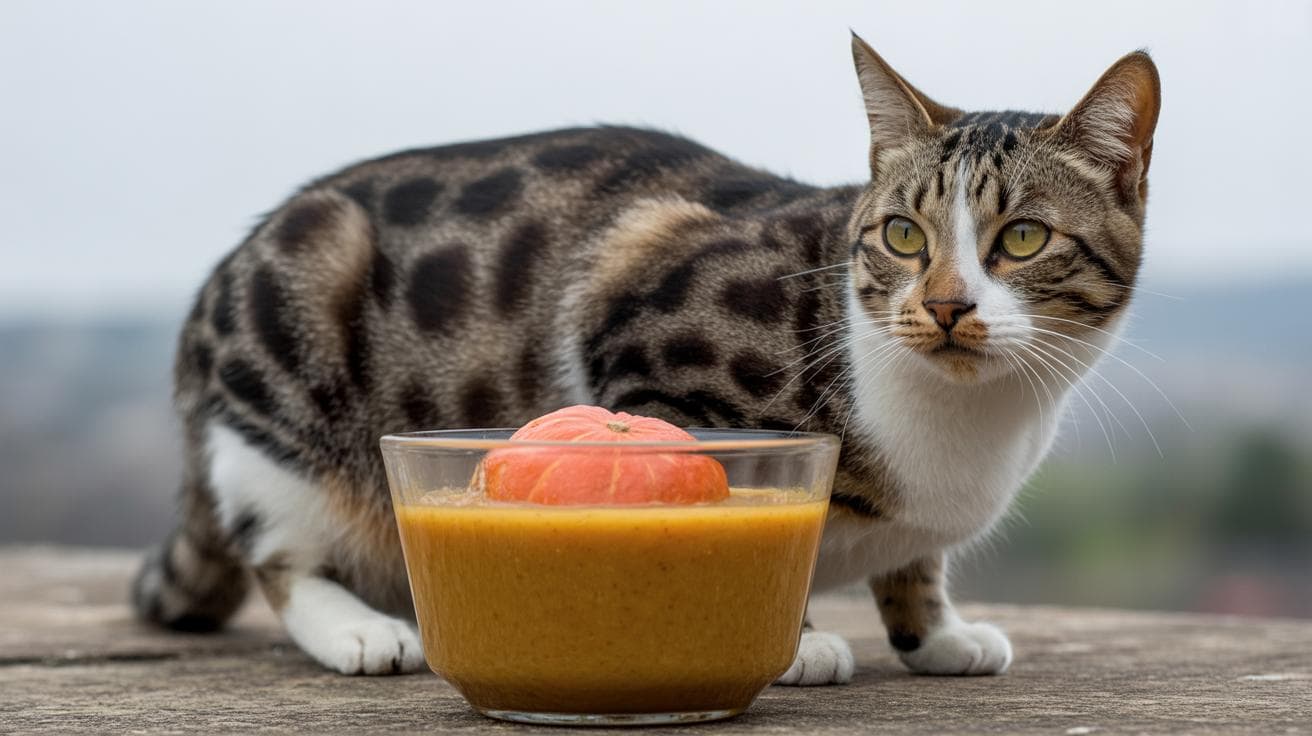
I've picked vet-ranked wet foods that calm digestion, add hydration, and actually tempt picky eaters, so you can stop guessing and start feeding with confidence. You'll find gentle gravy slices that coax a tongue-licking taste, and pumpkin-swirled broths (pumpkin is a source of fiber that helps the gut) that soothe rather than rile your purring roommate. Think soft textures, easy-to-digest recipes, and flavors even finicky hunters will stalk.
There are picks for seniors, too, milder formulas that are gentle on older tummies and easy to chew. Worth every paw-print.
Top vet-ranked wet food picks , quick shortlist to help sensitive cats now

Royal Canin Adult Instinctive Thin Slices in Gravy is our single top pick for cats with sensitive stomachs. Check with your veterinarian before switching diets or starting a trial (they can rule out bigger issues and guide the change).
-
Royal Canin Adult Instinctive Thin Slices in Gravy , Gentle, multi-texture recipe with water and protein listed first; 66 kcal per 3-oz can. Pro: Very palatable for picky, sensitive eaters , the soft thin slices in gravy often tempt reluctant cats. Con: Can cost more than basic budget cans.
-
Hill’s Science Diet Adult Sensitive Stomach & Skin Tuna & Vegetable Entrée , Grain-free, with prebiotics (food for good gut bacteria) and fiber (plant bits that help digestion); 87 kcal per 2.9-oz can. Pro: Made to soothe tummies and support skin. Con: Tuna flavor could upset fish-sensitive kitties.
-
Royal Canin Aging 12+ Thin Slices in Gravy , Senior-focused with controlled phosphorus (a mineral that affects kidneys) and prebiotics (good-gut food) for easier digestion; 71 kcal per 3-oz can. Pro: Helps joint and kidney-related needs in older cats. Con: Not meant for younger adults or kittens.
-
Purina Pro Plan Complete Essentials Chunky Chicken Entrée , Protein-forward for active cats who digest meat well; 94 kcal per 3-oz can. Pro: High protein (muscle-supporting fuel) helps maintain strength. Con: Higher protein may be hard on cats with kidney or liver problems.
-
Tiki Cat Aloha Friends / Grill Variety Packs , Fish-forward broths with pumpkin (a fiber source) for added fiber and hydration (more water in the food); 57–76 kcal per 2.8–3-oz can. Pro: Great for picky eaters who need extra moisture. Con: Strong fish aroma might not be loved in small apartments.
-
Hill’s Prescription Diet Metabolic Weight Management , Veterinary weight-loss option with high-fiber satiety support; 136 kcal per 5.5-oz can (vet authorization required). Pro: Clinically tested to help cats lose weight. Con: Requires a vet’s OK and follow-up.
-
Purina Pro Plan Veterinary DM Dietetic Management , Lower-carb (fewer carbs), higher-protein option for diabetic cats; 158 kcal per 5.5-oz can (vet authorization required). Pro: Helps control blood sugar under vet care. Con: Not for general use without vet oversight.
-
Hill’s Prescription Diet c/d Multicare Urinary Care , Targets bladder stones and urine health with added minerals and omega-3s (healthy fats); 178 kcal per 5.5-oz can (vet authorization required). Pro: Helps reduce stone recurrence. Con: Long-term use should follow vet guidance.
-
Purina Fancy Feast Seafood Grilled Collection in Gravy , Budget-friendly, varied seafood flavors that still offer moisture; 70–71 kcal per 3-oz can. Pro: Low cost and often wins over picky cats. Con: Doesn’t offer the specialized support some chronic GI cases need.
Start with over-the-counter, limited-ingredient (few ingredients to isolate sensitivities), high-moisture wet foods (adds hydration) for mild or occasional stomach upsets or picky eating. If vomiting or diarrhea keeps happening, weight drops, or symptoms come back after a short trial, see your vet for a prescription formula and a diagnostic workup. Trust me , a little testing now can save lots of worried nights later. Worth every paw-print.
Ingredients & Label-reading: what to look for and how to read the label
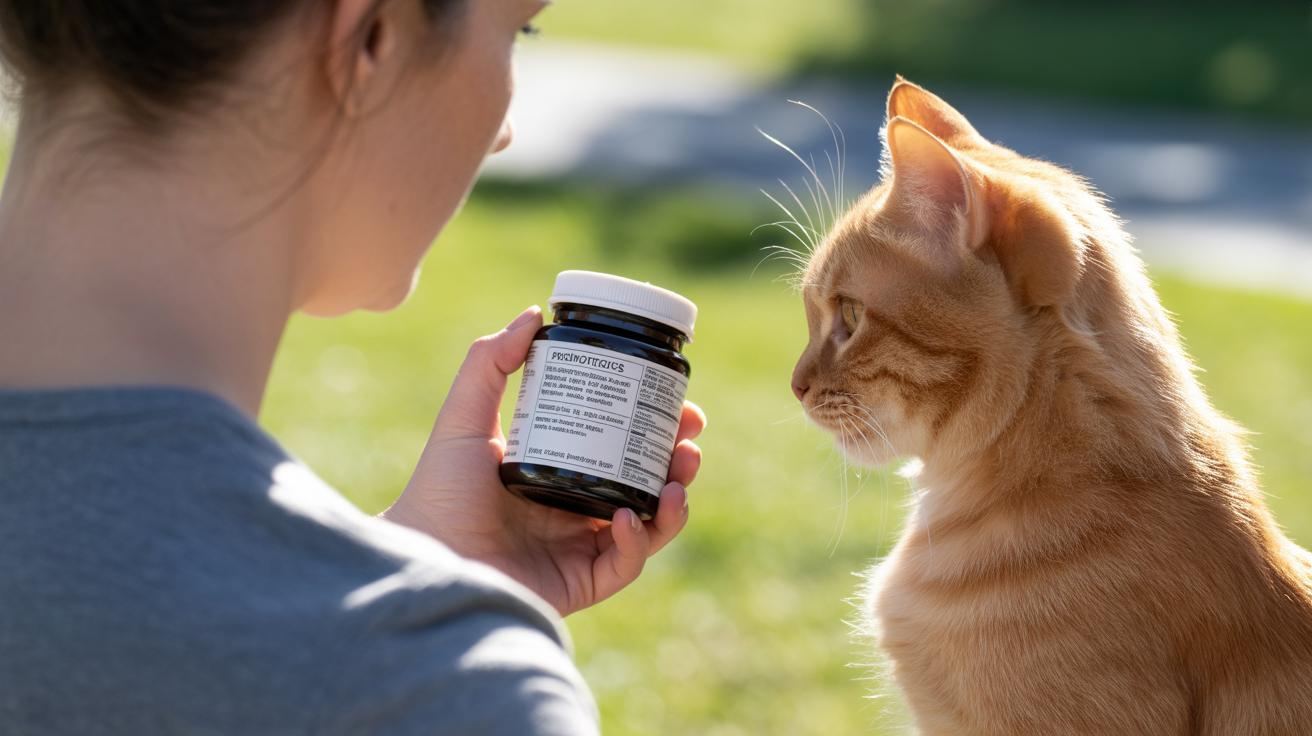
Want to pick wet cat food that’s gentle on the belly? Start with two spots on the label: the ingredient list and the guaranteed analysis (the percent breakdown of protein, fat, moisture, and more). Those tell you what’s most common in the can and how calorie-dense it is. Ingredients matter because some proteins and fibers soothe the gut, while others can cause reactions. And the order on the list shows what’s actually in the recipe.
Claims like "limited-ingredient" or "sensitive" can help narrow things, but don’t rely on them alone. Scan for gut-friendly bits: prebiotics and probiotics for microbiome support, soluble fiber like pumpkin for gentle stool shaping, and a sensible fat level if your cat has pancreatitis (pancreas inflammation). A simple rule of thumb: a named animal protein first and water high on the list usually mean a higher-moisture, easier-to-digest recipe.
- Named animal protein first , Easier digestion and clearer tracking during an elimination trial (systematic food testing to find allergens); you’ll know if it’s salmon, turkey, or lamb.
- Water listed early on wet-food labels , Adds hydration and helps food move through the gut more gently, which can lower vomiting.
- Prebiotics (food for good gut bacteria; FOS is a common type) and probiotics (live beneficial microbes) , They support a healthy microbiome.
- Soluble fiber like pumpkin (fiber that forms a gentle gel in the gut) , Helps firm stool and improves transit without harsh bulk.
- Omega-3 fatty acids (EPA and DHA, fats that reduce inflammation) , Calm the intestinal lining and support immune response.
- Limited-ingredient or single-protein formulas , Make elimination trials simpler and cut down on hidden trigger proteins.
- Hydrolyzed proteins (proteins broken into tiny pieces so the immune system is less likely to react) , Useful when food allergy is suspected.
- Moderate to low fat options , Important for cats with a pancreatitis history (pancreas inflammation); lower fat eases the pancreas while still giving energy.
Quick label sub-checklist:
- Check the life-stage claim and that the food is labeled complete and balanced (per AAFCO, the US feeding standards).
- Read the ingredient order for named proteins and water content.
- Scan for prebiotics/probiotics and visible fiber sources like pumpkin.
- Review the guaranteed analysis (percentages of protein, fat, moisture, etc.) and compare protein/fat on a dry-matter basis (removes moisture so you can compare nutrients) if you’re comparing brands.
- Look for added omega-3s and the absence of artificial colors, flavors, or preservatives.
- Verify calories per can for portion planning.
A useful research note: a 2019 ingredient-reactivity study found rice showed higher reactions in some cats, while pork, lamb, turkey, and white fish tended to cause fewer reactions for many cats. That’s not a rule, but it’s a handy hint when choosing alternatives. And of course, always look for the "complete and balanced" statement so you know the food meets baseline nutrition for the life stage listed.
Speaking of real life, I once switched my picky pouncer to a pumpkin-forward wet food and, within days, fewer messes and more playful zoomies. Worth every paw-print.
When to use prescription or condition-specific wet diets
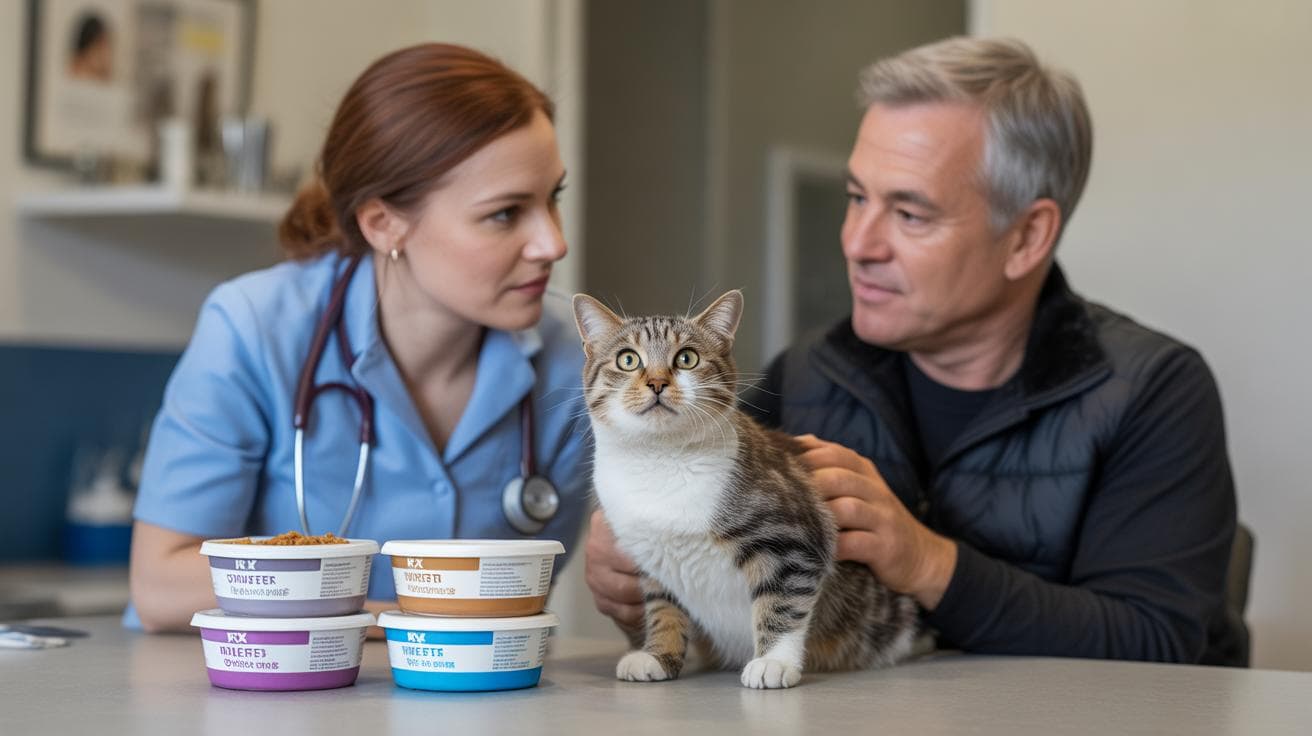
Prescription wet diets should only be started with your vet’s okay. They usually follow diagnostic tests like stool checks (examining poop for parasites or bacteria), blood work (tests that check organ function and signs of infection), and urine tests (looking for infection or mineral crystals). Your vet will pick the exact formula (the specific diet recipe) after reviewing results so you’re treating the root cause, not just covering symptoms.
For brand and calorie examples, see the Top vet-ranked picks list where those notes are kept. It’s a handy place to compare options and narrow things down.
Try telling your vet: "My cat has vomited several times a week for two months and has lost weight." Simple. Clear. It helps your vet move faster.
Nutrient needs depend on the condition, so your vet will match a formula and plan follow-up care. You’ll often do a short trial (about 6 to 8 weeks, a test period to see if the diet helps). Practical monitoring advice and the shortened 6 to 8 week trial guidance are now in the Ingredients & Label-reading / care-advice section.
Track these things at home so you and your vet can see progress:
- Appetite , is your cat eating the same amount or less?
- Vomiting frequency , how often and what does it look like?
- Stool consistency , firm, loose, bloody, or normal?
- Weight , regular checks are key.
- Energy and behavior , more playful or still lethargic?
Call your vet right away if things get worse or new signs appear. Worth every paw-print of attention.