Is your cat quietly judging your wet food choices? Picking a canned meal can feel like a tiny taste test for a pint‑size dictator. Texture, aroma, and calories all matter , the silky gravy, the meaty chunks, the whiff that makes them lick their whiskers , and those things decide if your kitty gives it the royal paw. Ever watched your cat sniff, tap, and walk away? Yeah, they’re picky.
This quick comparison lines up three top wet brands , Royal Canin, Hill’s Science Diet, and Purina Pro Plan , so you can tell which one wins for picky eaters, indoor weight control, or higher‑protein needs. We look at palatability testing, dry‑matter protein (protein after water is removed), calories per can, and rough cost, so you get the real picture without the guesswork. Purrhaps one of these will be your cat’s new favorite.
Top Rated Wet Cat Food Brands Comparison
Our top pick is Royal Canin Adult Instinctive Thin Slices in Gravy. Runners-up are Hill’s Science Diet Adult Indoor Savory Chicken Entrée and Purina Pro Plan Complete Essentials Chunky Chicken. Yep, we tasted the options through lots of research and a few enthusiastic cat testers.
These three stand out because they mix named animal proteins, solid nutrition, and true palatability testing (does a picky cat actually eat it). Royal Canin wins for texture and appetite-friendly recipes. Hill’s focuses on indoor weight control and extra fiber. Purina Pro Plan brings higher protein density (more protein per calorie) for cats that need lean muscle support. Ever watched your kitty pick one over another? It tells you a lot.
Use the table below as the single source for can size, calories per can, protein (DM% where available), and rough cost per day. Protein (DM%) means dry-matter percent (the amount of nutrients after removing water). Later sections will point back to this chart so you can compare quickly and pick what fits your cat’s taste and needs.
| Rank | Brand / Product | Best for | Can Size | Calories per Can | Protein (DM%) (dry-matter percent) | Approx Cost/Day | Key Pros | Key Cons |
|---|---|---|---|---|---|---|---|---|
| 1 | Royal Canin Adult Instinctive Thin Slices in Gravy | Best overall | 3 oz | 66 cal/can | varies | varies | Water is listed first, then named protein; thin slices in gravy make it easy for picky eaters; comes with a palatability guarantee. | Small cans can mean more opened servings; formula aimed at specific adult stage. |
| 2 | Hill’s Science Diet Adult Indoor Savory Chicken Entrée | Indoor cats, weight control | 5.5 oz | 170 cal/can | varies | varies | Lean protein plus added fiber to help hairballs and weight; includes vitamins and antioxidants for overall health. | Standard taste may not tempt every picky cat. |
| 3 | Purina Pro Plan Complete Essentials Chunky Chicken | High-protein needs | 3 oz | 94 cal/can | 50% (DM) | varies | Very high protein for lean muscle support; added nutrients to round out the diet. | Smaller cans mean more frequent feeding; some cats prefer softer textures to chunky pieces. |
| 4 | Smalls Fresh Ground Bird | High-moisture, single-source protein | , (ground, as-fed) | ~40 cal/oz (as-fed) | 13% (as-fed) | ~$4.00/day | Single-source meat, very high moisture for hydration, US-made with simple ingredients. | Needs thawing before serving; typically sold by subscription. |
| 5 | Tiki Cat Aloha / Grill Variety Pack | Picky eaters and seafood lovers | 2.8–3 oz | 57–76 cal/can | varies (often high) | ~$6.31/day (varies) | Super palatable seafood flavors and hydrating broths; great for finicky felines. | Can be pricier than standard wet food. |
| 6 | Purina Fancy Feast Seafood Grilled Collection | Budget-friendly, highly palatable | 3 oz | 70–71 cal/can | ~55% (crude) | varies | Grilled seafood flavors cats love; no artificial colors or preservatives listed. | Ingredient lists are simpler compared to premium brands. |
| 7 | Hill’s Prescription Diet Metabolic Weight Management | Weight loss, vet-required | 5.5 oz | 136 cal/can | varies | varies | High-fiber, designed to support metabolism and weight loss under vet guidance. | Requires veterinary authorization to purchase. |
| 8 | Royal Canin Aging 12+ Thin Slices in Gravy | Senior cats | 3 oz | 71 cal/can | varies | varies | Formulated for joints and kidneys, easy to chew and usually very palatable for older cats. | Small cans and tailored to a specific life stage. |
| 9 | Ziwi Peak Cat Cuisine | Novel proteins and sustainability | , (oz-based) | ~28 cal/oz | 9% (DM) | ~$3.67/day | New Zealand-sourced free-range meats and added green-lipped mussel for joint support. | Higher price and availability can be spotty. |
| 10 | Weruva / Tiki Cat / Wellness CORE examples | High-moisture, protein-forward options | varies | varies | varies (often high) | varies | Meat-first recipes with high moisture and a range of textures to please many cats. | Some formulas use gums or thickeners; quality varies between lines and flavors. |
How the rankings were determined: veterinary criteria and selection method

We teamed up with veterinary nutritionists and used real-world taste checks. That means brands needed controlled feeding trials (where pets eat the food under monitored conditions) or palatability testing (taste tests) , because if your cat turns up its nose, all the vitamins in the world won't help. Vet oversight was our first trust filter, so a product without it rarely made the cut.
Our technical checklist looked for clear ingredient transparency, like named animal proteins and obvious sourcing. We checked macronutrient balance (protein, fat, and carbs) to match AAFCO (Association of American Feed Control Officials) "complete and balanced" claims for the life stage listed. We also paid attention to moisture levels, since as-fed versus dry-matter comparisons change once you account for water (dry-matter shows the nutrient amounts after removing water). Next, we reviewed documented palatability testing, manufacturing quality controls (factory safety checks), and recall history (any past product withdrawals) to make sure label claims line up with lab practice.
Scoring gave the most weight to nutrition and the vet review, then to palatability and practical bits like texture and availability. So a small rank jump might just reflect a texture or price difference, not a nutrition fail. Big score gaps usually point to real ingredient or quality issues that matter for seniors, urinary health, or weight management. For the hard numbers, see table above for product calorie/protein/cost figures.
Life-stage and medical-need recommendations (use the table for metrics)
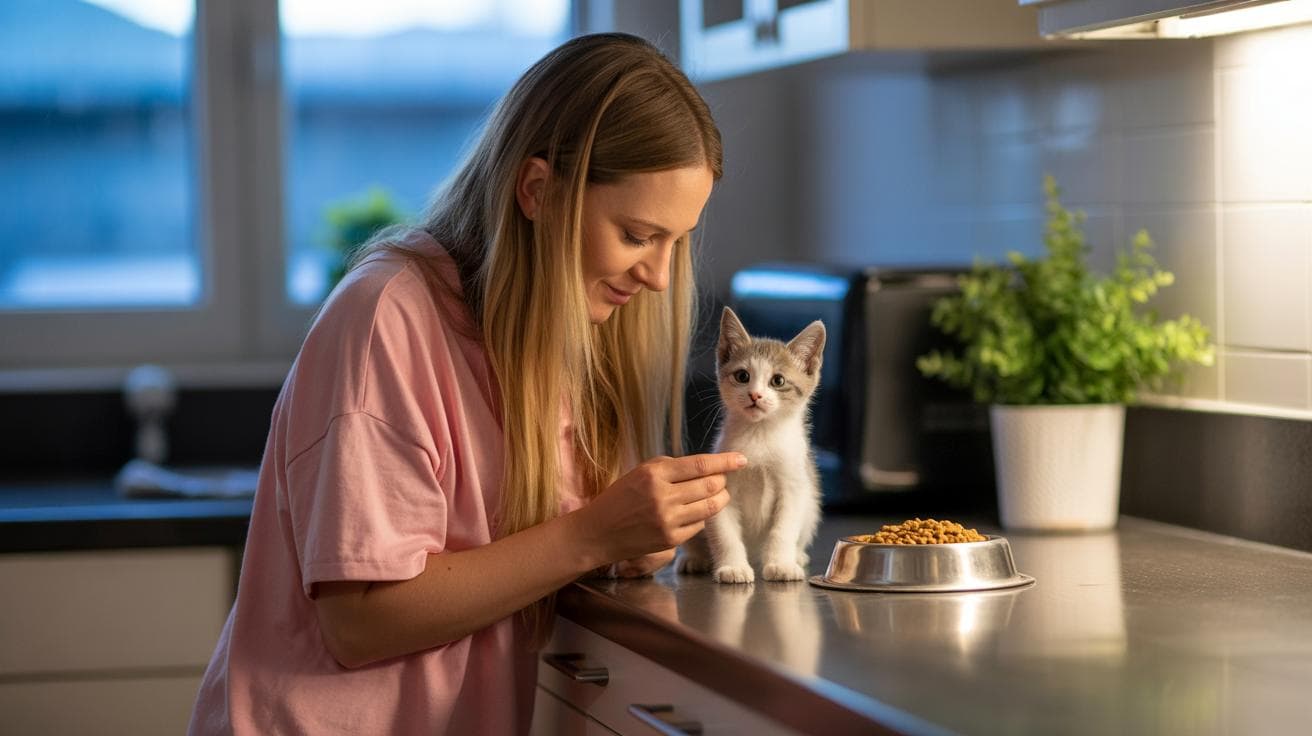
Each tip below explains why a product suits a life stage or condition – ingredient profile, texture, or key nutrients. Use the table above for exact calories, protein, and cost.
Kittens
Look for DHA (docosahexaenoic acid, a brain and eye nutrient) and higher-protein and higher-calorie rows. Pick soft, easy-to-lap textures that help with hydration and small mouths. Transition slowly over about 7 days, starting with 25% new food, and watch stool and appetite. See table above for exact calories and protein.
Adult Indoor Cats
Choose lower-calorie rows and higher fiber to help with weight and hairball control. Formulas labeled for indoor cats and palatable wet textures help with portion control. Introduce new food over about a week and trim portions if weight creeps up. See table above for exact calories and protein.
Senior Cats
Scan for joint-focused nutrients like glucosamine (joint-building compound) and chondroitin (cartilage-supporting molecule), plus lower phosphorus (a mineral that can stress kidneys). Softer textures or gravy make chewing easier. Offer smaller, more frequent meals and transition slowly while watching appetite and mobility. See table above for exact calories and protein.
Sensitive Stomach / Skin
Pick single-source or novel proteins and formulas with prebiotics (fiber that feeds good gut bacteria) and probiotics (live good bacteria). Gentle fibers help digestion; avoid products with multiple heavy fillers. Move to a new formula in stages and note stool or coat changes over two weeks. See table above for exact calories and protein.
Urinary Health / Prescription Needs
Prescription urinary diets need veterinary authorization and a vet-directed feeding plan. Look for products labeled prescription and for the pH and mineral targets your vet prescribes. Don’t switch without your vet’s OK and follow their titration and monitoring plan. See table above for exact calories and protein.
Diabetic / Low-carb Needs
Favor higher-protein rows and low-carb proxies like high-moisture foods and low-ingredient carbs to help steady glucose. Pay attention to protein-to-moisture patterns in the table. Work with your vet on any diet change and titrate slowly while tracking blood glucose. See table above for exact calories and protein.
Picky Eaters
Compare high-palate rows (shredded, broth, seafood flavors) and pick the textures your cat prefers; warming food a few seconds boosts aroma. Rotate small trials over several days and switch gradually to avoid refusal. See table above for exact calories and protein.
How the rankings were determined
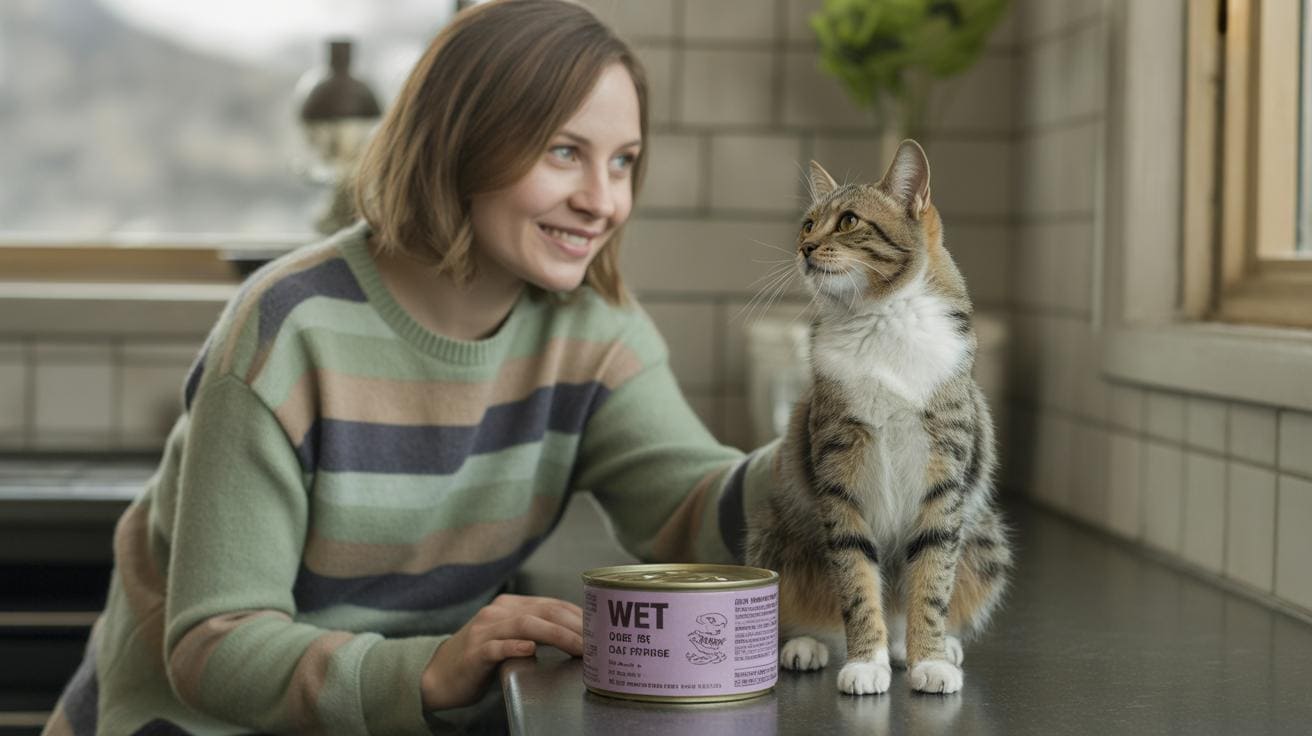
Wet food lists moisture near the top, so we compare products on a dry-matter (DM) basis. Dry-matter (DM) is what’s left after you remove the water from the food (think of the crunchy bits under the gravy). Read the guaranteed analysis for crude protein, crude fat, and moisture to get an apples-to-apples read across cans.
Higher protein often replaces carbs, but it can also raise calorie density. So don’t assume more protein means fewer calories. Check the ranked table for the exact calorie and protein numbers before you swap formulas. Ever watched your cat eat only the gravy and leave the rest? Yeah, labels can be sneaky.
Use this checklist when you read labels:
- Check guaranteed analysis: crude protein (total protein in the food), crude fat (total fat), and moisture (water percent used for DM math).
- Calories per can (see the ranked table for values) , calories tell you how energy dense the food is.
- Taurine presence (taurine, an essential amino acid for heart and eye health).
- Named animal proteins in the top ingredients (chicken, salmon, turkey vs vague "meat"). Named sources are more transparent.
- Type of carbohydrate sources (rice, potato, peas) , carbs affect calories and digestibility.
- Presence and type of thickeners or gums (guar gum, xanthan gum, locust bean gum , common thickeners that change texture).
- Added omega-3 and omega-6 sources (fish oil, a source of DHA/EPA; flax) , DHA and EPA are omega-3 fats that help brain and eye health.
- Prebiotics and probiotics and their form (prebiotics feed good bacteria; probiotics are live bacteria).
- Life-stage or veterinary claim (kitten, adult, senior, or prescription formula) , match this to your cat’s needs.
- Added sugars, excess sodium, or artificial colors and flavors , less is usually better.
Use the ranked table together with this checklist to match macronutrients to your cat’s life stage and health needs. Worth every paw-print.