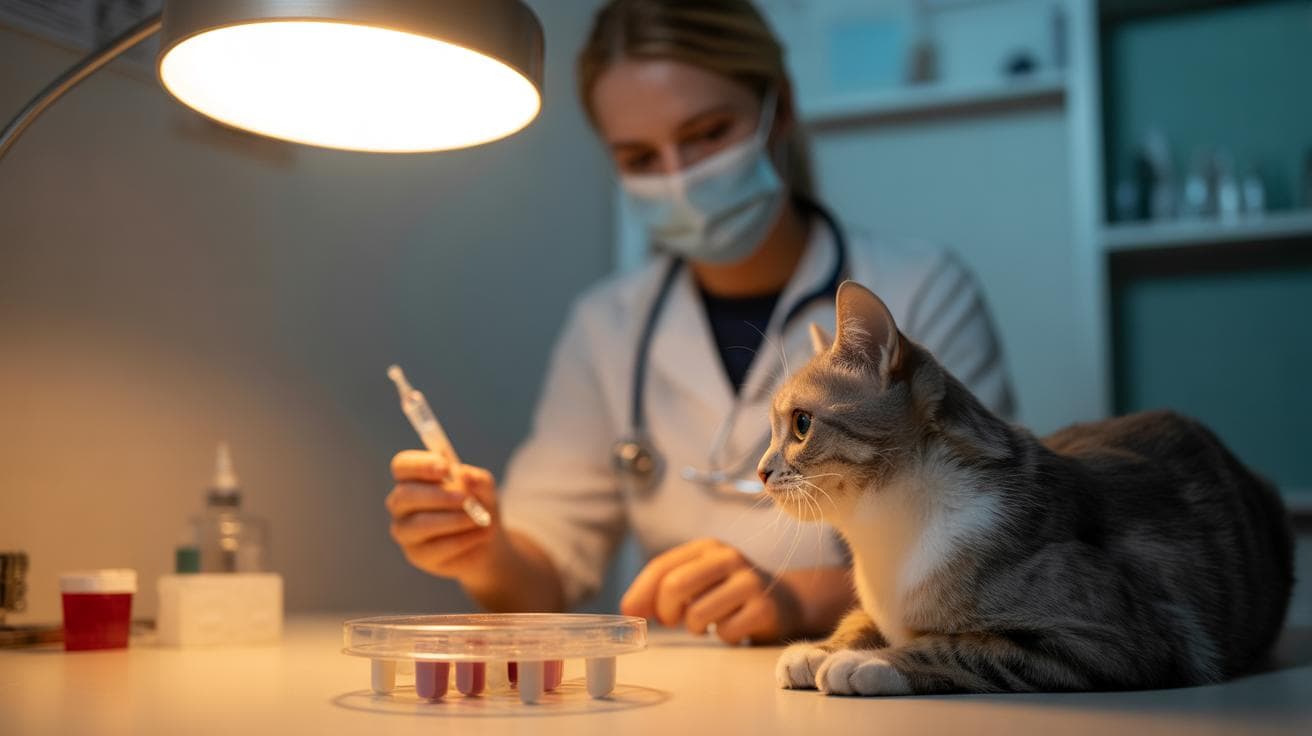
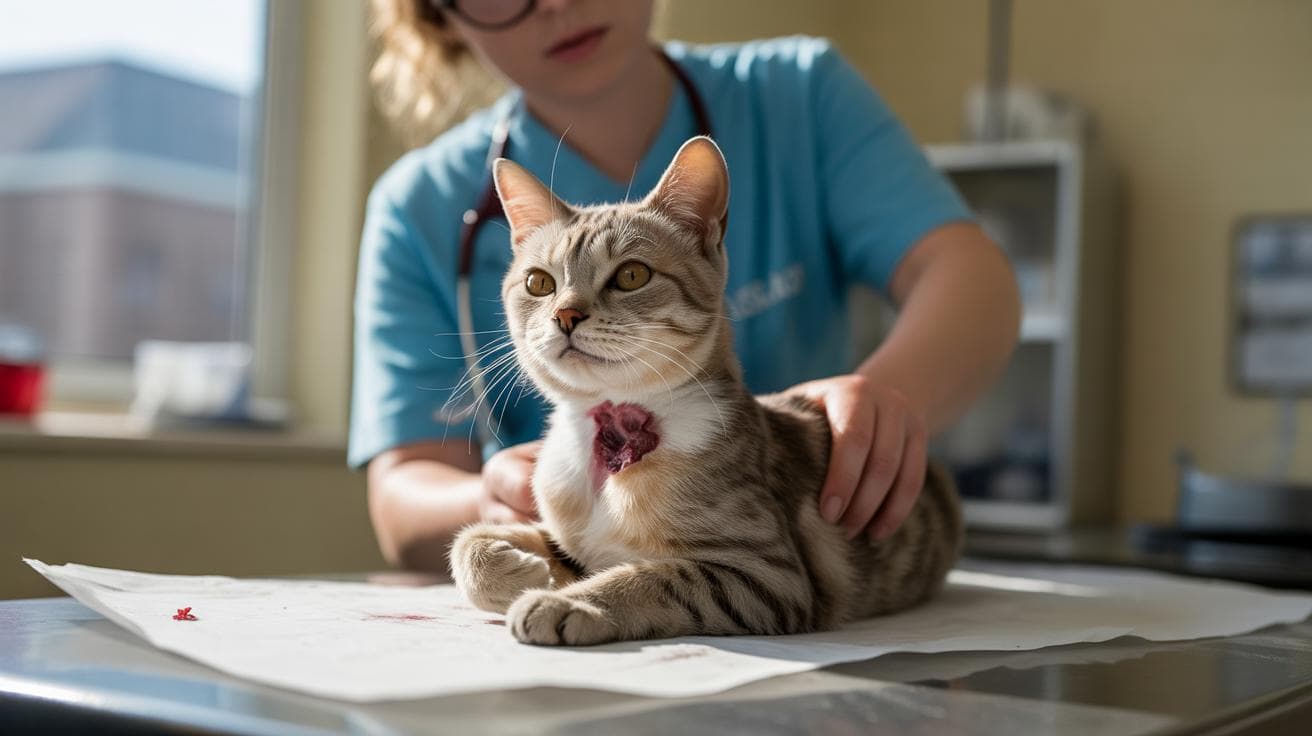
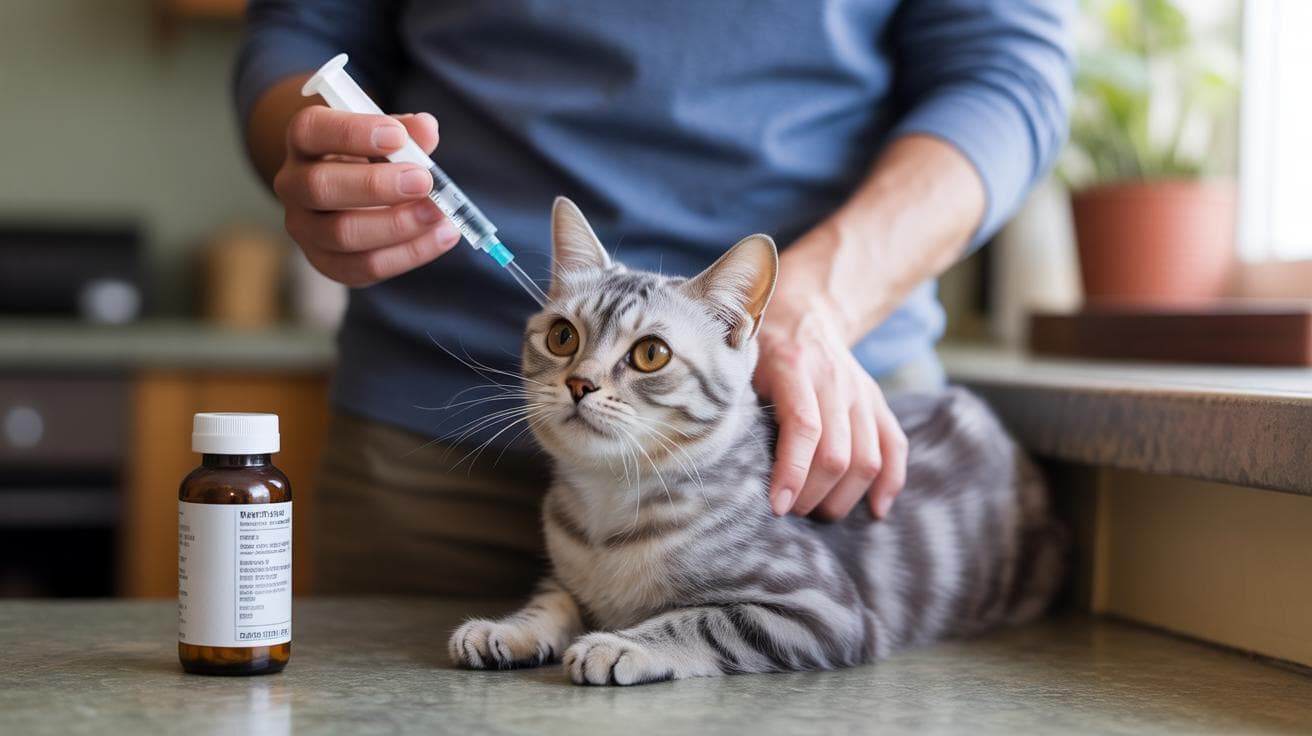
Think antibiotics cure FeLV (feline leukemia virus)? Not quite. FeLV is a virus, and antibiotics (drugs that kill or stop bacteria) only work on bacterial infections, not the virus itself. So giving antibiotics for FeLV without a clear bacterial problem is like trying to fix a cold with a hammer.
Vets do use antibiotics when a bacterial infection is present or strongly suspected. That includes signs like a persistent fever, purulent (pus-producing) discharge, infected wounds, urinary infections (bladder or urethra infections), or severe mouth inflammation. You might notice your cat acting sore, refusing food, or a wound oozing thick yellow stuff, those are the clues vets watch for. Ever watched your kitty tuck in and refuse dinner? That can be a red flag.
Common drug choices vary with the infection and the cat. Things you might hear are amoxicillin (a common antibiotic), doxycycline (often used for respiratory bacteria), or enrofloxacin (used for tougher cases). Vets usually pick based on tests like a culture (growing the bacteria to see which drug works) and sensitivity results, and on what’s safe for cats. Side effects can be routine, upset stomach, loose stools, less interest in food, or rarer, more serious reactions, so keep an eye on your pet.
Follow-up blood and urine checks matter a lot. Blood tests look at white blood cells and organ health (like kidneys and liver), while urine checks flag hidden bladder infections and kidney issues. These follow-ups tell your vet if the antibiotic is helping, if the infection is returning, or if the meds are stressing organs. Oops, let me rephrase that, they help you and your vet see the whole picture.
I’ve seen targeted antibiotics pull a very sick kitty back from the brink. One cat came in limp, feverish, and barely purring; after a culture and the right antibiotic, she was batting a toy the next week. Worth every paw-print.
Bottom line: antibiotics can save lives when a bacterial infection hits a FeLV-positive cat, but they don’t cure the virus itself. Ask your vet about testing, cultures, and the follow-up plan, those steps make all the difference.
Quick answer: When antibiotics are used in FeLV cats
Antibiotics do not cure the feline leukemia virus. See what is feline leukemia. Instead, we reach for antibiotics when FeLV knocks down a cat’s immune defenses and bacterial infections move in.
Think of antibiotics as targeted tools for confirmed or strongly suspected bacterial problems, not a fix for the virus itself. If you’re wondering when vets usually give antibiotics for FeLV cats, watch for these signs:
- Persistent fever.
- Purulent upper respiratory signs (purulent = producing pus, like gooey nasal discharge).
- Recurrent or symptomatic urinary signs / bacteriuria (bacteriuria = bacteria in the urine).
- Non-healing wounds or abscesses (abscess = a painful pocket of pus).
- Severe stomatitis (stomatitis = painful mouth inflammation) or signs of systemic infection / sepsis (sepsis = whole-body severe infection).
Common antibiotics you’ll hear about include amoxicillin-clavulanate (a broad oral antibiotic that helps stop bacterial growth), doxycycline (an antibiotic that blocks bacteria from making proteins), cefovecin, also called Convenia (a long-acting injectable antibiotic), clindamycin (often used for mouth and skin bugs), and sometimes fluoroquinolones like enrofloxacin (powerful drugs used cautiously because of resistance and side effects). Penicillin-combination drugs and cephalosporins work by stopping bacteria from building cell walls (so bacteria can’t survive). Doxycycline and clindamycin block bacterial protein production (so bacteria can’t make what they need).
Routine side effects are usually stomach upset. Less often, antibiotics can affect the liver or kidneys. Baseline and follow-up blood and urine checks are often recommended, so chat with your veterinarian about monitoring.
See Antibiotic options for the full drug table, see Dosing & Monitoring for follow-up timelines and lab checks, and see Risks/Stewardship for stewardship guidance.
Worth every paw-print when it keeps your kitty comfortable.
Antibiotic options for FeLV patients: single drug table, routes, and practical pros/cons
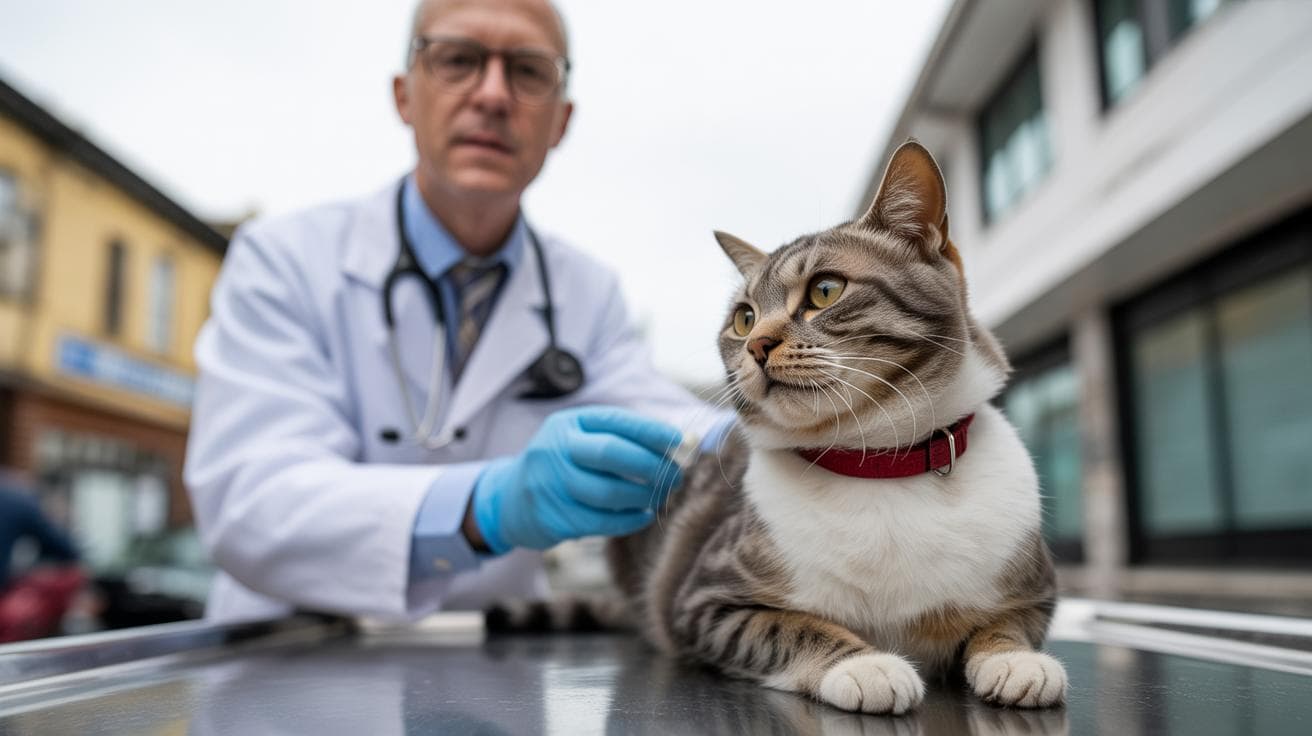
This is the spot to find the common antibiotic choices vets reach for when bacterial infections complicate feline leukemia. Think of the table below as the single-drug reference. Other sections in the article point back here. If you want a quick reminder of the signs that push your choice, see signs of feline leukemia in cats.
Oral antibiotics work well when a cat will take pills and the infection seems mild to moderate. They let you match drug class to the likely bug and to lab results later, but they depend on reliable home dosing. Not great for stressed, inappetent, or fractious patients.
| Antibiotic (class and example) | Typical Indications | Route | Key Clinical Notes |
|---|---|---|---|
| Penicillin – beta-lactamase inhibitor (amoxicillin-clavulanate; penicillin plus clavulanate to block some resistance) | Skin/abscess, urinary tract infection, many respiratory infections | PO (by mouth) | Good broad outpatient coverage. Needs reliable oral dosing. Adjust dose for renal disease when needed. |
| Tetracycline (doxycycline; broad-spectrum protein synthesis blocker) | Upper respiratory infections, atypical organisms, some tick-borne concerns | PO (by mouth) | Useful for respiratory pathogens. Give with water or food to avoid esophageal injury. |
| Long-acting cephalosporin (cefovecin, Convenia; extended-release cephalosporin) | Skin/abscess, UTI when oral dosing is impossible | SC/IM (subcutaneous or intramuscular) | Great for compliance problems. Once given, it stays in the body for days to weeks, so you can’t stop it quickly if side effects occur. Not a substitute for targeted therapy. |
| Lincosamide (clindamycin; targets anaerobes and many gram-positives) | Dental/anaerobic infections, skin | PO (by mouth) | Favored for dental work and anaerobic infections. Can cause GI upset in some cats. |
| Macrolide (azithromycin; intracellular-penetrating antibiotic) | Respiratory infections, intracellular pathogens | PO (by mouth) | Useful for atypical and intracellular organisms. Best reserved for suspected cases. |
| Fluoroquinolone (enrofloxacin; strong gram-negative coverage) | Severe UTI, resistant gram-negative infections, some pneumonias | PO (by mouth) | Powerful option. Use with caution because of resistance concerns and species or dose-related risks. Consult a clinician for high-risk cases. |
Injectable, long-acting agents solve the compliance problem and keep a cat on therapy when pills aren’t possible. But remember, they lock in exposure for days to weeks and can make managing side effects harder. Fluoroquinolones can tackle tough bugs, yet vets weigh that benefit against possible toxicity and promoting resistance.
Culture and sensitivity testing belongs in recurrent, severe, or nonresponsive infections. If you can, collect samples before starting antibiotics so you can switch from empiric therapy to a targeted choice when results come back. Want to avoid surprises? Get that culture first, if possible.
When to start antibiotics in FeLV cats: objective triggers, diagnostics and red flags for hospitalization
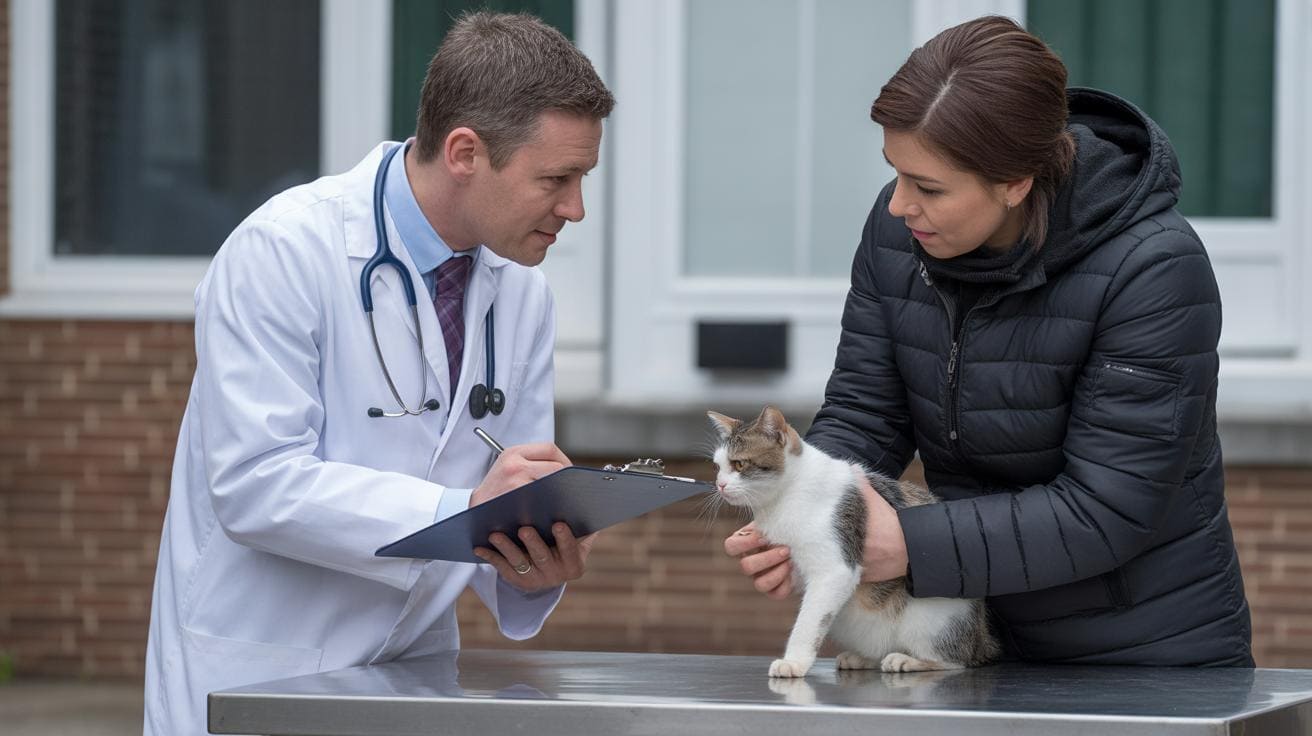
Start antibiotics only when you have clear signs of a bacterial infection or a strong clinical suspicion. FeLV is a virus, so antibiotics won’t touch the virus itself. Think of antibiotics as the tool for bacterial invaders, not the viral problem. If you’re wondering, yes, it’s okay to be cautious , we don’t want to overuse meds.
Common reasons to treat as an outpatient include persistent fever, thick pus-y nasal or eye discharge, bacteriuria (bacteria in the urine), obvious urinary symptoms, wounds or abscesses that won’t heal, severe stomatitis (painful mouth inflammation), and breathing trouble or other signs that suggest a body-wide bacterial infection. These are the situations where antibiotics often help. Toss in a fever and a nasty wound, and you’ve got a good case for starting therapy.
Initial office tests usually include a CBC (complete blood count, checks white and red blood cells) and a chemistry panel (checks kidney and liver numbers) to get a baseline. Do a urinalysis and, when appropriate, collect targeted samples – urine, wound swabs, or respiratory samples – so we can be smart about treatment. These tests help pick safe drugs and flag cats that might need more than just oral meds.
Hospitalize when the cat needs IV care and close monitoring. Ho-hum illnesses can be handled at home. But not if you see neutropenia (low neutrophils – neutrophils are white blood cells that fight bacteria) with signs of toxemia, very fast or labored breathing (tachypnea, or low oxygen – hypoxia), low blood pressure or poor blood flow, profound weakness or collapse, or anything that looks like sepsis (a dangerous, body-wide infection response). Those cats often need IV antibiotics, oxygen, fluids, and constant reassessment. Not the time for a cat nap.
Diagnostic tests to guide antibiotic decisions
Run a CBC to check for neutropenia versus leukocytosis (high white blood cells), and get a chemistry panel to know kidney and liver baselines before you plan longer antibiotic courses. These labs guide drug choice and dosage, and they tell you when a patient might need hospital-level care.
Collect urine by cystocentesis (needle sample from the bladder) for urinalysis and culture when you suspect a UTI. Submit wound or abscess samples for culture before giving antibiotics when you can. For febrile, systemically ill cats, consider blood culture (a test that tries to grow bacteria from the blood) before starting IV antibiotics so you can target therapy later. Respiratory PCR panels (tests that look for viral or bacterial genetic material) help separate viral causes from likely bacterial ones. Try to take diagnostic samples before antibiotics for the best chance at a clear result.
Indicators for immediate therapy and hospitalization
Objective red flags that should prompt immediate IV therapy and inpatient care include:
- Fever plus neutropenia or toxic-looking neutrophils on CBC.
- Severe breathing trouble or low blood oxygen.
- Low blood pressure, very poor perfusion, or severe dehydration.
- Fast heart rate with fever and slow capillary refill – think sepsis (a dangerous body-wide reaction to infection).
- Any sudden, rapid decline that risks organ failure.
When you can, get blood cultures before IV antibiotics to improve the chance of finding the culprit and tailoring treatment later. Quick action and the right samples make a big difference.
Dosing, duration and monitoring of antibiotic therapy in FeLV cats
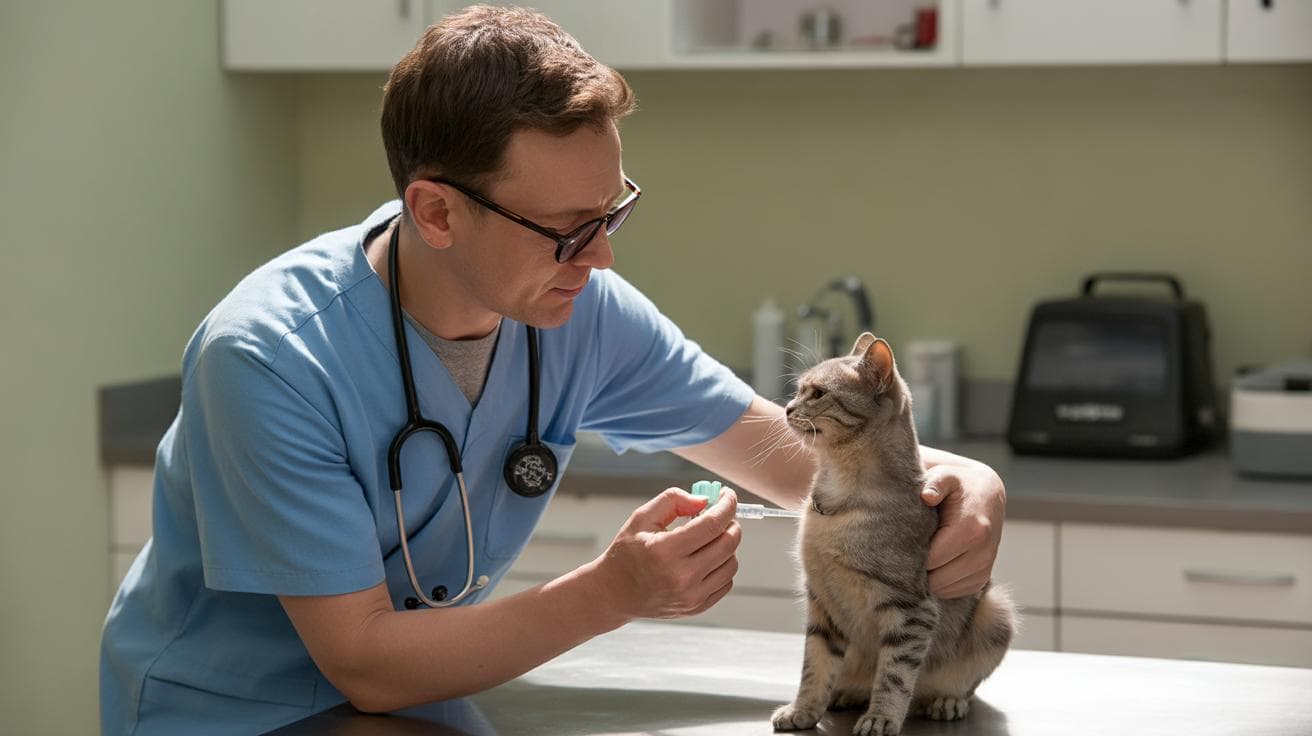
Dosing and how long you treat are set for each cat. FeLV (feline leukemia virus) positive cats often need longer or more closely watched antibiotic plans because their immune system can be weaker and infections may hang on. Use the Antibiotic options table as the single drug reference; the exact mg/kg dose is a clinician decision and should be written into the treatment plan by the prescribing veterinarian. Think of your vet as the dose-writer, not the internet.
For how long to treat, use broad frameworks instead of strict day counts. Mild, simple skin or urinary problems usually get better in about 7-14 days. Deeper infections, bone involvement, or abscesses that do not drain well often need several weeks of antibiotics, commonly 3-6 weeks, and sometimes surgery. Recheck acute or severe cases at 48-72 hours to see if breathing, fever, or appetite are improving. Check again when the course ends and plan follow-up based on how the cat is doing.
Baseline and follow-up lab monitoring matters. Get a CBC (complete blood count) and a chemistry panel (blood tests that check liver and kidneys) before starting therapy in at-risk patients. Repeat CBC, ALT/AST (liver enzymes) and BUN/creatinine (kidney markers) if the chosen drug carries liver or kidney risk or if the cat’s signs change. For higher-risk drugs a first lab recheck at about 5-7 days is common, then again at the end of the course or as needed. And yes, that 48-72 hour clinical check for severe infections is essential.
Adjust doses for kittens, seniors, or cats with renal (kidney) or hepatic (liver) dysfunction, and document any changes in the record. Clinicians may lower doses, lengthen dosing intervals, or pick a safer drug class based on age and organ function. Red flags that need an immediate recheck are worsening signs, inappetence for more than 48 hours, jaundice, or severe vomiting or diarrhea – call your vet right away. Worth every paw-print to catch problems early.