
Notice your cat ignoring the water bowl until it’s almost dry? We’ve all been there. Dehydration (not enough water) can spark bladder trouble in up to 60 percent of indoor cats. Oops, that sounds scary, but here’s some good news.
Vets always give a paws-up to wet meals, and ever watched your kitty chase a gravy spoon? It’s like slipping a drink into every bite. A spoonful of gravy or soft pate (ground meat in a spread) hydrates your kitty. With at least 26 percent protein (the muscle-building stuff), it helps keep those lean muscles strong.
Our top wet food recipes are backed by AAFCO (Association of American Feed Control Officials) and WSAVA (World Small Animal Veterinary Association) standards. They deliver cozy energy, a bit of fiber (for smoother digestion), and that mouthwatering flavor cats go wild for. Worth every paw-print. Pick from kitten-friendly to adult formulas – purrfect health is just a bowl away.
Top Veterinarian-Recommended Wet Cat Food Options
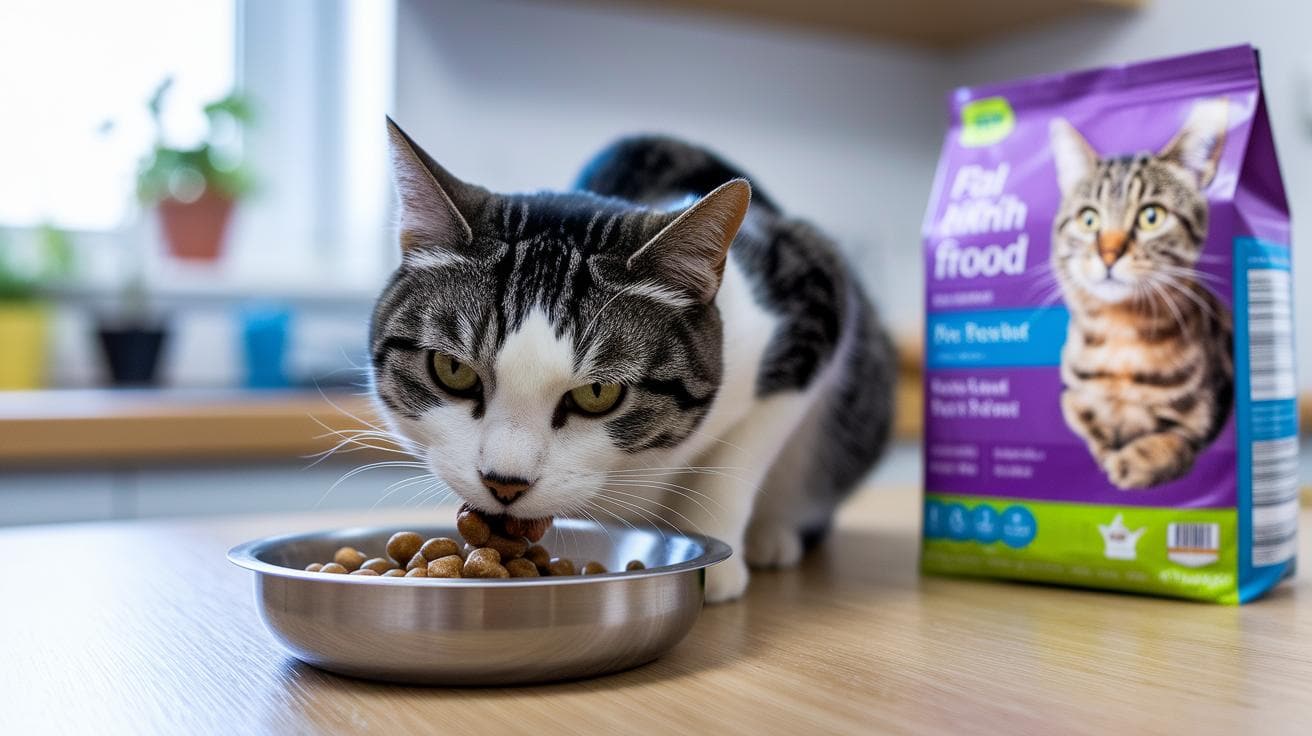
Looking for wet cat food that’s vet-approved and makes mealtime exciting? These six picks come from lines backed by AAFCO (pet-food experts) and WSAVA (global vet association), so you know they tick all the nutrition boxes. Ever watched your cat’s whiskers twitch when they dive into a gravy bath? Your kitty will be feline fine at every bite.
- Wellness Gravies Salmon Entrée: 50.1% protein (muscle-builder), 36.2% fat (energy boost), 0.3% fiber (good for smooth digestion), and 101 calories per 3-oz can.
- Natural Balance Chicken & Liver: 48% protein, 18% fat, 9% fiber (helps with hairball control), and 90 calories per 3-oz can.
- Hill’s Science Diet Adult 7+ Savory Chicken: 39% protein, 24% fat, 3% fiber, and 90 calories per 2.9-oz can, made for our seasoned seniors.
- Purina Pro Plan Hairball Salmon: 45.7% protein, 30.3% fat, 9.5% fiber, and 84 calories per 3-oz can to help whisk away hairballs.
- Royal Canin Digestive Care Thin Slices: easy-to-digest slices with pumpkin fiber (pumpkin helps gut health) and 70–75 calories per 3-oz can.
- Iams Perfect Portions Healthy Kitten Chicken: 30% protein, 9% fat, DHA-enriched (good for brain and eye growth), and 100 calories per 3-oz pack, just right for growing fluffballs.
Each recipe starts with real meat and zero guesswork. Oops, vets love these meals. They hit the right protein and fat for growing or adult cats, support healthy tummies with extra fiber, and keep carbs low. And the texture mix, from silky gravies to tender slices, keeps even the pickiest feline purring.
Worth every paw-print.
Nutritional Criteria for Vet Recommended Wet Cat Food Formulas

Our vet-approved wet foods deliver at least 26% protein and 9% fat. For kittens, it even jumps to 30% protein to power all those playful pounces! Picture your kitty’s muscles flexing with each leap.
They’re packed with 75–78% moisture (that’s the water goodies that keep your cat hydrated). And carbs? They stay under 10% on a dry-matter basis (we remove the water first to see the real nutrient percentages, so you know exactly what your cat gets).
Ever noticed your cat’s whiskers twitch at dinner time? Uh, each formula also meets every AAFCO (Association of American Feed Control Officials) and WSAVA (World Small Animal Veterinary Association) standard for complete, balanced nutrition. Worth every whisker twist.
Wet Cat Food for Life Stages and Health Conditions

Hey there, cat lover, every furry friend needs a meal plan made just for them. Kittens need high protein and DHA (a nutrient that helps brain and eye growth). Indoor cats do best with low fat and extra fiber to keep things moving. Seniors often need glucosamine (joint helper) and chondroitin (joint supporter) to stay springy.
If you have a growing fluffball, check out best wet cat food for kittens. It delivers at least 30% protein and DHA to help with growth. Ever watched your kitten’s whiskers twitch at the bowl?
Indoor kitties benefit from low fat, fiber rich dishes that help control hairballs and keep them trim. Seniors often shine with recipes full of glucosamine (joint helper) and chondroitin (joint supporter) so they can stay playful. Weight loss meals pack fiber to fill tummies but cut calories.
Urinary care stews help balance pH and reduce stones. Sensitive tummies relax with pumpkin fiber (digestion buddy) in simple pates. Kidney friendly options boost hydration and ease the load on those little filters.
| Category | Product | Key Features |
|---|---|---|
| Kitten | Iams Perfect Portions Healthy Kitten Chicken | ≥30% protein; DHA (brain booster) |
| Adult Indoor | Purina One Indoor + Hairball Ocean Whitefish & Rice | Low fat; added fiber for hairball control |
| Senior | Hill’s Science Diet Adult 7+ Savory Chicken | Glucosamine (joint helper); chondroitin (joint supporter) |
| Weight Loss | Hill’s Prescription Diet Metabolic Weight Management Chicken Flavor | 136 kcal per 5.5 oz; high fiber for fullness |
| Urinary Care | Hill’s c/d Multicare with Ocean Fish | pH balance and stone control; 178 kcal per 5.5 oz |
| Sensitive Stomach | Royal Canin Digestive Care Thin Slices in Gravy | Limited ingredients; pumpkin fiber (digestion buddy) |
Each of these wet meals follows vet approved standards. They start with real animal protein, pack plenty of moisture to keep your cat hydrated, and deliver the right nutrients for each life stage or health need. Just swap meals as your cat grows or their health changes and you’re all set. Isn’t it nice when a dish just works? Purrfect.
Feeding and Transition Plans for Vet Recommended Wet Cat Food

A steady meal routine stops hunger-driven mischief and helps your kitty feel safe. For adult cats, shoot for about 200 kcal (kilocalories, energy units) a day, split into two meals. Kittens need three to four meals daily to power all that playful zooming. Try to feed at the same times every day so your whiskered buddy learns the routine and meows with excitement.
- Feed frequency: kittens 3–4 times a day, adults twice a day to reach around 200 kcal.
- Portion control: check the can’s calorie label to serve just the right amount.
- Wet-and-dry mix: subtract your kibble (dry food) calories before adding wet food, no overfeeding here.
- Brand and texture rotation: swap recipes every 2–3 weeks to keep flavors new and avoid boredom.
- Bowl and leftovers tips: stir the food, use a wide, shallow dish, stash extras in the fridge, and toss any uneaten bits after 48 hours.
Ever watched your cat sniff suspiciously at a new dish? Transition in 7–10 days so it’s smooth:
- Day 1–3: mix 25 percent new food with 75 percent old.
- Day 4–6: blend half new, half old.
- Day 7–9: mix 75 percent new with 25 percent old.
- Day 10: full switch to the new wet food.
Easy does it. Gentle shifts make mealtime a breeze.
Worth every paw-print.


