Ever watched your Maine Coon freeze mid-leap onto a feather toy? Their ears flatten, whiskers tense, and you’re left wondering if they’ll land. These gentle giants can hide hip dysplasia (when a hip joint doesn’t form right), thickened heart walls (when the heart muscle grows too thick), and wobbly nerves (shaky signals that make paws tremble) longer than you’d guess.
Spying a limp step, a heart racing under that fluffy chest, or a sudden stall before a jump? I once freaked out when Luna did that – she just missed her mark, but it got me looking closer. Those are your clues, um, you know. Really.
In this guide you’ll learn the top health hurdles Maine Coons face at each age – from playful kitten zoomies to wise senior strolls – plus simple tips to keep your big fluff-ball thriving. Ever tried gentle joint stretches or a quick heart-massage check? Those tiny moves can earn you happy purrs.
Next we’ll break down age-by-age care so your feline friend keeps purring through every life chapter. Worth every paw-print.
Overview of Maine Coon Health Issues
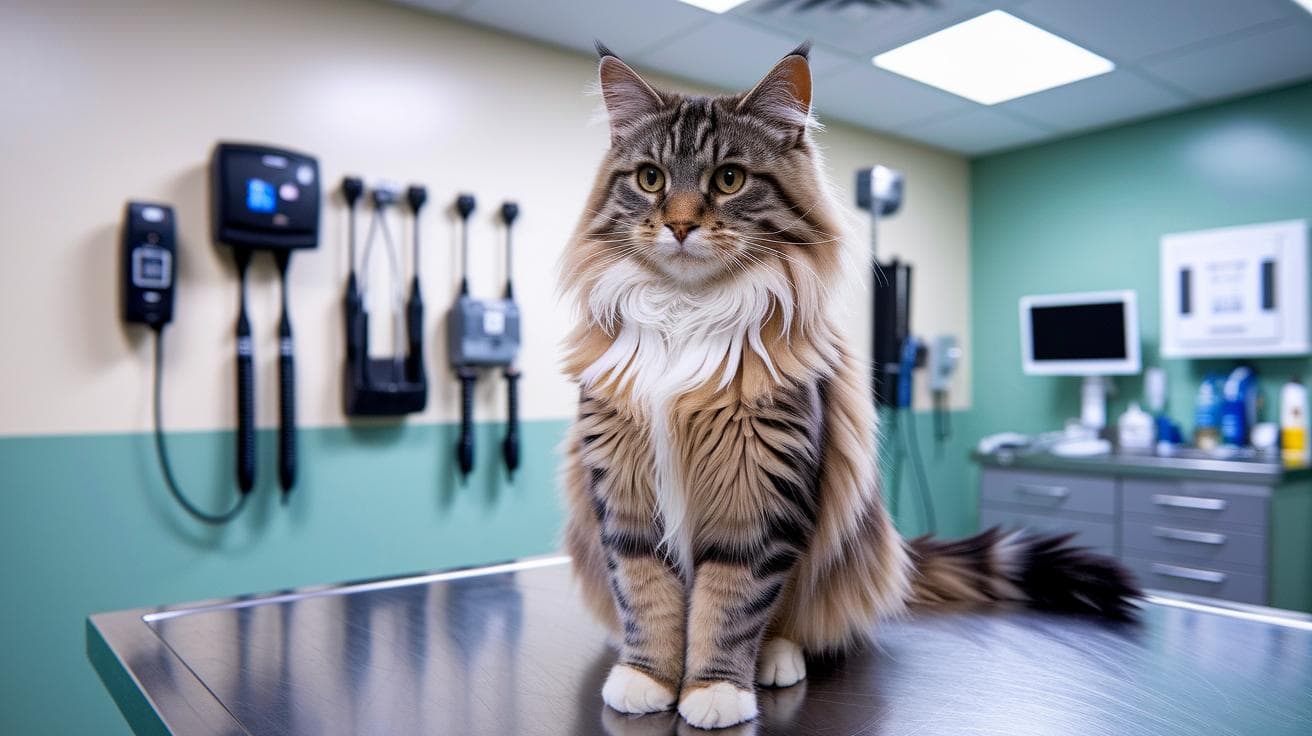
Maine Coon cats are the gentle giants of the cat world. They grow slowly into a big frame, think 8 to 18 pounds of fluffy muscle, and you might spot their whiskers twitching as they learn to roam. It’s smart to keep an eye on their weight because extra pounds can sneak up before you know it! These fluff balls often live 12 to 15 years, so starting healthy habits early sets the stage for a long, happy life.
Several hereditary conditions tend to show up at predictable ages. Hip dysplasia (a joint problem) can appear as early as three months, and hypertrophic cardiomyopathy (thickened heart walls) often pops up between three and nine years. Spinal muscular atrophy (nerve-muscle weakness) usually makes itself known at three to four months, while polycystic kidney disease (fluid-filled sacs in the kidneys) often shows signs around eight to eleven years. And remember, obesity and dental disease can sneak in at any age.
| Condition | Age of Onset | Key Symptoms | Diagnostic Method |
|---|---|---|---|
| Hip Dysplasia | 3 mo–5 yrs | Waddling walk, reluctance to jump | Physical exam, radiographs (X-rays) |
| Hypertrophic Cardiomyopathy (HCM) | 3–9 yrs | Labored breathing, fast heartbeat | Cardiac ultrasound (heart scan) |
| Spinal Muscular Atrophy (SMA) | 3–4 mo | Hind-leg weakness, tremors | Genetic test (DNA check) |
| Polycystic Kidney Disease (PKD) | 8–11 yrs | Weight loss, blood in urine | Ultrasound, DNA test |
| Obesity | Any age | Excess weight, low activity | Body condition scoring (vet check) |
| Dental Disease | Any age | Bad breath, drooling | Oral exam, dental X-rays |
Even if your Maine Coon seems purr-fectly healthy, lifestyle issues like overeating or a carb-heavy diet can tip the scale. Plaque buildup on teeth can lead to gingivitis (gum inflammation) or worse. Spot changes in eating, weight, or breath early. Then team up with your vet to keep your big fluff ball feline fine for years to come.
Hypertrophic Cardiomyopathy in Maine Coon Cats
Hypertrophic cardiomyopathy is a mouthful. It means thick heart walls that make your Maine Coon’s heart stiff (ventricles are the main pumping chambers). Without enough flex, the heart can’t push blood as well. Ever caught your fluff ball breathing hard after a quick dash? That’s not normal for cats.
Look out for open-mouth panting, a racing pulse, or sudden hind-leg wobble (from clots called thromboembolism, blood clumps that block flow). Those are hints you should call your vet right away.
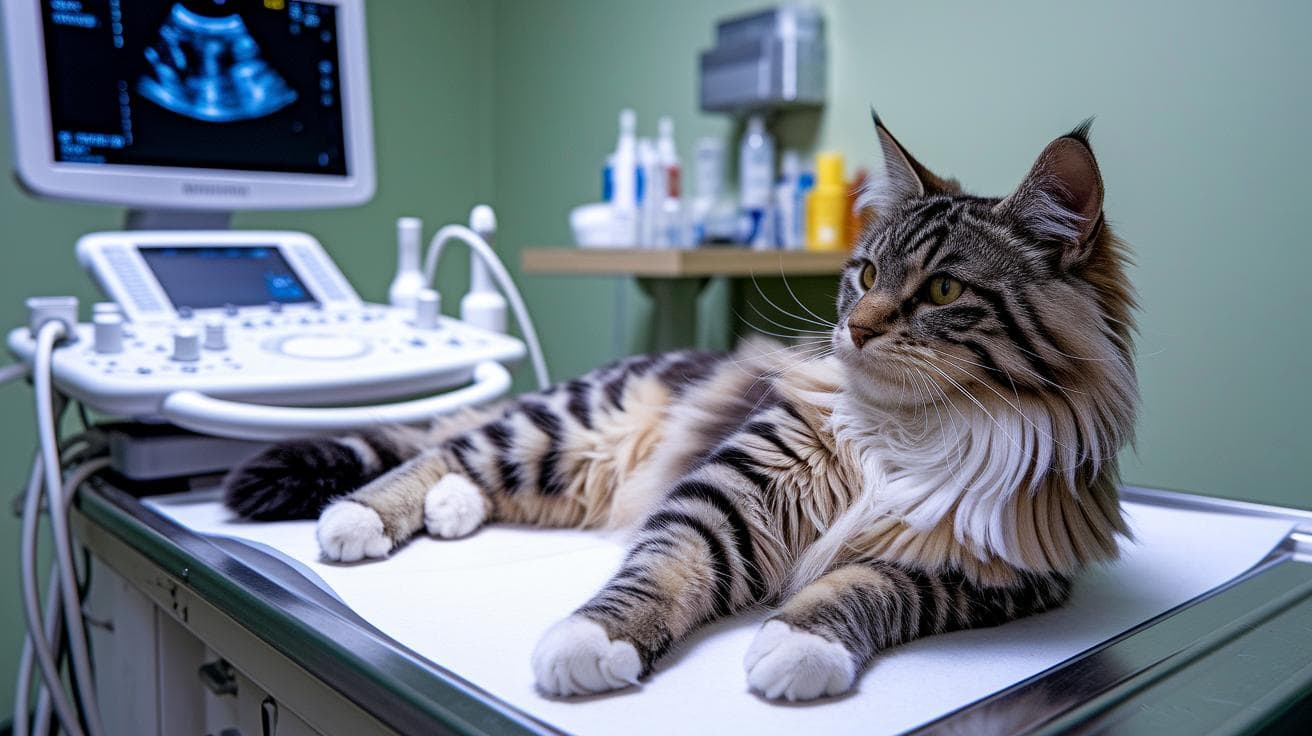
To catch it early, plan hereditary heart disease screenings and a cardiac ultrasound (a sound-wave scan) every year starting at age six. Think of it like giving your big fur buddy a heart MRI. The vet measures wall thickness and spots trouble before you see clear signs.
Treatment is part pill, part food plan. Vets often use beta-blockers (drugs that slow a fast heartbeat) or ACE inhibitors (meds that ease pressure in the heart). And the diet shift? Low-sodium wet food packed with protein, plus taurine (an amino acid that helps the heart) and omega-3 and omega-6 fatty acids for smooth muscle function.
It feels so good to know you can slow the march of time on your kitty’s ticker. And then watch those gentle paws keep pouncing like nothing’s changed. Worth every paw-print.
Hip Dysplasia Risks and Management for Maine Coon Cats
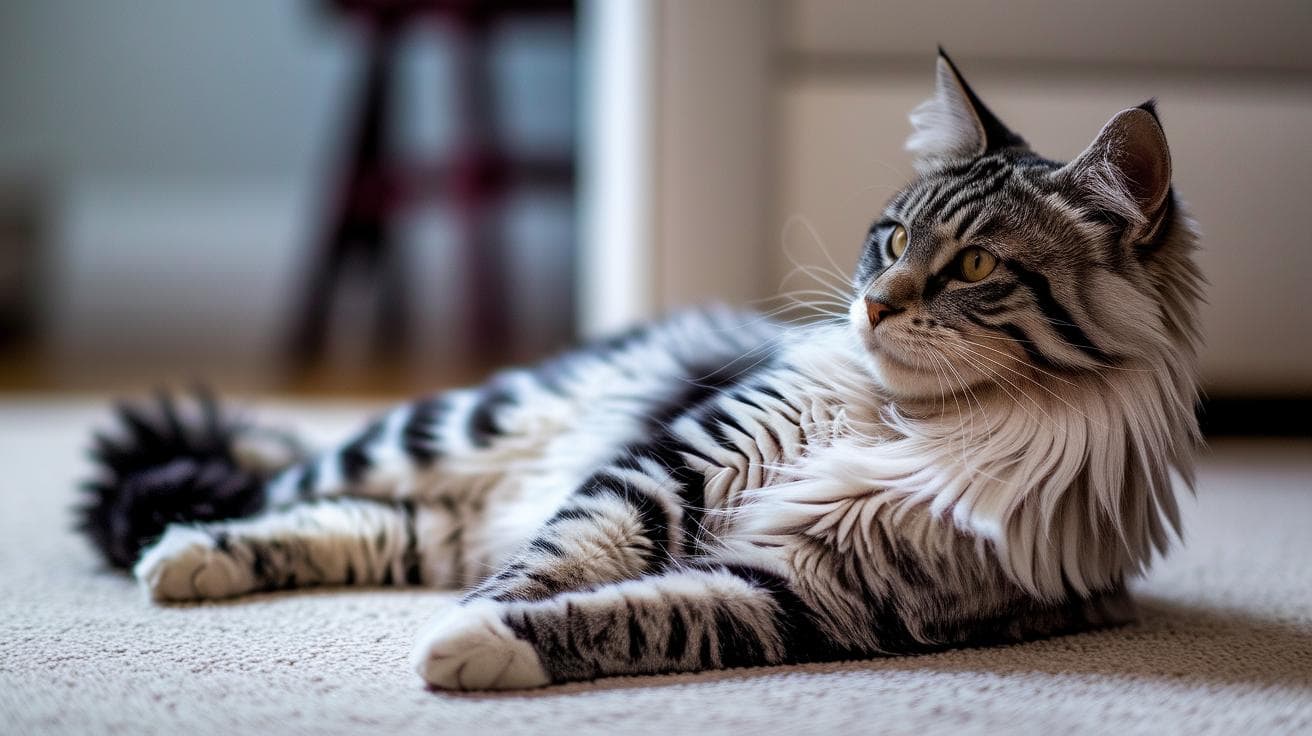
You know those big, broad hips on your Maine Coon? They can hide hip dysplasia. That’s when the ball-and-socket joint (where the round end of the thigh bone fits into the hip socket) shifts out of place. If your kitty carries a few extra pounds, that joint can slip and cause pain. Then you’ll see stiff steps or slow walks.
Ever seen your cat circle one paw or give their hip a little nibble? That’s a telltale sign. You might spot them licking the side of their hip, or they may hesitate to leap up on the couch. Sometimes they even waddle or sway a bit, almost like a gentle dance across the floor.
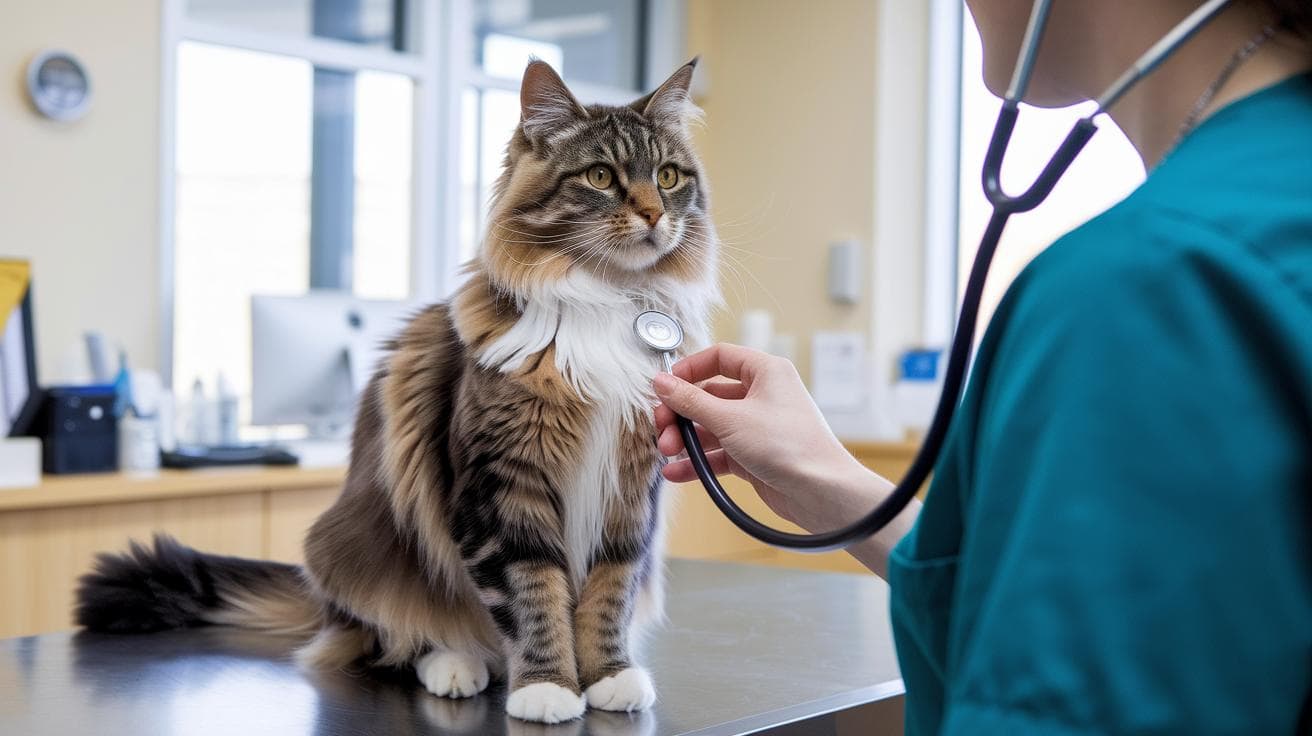
Your vet will feel those hips in a hands-on exam and may take radiographs (X-rays of bones) to peek at the joint alignment. Catching it early can stop arthritis (joint wear and tear) before it really sets in.
Relief usually begins with pain meds called NSAIDs (anti-inflammatory pills). And joint supplements like glucosamine (a natural building block for cartilage) help rebuild tissue. Um, keeping your fluff ball at a lean weight takes extra stress off the hips.
Next, give your kitty easier ways to jump and climb. A ramp or low step stool can make couch time less of a chore. You can even try a harness (soft support gear) for short guided walks. Toss in a few extra play sessions, like a slow roll of a soft ball, and you’ve got gentle exercise that soothes creaky joints.
I once watched my cat Luna wobble before she pounced. After adding a ramp, daily joint supplements, and a feather teaser chase, she was zooming around again. Worth every paw-print.
Spinal Muscular Atrophy in Maine Coon Cats
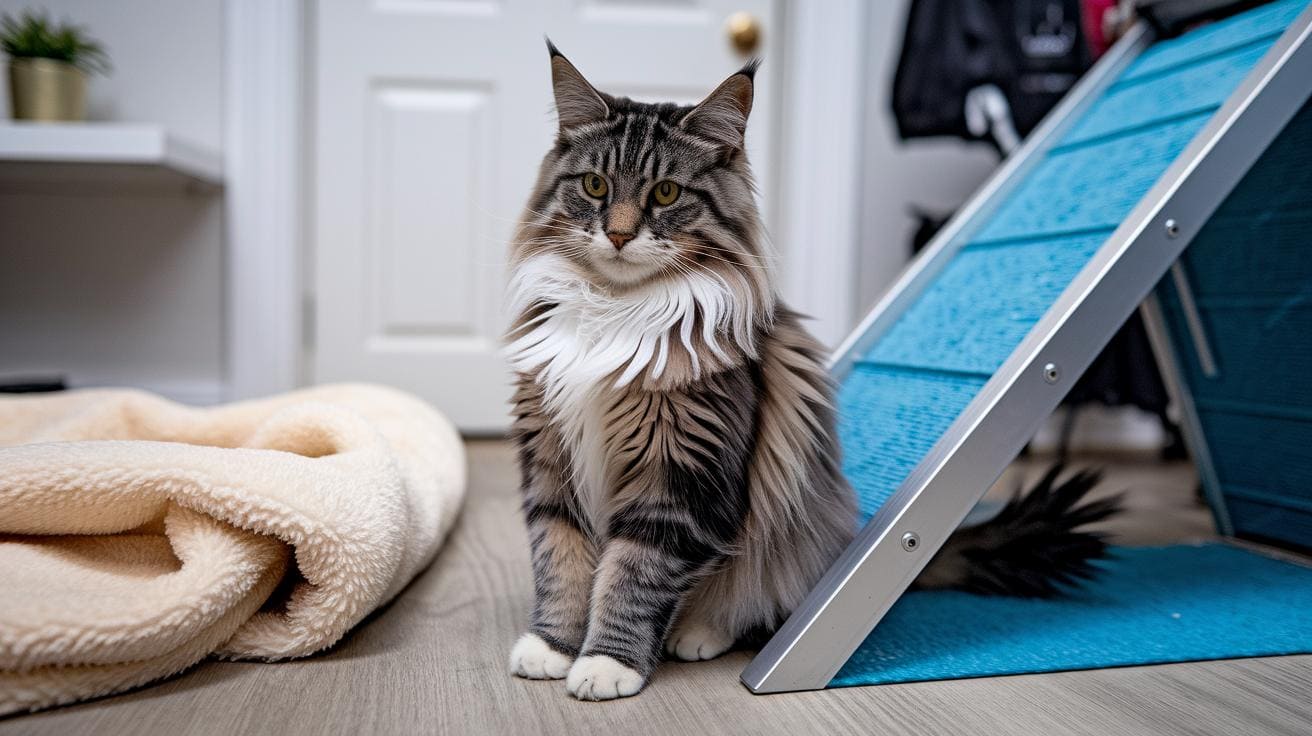
Spinal muscular atrophy is a genetic condition in Maine Coon kittens. It’s autosomal recessive (your cat needs the faulty gene from both mom and dad). That means their spinal motor neurons (the nerve cells that tell muscles to move) start to die off around three to four months old. Ever catch your fur ball wobbling like a baby finding its feet? Those shaky back legs and tiny tremors are your first clues.
A simple DNA genetic marker panel can show if your kitty carries the gene or has SMA already. That early warning is paw-some. You’ll know right away when to start making home changes. Um, trust me, it helps everyone feel more at ease.
Next, roll out ramps and lay down non-slip carpet mats instead of slick tile. Slide bowls closer to the ground so your cat doesn’t overreach. Lower tall steps and carve out cozy nooks bathed in soft light. Then grab a feather wand or plush ball for a short, gentle chase on a cushy rug. Listen to that satisfying thud when they bat the toy.
With these tweaks, you’ll see more confident strides and fewer shakes. It’s claw-tastic to watch your kitty strut around without wobbles. Worth every paw-print.
Polycystic Kidney Disease in Maine Coon Cats
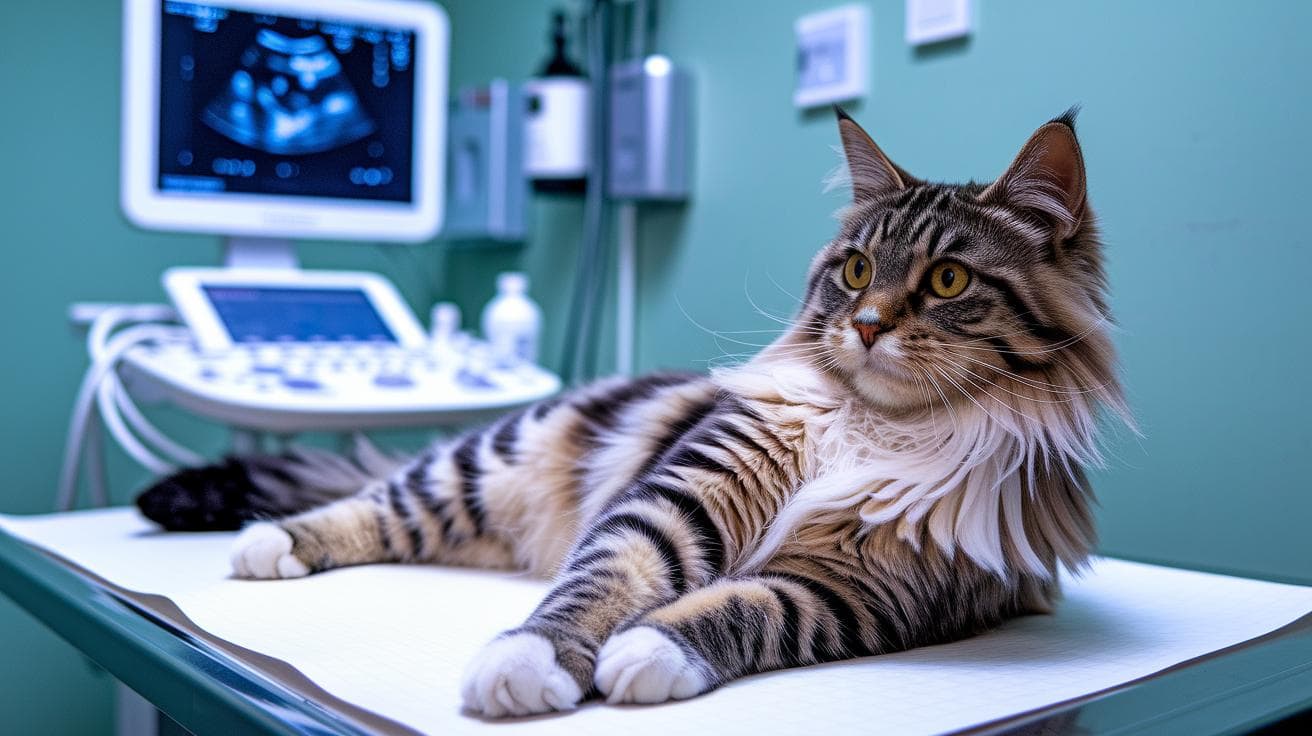
Fluid-filled cysts (little sacs full of liquid) start to grow in your Maine Coon’s kidneys and squish healthy tissue until filtering blood becomes a real chore. Ever seen your cat slow down at mealtime? Between eight and eleven years old, you might notice weight loss, a snoozy appetite, or even a hint of blood in the litter box. Catching these signs early can make all the difference.
For a diagnosis, your vet will check DNA for the faulty PKD gene and do an ultrasound (a sound wave picture) to spot those cysts. They’ll also run blood tests and a urinalysis (pee test) to watch kidney function, look for anemia, and track waste levels. Early tests give you a head start on gentle care and help slow any damage.
Managing PKD is all about feeding smart and keeping your kitty well hydrated. A low-sodium (low salt) diet eases the kidneys’ workload, and you can even whip up homemade cat food for cats with kidney disease to tweak protein and moisture levels. Offer fresh water bowls and think about subcutaneous fluids (fluids you give just under the skin) at home for extra support. Add vet-approved blood pressure meds and you’ll help your big fluff ball stay comfy for every soft purr and playful leap.
Worth every paw-print.
Obesity and Nutritional Health in Maine Coon Cats
Your Maine Coon’s big fluffy frame can hide sneaky pounds. Once those furballs tip past 18 pounds, they risk insulin resistance (when the body stops using insulin right), diabetes (when blood sugar stays too high), and extra stress on growing joints (where bones meet). Ever catch your kitty doing a food-bowl raid or splashing at the water dish like it’s a pool party? Those are red flags – time to tackle that weight.
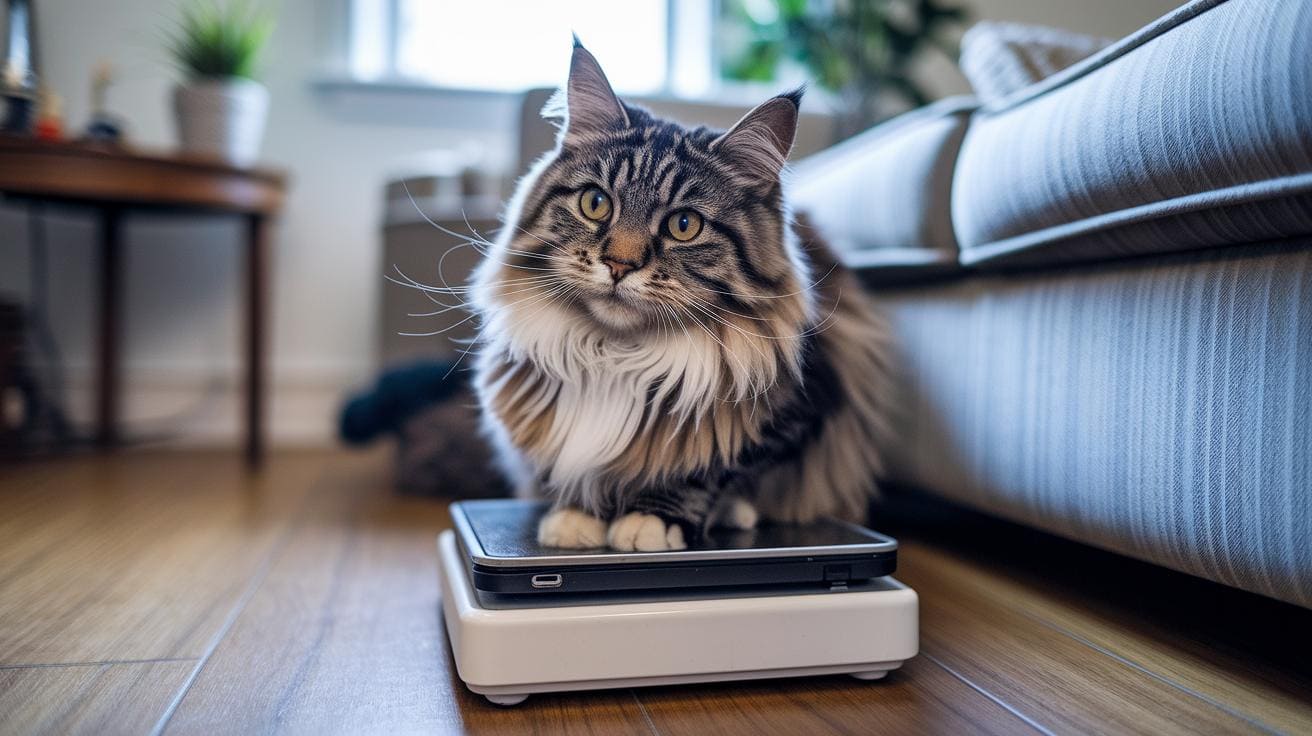
Tracking your cat’s weight is simpler than you might think. Step on the same bathroom scale each week and jot down the number. Ask your vet for a calorie-goal estimate, then swap free-feeding for timed, pre-measured meals. Think meal prep – but for your cat.
A balanced feeding plan keeps your gentle giant purring. Lean protein meals, like chicken or turkey, build muscle without extra carbs (energy bits). Wet food with at least 70 percent moisture helps curb overeating.
You’ll even hear that satisfying slurp when your cat laps up the broth. And hey, don’t forget playtime calories – a quick wand chase before dinner doubles as exercise and entertainment.
Keep up with daily weigh-ins and mindful feeding. Before you know it, your Maine Coon will be light on their paws and ready for every playful pounce. Worth every paw-print.
Dental Disease Prevention for Maine Coon Cats
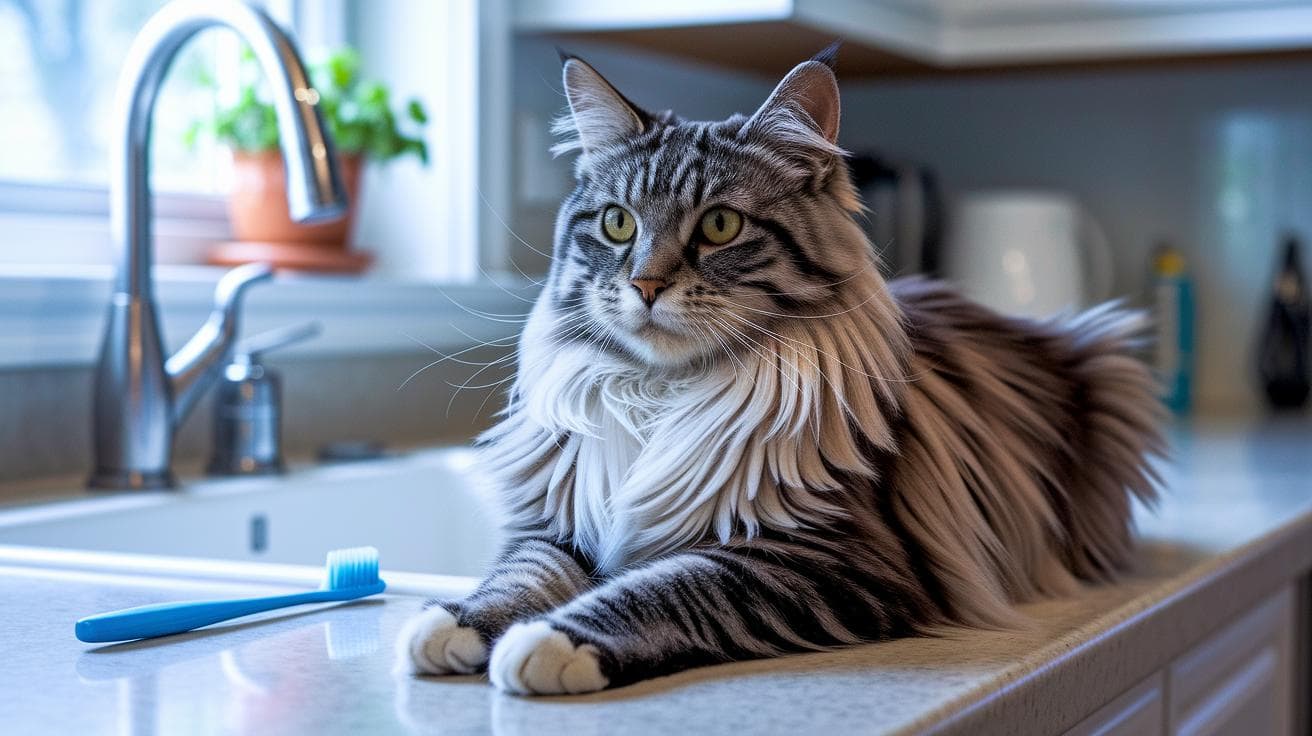
Ever noticed that sticky film on your cat’s teeth? That’s plaque crashing in for a bacteria bash. Let plaque hang out too long and you get gingivitis (gum inflammation) or periodontitis (deep gum infection). You’ll know when something’s off: stinky breath (halitosis), random drooling, or a pause before crunching kibble.
Grab a soft-bristled brush (like a tiny paintbrush) and give those fluffy chompers a scrub two to four times a week. It feels odd at first, but most kitties get the hang of it! And food matters, go protein-first. A diet without sugars or fake additives cuts plaque like crazy. Think lean chicken or turkey treats instead of carb-heavy snacks.
Sometimes the plaque party wins. Your vet might suggest pulling a tooth. Oops. That means bleeding (tiny blood vessels in gums), infection risk, and tricky anesthesia (Maine Coons have sensitive airways). No fun.
But a few quick brush sessions and the right wet food (canned) can dodge that drama. More purrs at mealtime, fewer vet trips.
Worth every paw-print.