Ever wondered if cats only live about a dozen years? Maine Coons laugh at that. These gentle giants usually make it to 10 or 13 years. Indoor fluffballs often stretch to 12 or even 15 years.
And with a balanced diet (nutrition plan) and regular vet checkups (routine health visits) your Maine Coon can enjoy daily play (think kitten cam zoomies). Some seniors even purr their way past 20. One legend named Rubble even hit 31. Can you imagine that?
In this post, we’ll explore what shapes a Maine Coon’s lifespan and share tips to help your big furball live its longest, happiest life. Ready? Let’s dive in.
Typical Life Expectancy for Maine Coon Cats
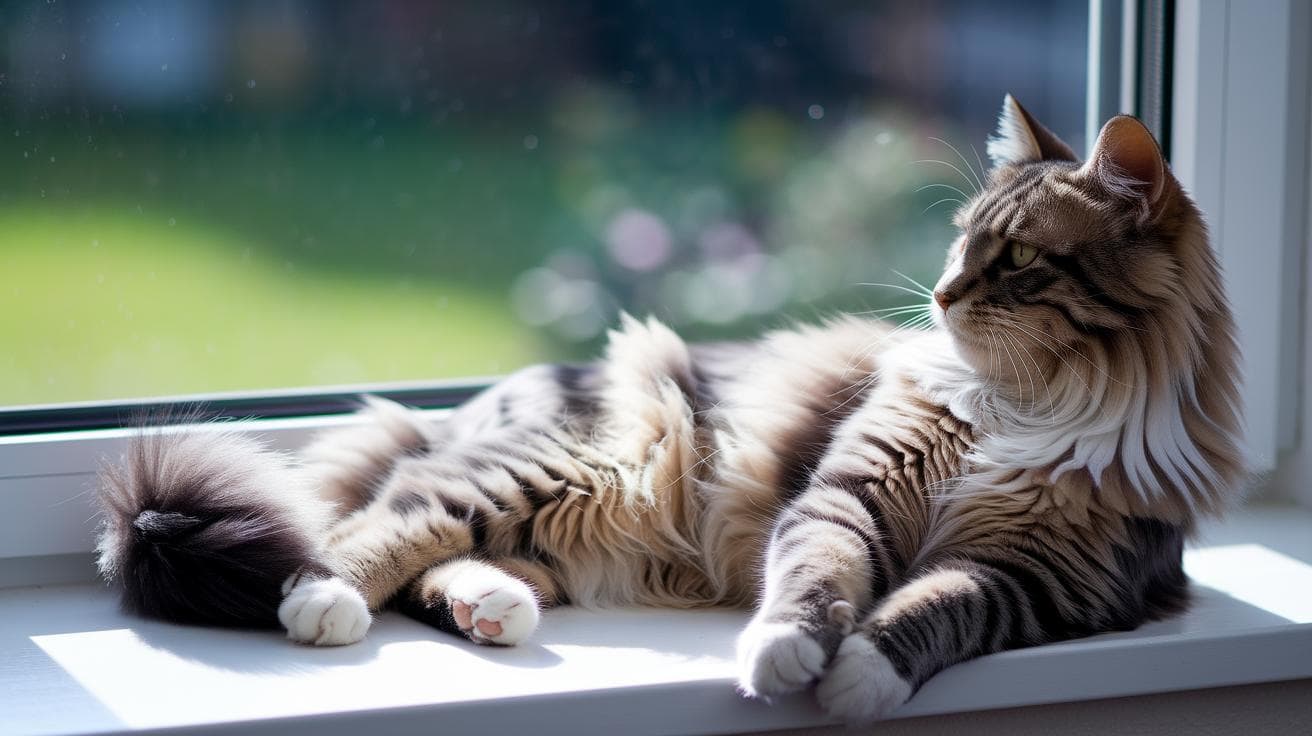
I’m a total Maine Coon fan, and I gotta tell you – these gentle giants can stick around longer than you think. Their average lifespan (how long they live) is about 10-13 years. Let your floof stay inside and that jumps to 12-15 years – cozy, safe, and away from racing cars or prowling predators.
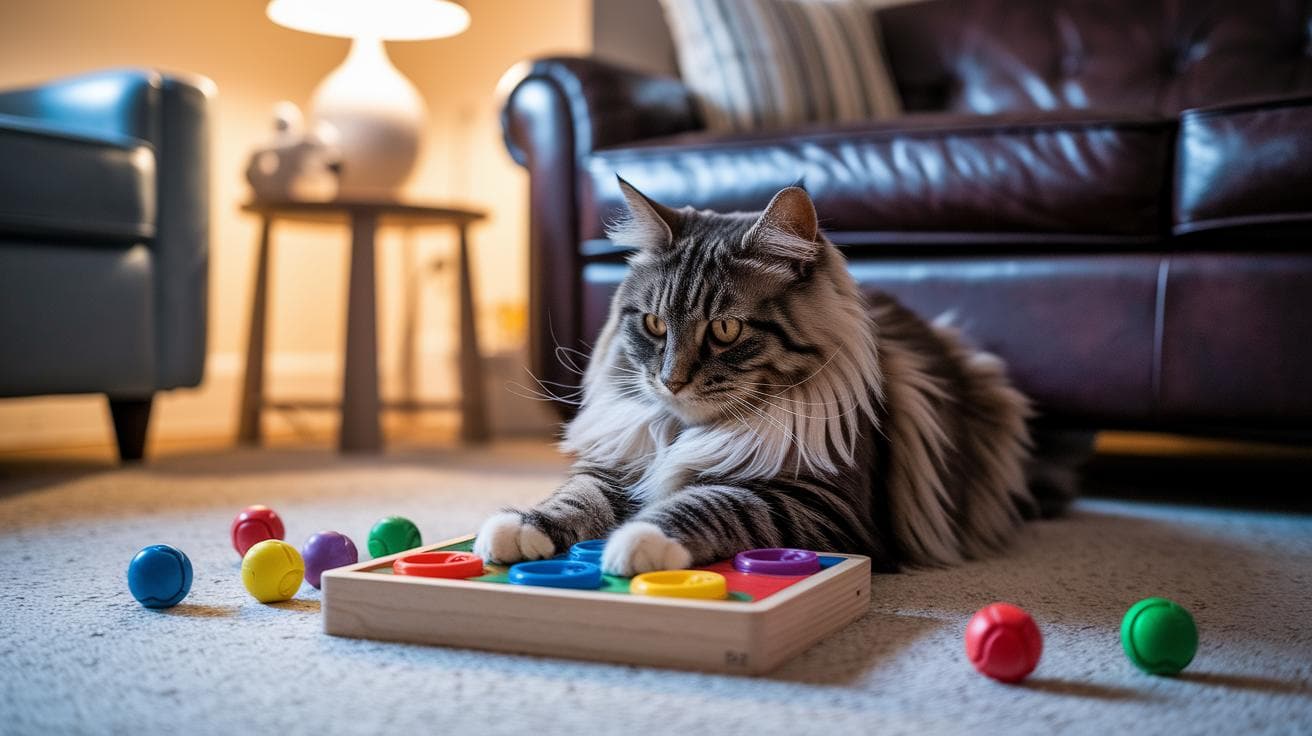
Ever watched your Maine Coon chase a sunbeam around the living room?
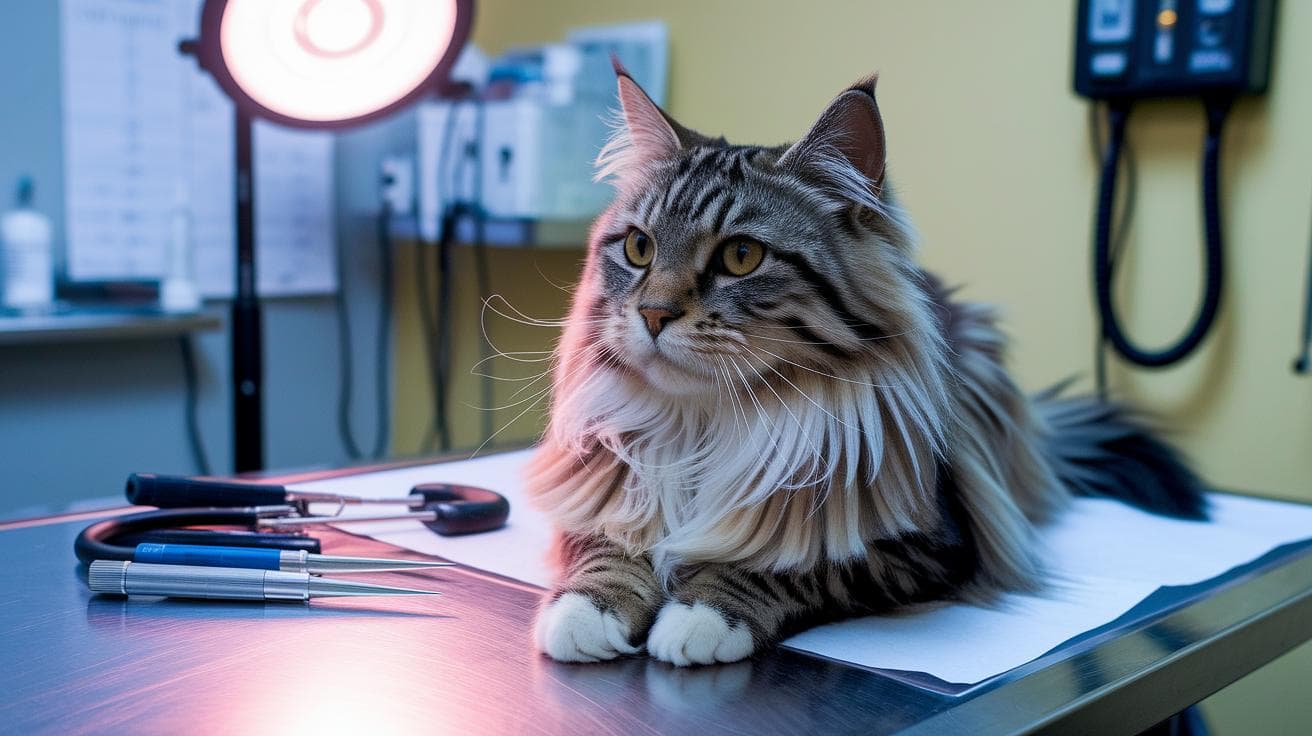
With a soft scratching post, a warm patch of sunlight, and regular visits to the vet (veterinarian), most Maine Coons hit a solid decade without breaking a sweat.
But wait – some of these kitties outdo even that. Think late teens or early twenties with the right diet, daily playtime, and brushing those pearly whites (dental care). Oops, let me rephrase that: some special seniors stretch way past 20. Take Rubble, for example – he purred his way to 31 years old! Mind-blowing, right? Not every furball tops the charts, but it shows just how long a Maine Coon can live when genes, good grub, and a loving home team up.
Worth every paw print.
- Average lifespan: 10-13 years
- Indoor-only cats: 12-15 years
- Late-teen champs: 15-20 years
- Record setter: up to 31 years
Genetic and Breed Factors Affecting Maine Coon Longevity
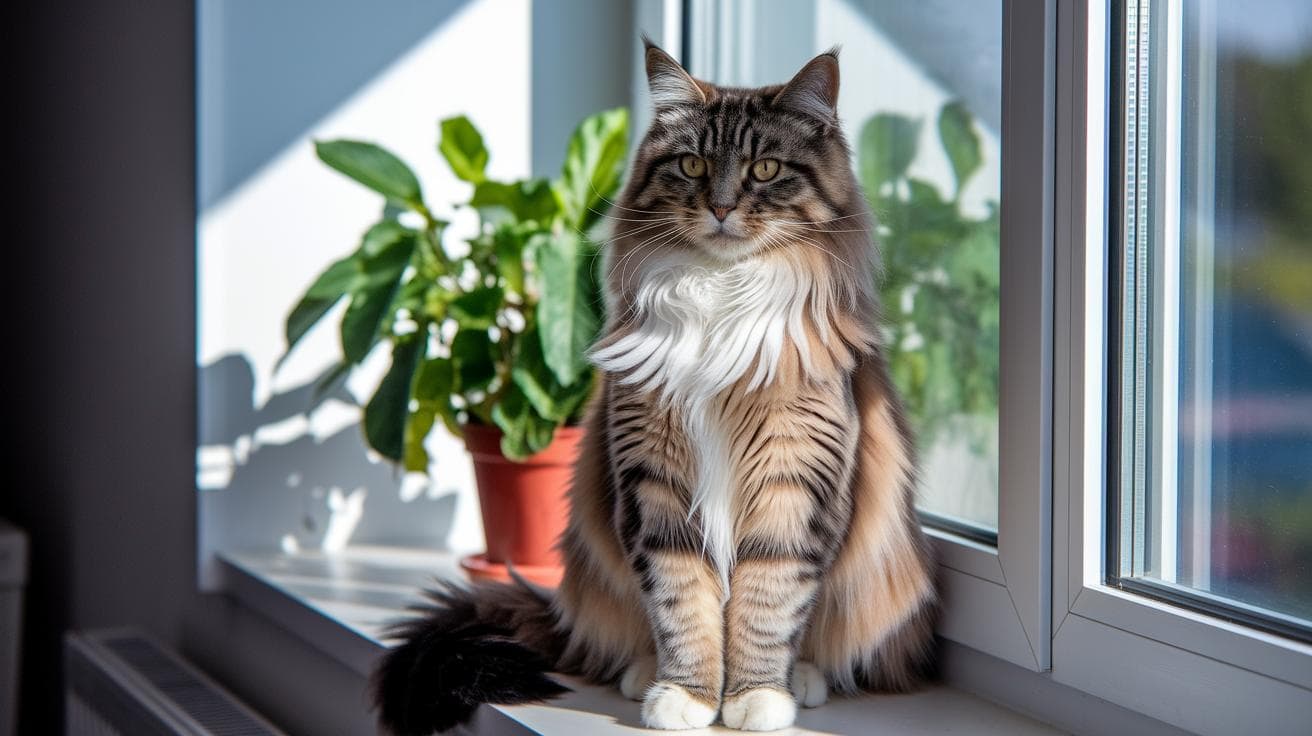
Responsible breeders are paw-some. They run clear health tests on mom and dad cats. They look for heart issues like hypertrophic cardiomyopathy (HCM, which thickens the heart muscle) or kidney troubles such as polycystic kidney disease (PKD, where tiny fluid-filled sacs form). Good bloodlines show up in strong growth, shiny coats, and fewer health hiccups. Low inbreeding numbers mean more gene diversity. When you see tidy health papers, you know the breeder cared about your kitty’s long-term well-being.
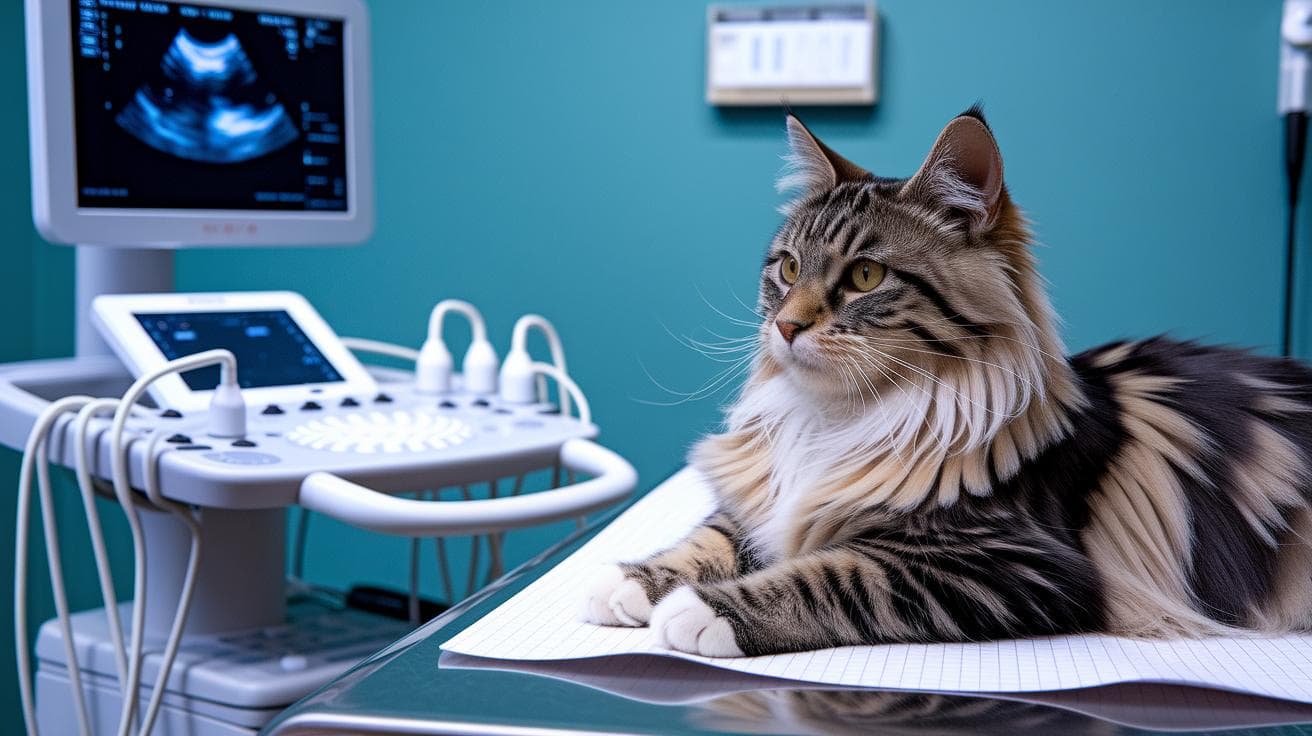
Some issues can sneak up on your fluffy giant if you’re not watching. HCM makes the heart muscle grow too thick. PKD fills the kidneys with cysts. And spinal muscular atrophy (SMA, a condition that weakens muscles and leads to shaky legs) can give your cat a wobbly walk by just a few months old. Early DNA tests can flag PKD and SMA before a whisker twitches. A simple heart ultrasound around age two to four spots HCM before it’s a big deal. Catching problems early? Pure cat-and-mouse win for you and your vet.
So here’s the cat’s meow. Pick a breeder who sends kittens home with genetic clearances for HCM, PKD, and SMA. Ask to see each test result. It’s one of the best ways to help your Maine Coon purr into its late teens. Maybe even beyond.
Key Health Conditions and Management
Maine Coons can face some big health hurdles, like hypertrophic cardiomyopathy (HCM, when the heart muscle thickens), polycystic kidney disease (PKD, tiny fluid-filled sacs in the kidneys), and spinal muscular atrophy (SMA, muscle weakness in the spine). See our genetic testing section for how to catch those early. But today, we’re zeroing in on hip dysplasia and what you can do to help your fluffy friend.
Hip dysplasia often shows up around four to six years, when the hip sockets don’t fit quite right and the soft joint padding (cartilage) starts to wear down. You might notice a little limp or that your cat hesitates before hopping onto the windowsill. Ever watched your Maine Coon stretch and then pause mid-leap? That could be a telltale sign.
Left unchecked, those misaligned hips can lead to arthritis (joint swelling) that makes even a gentle climb up the stairs feel like Everest. Weight control is crucial, every extra ounce pulls harder on those joints. It’s like carrying a backpack around all day. Supplements such as glucosamine (supports cartilage health) and chondroitin (helps cushion joints) can ease daily movement.
Gentle play and physical therapy build up the muscles around the hip, you know, kitten aerobics. I once watched my cat Luna wobble across a balance pad, one paw at a time. In serious cases, vets might recommend a femoral head ostectomy or a total hip replacement to get things gliding smoothly again.
Worth every paw-print.
And ramps plus non-slip mats help your cat reach favorite perches without a stumble, no more frantic leaps or skid marks on the hardwood.
| Condition | Age of Onset | Intervention |
|---|---|---|
| Hypertrophic Cardiomyopathy | 2–4 years | Beta-blockers and routine ultrasound |
| Hip Dysplasia | 4–6 years | Weight management, joint supplements, surgery |
| Polycystic Kidney Disease | 3–5 years | Renal-support diet and blood screening |
| Spinal Muscular Atrophy | 3–4 months | Physical therapy and mobility aids |
Nutrition Strategies for Maximizing Maine Coon Longevity
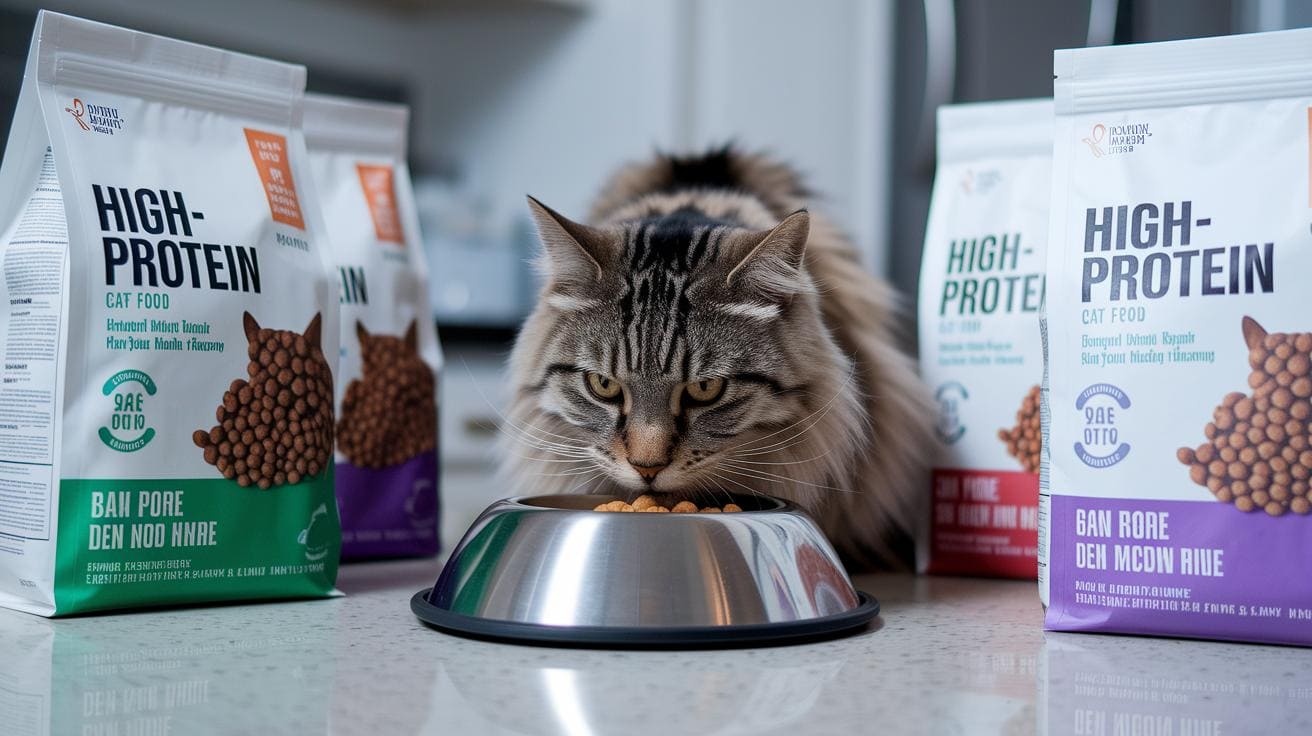
Your adult Maine Coon needs about 20 to 30 calories per pound of body weight each day to keep its big frame lean and strong. Aim for a diet heavy on animal protein (meaty building blocks), light on carbohydrates (energy bits), and sprinkled with omega-3 fatty acids (heart-healthy fats) plus antioxidants (cell protectors). This mix builds muscle, supports the immune system, and makes sure your floof can leap without getting slowed down by extra weight.
Wet food helps your cat stay hydrated. Think juicy bites that guard against urinary troubles and feel soft on aging gums. Dry kibble brings a crunchy treat that scrapes plaque off your cat’s teeth – a tasty dental sidekick. Plus, it’s perfect for short free-feeding sessions. Mixing both gives your Maine Coon texture variety and oral health perks.
- Calculate daily calories at 20 to 30 kcal per pound
- Choose animal-based proteins like chicken or fish
- Keep carbs under 12% of total calories
- Add omega-3 fatty acids like fish oil for a shiny coat and strong heart
- Try portion-control feeders or set meal times to prevent overeating
- Always leave fresh water or a fountain flowing to encourage sipping
Ever tried a raw diet?
Uh, go slow.
Raw meat can harbor bacteria and it’s tricky to hit every vitamin and mineral just right. Homemade recipes need vitamin mixes and extra calcium to avoid gaps or overload. Always check with your vet or a feline nutritionist before swapping kibble for a DIY raw feast – that way your Maine Coon purrs with health, not vet visits.