Ever wondered if your Bengal could outlast your favorite coffee mug?
These sleek, tiger-striped pals usually stick around for 12 to 16 years (their lifespan – how long they live).
That’s loads of fizzy zoomies (crazy running bursts) and soft chin rubs.
But what really shapes your Bengal’s years of fun?
We’re diving into the big factors – like diet, playtime, and vet visits – and dishing out simple, paw-sitive tips to keep your whiskered buddy purring!
Ready to watch every leap and purr count?
Next, we’ll break down how to feed for longevity (hint: high-quality protein helps) and tailor play sessions to fight boredom.
Then we’ll cover vet check-ups and grooming. It’s more fun than it sounds, promise.
Let’s get started.
Average Lifespan and Life Expectancy of Bengal Cats
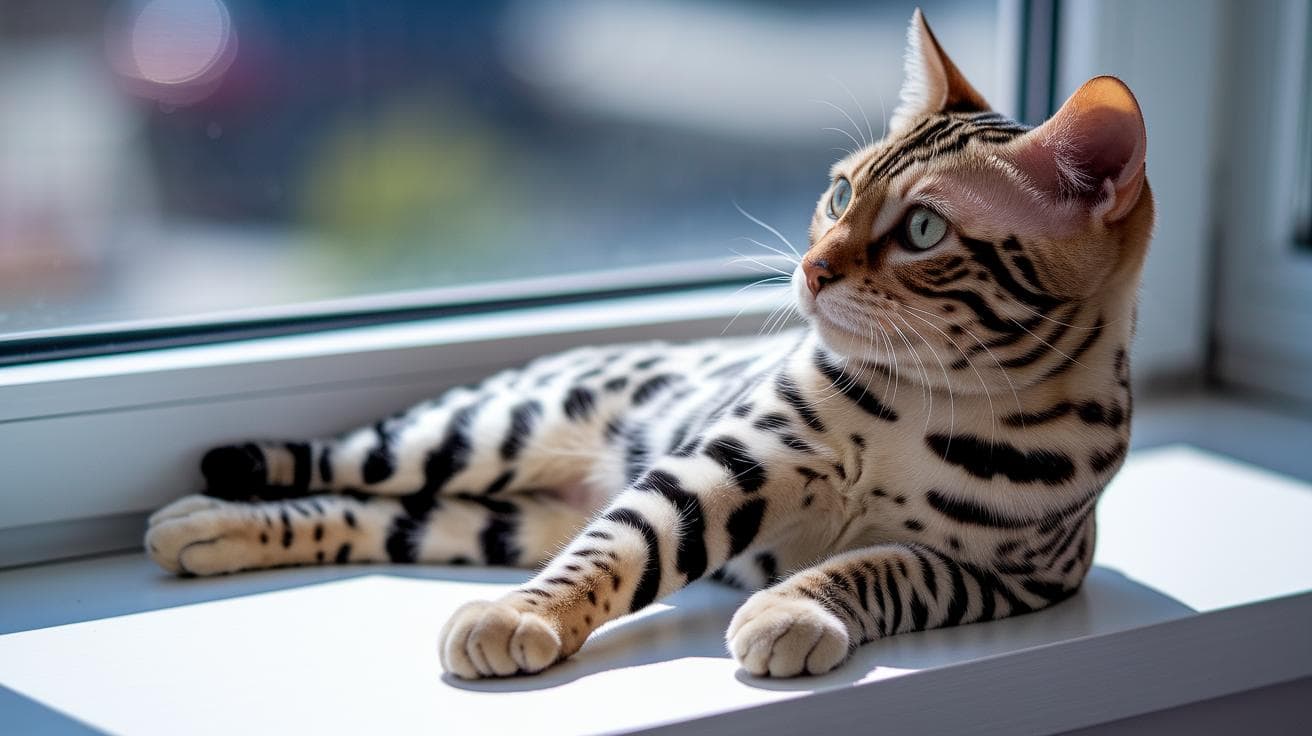
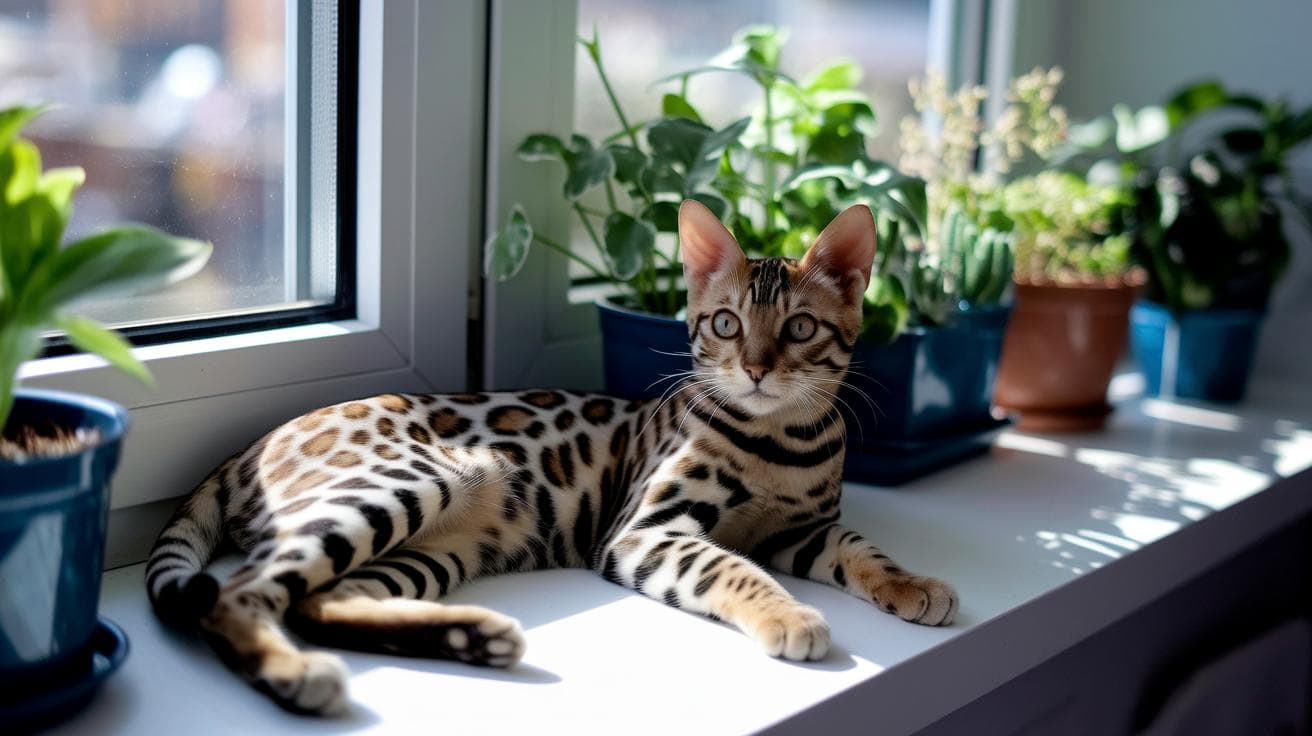
Bengal cats usually clock in between 12 and 16 years of life. On average, they hit about 14 years old. That’s extra time for fizzy zoomies across your carpet and soft purrs under your chin. Your Bengal’s got more years of playful swipes ahead than many folks expect.
Some Bengals really outdo themselves. I’ve heard tales (unverified) of one fellow celebrating a 34th birthday, whoa, right? Female Bengals tend to live about two years longer than the boys. And spaying or neutering (removing eggs or sperm-making parts) can cut the risk of certain reproductive cancers (tumors in organs like the uterus), so your kitty stays chirpy and tail-twitchy.
Worth every purr-second.
Compared to a typical house cat, which lives around 10 to 15 years, Bengals often stretch past that whisker-twitching window (see average cat lifespan). Their hybrid genes (mix of domestic cat and wild Asian leopard cat) seem to lend extra pep. Ever watched your Bengal launch off the couch like a rocket? That bound of energy might just be thanks to those leopard-cat roots.
Key Factors Influencing Bengal Cat Longevity
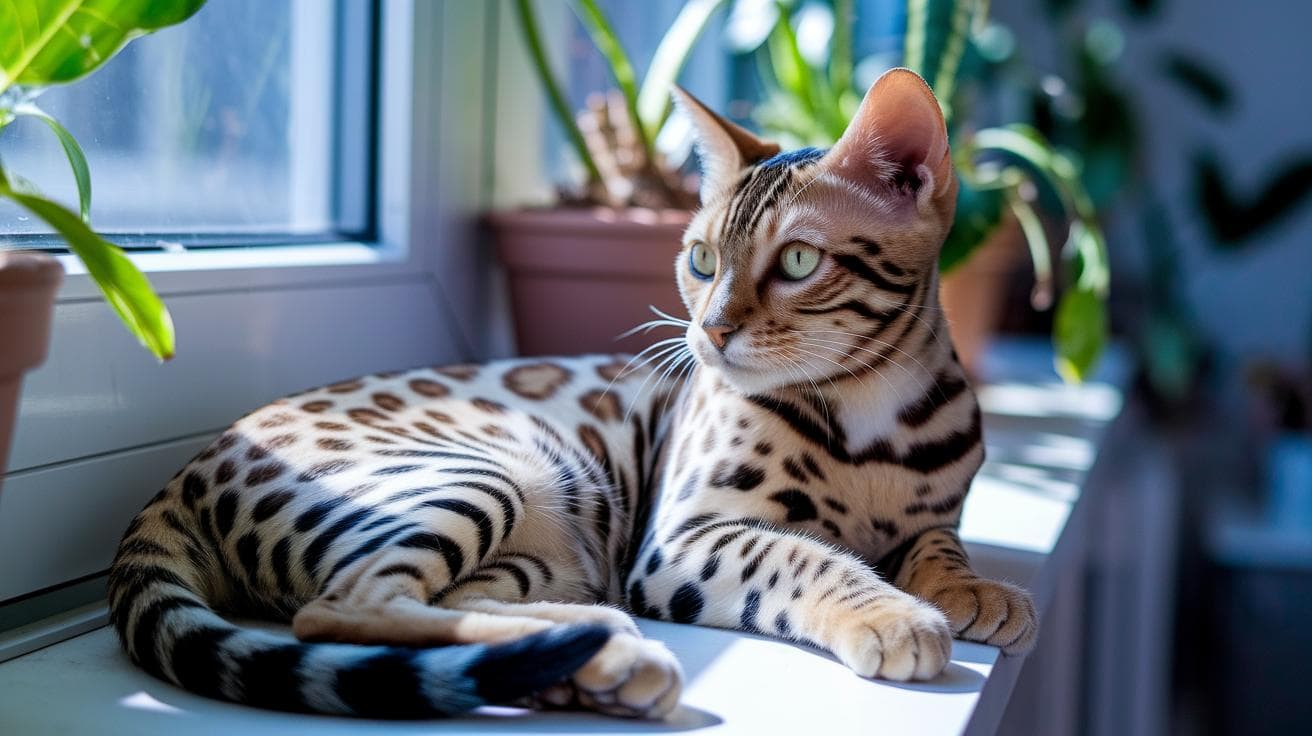
Your Bengal’s genes set the stage. Thanks to their Asian leopard cat heritage (that’s the hybrid vigor magic), they’ve got extra pep in every leap. And fun fact: girl Bengals tend to live about two years longer than the boys, you know?
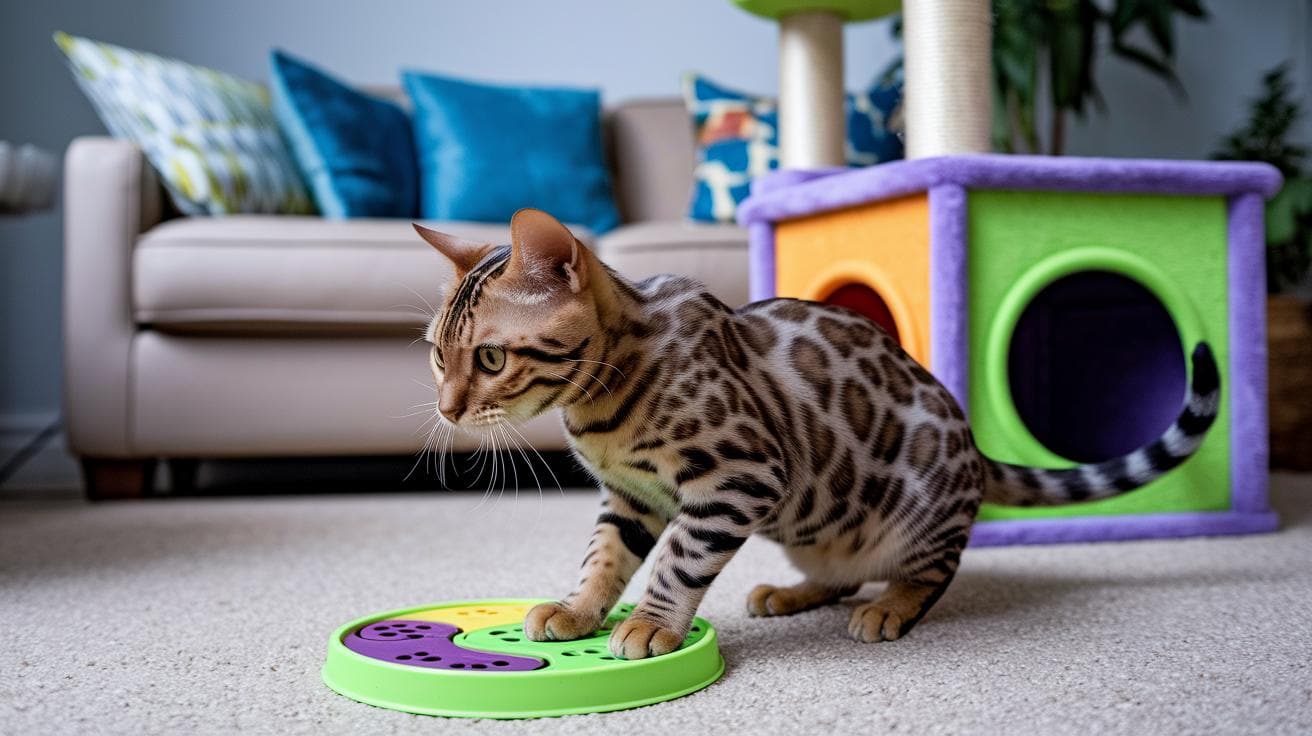
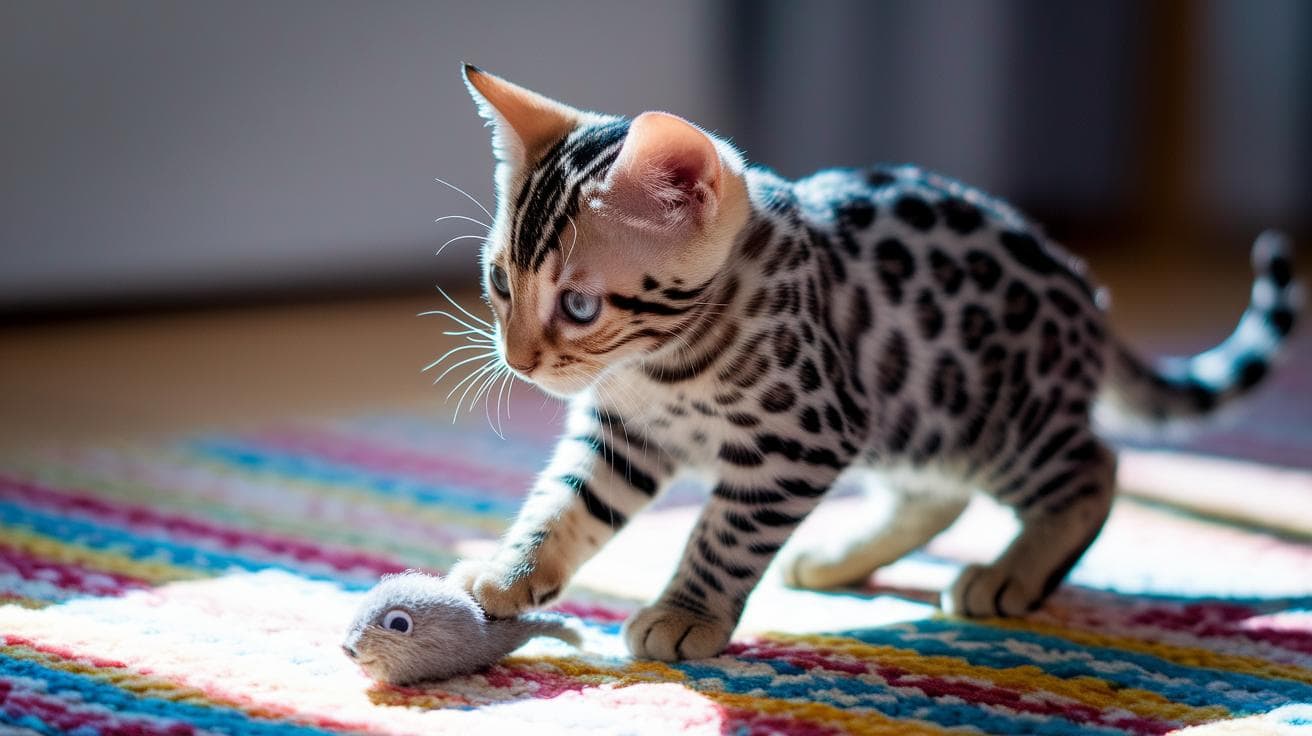
Keeping your Bengal busy indoors is a total game-changer. A tall cat tree gives them a sky-high lookout, and a sisal rope scratching post (woven plant fiber) is perfect for stretching and sharpening claws. Rotate a feather wand toy twice a day – watch those eyes light up when it flicks across the carpet! Oh, and pop empty boxes or paper bags on low shelves for surprise pounce spots.
For a mental workout, try a treat-dispensing puzzle toy (think rolling ball that drops kibble). It’s snack time and playtime rolled into one – double win. Ever watched your kitty try to fish a treat out of a puzzle ball? Hilarious.
Feeding them right means longer leaps. Aim for about 4 ounces of high-protein wet food per meal for a 10-pound cat, plus a measured kibble serving twice daily – no free feeding, please. Use a kitchen scale or measuring cup to dodge extra pounds (and diabetes risk, ugh). Swap in a pet fountain (flowing stream vibe) so they sip fresh water all day.
Don’t skip the vet – book checkups and dental cleanings every six months. Catching small issues early can add healthy years, I guess. Worth every paw-print.
Nutrition and Diet
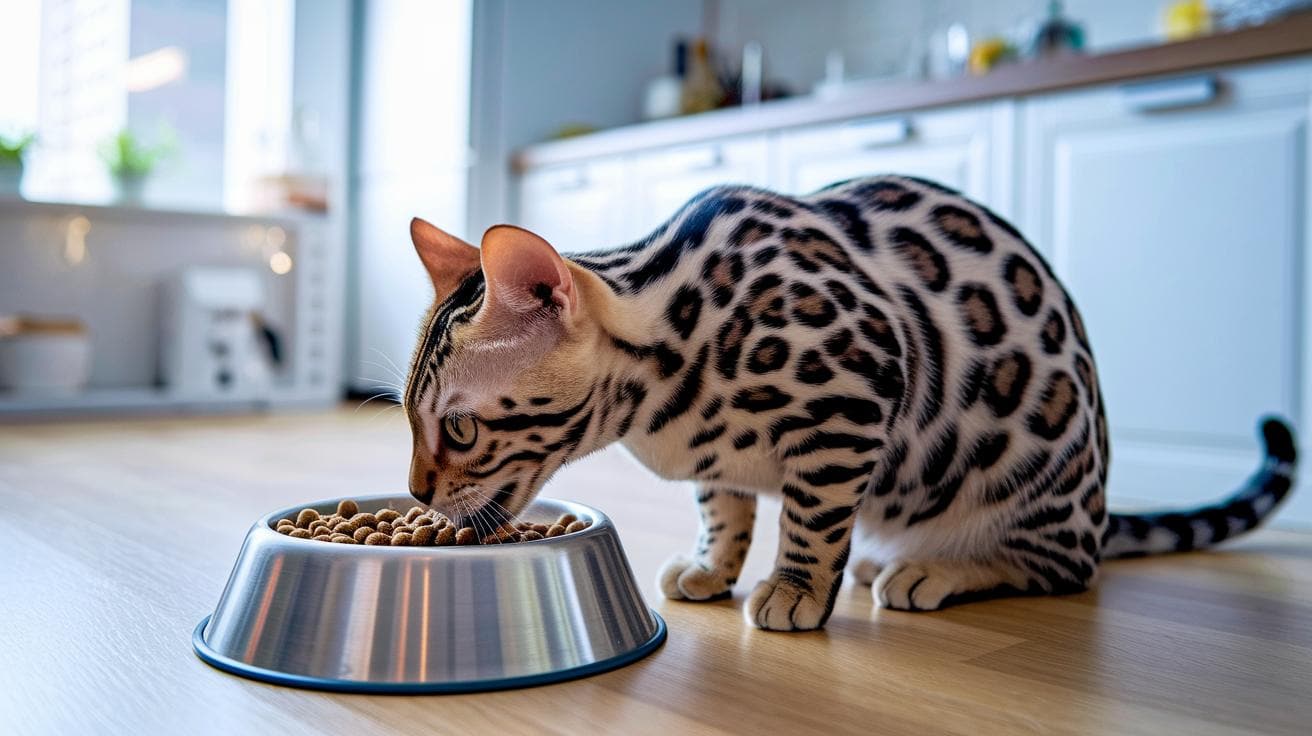
Feeding your Bengal the right stuff helps them bounce around with kitten-like energy, even into their golden years. A balanced meal plan builds lean muscles, keeps their heart happy, and makes those eyes shine. Think of it like fuel for every zoom and pounce. So let’s chat about the key ingredients to keep your cat feeling feline fine!
- High-protein meals tailored to your cat’s age (kitten, adult, or senior)
- Taurine (an amino acid) to keep the heart strong and eyes bright
- Wet food packed with moisture and a fresh water fountain nearby
- Measured portions for meals and treats (don’t forget those extra bites)
- Balanced vitamins and minerals for overall health
Weigh your Bengal once a month. If the scale starts creeping up, tweak their portions so they stay trim. At one year, switch from kitten chow to adult recipes, then around age ten move to a gentle senior blend. And don’t forget that treats add extra calories, so include them in your plan.
Essential Veterinary Care and Health Screenings
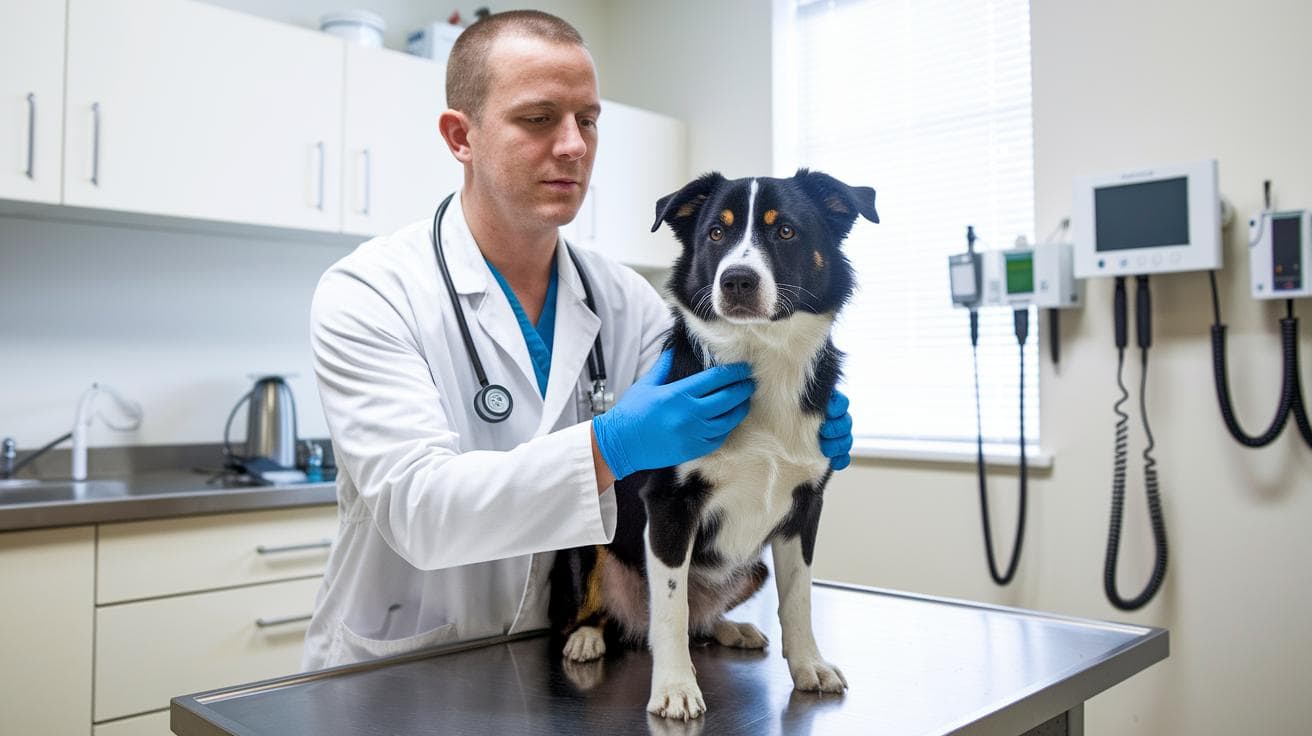
Keeping up with regular vet visits means more purrs and fewer sick days for your Bengal. A yearly wellness check (weigh-in, coat check, and listening to heart and lungs) spots tiny issues before they grow into big problems.
Every six months, schedule a dental cleaning (bye-bye tartar and plaque (that sticky stuff on teeth)). Your kitty will stretch and yawn, showing off those pearly whites, and you’ll love that fresh-cat-breath moment.
Once a year, get a parasite screen (examining fur, skin, and stool for fleas, ticks, or worms). Think of it as a deep-clean for their insides, no more bellyaches or itchy skritches.
Vaccines (shots that protect against rabies, distemper, and more) build up your Bengal’s defenses. Chat with your vet about any extra non-core shots that might be paw-fect for your cat.
And don’t forget the urine check (looking for crystals or early infection signs). It catches blockages before they become painful, and saves you an emergency dash to the clinic.
| Check-up / Test | How Often |
|---|---|
| Annual wellness exam (head-to-tail review) | Once a year |
| Biannual dental cleaning (tartar and plaque removal) | Every six months |
| Yearly parasite screening (fur, skin, stool check) | Once a year |
| Core vaccines (rabies, distemper, etc.) | Every year |
| Heart (HCM) screening (heart muscle thickening) | Every 1–2 years |
| Kidney function tests (blood panels for BUN (blood urea nitrogen) & creatinine) | Once a year |
Catching hypertrophic cardiomyopathy (thickening of the heart muscle) early gives treatment a head start. Blood panels to check kidneys (BUN and creatinine levels) can spot trouble before your cat feels lousy. No more emergency runs to the vet means more zoomies across the living room. And hey, fewer vet bills leave extra cash for claw-tastic toys.