What if your cat isn’t done growing until its second birthday instead of its first?
We all love watching those wobbly-legged kittens turn into sleek mini-panthers in just a few months. Then we assume they’re full-grown by one year old (adorable, right?). But truly, most house cats finish adding height and length between 12 and 18 months. Giant breeds like Maine Coons keep bulking up until they hit two years.
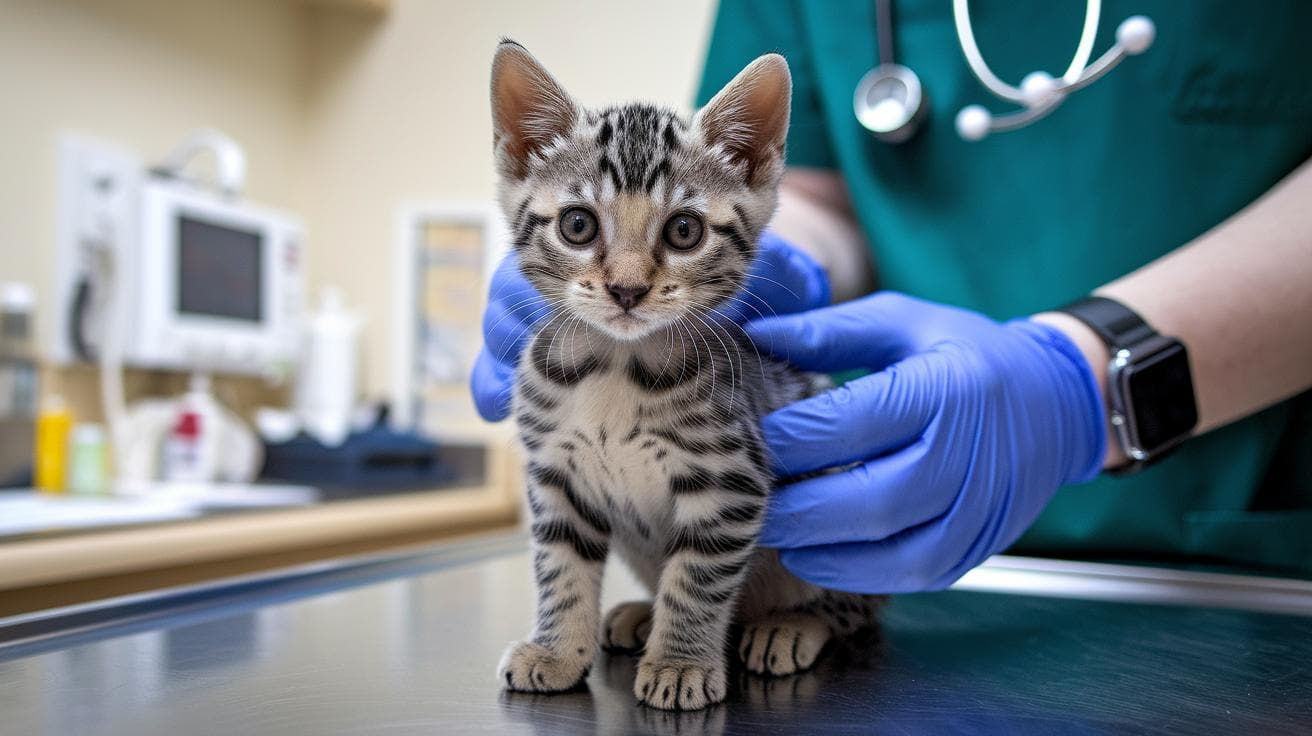
Knowing when your cat wraps up growing helps you pick the right food, plan play sessions, and schedule vet visits for each stage. Ever watched your kitty’s whiskers twitch as it pounces? Those moments show the difference between a kitten who still needs growth food and an adult who’s happy with a steady diet.
Let’s celebrate your cat’s journey to adulthood. Keep those paws healthy and purrs loud with these simple tips.
Typical Age Range for When Cats Stop Growing
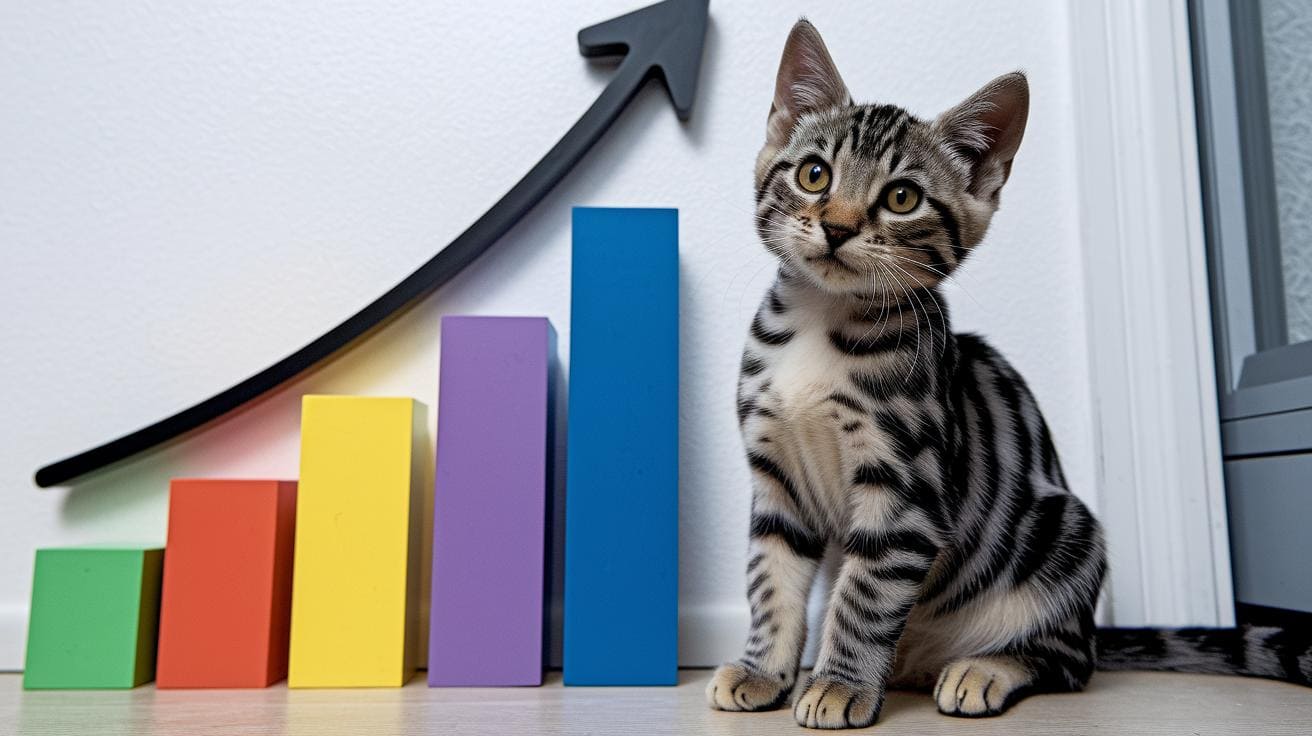
Hey cat parents, ever watched your kitty chase shadows one moment and suddenly look like a mini panther the next? Cats usually reach their adult height and length between 12 and 18 months. In that first year kittens pack on bone (the body's hard parts) and muscle at lightning speed. By six months they’re about two-thirds of their future size.
Then from six to 12 months growth slows and they gently fill out into that sleek, grown-up look. But big breeds like Maine Coons need extra time. These gentle giants keep bulking up (extra fluff and muscle) until around 24 months. They’re not sprouting taller, they’re just getting thicker across the chest and stronger in the hind legs. Think of this as their last growth spurt before they’re fully mature.
Once your cat is full grown, changes are all about muscle tone and weight. You might spot a little more chest girth or extra power in those back legs, but the tape measure won’t move much. Knowing these milestones helps you nail the right food portions and play routines, because a fed, active kitty is a happy kitty.
| Age Range | What’s Happening |
|---|---|
| 0–6 months | Rapid gains in bone and muscle |
| 6–12 months | Steady filling out to adult size |
| 12–24 months | Final muscle and bulk phase for big breeds |
Most house cats wrap up growing by 18 months. Big fellas like Maine Coons finish around two years. After that it’s all about playtime, purr-fect health, and keeping those paws fit.
Growth Stages and Milestones in Kitten Development
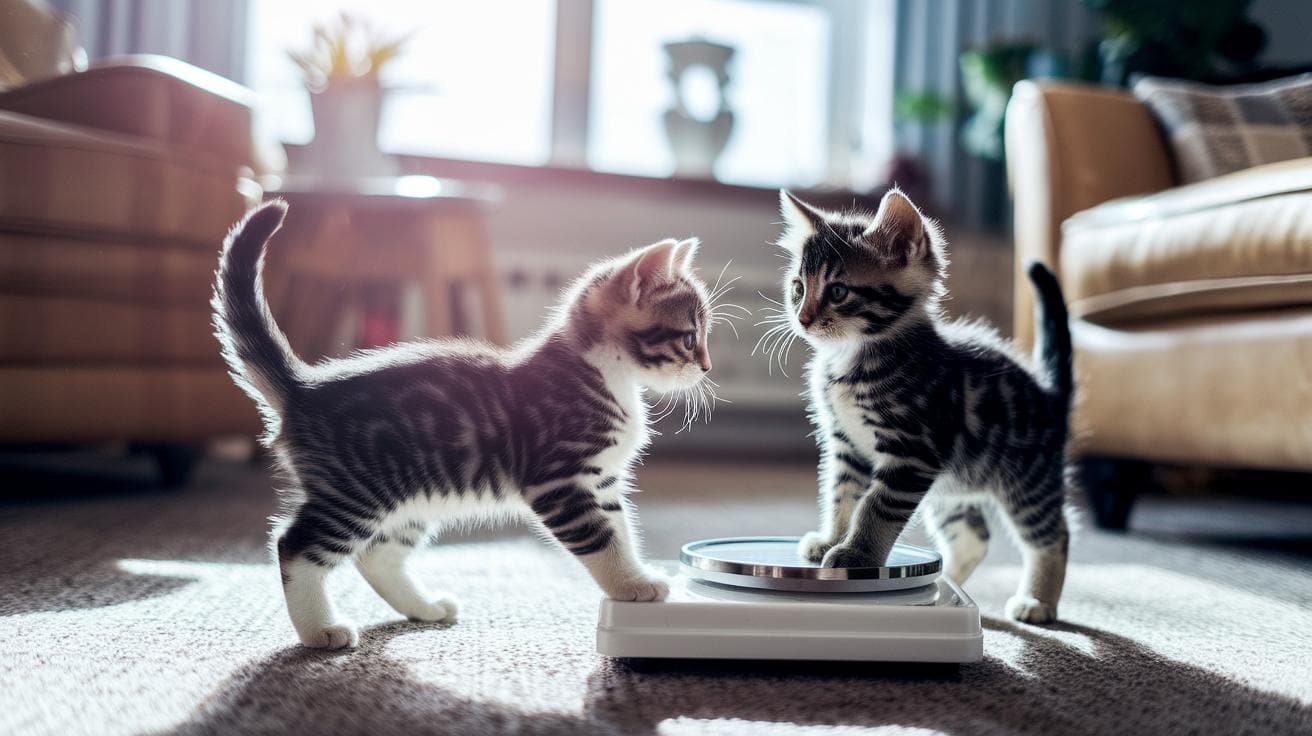
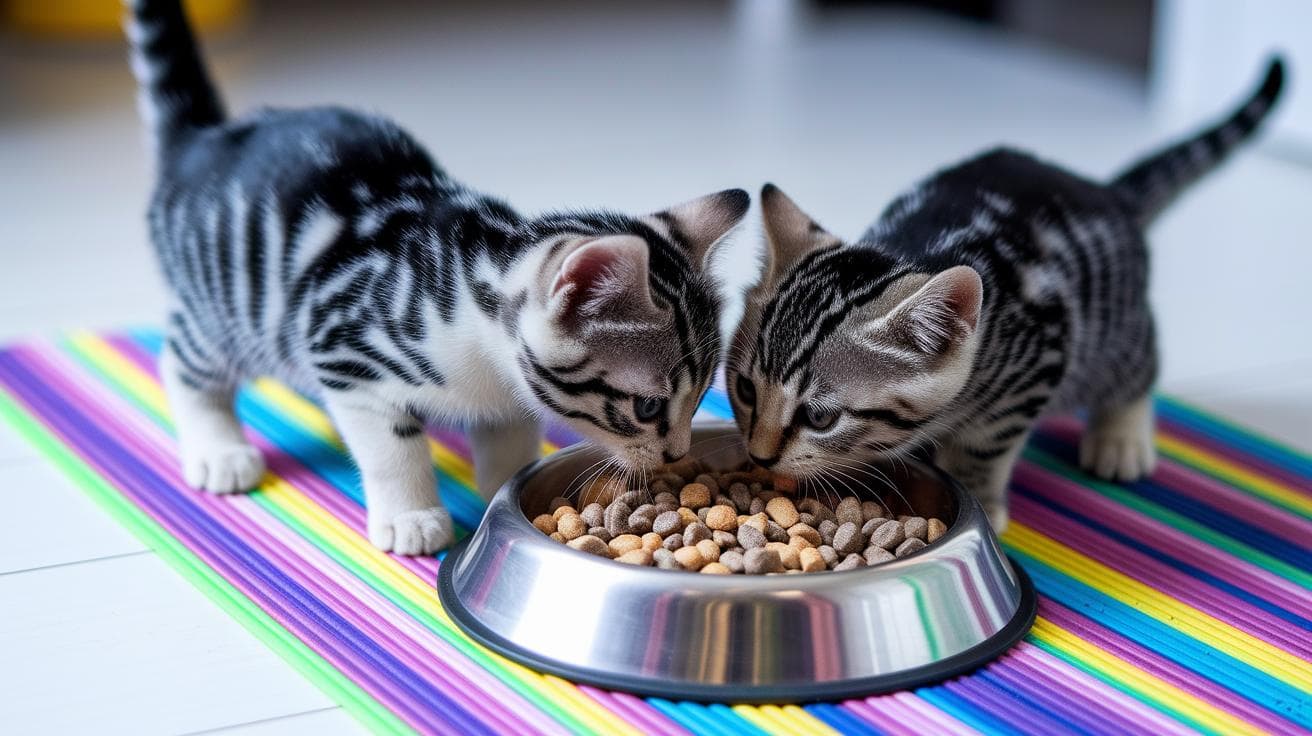
From birth to six months, your kitten moves from nursing to tiny nibbles of crunchy kibble (dry cat food) and slurps of wet food. They start weaning at around eight weeks (about two months old) and can pack on up to 100 g (3.5 oz) each week as their bones grow longer (like little building blocks) and their muscles thicken. Ever noticed those surprise zoom-ies or those sky-high leaps? That’s your little explorer firing on all cylinders!
Between six and twelve months, growth slows but doesn’t stop. Your cat fills out with soft curves, and you’ll see smoother pounces and sharper coordination. Puberty hormones kick in, so get ready for fresh hunting antics and those late-night racing marathons across the living room.
By one year to about eighteen months, your cat’s height and length are mostly set. Then it’s all about building lean muscle and adding a bit of extra weight until month eighteen. After that, your furball’s shape is locked in and ready for a lifetime of purr-fect play!
when do cat stop growing: Celebrate Feline Maturity
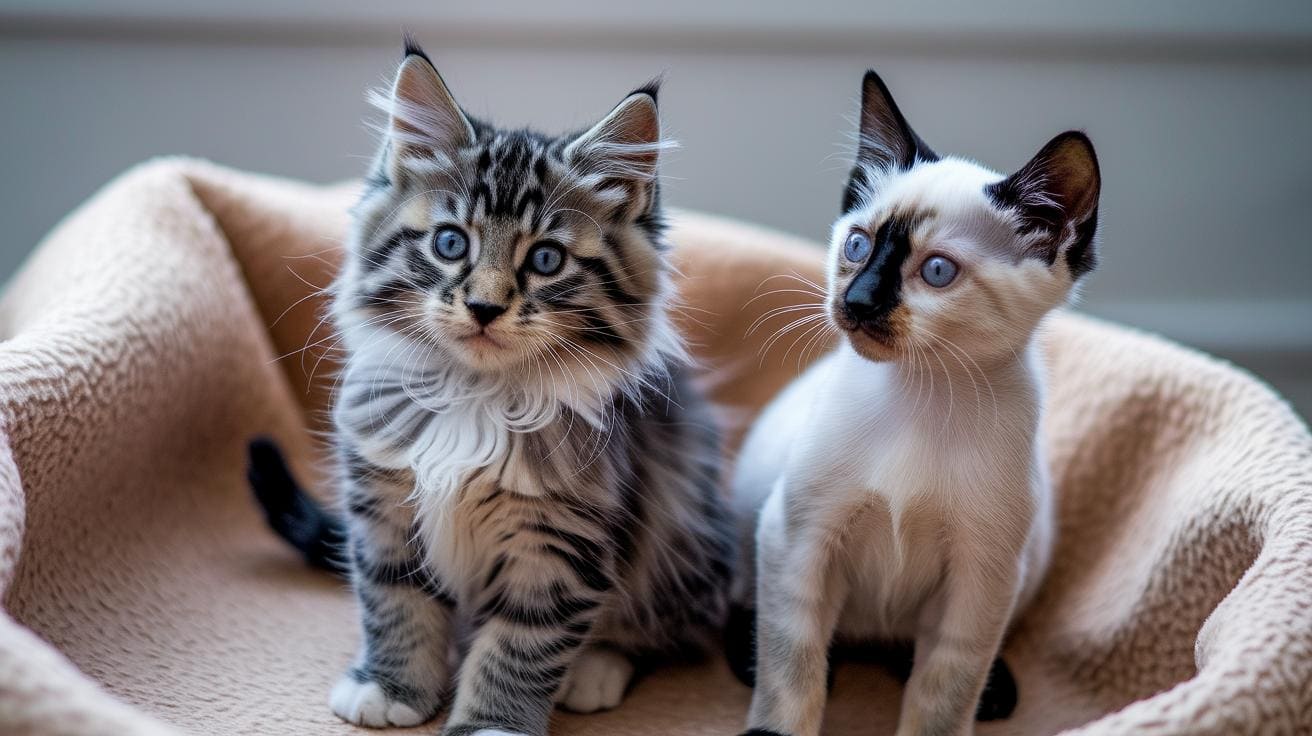
Big breeds are the marathon runners of the cat world. Maine Coons can take it easy for up to 2 to 4 years before they hit their full size, often weighing between 15 and 25 pounds of fluff and muscle. Watching a young Maine Coon stretch and fill out feels like seeing a mini lion get its mane. Slow and steady really wins this race.
On the other paw, small breeds like Siamese usually wrap up growth by 12 to 18 months and end up around 8 to 12 pounds.
Ragdolls sit right in the middle. Some fatten up by two years, others by three, adding extra softness to every flop. Ever seen a Ragdoll sprawl on its back? You just want to bury your face in that plush pillow of fur.
Then there is gender. Male cats, called tomcats, tend to grow about 10 to 20 percent bigger than females (called queens) and keep shooting up a little longer. You might see your boy kitten still getting taller at 18 months while his sister has already nailed her full-size pounce. It’s like they trade puppy-dog energy for catnip-fueled calm once they cross their own finish line.
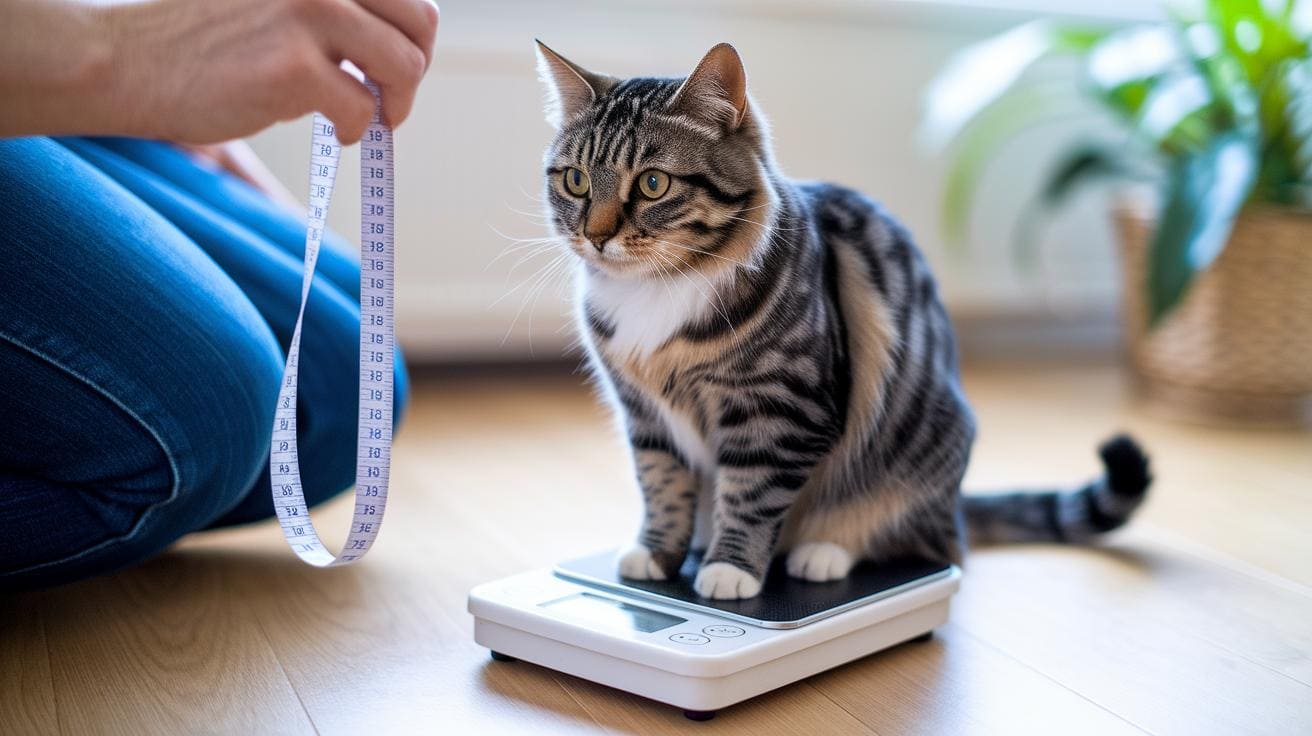
Um, knowing these quirks helps you pick the perfect toys and toss out the right snack portion. Measure your kitty once a month, cheer on those growth spurts (a sudden jump in size), and get ready for a lifetime of paws-itively fun play sessions. Worth every paw-print.