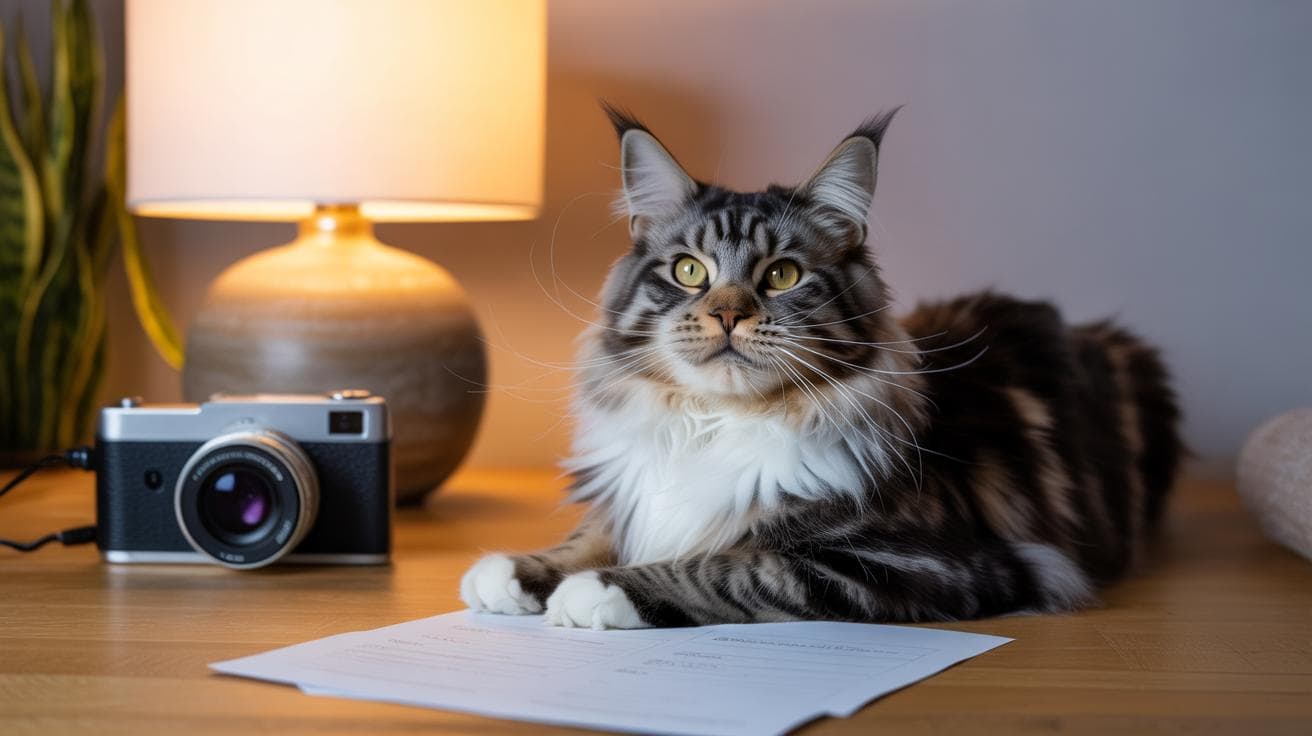
Meet the Maine Coon. Big, fluffy, and weirdly into water, they feel more like gentle giants than your average tabby. Ever watched a huge cat splash in a puddle? It’s oddly charming.
Size and growth.
Maine Coons are one of the largest domestic breeds. Males often weigh 13 to 18 pounds, sometimes more, and females are usually 8 to 12 pounds. They also grow slowly, reaching full size around 3 to 5 years old, so expect kitten energy for a while.
Coat care made simple.
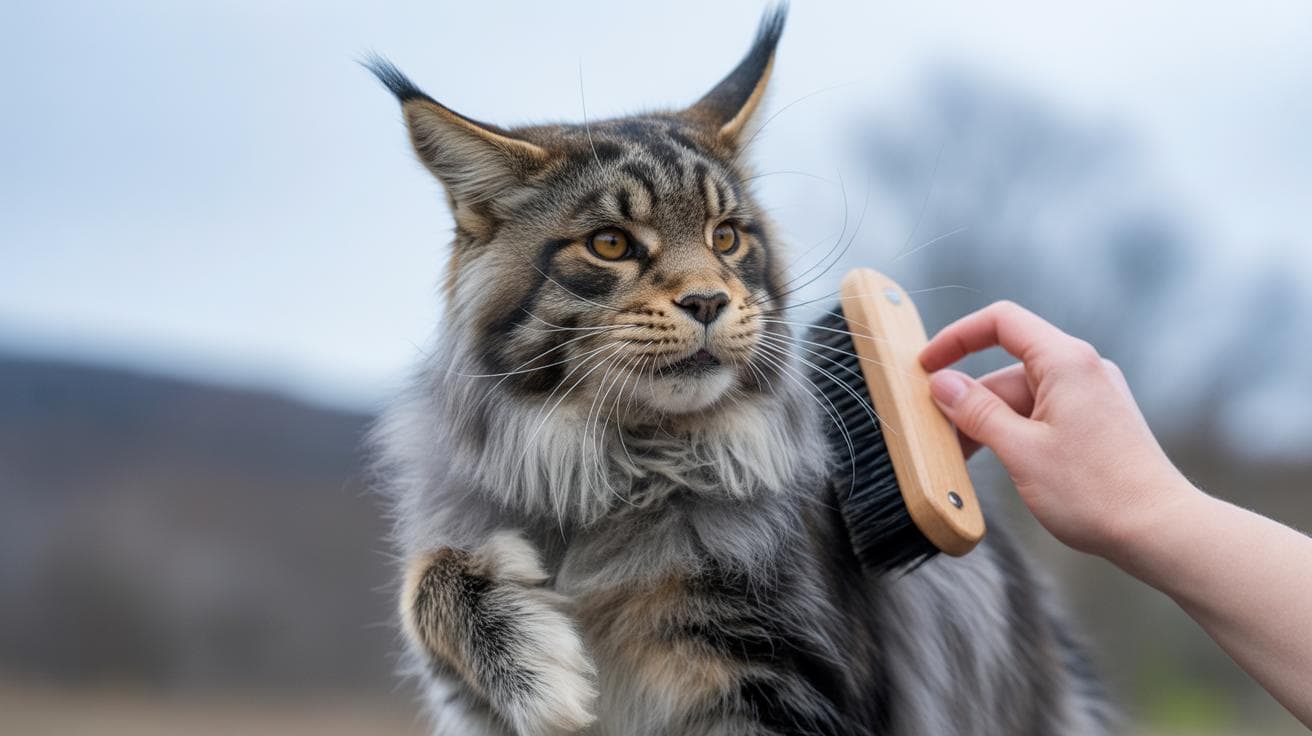
They have a shaggy double coat (two layers: a warm undercoat plus a longer topcoat that sheds moisture). Brush them a few times a week to prevent mats and to keep that fur feeling silky. During heavy shed seasons, bump up grooming, check behind the ears and under the belly, and maybe grab a wide-tooth comb. Many Maine Coons like water, so an occasional bath can be okay, and hey, it might turn into playtime.
Health basics you should know.
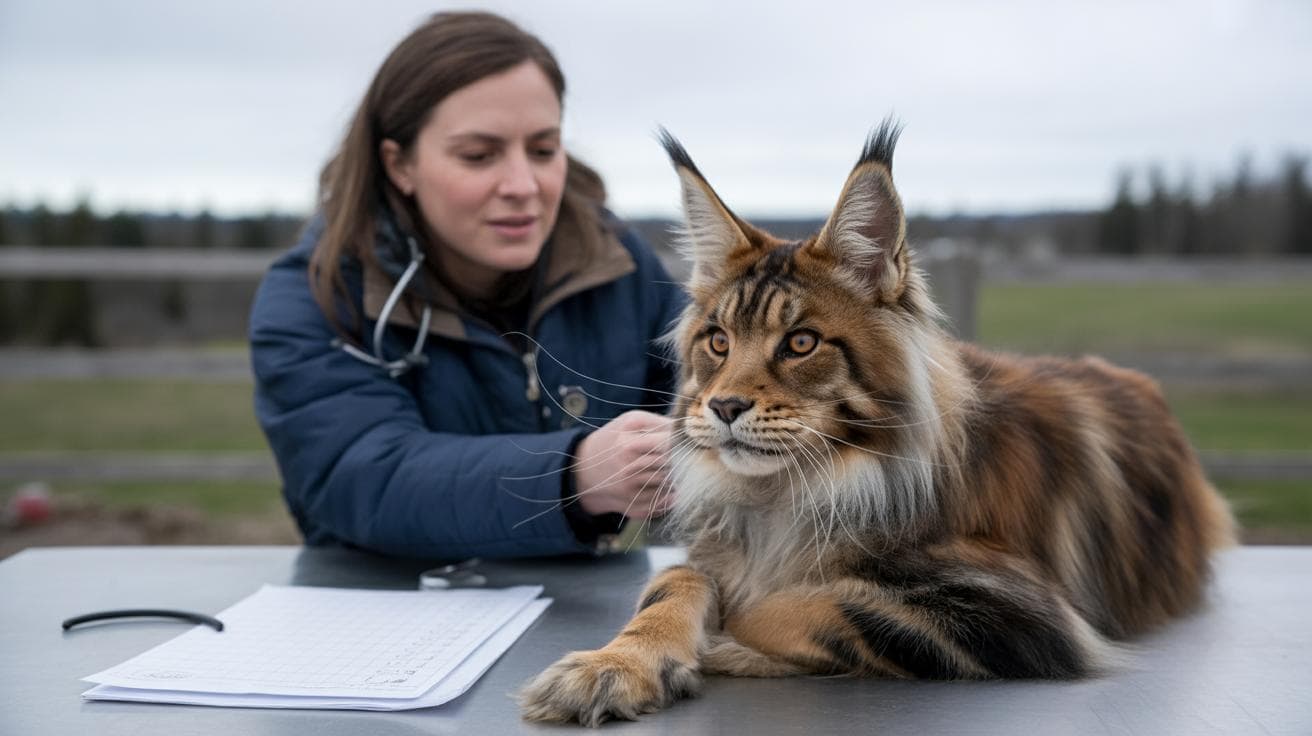
Common issues include HCM (a heart muscle condition), hip dysplasia (hip joint problems), and a genetic spinal condition called SMA (spinal muscular atrophy, which affects some muscles). Ask your vet about screenings: a cardiac ultrasound for the heart, hip X-rays if you see stiffness, and a simple DNA cheek swab for certain genetic tests. Regular wellness checks and watching their weight go a long way toward a long, happy life.
Personality and play.
They’re social, playful, and oddly loyal, think couch buddy who fetches a little. They trill and chirp more than they yowl, and they love interactive toys, puzzle feeders, and chasing a wand. For busy days, toss an unbreakable ball before you head out, that’s ten minutes of safe play. Ever watched a Maine Coon leap like a furry rocket? You will, and you’ll laugh.
Is a Maine Coon right for you?
If you’ve got space, time for grooming, and a soft spot for big personalities, they’re fantastic. They need vet checkups and a bit more maintenance than some short-haired cats, but the payoff is a friendly, playful giant who becomes family. Worth every paw-print.
Quick Facts , At-a-Glance Maine Coon Snapshot
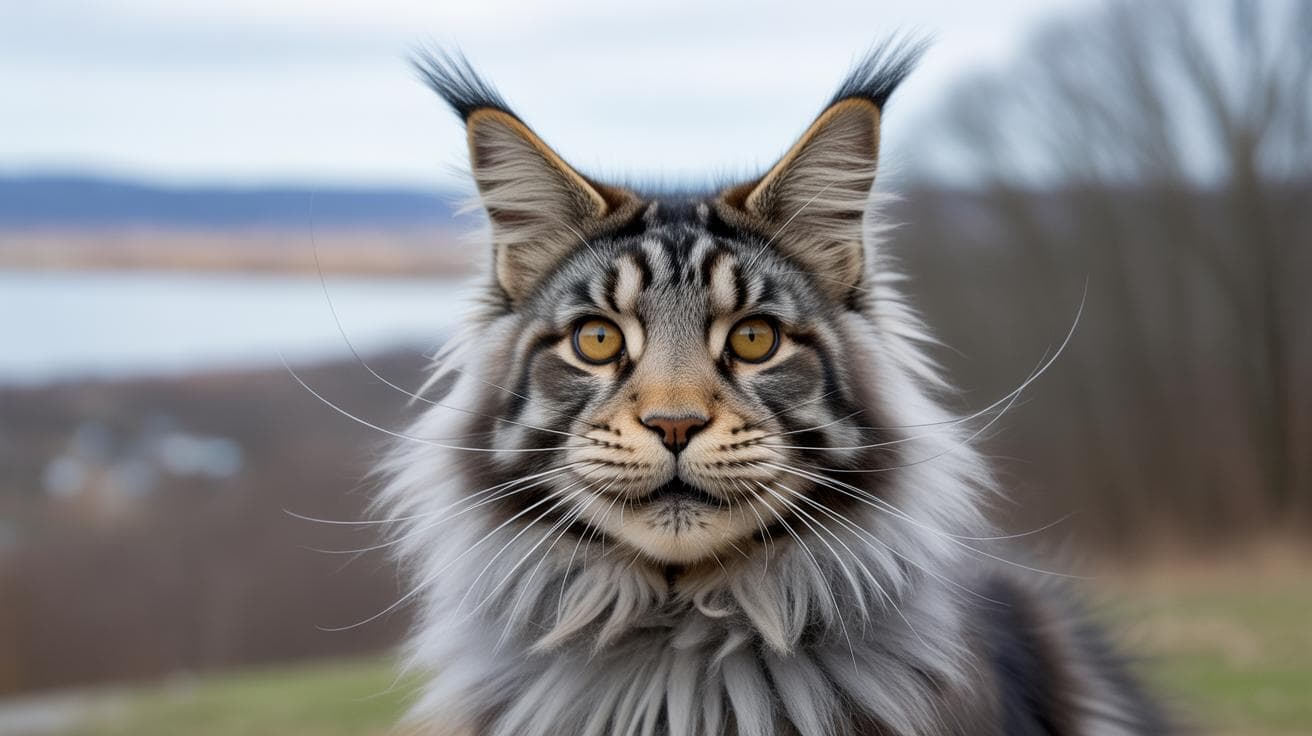
Bottom line: Maine Coons are big, friendly cats who often like water. They wear a shaggy double coat (two layers: a warm underlayer and a longer top layer that helps shed moisture) and have a gentle, playful vibe that makes them feel like a "gentle giant." Ever watched one tiptoe through puddles? Cute.
- Typical lifespan: 9–15 years (veterinary sources, Cat Fanciers' Association and breed studies).
- Typical adult weight: 9–18 lb (4–8 kg), though big males can push the upper end.
- Record length (registered): 48.5 in (123 cm), per registry and Guinness World Records.
- Record weight (largest verified individual): 30 lb (13.6 kg), according to breed records.
- Longest tail length recorded: 17.58 in (44.66 cm). Imagine that tail swishing.
- State cat designation: Maine, 1985. A proper hometown honor.
- Common nickname: "gentle giant" , yep, they earn it.
- Age to reach full adult size: 3–5 years. They grow slow and steady.
- CFA recognition year: 1976 (CFA = Cat Fanciers' Association).
- Polydactylism: Extra toes were common historically in some Maine Coon lines (polydactylism means extra toes).
See "Size, Growth Timeline & Weight Chart" for growth details; "Health Risks, Screening, Genetic Testing Checklist & Senior Care" for testing details; "Appearance: Identification Traits and Adaptive Functions" for ID traits.
Worth every paw-print.
Appearance: Identification Traits and Adaptive Functions
Maine Coons look big at first glance. They have a long, rectangular body and a broad chest that give them a low, powerful profile, built for balance and movement. They seem sturdy, not gangly, and can slip through snow or scramble up a tree with surprising grace. Ever watched your kitty launch from the couch and land like it was born to climb? That’s very Maine Coon.
The face is memorable. A square muzzle makes the head look blocky and full of expression. Ears sit high and often have lynx-like tips and inner tufts (hair inside the ear that helps keep out cold and debris). Their eyes come in green, green-gold, yellow, or copper and usually look alert and curious, which fits their chatty, friendly vibe.
They wear a double coat (two-layer coat: a warm underlayer plus a longer top layer that helps shed moisture), so they stay comfy in wet, chilly weather without getting soaked through. The long, bushy tail is like a built-in scarf, wrap-around warmth and a windbreaker for the rump when the cat curls up. Coat length changes with the seasons, with thicker ruffs and longer belly fur in cold months to trap heat and shed slush. Nice, right?
Paws are wide and often look like little snowshoes. You’ll see toe tufts (extra hair between the toes that helps grip and insulate) and big, cushioned feet that make walking on soft ground easy. Polydactylism (extra toes) was common in some lines historically and still shows up in certain families. My cat once left perfect round prints in the snow, proof those paws work.
Notable adaptive features:
- Ear tufts (lynx tips) – help protect ears and funnel sound.
- Snow-ready paws – wide, padded feet for traction and warmth.
- Waterproof outer coat – repels moisture so skin stays drier.
- Bushy tail – wraps for warmth and helps with balance.
Common coat colors and patterns:
- Brown tabby varieties
- Mackerel tabby
- Solid colors
- White
- Gray/blue shades
- Rare mixes and combinations
Top-line numbers like weight, record size, and lifespan are in Quick Facts above. See Grooming for care instructions. Worth every paw-print.
Size, Growth Timeline & Weight Chart
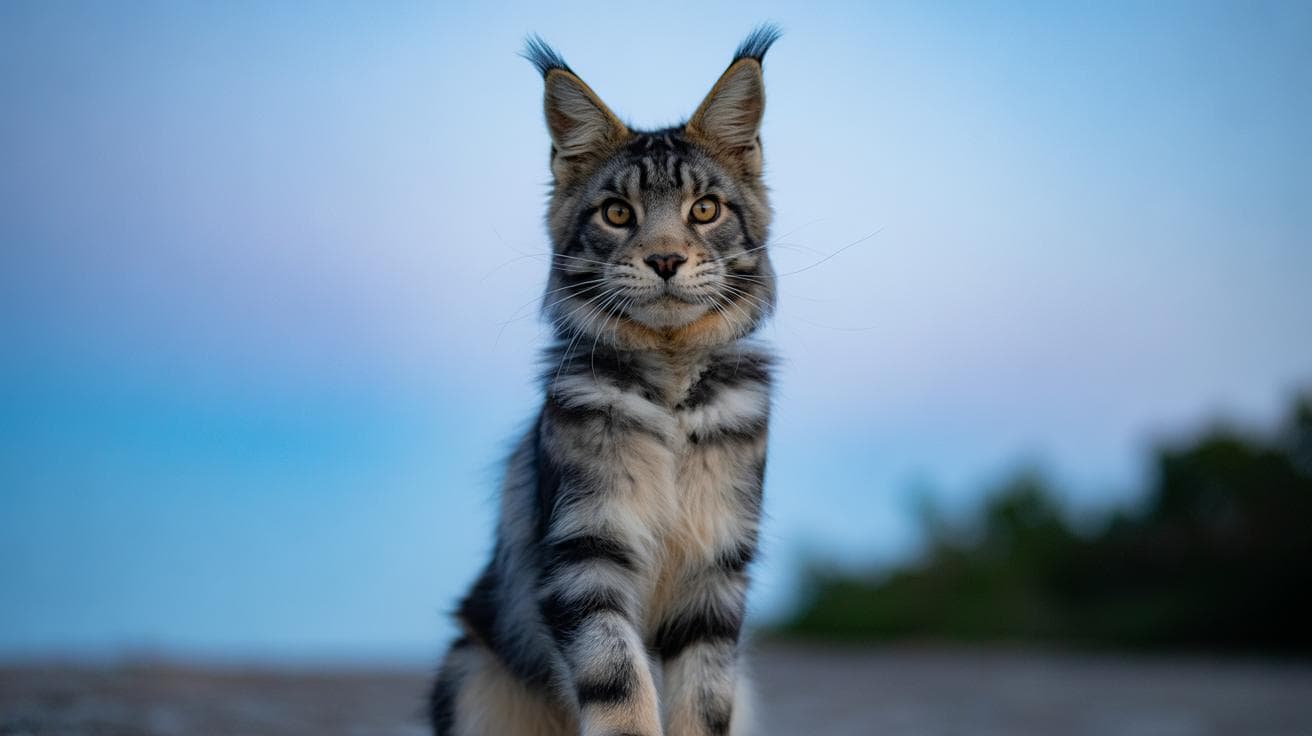
Maine Coons grow slow and steady. Think of them like a long-term project that pays off with majestic fluff and a big personality. Ever watched their paws get comically huge before the rest of them catches up? Cute and a little like watching time-lapse.
Males usually end up bigger than females, and many kittens keep filling out well after their first birthday. Early life milestones are simple to spot. 0–3 months is rapid kitten growth with lots of naps and short play bursts. 3–12 months is steady muscle and bone development as coordination sharpens. 1–3 years they keep filling out and getting stronger. By 3–5 years most reach final adult size, though some finish even later. Patience pays off. Worth every paw-print.
Keep an eye on weight trends and behavior to judge if growth is healthy. If your kitten suddenly loses weight, is very tired (lethargy, very low energy), or refuses food for more than a day or two, call your vet. Small problems can become big ones fast.
| Age Range | Expected Weight Range (male) | Expected Weight Range (female) |
|---|---|---|
| 0–3 months | 1.5–4 lb | 1.25–3.5 lb |
| 3–12 months | 4–12 lb | 3.5–9 lb |
| 1–3 years | 8–16 lb | 6–12 lb |
| 3–5 years (final) | 10–22 lb | 8–16 lb |
Further reading on growth pacing and weekly kitten metrics is here: when do maine coon cats stop growing.
Signs of healthy growth and red flags:
- Steady weight gain following a consistent percentile curve (a growth chart showing how your cat compares to others).
- Playful energy and normal activity for age; slow or floppy behavior can mean trouble.
- Good body condition (ribs feel under a light layer of fat, not buried or overly visible); sudden thinness or a bloated belly needs a vet check.
History, Origin Theories & Timeline
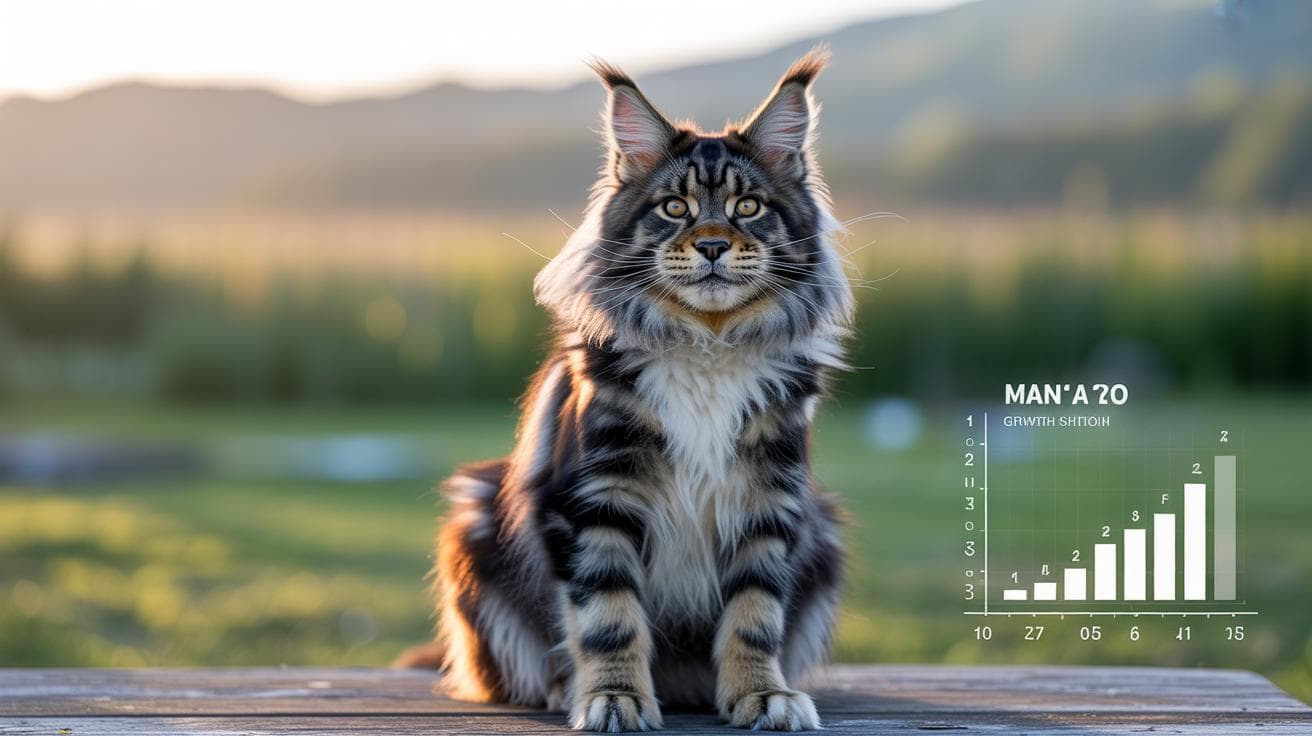
Most folks think the Maine Coon showed up in New England when long-haired European ship cats (working cats that rode on boats) mixed with local short-haired barn cats. The result was a big, tough cat built for cold, wet winters , thick fur that sheds water and big paws that handle snow. Sailors’ cats probably passed along traits like a water-resistant coat and excellent climbing skills, so these cats could hunt and hang on ships and docks.
There are some fun origin tales, but a lot of them are just stories. The idea that Maine Coons are part raccoon is impossible biologically , totally different species. The Marie Antoinette shipping story sounds romantic, but the timing and records don’t really back it up. And those tall tales about specific sea captains? Colorful, yes. Proof, not so much.
A few historical touchpoints help trace the breed’s path. In 1861 there’s the first recorded mention linked to Captain Jenks of the Horse Marines. In 1895 a brown tabby named Cosey won Best Cat at Madison Square Garden, which helped the breed get noticed. Populations dipped by the mid-1900s, and by the 1950s Maine Coons were getting scarce in some areas. Local Maine clubs stepped in around 1973 to revive breeding programs. The Cat Fanciers’ Association gave formal recognition in 1976, and Maine made the breed its official state cat in 1985.
Polydactylism (extra toes) was common in old Maine Coon lines and added to the breed’s early variety. Fun and odd stories keep popping up , remember the 2004 cloned kitten Little Nicky? That one stirred a lot of debate about cloning pets and made headlines.
Worth every paw-print.
Quick recap:
- Origin: New England roots with European ship-cat influence.
- Myth checks: no raccoon ancestry; Marie Antoinette story unlikely.
- Timeline highlights: 1861 mention, 1895 show win, mid-1900s decline, 1973 revival, 1976 CFA recognition, 1985 state cat.
Temperament, Behavior & Training
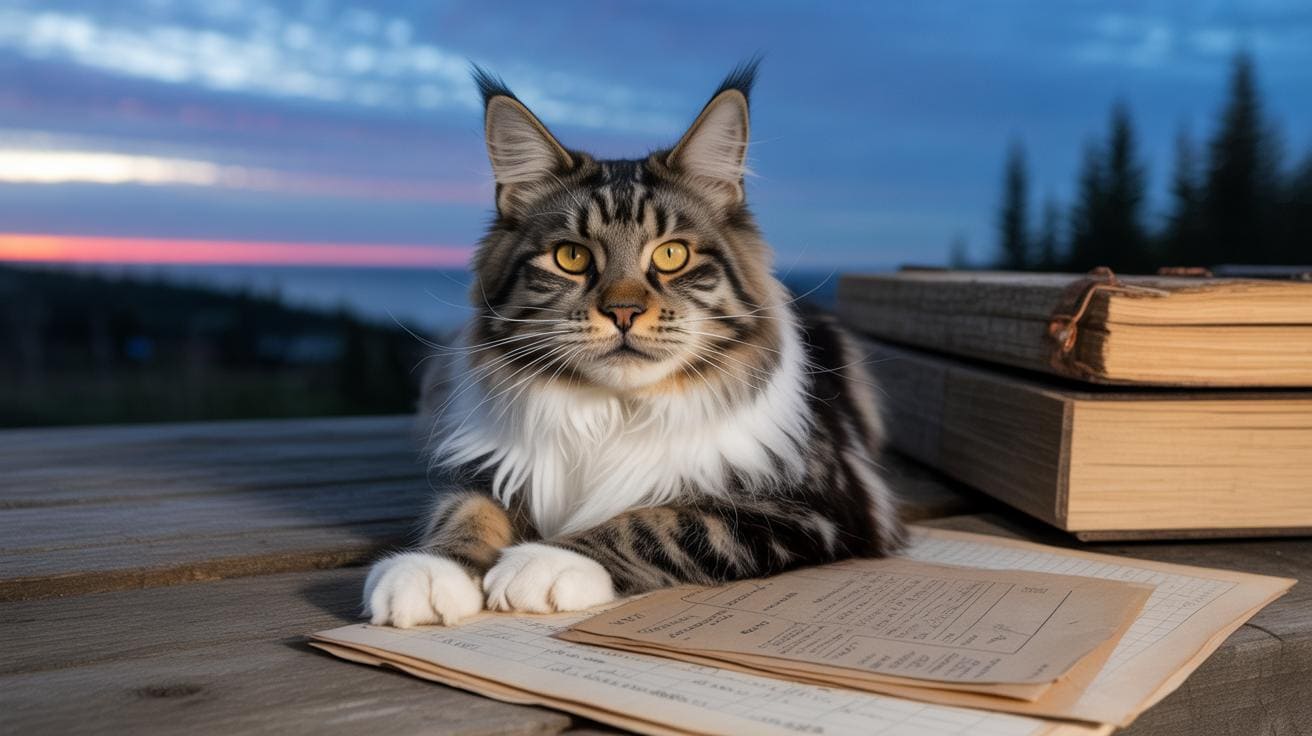
Maine Coons are famously friendly and easygoing, social and curious, and they really love people. They often act like a polite, slightly goofy roommate who wants to be where you are. You’ll hear lots of little chirps and trills instead of big yowls, like a running commentary on your day. They’re moderately active: playful and athletic, but happy to nap for long stretches between zoomies.
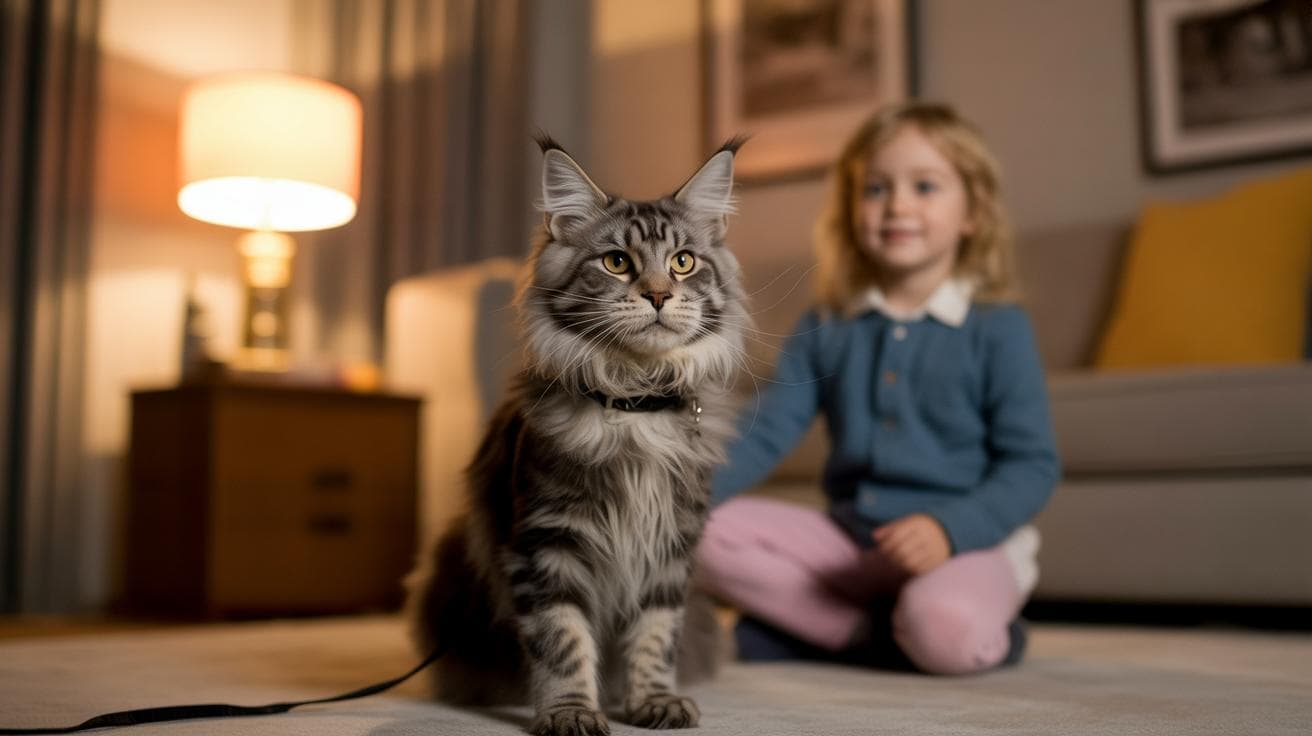
They’re smart and very trainable, which is why owners sometimes call them dog-like. Try short, tasty training sessions with praise , think three to five minutes, and repeat. For leash work, follow these simple steps:
- Let the cat wear a lightweight harness (a small vest-like strap that fits around the chest) around the house so it gets used to the feel.
- Do clicker (small training device) or treat practice while the harness is on, rewarding calm behavior and forward walking.
- When your cat is comfy, attach a short leash and practice slow, short outdoor strolls, adding time bit by bit.
Training should be patient and upbeat. They respond beautifully to positive reinforcement , treats, praise, and a little silliness. For more on friendliness and household fit see are maine coon cats friendly.
These cats are great with kids and other pets. They’re usually tolerant and playful, and many even enjoy water play more than other breeds. Supervised splash sessions or a shallow water tray can be a blast. They do best with mental and physical outlets so they don’t get bored.
Try these enrichment ideas to keep your Maine Coon happy:
- Food puzzles for slow feeding
- Wand toys for stalking practice
- Fetch drills with soft toys (yes, many love fetch)
- Short, frequent harness practice sessions
- Wide, sturdy climbing shelves and condos for big leaps
- Supervised shallow water play or sink baths
- Positive reinforcement with treats, clicker, and praise
Ever watched your cat’s whiskers twitch as a toy rolls by? It’s magic. For questions about a cat’s socialization history, see Adoption, Cost, Questions to Ask & Ongoing Care.