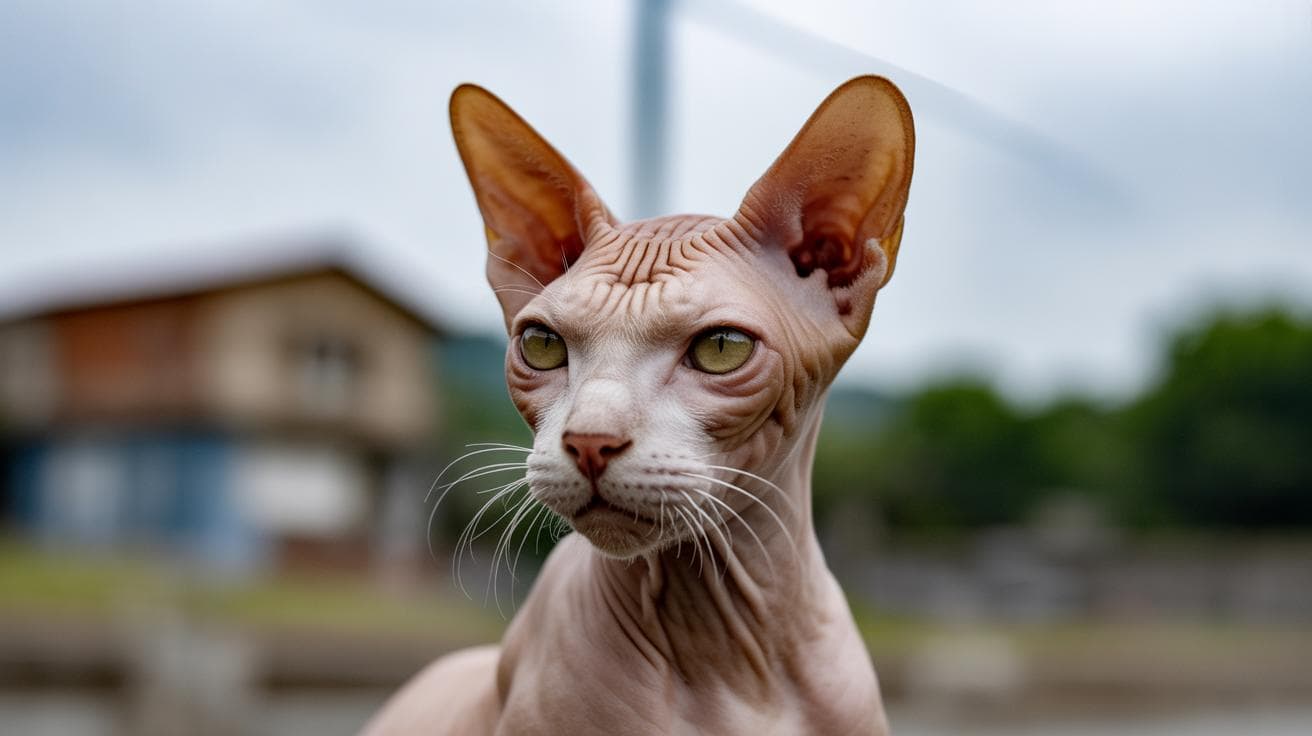
Think hairless cats are just bald showpieces or hypoallergenic miracle pets (hypoallergenic means less likely to trigger allergies)? They might look naked, but they’re regular housecats with a fine down (very fine fuzz) and skin that can show tabby stripes or tortie patches. When one curls in your lap it feels warm and velvety, like soft suede. Ever watched their whiskers twitch as they stalk a toy? Cute, right.
We’ll walk you through breeds like the Sphynx, the one that began with the famous 1966 kitten Prune, and cover the everyday care they need. Baths, ear cleaning, a richer diet, and a few specific vet checks are part of normal life with these cats. It’s not harder than caring for other cats , just different.
Baths help because skin oils build up without fur, so plan on bathing about once a week to every two weeks using a gentle cat shampoo. Ears collect wax more easily too, so wipe them gently with a vet-approved cleaner once in a while. Hairless cats burn extra calories keeping warm, so a richer diet (more calories or healthy fats) often helps, but check with your vet first. Also watch for sunburn and dry patches, keep cozy beds and warm spots, and trim nails regularly.
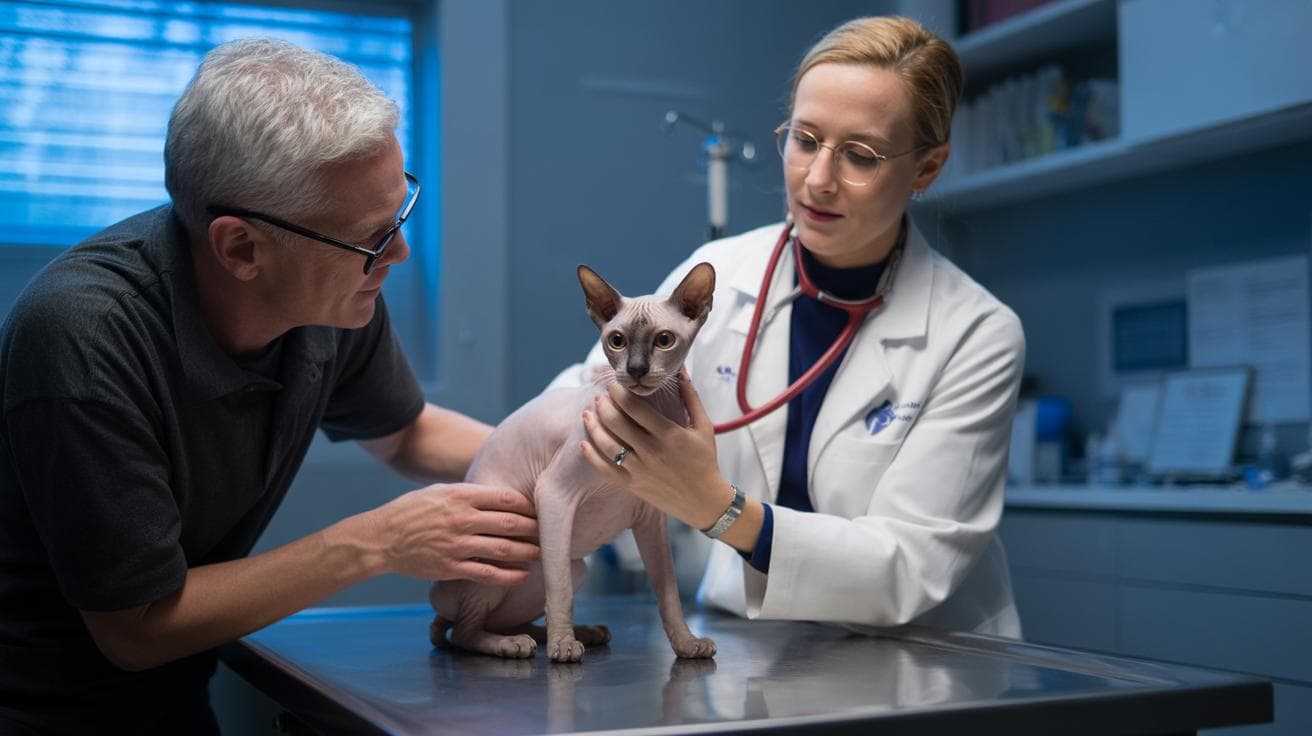
Don’t skip vet screenings for heart and skin issues. Ask your vet about routine heart checks and possible testing for HCM (thickening of the heart muscle), and get skin looked at if you see redness, bumps, or sores. Little things now save big worry later, um, and your cat will thank you with purrs.
Read on for straightforward facts and practical care tips.
Worth every paw-print.
Quick answer: hairless cat essentials
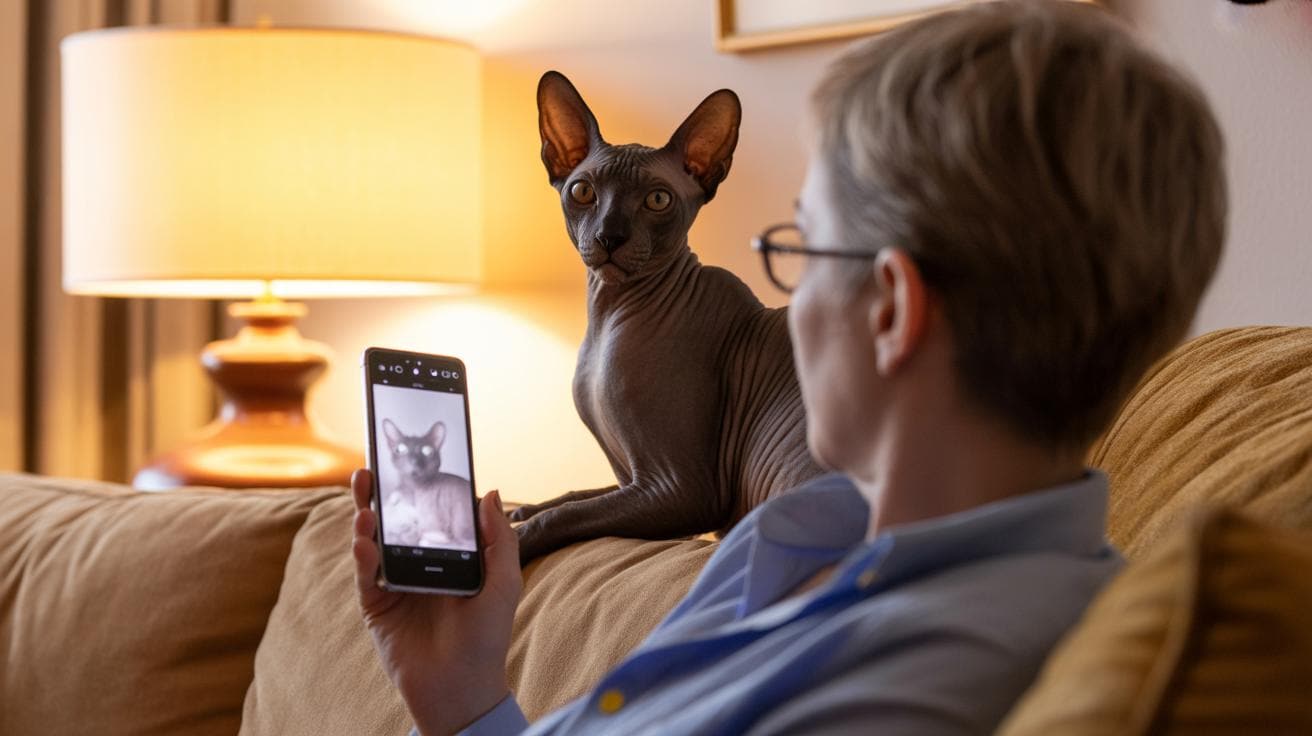
Hairless cats are just regular domestic cats with very little fur. The best-known type is the Sphynx, which started when a hairless kitten named Prune showed up in 1966 , kind of a famous little troublemaker in cat history.
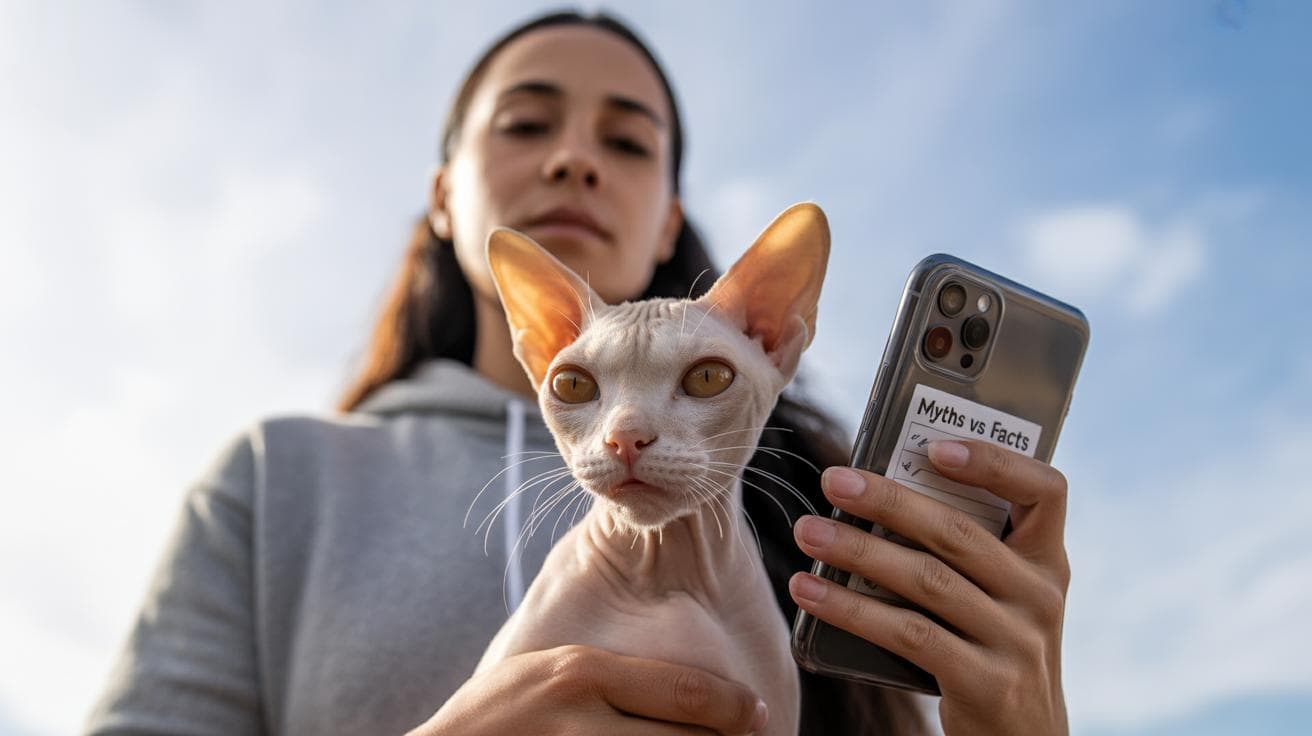
No cat is truly hypoallergenic, because allergens come from dander (tiny skin flakes) and saliva.
- The Sphynx breed began when a hairless kitten named Prune appeared in 1966. Fun fact: that one kitten changed everything for breeders.
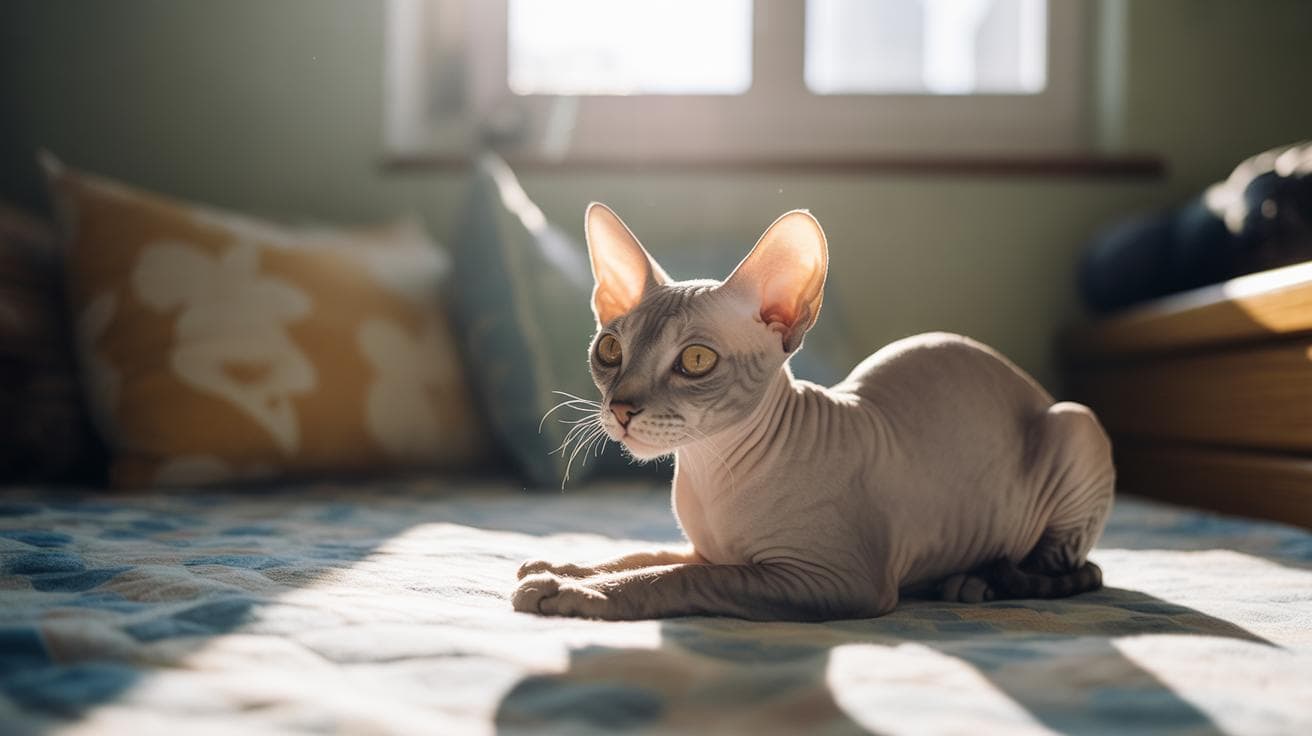
- Most hairless cats wear a fine down (short, soft fuzz) and have big, bat-like ears that twitch when you jingle a toy.
- Their skin shows the colors and patterns their fur would have had, so you can see tabby stripes or tortoiseshell patches on the skin itself.
- Core temperature (internal body temp) runs about 101 to 102.5°F, so their skin often feels warm to the touch.
- Lifespan commonly sits between 9 and 15 years , give or take, depending on care.
- They need regular baths to remove skin oils. Use a gentle, pH-balanced shampoo (made for cats) and keep it short and calm.
- Weekly ear cleaning and checking nails every two weeks helps prevent wax build-up and irritation.
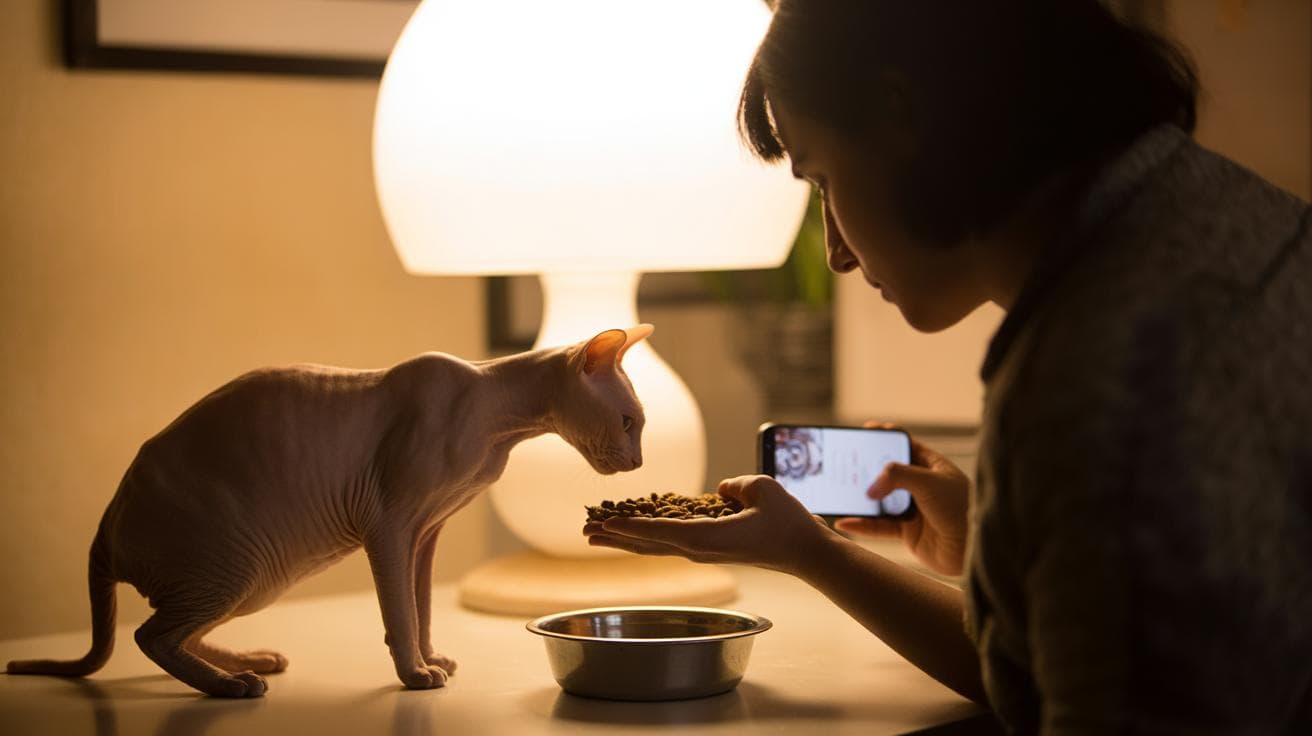
- They burn more calories staying warm, so they often need a richer diet and do well on about 50% animal-protein (meat-based protein) feeds , ask your vet for exact amounts.
- Main medical risks include hypertrophic cardiomyopathy (HCM, which means thickening of the heart muscle) and skin infections, so regular vet screenings matter; see Health risks for more.
- Sunburn is real. Keep them mostly indoors, offer shady spots, or use protective clothing and vet-approved pet sunscreen if they’ll be in sun. Typical supplies: a heated bed, soft blankets, and a gentle shampoo.
Want routines and deeper care tips? See Grooming & skin care for bathing and ear-cleaning routines, Health risks for screenings and warning signs, and Adoption for costs and prep. Worth every paw-print.
Genetics and origins of hairless cats: why some cats lack fur
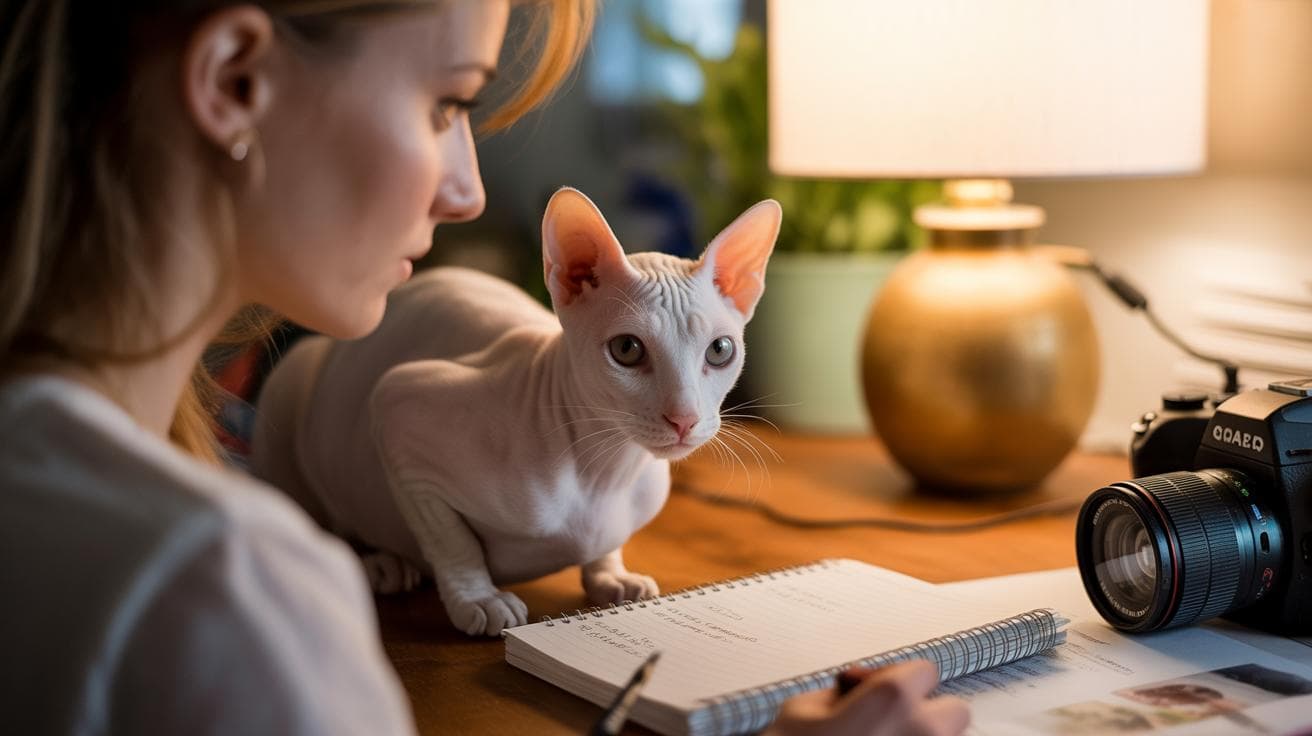
Hairless pet cats started out as natural surprises. The most famous case is Prune, a hairless kitten born in Toronto in 1966, and breeders later worked to make that trait into what we now call the Sphynx. Ever felt a Sphynx's warm skin? It's oddly cozy, and kind of mesmerizing.
Hairlessness comes from changes in certain genes that affect how hair develops. In other words, the genes change hair-follicle development (hair follicle: the tiny skin structure that makes hair). Different breeds , Sphynx, Devon Rex, Donskoy, and Lykoi , have different gene changes, so their skin and coat textures can look and feel very different.
That difference matters. When you know which gene is involved, the physical traits follow patterns breeders and researchers can predict, so they can figure out why one litter is nearly bald while another has a soft down or patchy fur. Think of genes like recipes – swap one ingredient and the whole cake changes. Oops, let me rephrase that… same idea, different look.
- Some hairless types are recessive – a kitten needs two copies of the changed gene (one from each parent) to show the hairless trait.
- Other types act like dominant traits – a single copy of the changed gene can make a cat hairless, so it can pop up more quickly in a family.
- Multiple mutations exist across breeds because different genes and biological pathways can all affect hair growth, so hairless cats evolved that way in separate places.
So yeah, hairless cats are a mix of cool history and genetics. They ended up hairless for different reasons, and those reasons tell breeders how the trait will show up generation after generation. Worth every paw-print of curiosity.
Hairless cat breeds: quick ID and temperament guide
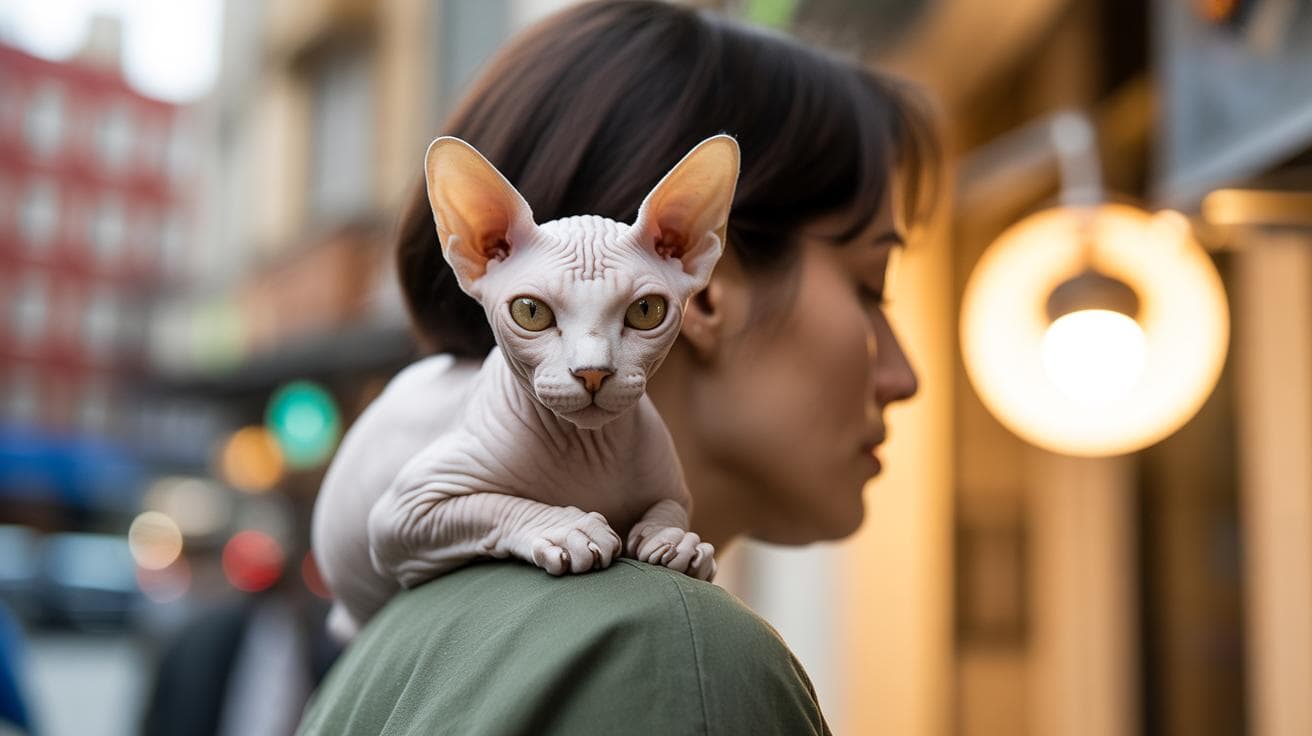
Quick ID and temperament notes for the main hairless types, with pointers to Genetics for origins and Health Risks for breed-specific medical issues.
Sphynx
The Sphynx has a fine, suede-like down that feels warm under your hand and shows a lot of cute wrinkles. Their eyes are lemon-shaped and their ears are big and bat-like, so they look alert even when they're dozing. They’re super social and clingy in the best way, expect a little shadow following you around the house. Lifespan is usually about 9 to 15 years. See Genetics for origin and Health Risks for HCM (hypertrophic cardiomyopathy) info.
Donskoy & Peterbald
The Donskoy often has heavy wrinkles and a bold, curious personality. Some have sparse or variable whiskers and skin that can feel different from cat to cat, like smooth or slightly pebbly. They tend to be outgoing and confident, ready to explore a new box or chair.
The Peterbald can be completely bald or wear a thin brush of hair, and usually has a sleek, athletic build. They’re lively and very people-focused, think playful attention-seekers who love lap time and games. See Genetics for origins and Health Risks for breed-specific concerns.
- Elf: big upright ears and a playful, clownish nature; loves lap time and fetch.
- Bambino: short legs and a compact body with mellow, affectionate vibes and a strong cuddle drive.
- Minskin: tiny, short-coated legs and a gentle, social temperament that adores company.
- Lykoi: a "werewolf" look with patchy fur and active, hunting-minded curiosity.
- Ukrainian Levkoy: inward-folded ears and soft skin, usually calm and people-oriented.
Worth every paw-print.
Appearance and temperament facts about hairless cats
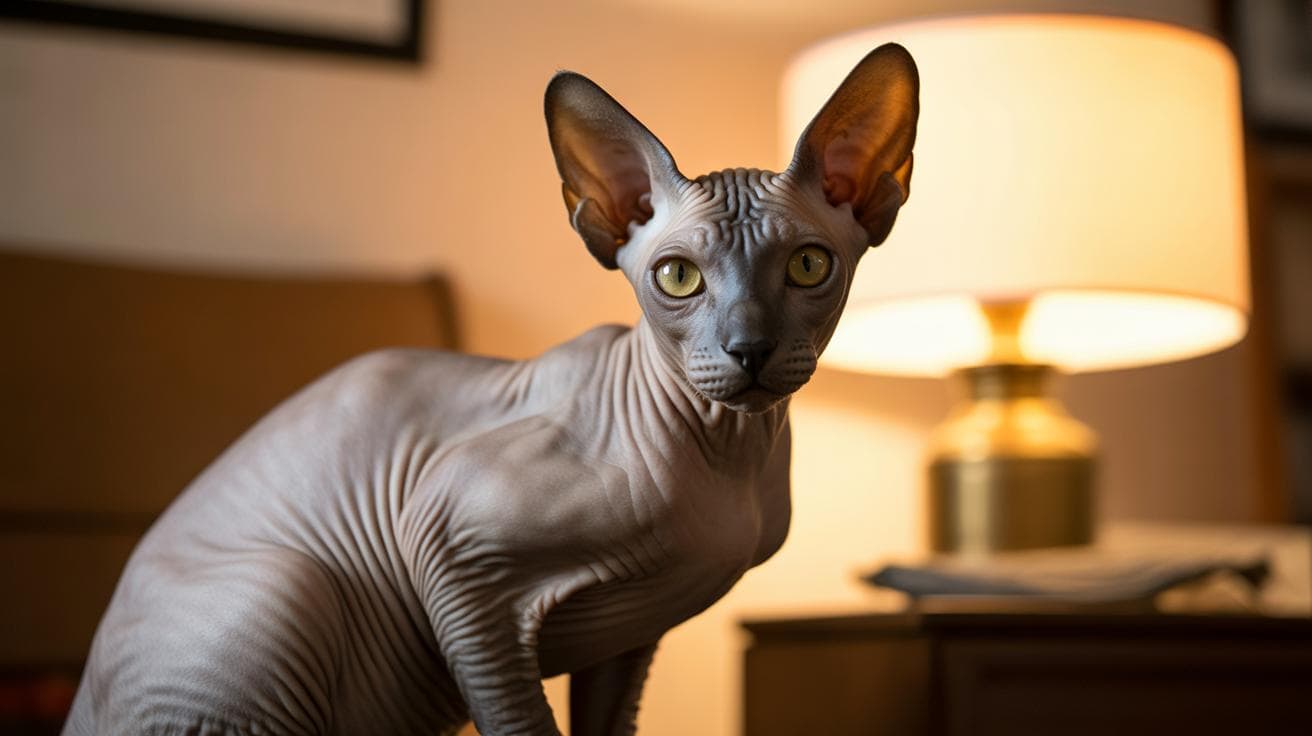
Many hairless cats have a delicate sensory setup. They may have missing or sparse whiskers (stiff facial hairs that help them judge space and keep balance). Without full whiskers, judging distance and staying steady can be trickier, so they often move more slowly and carefully around tight spots. You might notice them pausing, nose out, like they’re measuring the world one paw at a time.
Personality-wise, they tend to be outgoing and curious. They use a wide vocal range , soft purrs, little trills, and attention-getting meows , and they often learn tricks and daily routines fast. Treats help. Short training sessions work wonders. Ever watched one learn the crinkle of a treat bag? Cute and impressive.
- Vocal range and smarts: soft purrs, trills, and attention-seeking meows. Quick to learn tricks and routines, especially for a tasty reward.
- Warmth-seeking: they love sunny spots, warm laps, and heated pads or blankets.
- Play style: agile and curious; big on jumping and stalking small moving targets. You’ll see the focus in their eyes.
- Training response: responds well to treats and positive rewards; keep practice short and fun.
- Social needs: they enjoy human time and can form strong, clingy bonds.
- Tolerance: many do fine with kids and other pets when introductions are slow and supervised.
Care / Grooming: these cats adore warmth and benefit from heated beds or blankets (see Grooming & skin care) to stay comfy on cool days. Their skin needs gentle care and sun protection, and regular checks help catch any dryness or irritation early. Worth every paw-print.
Grooming & skin care for hairless cats: bathing, ears, nails, sunscreen, and seasonal adjustments
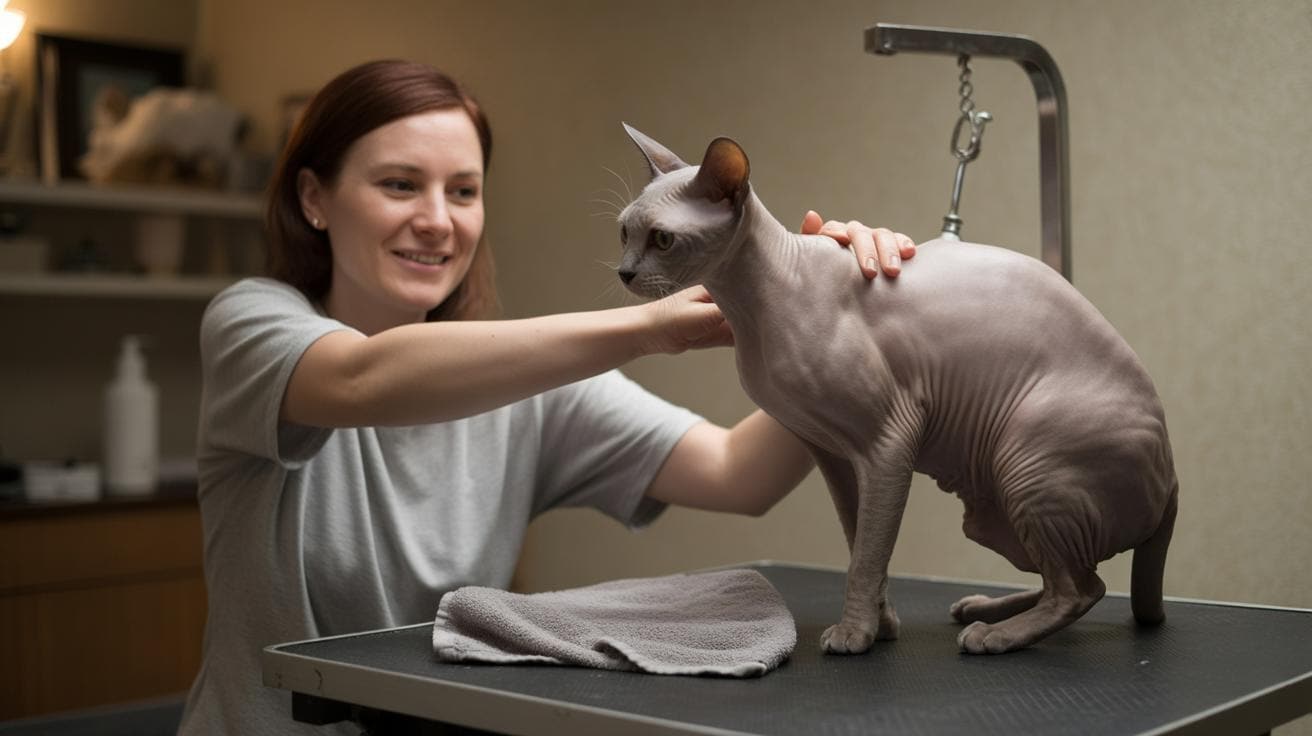
Hairless cats need grooming that feels more like skincare than fur care. Their oils sit on the skin instead of being soaked up by a coat, so dirt and greasiness show up faster. Think clean, hydrated skin and a cozy, dry kitty. Cute, right?
Bathing
Baths help lift away extra skin oils and the dirt that clings to them. Use a gentle cat shampoo that is pH-balanced (matches cat skin acidity) and hypoallergenic (gentle for sensitive skin). How often depends on your cat: weekly for oilier kitties, every few weeks or monthly for drier skin. Check the skin, if it looks greasy, bathe more. If it’s dry or flaky, back off.
Drying is key. Towel off with a warm, soft towel and use a short low-heat dryer session if your cat tolerates it. Keep the dryer moving and never use high heat near the skin. For a longer step-by-step routine and product picks, see Grooming & skin care.
Seasonal adjustments
Winter: add warmth. Offer heated beds or soft warm blankets, block drafts, and consider soft clothing for quick trips around a cold house. If the skin gets dry in winter, space baths a little farther apart and try gentle moisturizing wipes or a vet-recommended topical (a cream or gel your vet says is safe). Watch for redness in folds and keep resting spots warm and draft-free.
Summer: keep them out of direct sun and cool. Pet-formulated sunscreen (SPF – sun protection factor) or lightweight UV-blocking clothing is great for exposed patches when you can’t avoid sun. Keep them mostly indoors during peak sun hours. High humidity can worsen skin problems, so try to keep the air moving and the cat comfy. For any heated gear, choose veterinary-safe options with auto-shutoff and low-heat settings, and place cords where the cat can’t tangle.
Ears & nails
Without ear hair, wax builds up faster. Check ears once a week for wax, dark debris, swelling, or a bad smell. Use a cotton pad soaked in a vet-approved cleaner and wipe only the outer ear, don’t push into the ear canal. If you notice strong odor, discharge, redness, or lots of scratching, see the vet.
Nails grow fast on hairless cats, so trim about every two weeks to avoid skin nicks and accidental scratches. Short trims keep both you and your furniture happier. I once clipped a jagged claw and my cat gave me the slowest, most offended blink, worth it.
- Check ears weekly for wax, dark debris, swelling, or a bad smell.
- Use a cotton pad with vet-approved cleaner; wipe only the outer ear.
- See your vet for persistent odor, discharge, redness, or heavy scratching.
- Trim nails every two weeks to prevent overgrowth and skin scratches.
| Item | Recommended feature | Safety note |
|---|---|---|
| Gentle cat shampoo | pH-balanced (matches cat skin acidity), hypoallergenic (made for sensitive skin) | Avoid human shampoos; rinse well to prevent residue |
| Pet-safe sunscreen / protective clothing | pet-formulated SPF (sun protection factor) or breathable UV-blocking fabric | Test a small area first and avoid human sunscreens with zinc |
| Veterinary-safe heated bed / heat pad | low-heat settings with auto-shutoff | Place on stable surface, cover cords, and supervise initial use |
| Drying tools (towel / low-heat dryer) | soft microfiber towel (microfiber is a soft, quick-absorbing cloth), dryer with low-heat and quiet setting | Keep dryer moving and never use high heat near skin |