Signs of Feline Leukemia in Cats: Early Symptoms

Think your cat is just being cozy? Think again.
Low energy, losing weight because they won’t eat, and pale gums are the three earliest signs you can act on.

You might notice long naps where they barely twitch, a lighter frame when you pick them up, or pale pink gums when you lift their lip. Ever watched your kitty sleep and wondered if something’s off? These little changes feel small, but they matter.

If you see two or more of these signs, call your vet and ask for a blood test that checks for FeLV (feline leukemia virus, a contagious virus that can weaken a cat’s immune system). It’s a simple test. Catching it early makes treatment easier, lowers the chance of repeat infections, and buys you more purr-filled, playful afternoons with your buddy.

Quick tip: snap a photo of the gums to show the vet if you can. Worth every paw-print.

How to recognize early signs of feline leukemia in cats (what to watch for now)

- How to recognize early signs of feline leukemia in cats (what to watch for now).jpg

The three earliest signs you can act on are low energy, losing weight from poor appetite, and pale gums that hint at anemia. Keep an eye out for two or more of these and see a vet for a blood test (this checks for feline leukemia virus, or FeLV). Quick check now can save headaches later.

  • Lethargy – your cat plays less, naps longer, stops jumping on the couch, or hides more than usual. This is often the first thing owners notice.
  • Poor appetite and weight loss – if your cat eats less and trims down over a few weeks without a clear reason, that is a red flag. Weighing them now and then helps catch slow losses.
  • Pale gums – look inside the lip for color. Pale mucous membranes may mean anemia (low red blood cell count), which is common with FeLV.
  • Intermittent fever – feel for warm ears or a hotter-than-usual body when your cat seems off. A fever often shows up with tiredness and poor eating.
  • Swollen lymph nodes – gently feel under the jaw and along the neck for lumps or firmness that do not go away in a few days; lymph nodes are small immune system glands.
  • Recurrent infections – repeated sneezing, runny eyes, or skin sores that come back despite treatment suggest the immune system is weakened.
  • Ongoing diarrhea or vomiting – watch how often and how long it lasts. Persistent gastrointestinal upset that does not clear up needs testing.
  • Severe gingivitis or mouth infections – bad breath, drooling, or pawing at the mouth can mean gum inflammation (gingivitis) or other oral disease tied to FeLV.
  • Eye infections or conjunctivitis – red, sticky, or constantly squinting eyes that return after treatment may be an early sign. Conjunctivitis means eye lining inflammation.
  • Poor coat condition or slow healing – a rough or thinning coat, or wounds that take forever to close, often point to lowered immunity.

For a fuller symptom list, see symptoms of feline leukemia in cats.

Early signs can be subtle and may come and go. If you spot two or more of these, ask your vet about a quick in-clinic blood test (FeLV antigen test). Worth the trip.

Common and progressive FeLV symptoms in cats (how signs change as disease advances)
- Common and progressive FeLV symptoms in cats (how signs change as disease advances).jpg

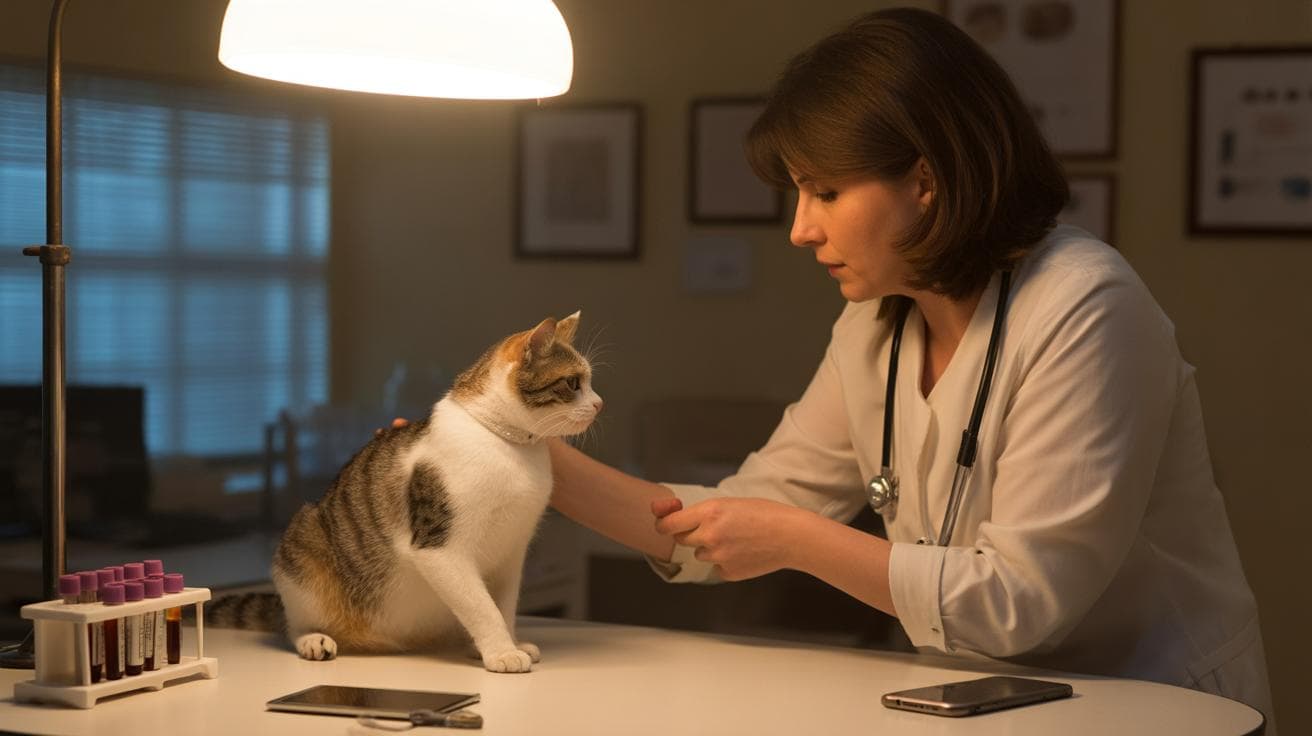
FeLV often starts with small, vague changes that are easy to miss, then moves into bigger, body-wide problems as the virus attacks bone marrow (the spongey tissue inside bones that makes blood cells) and immune cells. Watch for signs that hint at a weakening immune system or poor blood-cell production, and tell your vet about them at checkups. Ever notice your cat seems a bit off but not sick-sick? That could be the start.

Acute versus persistent and regressive FeLV stages

Acute viremia (virus in the blood) can show up days to weeks after exposure and usually lasts a few weeks to a few months while the virus is multiplying. If the virus sticks around, that’s persistent viremia, which usually means a worse outlook; vets typically recheck at 6 to 12 weeks to see if it’s still present. Regressive infection means the virus calms down and the amount of virus falls, but the risk isn’t zero, kittens especially can move from regressive to persistent infection more often than adults.

Mechanisms: bone marrow suppression and immune failure

FeLV targets bone marrow and immune cells, causing bone marrow suppression (slower or damaged blood-cell production) that leads to cytopenias (low blood cell counts). That shows up as anemia (low red blood cells, which can make a cat tired or pale), leukopenia (low white blood cells, which raises infection risk), and thrombocytopenia (low platelets, which can cause bruising or bleeding). Your vet will look for these clues on a CBC (complete blood count) , low red cells, low white cells, and low platelets all point to trouble.

How signs evolve or cluster over time

Early, nonspecific signs like low energy, poor appetite, or mild fever can pile up into repeat infections, slow recovery, unexplained bleeding, or even cancer such as lymphoma linked to FeLV. Look for patterns: repeated illness, new lumps, prolonged recovery, or strange bleeding. Secondary infections are common in FeLV-positive cats, so regular bloodwork and close monitoring help your vet guide care and catch problems early. If you see changes, mention them , small details help a lot.
Red-flag warning signs: when signs of feline leukemia in cats become emergencies

- Red-flag warning signs when signs of feline leukemia in cats become emergencies.jpg

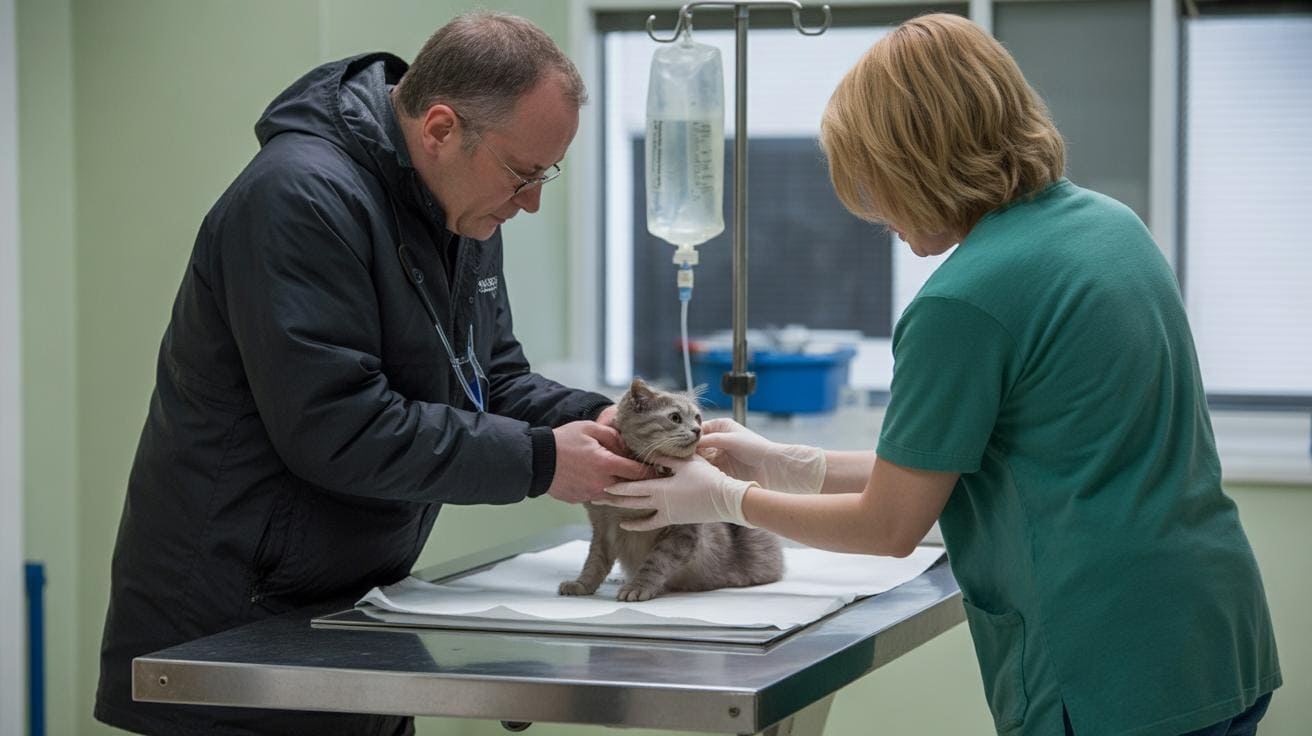
If your cat has feline leukemia (FeLV), some signs need urgent attention right away. These are the things that mean go now, not later, your clinic or the ER can help fast.

Severe breathing difficulty. This could be pleural effusion (fluid around the lungs) or pneumonia (a lung infection). Get emergency care now. Your cat may need oxygen therapy (extra oxygen) and chest imaging like X-rays or ultrasound to see what’s going on.

Collapse or sudden, severe weakness. That might mean profound anemia (very low red blood cells) or shock. Head to an emergency clinic immediately and bring any medications and recent lab results you have.

Uncontrolled bleeding, lots of bruises, or petechiae (tiny red or purple pinpoint spots). These signs suggest thrombocytopenia (very low platelets). Urgent testing is needed; transfusion (a blood transfusion) or platelet support may be required.

Seizures or a sudden neurologic change. This could mean the central nervous system (the brain or spinal cord) is involved, or there’s a severe metabolic derangement (a dangerous chemical imbalance). Emergency stabilization and rapid diagnostics are essential.

Sudden, marked pallor with rapid breathing. This usually points to severe anemia from bone marrow suppression. Immediate care is critical. A blood transfusion can be lifesaving.

High, uncontrolled fever. That raises concern for a severe infection or sepsis (a life-threatening whole-body infection). Seek emergency assessment for IV antibiotics (medication given through a vein), IV fluids, and close monitoring.

Intractable vomiting or diarrhea with signs of dehydration. Your cat can lose vital salts and fluids fast, risking electrolyte collapse and shock. Emergency rehydration (fluids under the skin or into a vein) and tests are needed.

Not eating or drinking for more than 24 hours. That can lead to rapid decline and metabolic complications, so urgent veterinary attention is important.

What an emergency clinic will typically do: stabilize breathing with oxygen, give IV fluids (fluids through a vein), run bloodwork/CBC (complete blood count) to check red cells, white cells, and platelets, start antibiotics if needed, and arrange transfusion or referral for advanced care. It can feel scary, but fast action really helps. Worth every paw-print.

Final Words

In the action, we named the top three early signs: lethargy, poor appetite or weight loss, and pale gums, and gave a 10-item home checklist; see a vet for a blood test if you notice two or more.

We then explained how the virus can shift from mild, vague problems into bone-marrow and immune system issues, described acute, persistent and regressive stages, and flagged red-flag emergencies that need immediate care.

Keep checking your cats, trust your gut, and act quickly when several clues appear, quick testing catches trouble earlier and helps your multi-cat household stay healthier; remember the signs of feline leukemia in cats.

FAQ

What are the first signs of feline leukemia in cats?

The first signs of feline leukemia in cats are lethargy (low energy), poor appetite with weight loss, and pale gums indicating anemia (low red blood cells). See a vet for a blood test if you notice two or more.

How do cats act when they have leukemia?

Cats with leukemia often act unusually quiet and tired: lethargic, hiding, grooming less, playing less, and they may have recurrent infections or fever—these behavior changes are common early clues.

How long can a cat have feline leukemia before showing symptoms?

A cat can have feline leukemia for weeks to months before showing symptoms, though some remain symptom-free for years; kittens often progress faster, so recheck testing at 6–12 weeks after exposure.

How does a cat get feline leukemia, and can indoor cats get it?

A cat gets feline leukemia through close contact with infected saliva or blood—grooming, bite wounds, shared bowls, or mother-to-kitten transmission; indoor cats can become infected if an infected cat joins the household.

What is feline leukemia treatment?

Feline leukemia treatment focuses on supportive care and treating infections; there is no cure. Vets may use antibiotics, IV fluids, transfusions, or cancer therapy for tumors, plus regular monitoring and indoor care.

What are the final stages of feline leukemia?

The final stages of feline leukemia show severe bone marrow suppression (marrow stops making blood cells), profound anemia, bleeding, weight loss, uncontrolled infections, and tumors like lymphoma, with rapid decline and poor prognosis.

What eye symptoms can feline leukemia cause?

Feline leukemia can cause eye problems like conjunctivitis (red, watery eye), uveitis (inflammation inside the eye), discharge, cloudiness, or vision changes; see a vet promptly for eye care.

Related Articles

Author

  • Nathaniel Price is a retired construction manager turned LLM writer, where he combines his years of experience managing complex projects with his love for crafting precise, engaging content.

    His work thrives on meticulously researching and writing about all things related to cats, from behavior to care, ensuring that every piece is informative and well-researched.

    When he’s not writing, Nathaniel enjoys fishing, which offers him a peaceful escape. He also has a deep appreciation for nature, often reflecting on his belief that “happiness is found in the quiet moments.”

    View all posts

Similar Posts