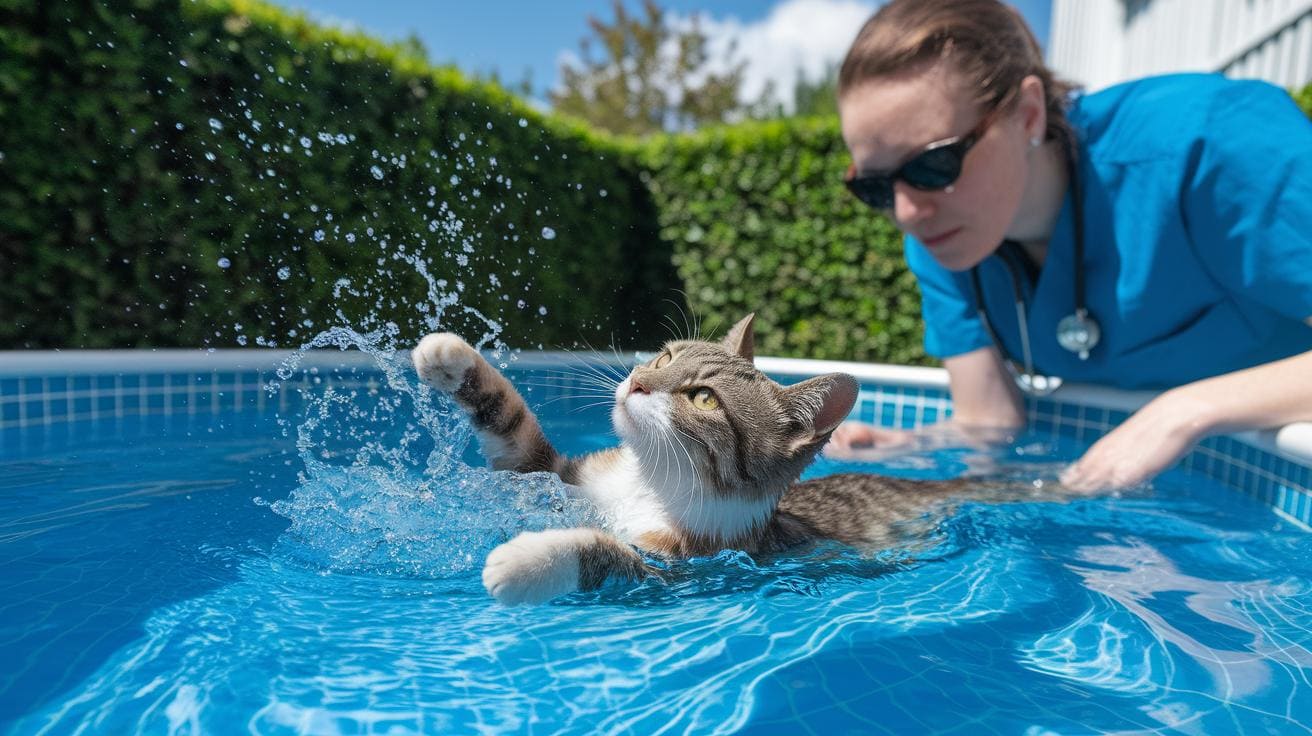
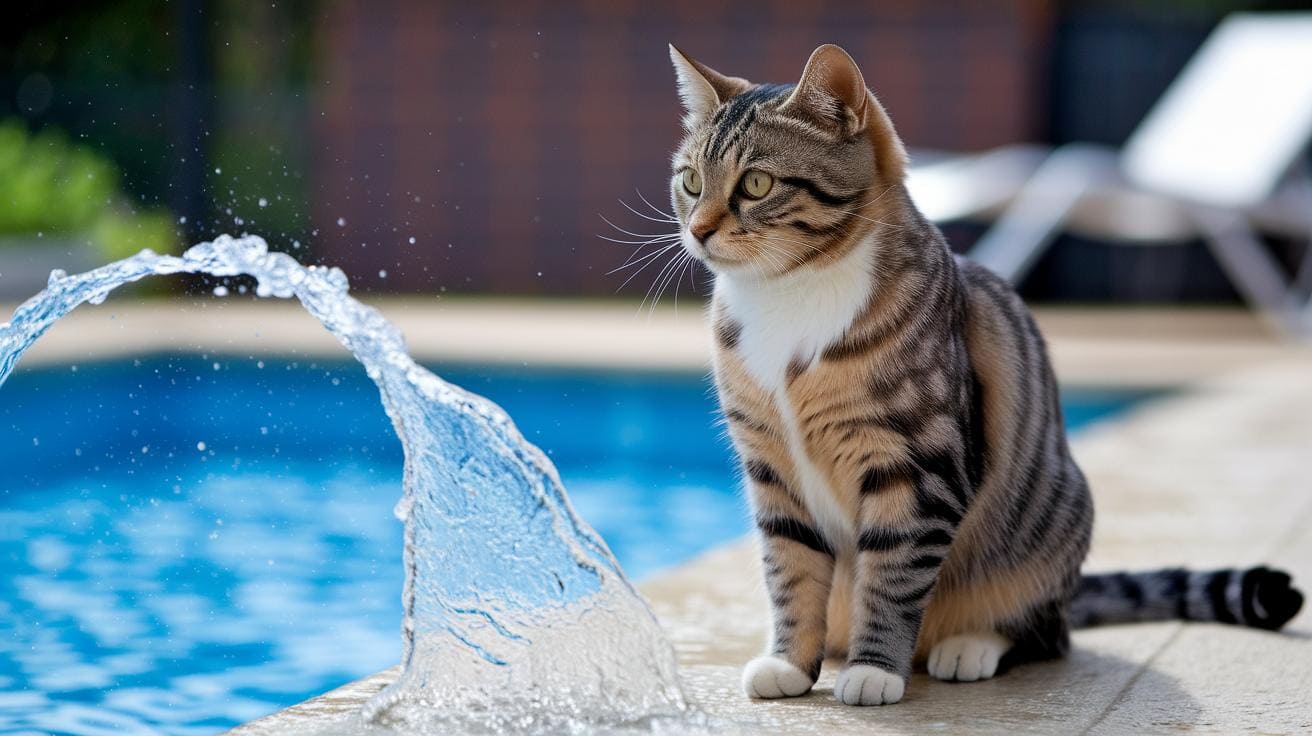
Ever watched a kitty launch into a pool and paddle like a furry champ? It sounds nuts, right?
Cats have these whisker sensors (tiny touch detectors) that read every ripple. Their strong muscles turn paws into little paddles, and smart paw strokes keep them bobbing. The result? An adorable splash-fest that looks surprisingly skilled.
So, ready to let your cat dip a paw? I’ll share simple steps to keep your furball safe and make water play totally pawsome.
Worth every paw-print.
Can Cats Swim? Understanding Feline Swimming Ability
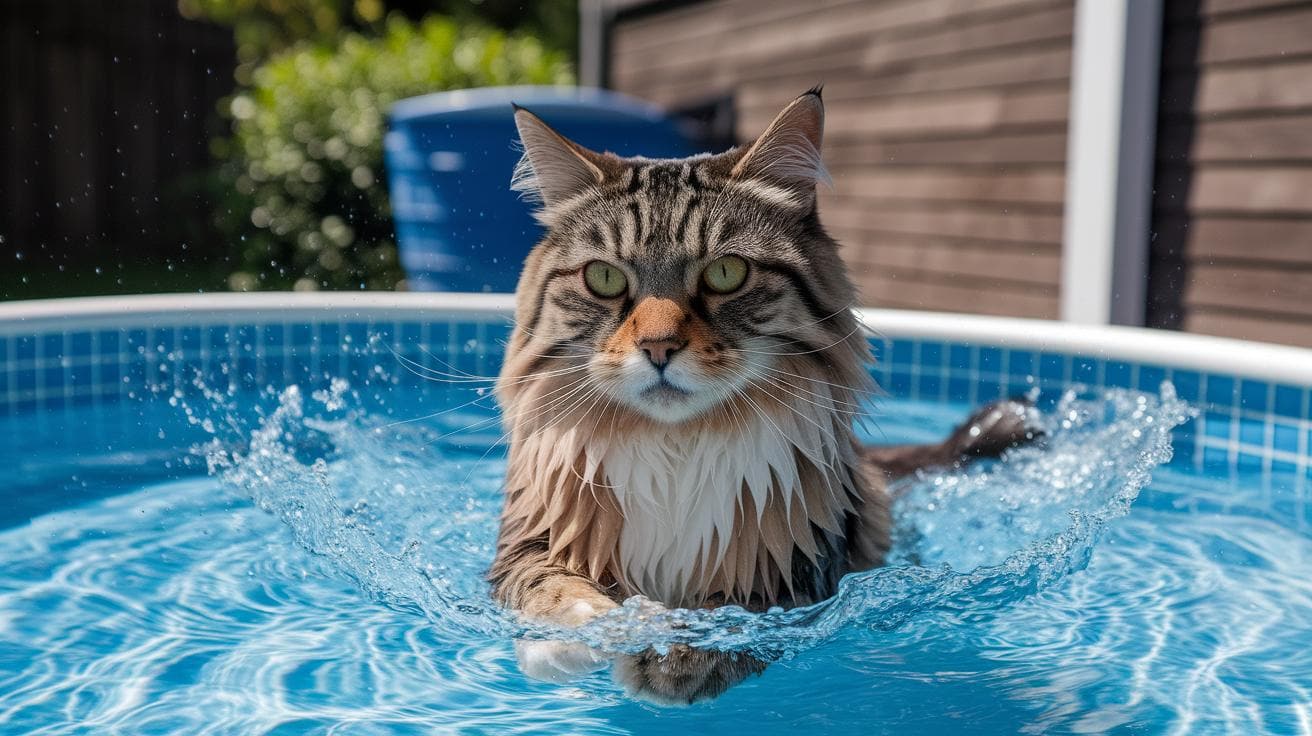
Ever watched a cat dropped into deep water? At first, they might stare wide-eyed, soaked fur clinging tight. But then they kick out with all four paws, sending little ripples across the pool. It’s wild to see these desert-born hunters (cats from very dry regions) tap into a built-in swim move without any lessons.
Most house cats use a dog-paddle stroke – front paw, back paw, repeat – to push through the water. Their fur (which soaks up water fast) traps tiny bubbles that help them stay afloat, uh, like a built-in life vest.
And big cats do it too. Tigers and jaguars will wade through rivers to catch a meal. Ever wonder if they can swim for hours? Driven by instinct, they’ll paddle until they reach dry land.
It’s a myth that wet fur means a cat will drown. Sure, they hate the soggy coat, but no claws in the water equals no sink. My own kitty once splashed through a shallow pool, paused to shake off like it just got a spa treatment and then strutted out looking feline fine. So next time someone says cats can’t swim, just smile – these furballs have style!
Worth every splash.
Feline Physiology and Mechanics of Swimming
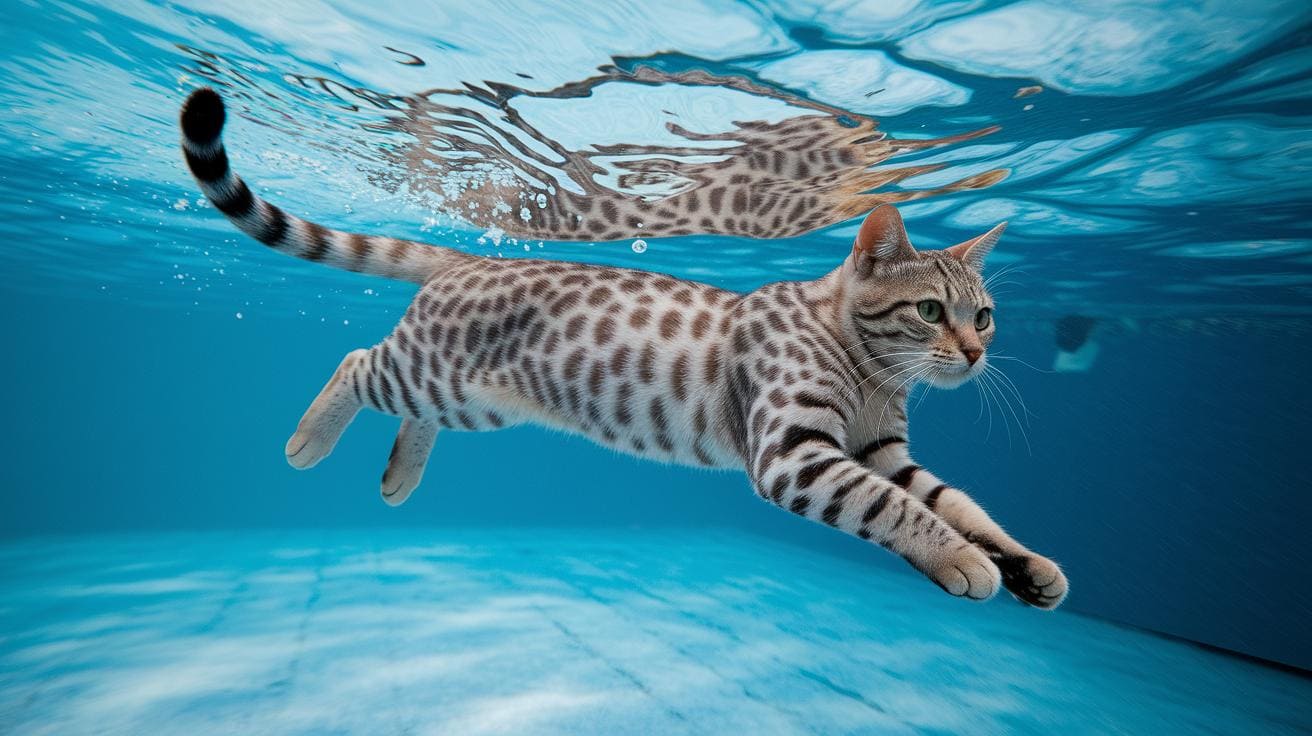
Most kitties paddle through water with a classic doggie-paddle style, moving their front paws then kicking back with strong hind legs. Their muscles (soft tissues that help move bones) adapt quickly for splashing. Ever watched your cat chase ripples in the tub? It’s pretty pawsome!
Big cats like tigers and jaguars do the same paddling dance but get extra help from webbed feet (skin stretched between their toes). This extra push lets them glide across rivers for miles, sometimes up to nine miles, without missing a beat. Wild water play, anyone?
Their tail acts like a built in rudder. By bending left or right, they steer with precision. Whiskers (stiff hairs on their face) feel shifts in currents and help judge depth, kind of like feeling a pool wall with your fingers.
Dry fur traps air bubbles for buoyancy (floating power), like a tiny life vest. But once it soaks up water, it gets heavy and adds drag, slowing down each stroke. It’s an insulation trade off that gives cats enough float time to paddle to safety. Even if they’d rather shake off and sprint back to dry ground.
- Webbed feet (skin stretched between their toes) boost their swimming power.
- Front and back strokes form their basic paddle.
- Strong muscles (soft tissues that move bones) fire quick bursts to push through water.
- Whiskers (stiff hairs on their face) sense water flow and help gauge depth.
- Tail steering lets them turn with precision.
- Fluffy fur traps air for buoyancy but adds drag when it’s wet.
All these features come from deep feline water instincts and a body built for swimming. Whether your fluff ball is paddling in a backyard pool or a jaguar is drifting down a jungle stream, cats really know how to stay afloat. And, uh, they might just love a splash about as much as we do.
Why Many Cats Dislike Water
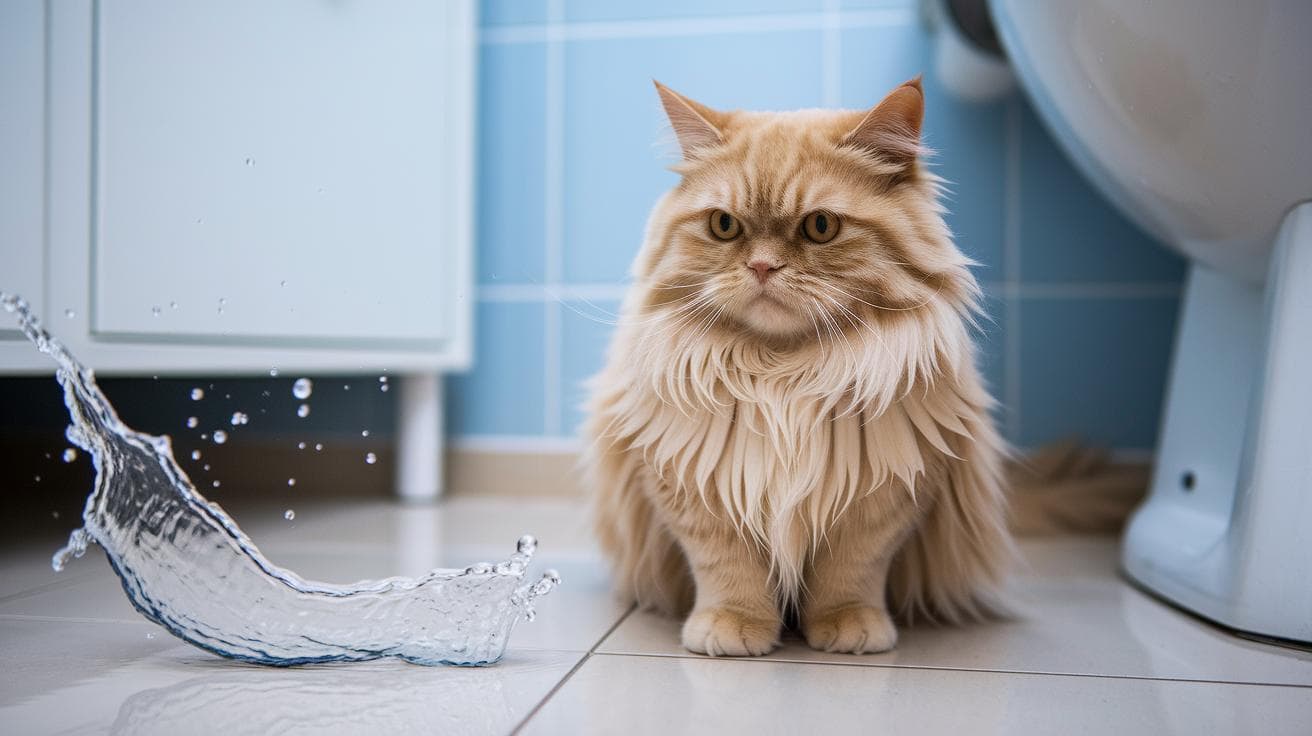
Ever watched your kitty leap away from a stray drip of water? There's actually some truth to fussy-cat lore. Long ago, wild cats came from dry, sandy lands with no lakes to splash in. Their fur is great at keeping them cool, but soak it, and it turns into a heavy, soggy blanket that weighs them down. Um, can you imagine dragging a wet backpack everywhere?
Wet fur feels like a soaked backpack around their little paws. It slows every jump and makes their whiskers twitch with unease. A surprise dip in the tub or a forced bath can trigger instant cat terror. Cold, damp fur shivers under their skin. And sadly, that sloshy panic sticks with them.
Here’s why many cats say “no thanks” to water:
- Desert ancestors had zero reason to swim
- Fur (their thick hair coat) soaks up water fast, adding drag and weight
- Forced baths and accidental plunges spark lasting wariness
- Cold, wet fur makes them shiver and paddle frantically
Some kittens will tip-toe into a splash if you start slow, you know, treats in hand and quiet voices. But let’s be real: every fluff ball has its own style. Early, calm encounters can help ease their worries. Just don’t be surprised if pool parties remain a dog thing.
Cat Breeds and Individual Preferences for Swimming
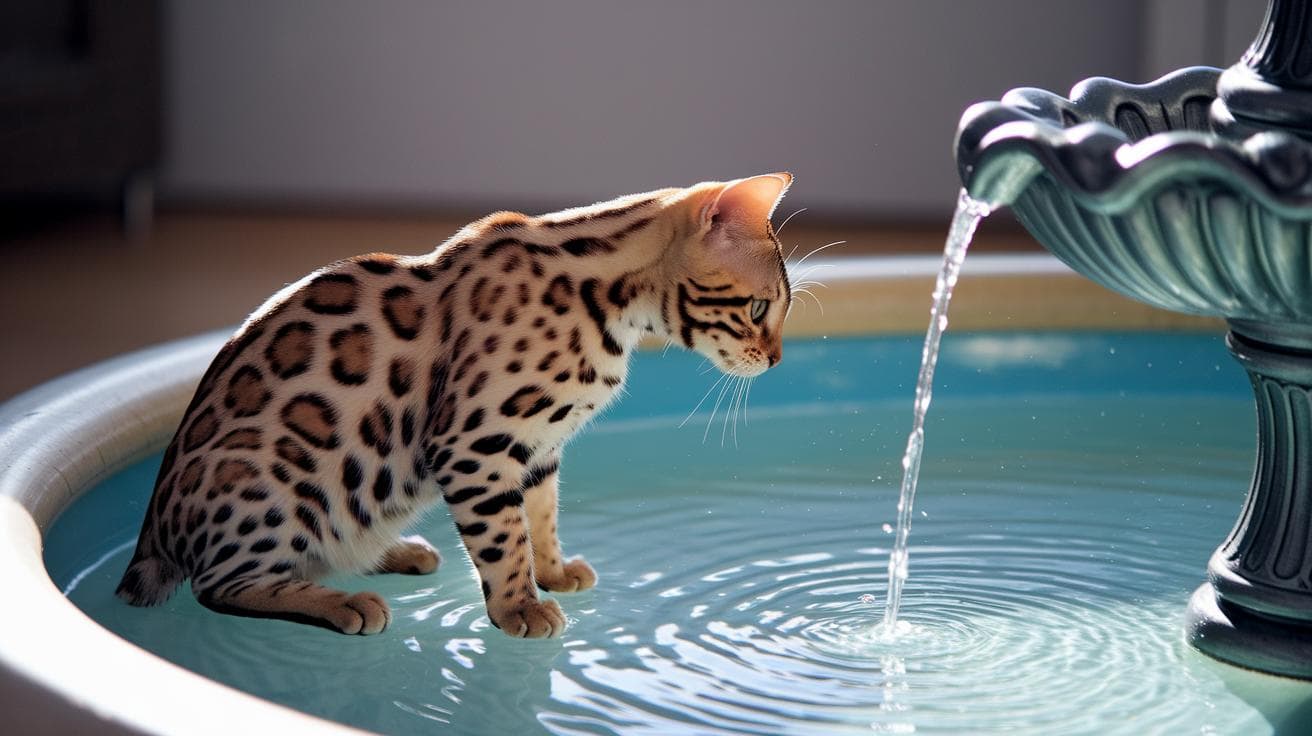
Some kitty breeds have an extra splash of fun. Ever seen a Maine Coon (big fluffy fisher-cat) dip a paw into a shallow tub and then whoosh – a full-on splash? These gentle giants chase water drops like they’re winning a medal. Turkish Vans (silky, water-resistant fur that helps repel moisture) treat water like a playground, floating rubber duckies in style. Bengals (mini jungle cats) tap the stream under a faucet, ready to pounce the moment it drips. And Manx cats (adorable tail-less charmers) bat at bubbles, eyes wide with wonder.
But hey, swimmers still have mood swings. A Bengal might pause if the water feels too cold. A Maine Coon may only test one toe, give a tiny shiver, then decide, “Nah, I’ll stay dry today.” Really. It’s all about the vibe.
Then there are the wild pros. Tigers paddle miles in rivers to catch dinner or cool off on hot days. Jaguars (jag-uars, you know) glide through jungle waterways like they own the place. Lions wade into shallows to beat the heat, manes dripping and majestic. Makes your backyard kiddie pool look like a bath mat, doesn’t it?
Indoor fluff balls usually stick to drips and puddles. Your kitty’s whiskers might twitch as the faucet trickles. They’ll dab a paw in and freeze when a droplet lands on their nose. Silly little freeze-frame moment.
Coat matters too. A Turkish Van’s silky, water-resistant fur (helps repel moisture) dries fast, so they’re all in. But a Persian’s dense woolly coat (thick fur that holds water) turns into a soggy furball – best to keep them cozy on dry land. And hairless Sphynx cats (bare-skinned charmers) skip the swim entirely – no fur, no splash.
In truth, every cat’s a judge of its own fun. Breed gives a hint, but your kitty’s personal taste makes the call. So if they dip a paw in the tub, let them splash away. If they dart off, no worries – more playtime awaits!
Worth every pawprint.
Introducing Cats to Swimming Safely
-
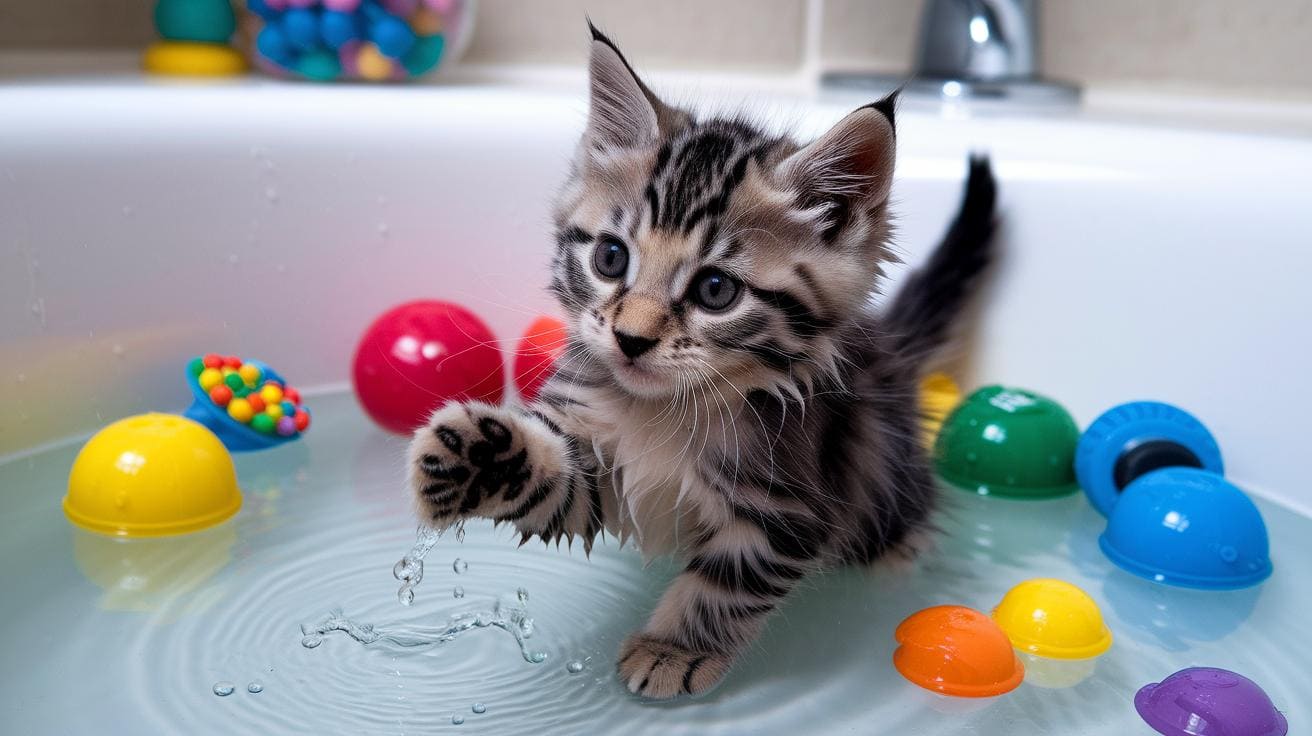
First, pick a calm spot like a quiet bathroom. Fill the tub with two inches of lukewarm water (think a cozy cup of tea) and keep a plush towel nearby. This gentle, shallow setup helps your kitty feel safe and curious.
-
Next, scoop up your furball and place only their front paws in the water. Cradle their chest so their head stays high and dry. Speak in a soft, soothing tone, this shows them you’ve got their back and water won’t swallow them. This gentle dip builds trust.
-
Now it’s playtime: ever dangled a floating toy just out of paw’s reach? Or dropped a few kibbles to lure them in? Soft praise and a tasty snack link water with fun. Kittens learn fastest, but older cats can get the hang of it too, patience is key.
-
Once your cat seems comfy, raise the water by just an inch or two. Keep sessions under five minutes, enough time for a little splash, not enough for chills. Watch their whiskers and paws. If they freeze or blink rapidly, wrap it up. Small steps over a few days keep them in control.
-
Finally, always stay close. If your cat’s ears flatten or meows turn frantic, lift them out and dry them off. For cats with arthritis (joint pain) or low energy, try a snug life jacket (a tiny pet vest) and make sure there’s an easy exit like a ramp. That way every swim is safe and purr-fectly joyful.
do cat swim joyfully and safely
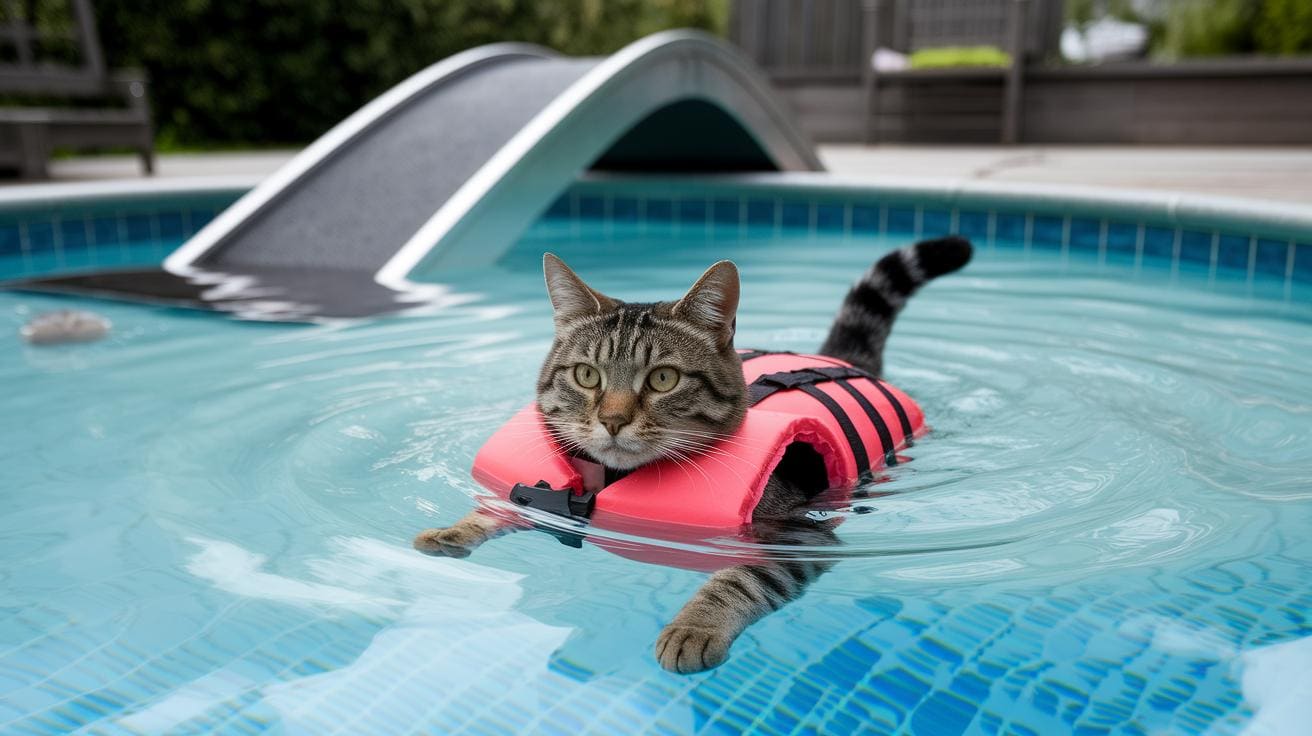
Picking the right float gear makes all the difference. Look for a cat life jacket (a vest that helps your kitty stay afloat) with straps you can tweak for a comfy, snug fit. Check the sizing chart so it doesn’t pinch or slip. A buoyant vest (able to float) keeps your cat’s back paws from sinking and helps her paddle with confidence. Ever watched your kitty paddle like a pro?
Make sure your furball can get out easily. Add a ramp or ledge at the pool’s edge so she can climb out without sliding back in. A low fence or safety net around the water adds extra peace of mind. And never leave your kitty alone near deep water, keeping an eye on her is the best way to prevent watery mishaps.
If your cat looks scared or starts splashing wildly, scoop her up gently and wrap her in a towel. Keep talking in a calm voice, soft “it’s okay” vibes help. For big scares, quick help matters. It’s smart to learn basic how to do cat cpr techniques so you’re ready if things get serious. Having that know-how is a total relief when you need it.
Clean water makes happier swims. Keep chlorine levels under 3 ppm (parts per million) so your cat’s skin and whiskers don’t get itchy. After playtime, rinse your kitty with lukewarm water to wash off pool chemicals and help her fur dry faster. A gentle towel rub and a cozy bed nearby will have her purring in minutes.
Worth every paw-print.