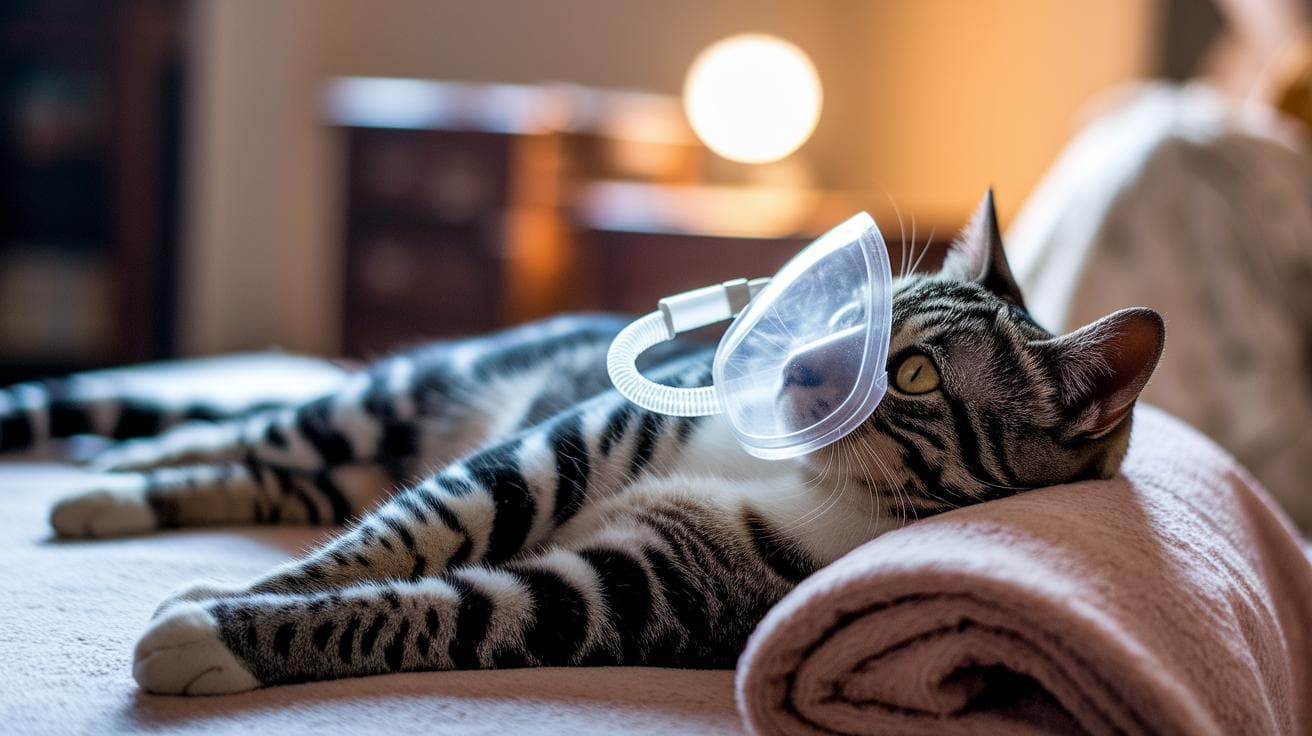
Ever held your kitty and watched them go totally limp?
Whoa. Your own heartbeat feels loud as you wait for a breath.
It’s wild how every second stretches out when the air just stops on their soft fur.
When your furball quits breathing, time feels like it’s racing ahead. But you can help, you know.
Gentle chest presses (tiny squeezes on the ribcage) and soft rescue breaths (small puffs of air) can keep that little heart beating until the vet swoops in.
This quick guide shows you five easy steps.
It’s like learning a simple hand dance. Each move is clear, so you’ll know exactly how to jump in and give your feline friend a fighting chance.
Plus, you don’t need fancy gear. Just your hands, a bit of courage, and a sprinkle of hope.
Ready to step up and be your cat’s hero?
Immediate Cat CPR Steps
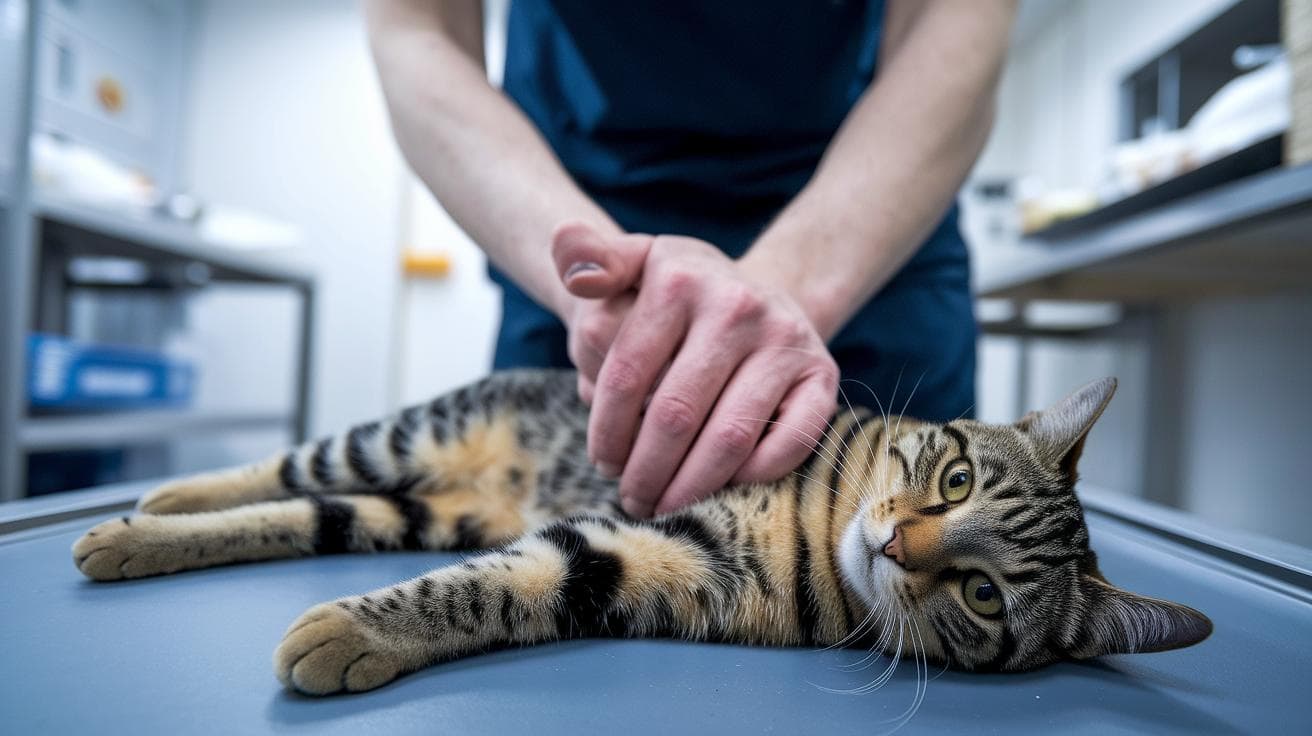
When your kitty’s not breathing, every second is precious. Grab a flat spot – like the floor or a sturdy table – and throw on disposable gloves and a barrier device (a simple face mask works). These keep you and your furball safe while you play lifesaver. Ready to be your cat’s hero? Let’s roll.
This quick guide walks you through what to do when your cat goes limp. Fast action can keep blood pumping and oxygen (the air your cat needs) flowing to the brain before help arrives.
Checking Responsiveness & Airway
Before you do chest squeezes or rescue breaths, make sure your cat really needs help. No movement and no breathing? You likely won’t feel a pulse.
- Gently roll your cat onto its side. Softly shake its shoulder or call its name.
- Lift the chin to straighten the neck and tilt the head back. This opens the airway.
- Pull the tongue forward and peek inside the mouth. Use gloved fingers or a cloth to clear any bits of debris.
- Watch for chest movement and feel for breath at the nose.
Compression Technique
Next up: chest compressions (pushing on the chest to pump blood). Lay your cat on its right side, chest facing you. Bend the left front leg at the elbow – that’s your landmark for the heart.
Keep your arms straight and shoulders above your hands. Then push at the right pace:
| Cat Size | Hand Placement | Compression Depth | Compression Rate |
|---|---|---|---|
| Small Cat | Thumb and fingers on opposite sides | About 1 inch | 100 to 120 per min |
| Large Cat | Interlocked fingers, straight arms | 1.5 to 3 inches | 100 to 120 per min |
Rescue Breaths & Ventilation
After every five compressions, give rescue breaths. Seal the muzzle with your hand so both nostrils are covered. Breathe in big and blow full lungfuls into the nose. Watch the chest rise.
• Keep that seal tight.
• Exhale fully into the nose.
• Pause so the chest falls before the next breath.
• Aim for one breath every five seconds – no rapid puffs, um, please.
• If the chest stays flat, tilt the head back and try again.
When to Continue or Stop CPR
Alternate compressions and breaths, checking for a pulse or breath after each cycle. If you see no signs of life after 20 to 30 minutes, it may be time to stop. But if your cat starts breathing or shows a heartbeat, give yourself a high five and call the vet.
Your purr pal still needs professional care, since brain damage can begin in just four to six minutes without oxygen. Dash to the clinic and let the pros take over, worth every paw-print.
Troubleshooting Cat CPR Challenges
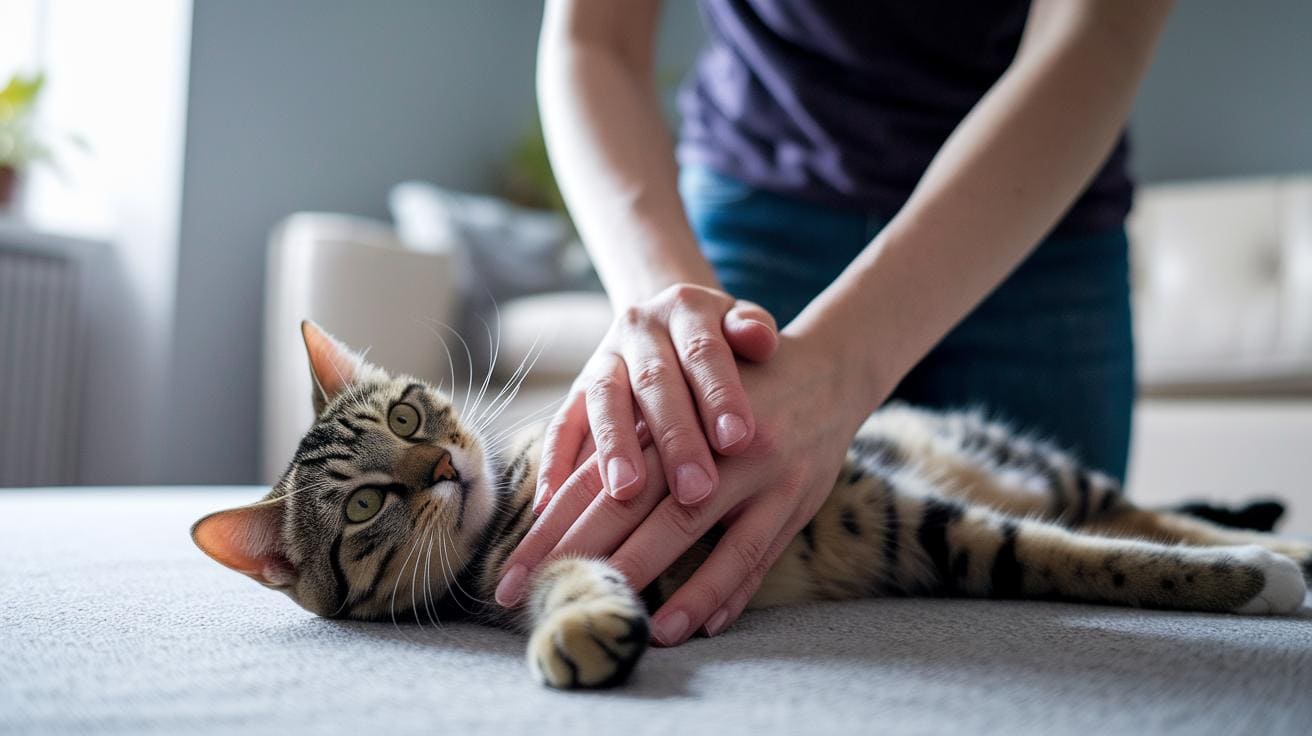
Mistakes happen when adrenalin’s high. Pushing in the wrong spot, squeezing too shallow or too deep, or leaning on the chest can stop blood flow. If your pace wobbles, too slow, too fast, it won’t match the heart’s rhythm. Blowing too hard during rescue breaths can even overinflate those tiny lungs.
Kitten CPR adjustments matter because little bodies need gentler care. Aim for about half an inch of compression depth and slow to around 80–100 squeezes per minute (that’s one every 0.6–0.75 seconds). Your hands should feel light, like petting the fluffiest kitten. Pausing too long between squeezes steals precious seconds.
Senior cat considerations call for even softer touch. Fragile bones can crack, so reduce depth and place a folded towel under the spine for extra support. If the chest seems too stiff, ease back on force and rely more on rescue breaths. Always scan for pain signals, ears flat, a soft groan, before trying another cycle.
Hypothermic cat resuscitation needs warmth first. Wrap them in blankets to lock in heat between CPR sets and move fast to a warm surface. Watch for stress signals during CPR: hissing, wide pupils, frantic paws. If your cat panics, pause gently, clear the airway again, then resume, cold plus stress makes breathing worse.
When to stop CPR cats is a tough call. Keep going until you see breathing, twitching, or a heartbeat return. If no change shows after 20–30 minutes, chances of recovery drop sharply. Trust your rhythm and your feel, if you hit that time mark with no pulse, it may be time to let go and focus on comfort.