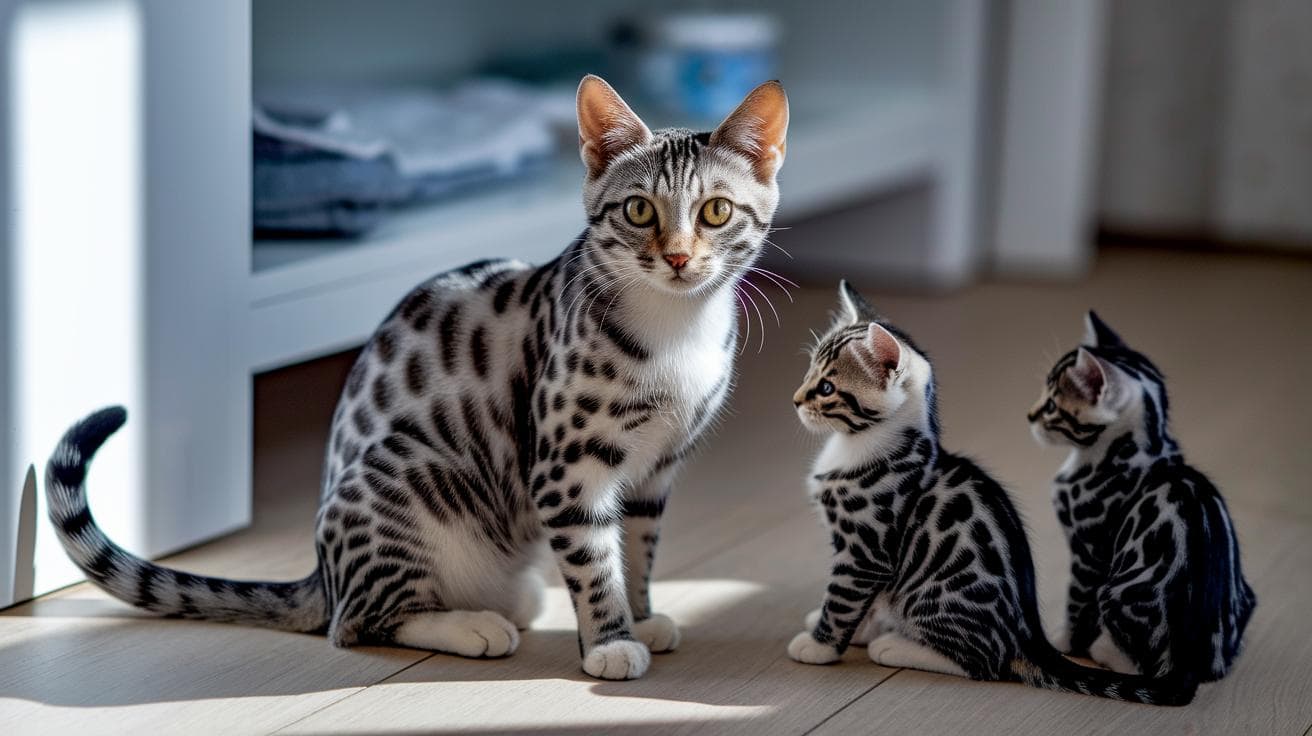
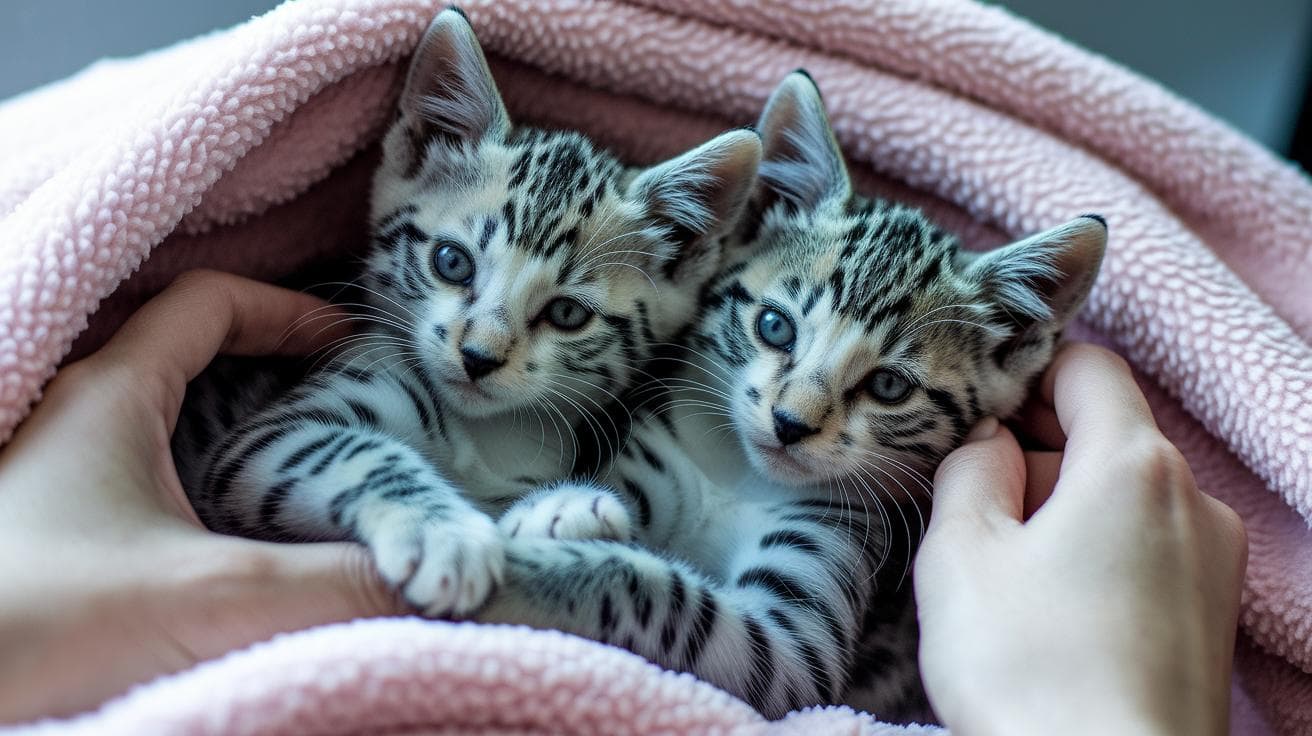
Ever wondered if a cat mom could accidentally hurt her tiny furballs? It sounds harsh, but feline infanticide (when a mama cat harms her kittens) really can happen to about 2 out of 100 home litters. Um, stress, sickness, or a noisy nest can throw her off.
But don’t worry – a quiet hideaway (like a sturdy cardboard box in a calm corner) and gentle check-ins can help her feel confident. Oops, let me rephrase that… she’ll start purring with mom-mode pride! Ever seen her whiskers dance as she curls around her babies?
Next, you’ll get simple, loving kitten care tips to keep every whisker-twitching baby safe and sound. It’s cat mom life done right. Worth every paw-print.
Quick Facts: Do Cats Kill Their Kittens?
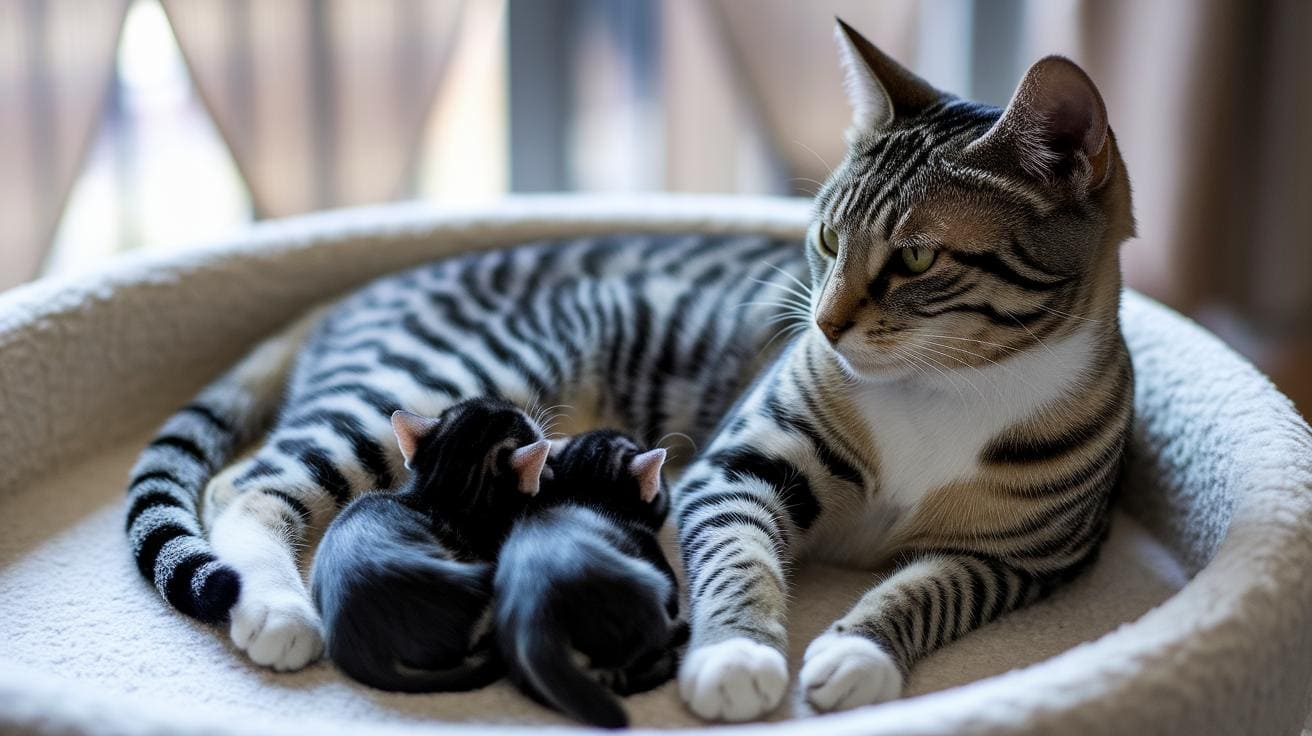
Ever wondered if a cat mom would ever hurt her babies? In rare cases, yes. It’s called feline infanticide (when a mother cat harms her kittens), but with a comfy nest and gentle care it almost never happens at home.
First-time moms can feel stressed or get sick. They might be unsure what to do with all those tiny mews. Yet under our watch, only about 2% of litters face this kind of trouble.
In feral colonies (stray kitties who fend for themselves) kitten loss can reach 25%. Imagine a mama cat hunting scraps in a cold garage. Harsh, right?
Neutering males (removing their ability to father kittens) stops almost all tomcat attacks. And giving mom a quiet hiding spot helps her relax. Think of a cozy cardboard box lined with soft towels – kitty heaven.
In truth, most cat moms are pawsitively great parents. When they get calm spaces and regular check-ins, kitten survival stays high. Worth every paw-print.
Male Cats and Kitten Infanticide Risks

Intact male cats (not neutered) have high levels of testosterone (a hormone that boosts rough, territorial behavior). In the wild, a new tom cat might attack kittens he didn’t father. That harsh move brings mom cats back into heat faster so he can mate and spread his own genes. But at home, when we keep cats indoors and follow responsible breeding, chances of a tom harming kittens are nearly zero.
Neutering before sexual maturity (around five to six months old when he can start reproducing) cuts those big testosterone surges and makes kitten attacks almost unheard of. A well-socialized, neutered tom often switches gears – he’ll guard little ones rather than seeing them as rivals. Ever watched a gentle giant tom cat nuzzle a kitten’s ears? It’s a heart-melting sight.
Next, let your neutered tom spend quiet, supervised time with young kittens. He’ll learn they’re part of the family, not competition. Talk with your vet about the best timing for neuter surgery and plan ahead. You’ll build a happy, safe cat clan.
Worth every purr.
Female Cats and Maternal Infanticide Factors
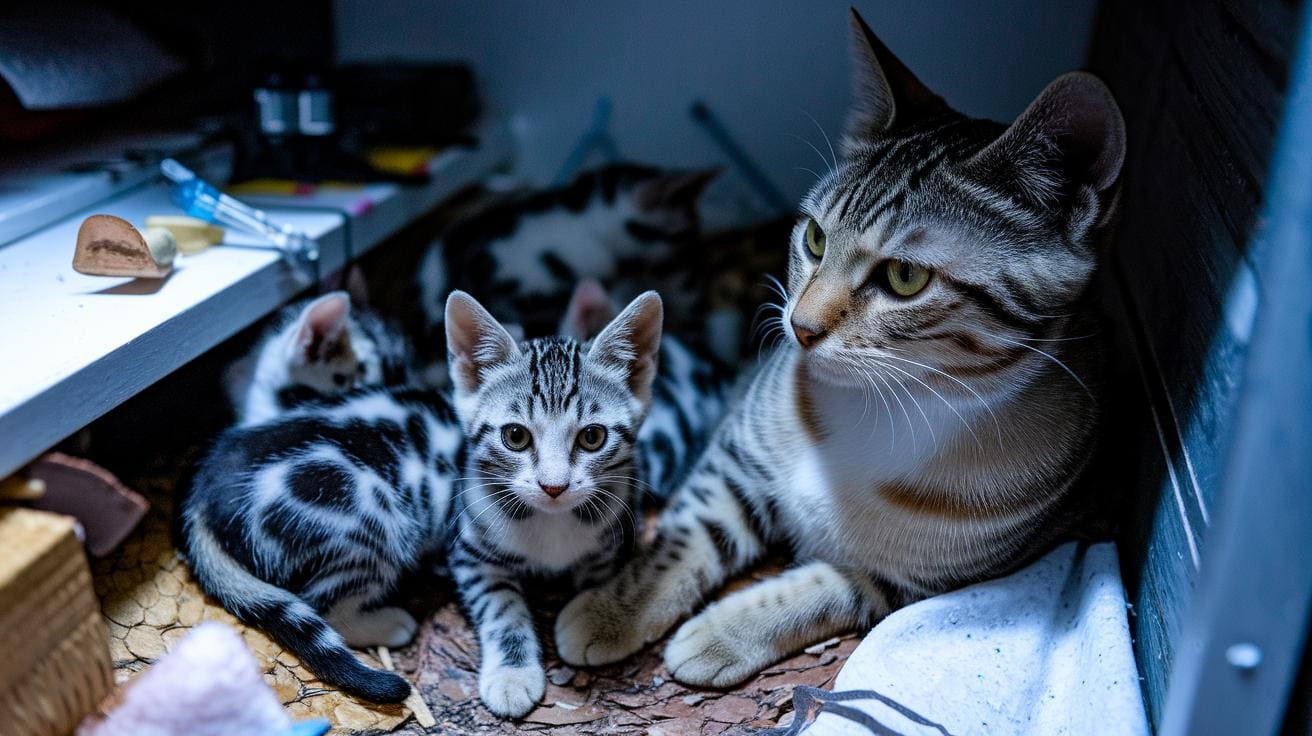
First-time moms often show inexperienced queen behavior when their nesting spot is too small or the bedding feels rough. Sometimes postpartum maternal aggression mixes with inexperienced queen behavior, and she might pace away from her kittens or push them out of the box. Inexperienced queen behavior also appears if she can’t find fresh towels or if the hiding spot gets cornered by too much noise. Spotting these clues means offering soft blankets, extra nesting boxes, and a quiet corner right away.
Stress-induced killings can happen when a mother cat feels trapped by too many pets or sudden temperature drops. Loud voices, a crowded room, or drafts near the nest raise her anxiety, and she may shove or worse, abandon the kittens to escape the stress.
An illness aggression link kicks in when a kitten looks weak or sick. If a baby shows congenital abnormalities (birth defects), severe dehydration (loss of body fluids), or heavy parasite loads, mom may cull it to boost the litter’s chances. She’s not cruel, she’s wired to protect the healthiest pups and focus her milk on survivors.